













Whole Cloves For Tea
Whole cloves (Syzygium aromaticum) are the dried flower buds of a tropical tree native to the Maluku Islands of Indonesia. For centuries they have turned up in warm beverages across Asia, the Middle East, and the Indian subcontinent, long before the word "chai" entered the Western vocabulary. Using whole cloves for tea gives you control over intensity and aroma that ground cloves cannot match.
A few buds dropped into hot water release their warmth slowly, producing a clean, spiced cup rather than the dense, almost acrid punch you get from pre-ground powder. Whole cloves also make a rewarding single-ingredient tea in their own right - three or four buds steeped alone deliver a clean, warm, gently tingling cup that needs nothing added to it. This post covers why whole beats ground, three recipes to get started, the best tea bases to pair them with, their cultural context, and how to buy and store them correctly.

Why Use Whole Cloves Instead of Ground
Whole cloves give you controlled extraction; ground cloves dump everything at once. The difference comes down to surface area.

Ground cloves expose every particle of volatile oil to hot water the moment they touch it. The result is an immediate, aggressive release of eugenol, the compound responsible for clove's characteristic warm, tingling heat. Eugenol makes up most of clove bud essential oil, and when it hits boiling water all at once the flavor quickly becomes overpowering and slightly harsh. Measuring becomes almost impossible because a fraction of a teaspoon makes a significant difference.
Whole buds work differently. The intact cell structure acts as a slow-release system. During an 8-10 minute steep at 95-100C, eugenol leaches out gradually, building warmth without tipping into harshness.
The aromatic top notes, which include beta-caryophyllene and acetyl eugenol, have time to express before the heavy bottom-end heat dominates. The result is a layered spice character rather than a single blunt note.
There are practical advantages too. Whole cloves are easy to strain: scoop or spoon them out cleanly. Ground cloves require either a fine mesh infuser or they settle at the bottom and continue releasing flavor, making the last half of the cup more bitter than the first.
Whole buds can also be re-steeped once. A second steep at the same temperature for 5-6 minutes extracts the residual oils at reduced intensity, which works well when blending with a strong base like Assam where you want spice as a background note rather than a lead. Whole cloves consistently outperform pre-ground in spice blending, whether the application is tea or cooking. The intact bud simply holds more volatile potential until the moment you need it.
Classic Whole Clove Tea Recipes
Three cloves steeped for 8-10 minutes in 250ml of boiled water is the baseline from which every other clove tea recipe builds.

1. Simple Clove Tea
Use 3-4 whole cloves per 250ml cup. Bring water to a full boil (100C), add the cloves, reduce to a gentle simmer or simply cover the cup and steep for 8-10 minutes. The liquor will be pale amber with a warm, slightly peppery nose and a clean spice finish.
Strain and drink as-is, or add a thin strip of lemon peel in the last 2 minutes of steeping for brightness. A teaspoon of honey rounds the warmth without masking it. This is also the traditional English way to use cloves in a spiced cup - a few whole buds brewed with a strong black tea base, no other spices needed. Caffeine-free on its own, it works well in the evening; with a good Assam it works any time.
2. Clove Chai Blend
This is the closest match to a proper chai at home. Combine: 4 whole cloves, 3 green cardamom pods (lightly cracked), 1 cinnamon stick (roughly 5cm), and 1 small piece of fresh ginger (about a 1cm slice). Simmer these in 300ml of water for 5 minutes.
Add 1 heaped teaspoon of strong Assam loose leaf, then 150ml of whole milk. Bring just to a simmer, not a rolling boil, and steep for another 3-4 minutes. Strain and sweeten with jaggery or brown sugar if you prefer.
The Assam base matters here. Its malt and body stand up to the spice load in a way that a lighter Ceylon or a green tea cannot. We source Assam for exactly this characteristic, and it is the right call for any spiced milk preparation.
3. Clove-Citrus Evening Infusion
A caffeine-free option for colder evenings: 3 whole cloves, 1 strip of fresh orange peel (about 5cm, avoiding the white pith), and optionally a small piece of star anise. Steep in 250ml of boiled water for 8 minutes.
The orange peel's limonene lifts the clove warmth and adds a clean citrus note. Finish with honey to taste. The result sits somewhere between a mulled wine and a herbal tea in character, warming without being heavy. This also works cold: brew concentrated (double the cloves and peel), cool, then pour over ice and dilute with cold still water.
Best Tea Bases to Pair with Whole Cloves
The right base tea determines whether cloves add depth or overwhelm the cup entirely. Match intensity to intensity.

Assam black tea is the most reliable pairing. Assam's malty, full-bodied character has the structural weight to carry 3-4 cloves without the spice overtaking the tea. The two amplify each other: the clove warmth extends the Assam's finish and the malt grounds the spice.
Use 2g of Assam per 200ml alongside 3-4 whole cloves, steep 4-5 minutes at 95C. This is a natural chai foundation even without the other spices.
Rooibos works particularly well for a caffeine-free option. Rooibos has a naturally sweet, slightly vanilla-adjacent character that complements clove warmth without needing sweetener. Unlike Camellia sinensis, rooibos contains no true tannins, which means the cloves can steep longer - 10-12 minutes is fine without bitterness from the base itself.
Rooibos with 2-3 cloves suits winter evenings when you want something warming but not caffeinated. The rooibos we carry comes from the Cederberg, South Africa's classic rooibos heartland, and its natural sweetness is what makes this pairing work without adding sugar. The combination has a mellow, almost dessert-like quality.
Green tea requires restraint. Drop to 1-2 whole cloves per 250ml and lower the water temperature to around 75-80C. Green tea's delicate vegetal and grassy notes (the result of minimal oxidation and heat-denatured enzymes) are easily drowned by clove's aggressive volatiles.
Brew the cloves separately in a small amount of hot water for 3 minutes, then combine with the freshly brewed green tea. This dilution-and-blend method gives you spice flavor without cooking the green tea at too high a temperature.
Ceylon black tea sits between Assam and green in terms of robustness. Its fruity, slightly floral character pairs well with 2-3 cloves. Ceylon's lighter body means the clove becomes more prominent, which gives a noticeably spiced cup without the heaviness of Assam.
Traditional Uses of Clove Tea Across Cultures
Cloves have been steeped in hot beverages for over a thousand years across Indonesia, India, and the Middle East, long before they became a Western baking spice.
Indonesia is the origin point. The Maluku Islands (the historical "Spice Islands") were the world's sole source of cloves until the 18th century, and cloves remain embedded in Indonesian food and drink culture today. Kretek cigarettes, blending tobacco with cloves, are a 20th-century development, but clove tea (teh cengkeh) has been a household preparation in Java and Sumatra for far longer, typically brewed simply with hot water and served with palm sugar or condensed milk.
Indian spiced drinks pair cloves with other warm spices: ginger, black pepper, cardamom, and long pepper are the classic accompaniments in spiced beverages for cold weather. From a flavor perspective, these combinations make sense: ginger adds a sharp vegetable heat, black pepper contributes a drier pungency, and clove ties them together with its tingling sweetness.
Middle Eastern coffee and tea culture has used whole cloves in both Arabic coffee (qahwa) and spiced black tea for generations. Qahwa is brewed from lightly roasted green coffee beans, cardamom, and whole cloves, saffron in more elaborate versions, and served at ceremonies, weddings, and hospitality occasions across the Gulf, Saudi Arabia, and Yemen. The clove here is not dominant but provides a background warmth that rounds the cardamom. Spiced Karak chai, popular in Qatar and the UAE, often includes a clove alongside cardamom in the masala.
How to Select and Store Whole Cloves for Tea
Freshness is the single most important variable when buying whole cloves. A clove that has lost its volatile oils is barely worth steeping.
The oil test is the fastest quality check you can do in person: press a single clove firmly against a hard surface with your thumbnail. A fresh clove releases a visible drop or smear of dark oil. If nothing appears and the clove feels dry or lightweight, the volatile content is depleted and the flavor will be flat.
This test is worth doing at a spice market or bulk shop but is obviously not available when buying online. In that case, look for cloves that feel dense and heavy relative to their size, with a deep brown (not grey or faded) color, and a head that is still intact rather than broken.
Where we source our cloves reflects what we have found to produce the best results. Sri Lanka has long been recognized as one of the finest sources for cloves - smaller volumes than the major commodity trade, but the quality is consistently high. India is a close second, and both origins sit well above the undifferentiated commodity market. Indonesia dominates global production by volume, and there are excellent Indonesian cloves, but the range in that market is wide.
When evaluating any batch, we look first at whether the cloves are intact and whole, then at color - they should be a rich, vibrant brown, not pale or grey - then at the smell. If the aroma on opening is full and immediate, the batch is worth proceeding with. The taste confirms it, but by that point the smell has already told you most of what you need to know.
Storage determines how long that quality holds. Store whole cloves in an airtight glass jar, away from direct light and heat. Do not store them above or next to a stove. Under these conditions, whole cloves retain full volatile integrity for 2-3 years.
Ground cloves, by comparison, lose meaningful aromatic quality within 6 months of grinding because the increased surface area accelerates oxidation of eugenol. This is a further practical argument for buying whole and grinding only what you need immediately, or better, steeping whole and straining. We reject any lot that does not meet the expected volatile profile on arrival. Cloves that smell faint when you open the bag will not improve in storage.
Conclusion
Whole cloves for tea deliver controlled warmth, aromatic complexity, and genuine versatility across tea types and brewing styles. The core principle is simple: whole buds release eugenol gradually, giving you flavor you can adjust; ground cloves release it all at once, giving you a problem to manage.
Start with a simple steep: 3-4 whole cloves in 250ml of boiled water for 8-10 minutes. That baseline - cloves alone, nothing else - tells you exactly how this spice interacts with hot water before you layer in a tea base or other spices. From there, pairing with Assam for a spiced black tea or rooibos for a caffeine-free evening cup are the most reliable next steps.
Buy whole, store in glass away from heat, and test freshness with the oil-release check before use. A quality clove has everything it needs before it ever touches water.
Lascia un commento
I commenti saranno approvati prima di presentarsi.
Anche in Valley of Tea Blog | Tea Guides, Origins & Brewing Tips
The Complete Guide to Drinking Tea
What tea is, how the main types differ in the cup, and how to brew each one properly. Water temperature, steeping times, storage and how to get more than one cup from your leaves.
Leggi di più

Black Tea: Types, Processing, and How to Brew It
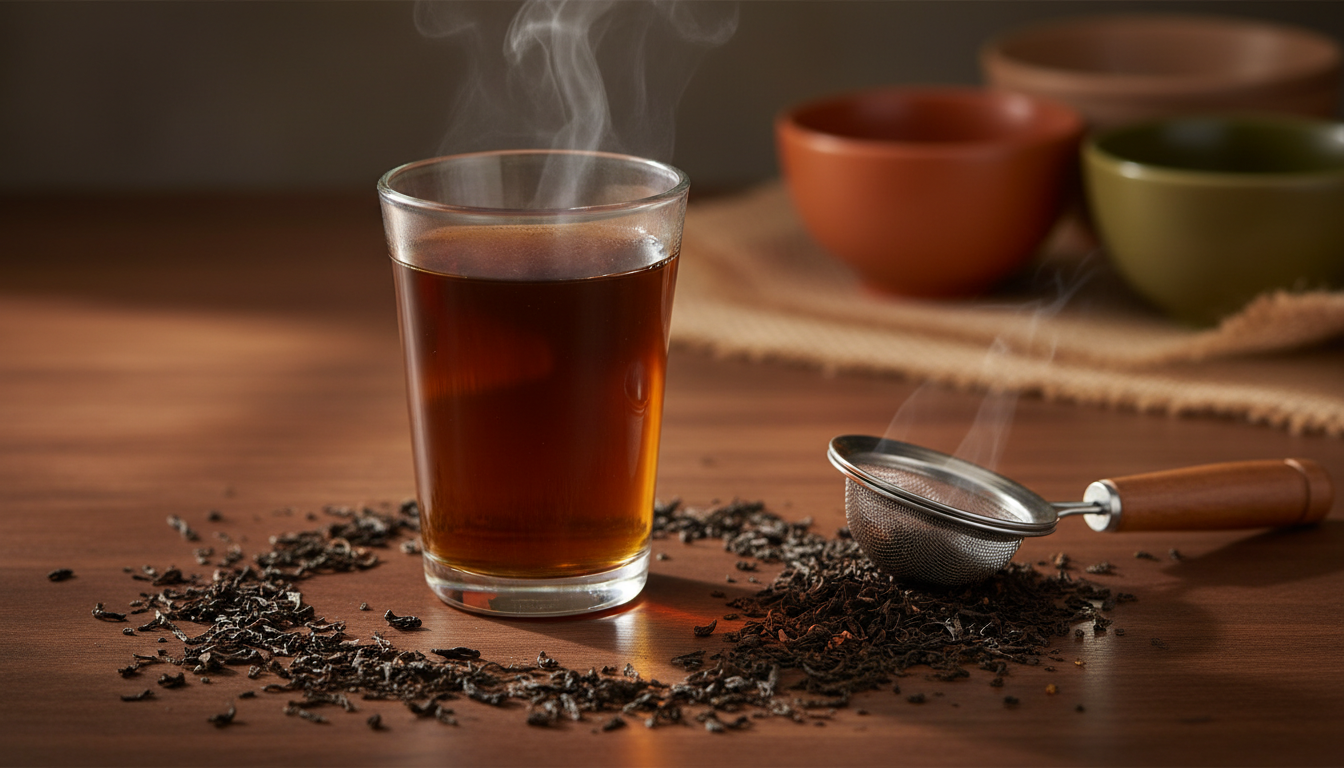
Black tea is fully oxidized Camellia sinensis. Compare Assam, Darjeeling, Keemun, and Ceylon varieties. Learn processing, brewing, and caffeine levels.
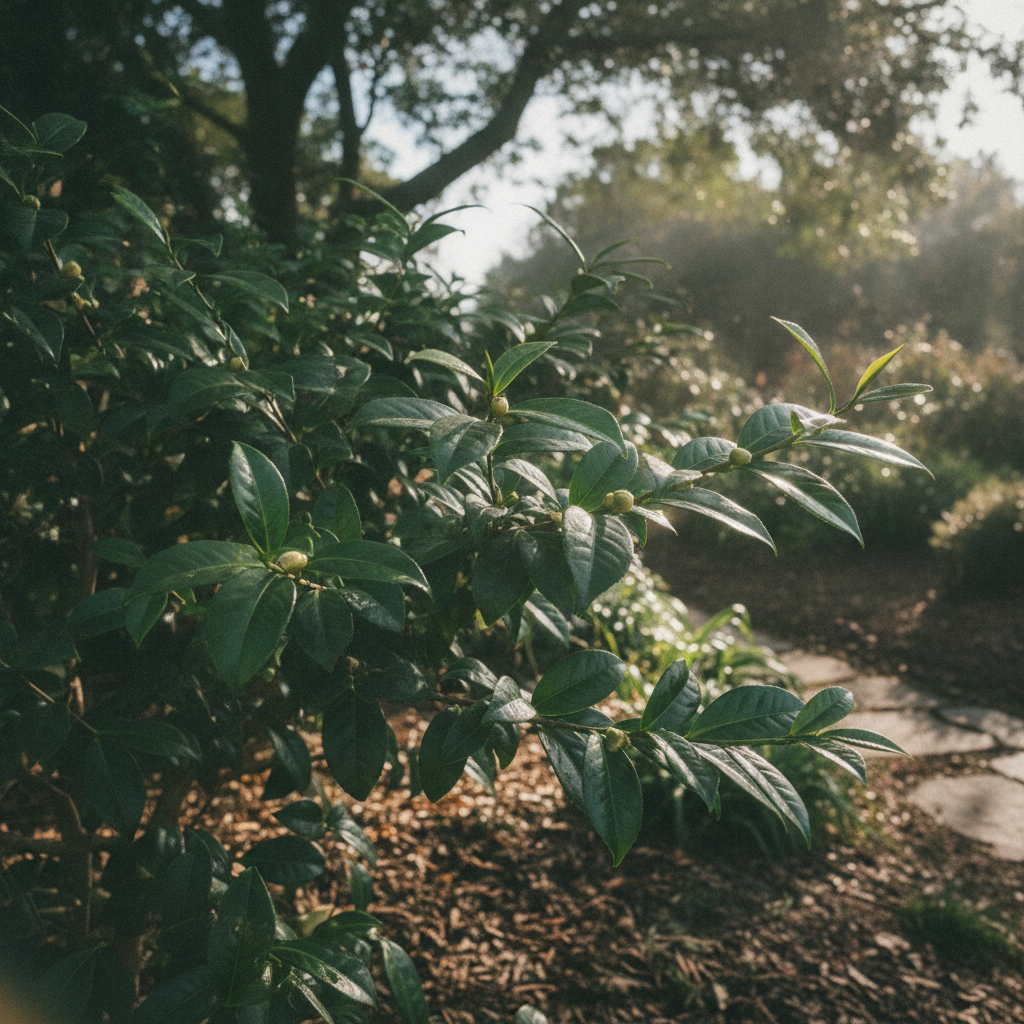

How To Grow Black Tea
Learn how to grow black tea at home: soil, climate, and the five processing steps from fresh leaf to a finished cup of black tea.

La saggezza è la via per un tè migliore.
Riceva la nostra guida gratuita all'infusione: acqua, temperatura e tempi giusti per ogni tè che vendiamo. E saprà per primo quando arrivano i nuovi raccolti.
Niente spam. Disiscrizione in qualsiasi momento.
Controlla la posta.
La guida è in arrivo.