













Marshmallow Root Tea: Taste, Origin and Brewing Guide
Marshmallow root tea is one of the oldest documented herbal preparations in European herbal tradition. The plant, Althaea officinalis, takes its genus name from the Greek word altho. People in the Mediterranean world were working with this root for at least 2,000 years.
I find it worth stocking because it does something structurally specific that most herbal teas do not: its mucilage gives the infusion a thick, slippery texture rather than relying on flavour compounds or volatile oils. That distinction matters for how you brew it and how you serve it.

What Is Marshmallow Root? Plant, Compound, and History
Marshmallow root comes from Althaea officinalis, a perennial herb in the Malvaceae family — the same botanical family as hibiscus, okra, and hollyhock. The plant is native to western Asia and Europe, and grows naturally across a wide range from Central Asia through the Mediterranean into Northern Africa. It is now cultivated commercially in Eastern Europe, Germany, and parts of North Africa for the herbal trade.

The constituent that defines this root’s character is mucilage: a class of complex polysaccharides that makes up a significant portion of the dry root weight. When mucilage makes contact with water, it swells and forms a viscous, gel-like substance. This is not an extract or a concentrated compound. It is present in the raw root and releases directly into a cold or warm infusion.
Historically, the herb appears in ancient Egyptian texts, in the writings of the Greek author Dioscorides, and throughout medieval European herbal traditions. The Roman naturalist Pliny the Elder wrote about the plant in his Natural History. By the 18th and 19th centuries, marshmallow root was a familiar item in the herb trade of several European countries. Note that the confection "marshmallow" was originally made using whipped root mucilage from this plant — the industrial sweet version dropped the herb entirely, keeping only the name.
The Mucilage: How It Behaves in the Cup
The defining quality of marshmallow root is physical, not aromatic. When you drink a marshmallow root infusion, the dissolved mucilage gives it a smooth, slightly slippery body in the mouth. That texture is what most people notice first, and it is the clearest sign of well-kept root.

This is not how most herbal teas get their character. Peppermint gets its cooling taste from menthol, a volatile compound. Chamomile contains apigenin, a flavonoid, alongside the volatile oils behind its apple-like aroma.
Marshmallow root’s character is simpler: it is mostly texture. That means the preparation method has a direct effect on the result in the cup — and cold water, counter-intuitively, extracts more mucilage than hot water.
Botanical references recommend cold infusion specifically for maximising mucilage yield — hot water degrades some polysaccharide structures. This is why a cold infusion feels noticeably thicker than a hot one.
We describe marshmallow root here by texture, flavour and preparation only. It is sold and brewed as a herbal tea, not as a medicine.
Brewing Marshmallow Root Tea Properly
How you brew marshmallow root determines how much mucilage you extract. The two methods produce noticeably different results.

Cold infusion is the method most botanical references recommend for maximising mucilage content. Use 1-2 teaspoons of dried root (roughly 2-4g) per 300ml of room-temperature or cold water. Stir briefly, cover, and leave for 4-8 hours — overnight in the refrigerator works well.
The liquid will become slightly thick and slippery, which is exactly what you want. Strain well before drinking.
Hot infusion works but extracts less mucilage. If you want a warm cup rather than a cold drink, use water at 70-80°C rather than boiling. Boiling water can degrade some of the polysaccharides and also extracts more tannins and starches from the root, which changes the texture and taste.
Steep for 10-15 minutes, covered, then strain. The result will be thinner than a cold infusion but still contains a noticeable amount of mucilage.
The flavour is mild and slightly earthy, with a faint sweetness that does not resemble the confection in any way. It blends well with licorice root (which adds sweetness and a rounder body), ginger, or a squeeze of lemon. To appreciate the texture, hold the liquid briefly in your mouth before swallowing.
We source marshmallow root with visible cut size and pale, firm root pieces as a baseline quality check. Root that has turned very dark, crumbled to powder, or produces no gel texture in the water has likely lost most of its mucilage through age or poor storage. The mucilage content is the whole point, so root quality is worth scrutinising.
Marshmallow Root in European Herbal Tradition
Marshmallow root, known in the herbal trade by its Latin name Althaea radix, has a long and well-recorded history of traditional use in Europe. We include that history here as background, not as a description of what the tea does.
Serving it is straightforward. A cold infusion held briefly in the mouth and then slowly swallowed lets you notice the full, slippery texture of the mucilage. Many people prefer sipping small amounts throughout the day rather than drinking a full cup at once.
A direct note on scope: marshmallow root tea is a herbal drink, not a medicine. It does not treat or prevent any illness. If you have persistent symptoms of any kind, see a doctor.
Historical Use and Root Quality
Marshmallow root has been part of European kitchen and herbal traditions for centuries. As a tea, its quality is judged mainly by the body it gives the water.
For a tea drinker, the most useful measure of marshmallow root is the texture in the cup.
We know from working with mucilage-rich roots that the quality of the root matters. Dried marshmallow root should have a firm, pale interior and produce a notably viscous cold infusion. Thin, powdery, or very old root that produces little to no texture in the cup has likely lost much of its mucilage through poor storage or age. If a marshmallow root infusion does not feel slightly slippery in the mouth, the root quality may be the issue rather than the preparation method.
Safety, Side Effects, and Who Should Be Cautious
Marshmallow root is generally considered safe for adults in normal tea quantities. It has a long record of use with no significant adverse effects documented at typical consumed quantities.
The most important practical consideration is drug absorption. Mucilage can slow the absorption of oral medications taken at the same time. The same mucilage that thickens the infusion can also affect absorption in the gut. Space any oral medications by at least two hours from marshmallow root tea, ideally taking medications first and drinking the tea later.
Pregnancy and breastfeeding: there is insufficient safety data to recommend marshmallow root during pregnancy. Avoid use without consulting a healthcare provider. This is not a documented risk — it is an absence of data, which in a conservative framework means the same thing practically.
Cross-reactivity within the Malvaceae plant family is possible but rare. If you have a known allergy to hibiscus, okra, or hollyhock, introduce marshmallow root cautiously and stop if any reaction occurs.
No significant interactions with common medications have been documented beyond the absorption-timing issue above, but this is a herb with limited modern pharmacological research. If you take any ongoing prescription medication, check with a pharmacist before adding marshmallow root to your routine.
Marshmallow root tea offers something specific and structural. The cold infusion method — 1-2 teaspoons in 300ml cold water, steeped overnight — extracts the most mucilage, which gives the cup its distinctive texture. Quality root makes a noticeable difference in the cup: a good cold infusion should feel distinctly viscous. Slow sipping shows off that texture better than drinking quickly.
Enjoy it as you would any herbal tea. Marshmallow root tea is not the most dramatic tea on the shelf, but few herbs are as easy to judge by texture alone. That simplicity is part of why it has stayed in European herbal tradition for two millennia.
Laat een reactie achter
Reacties worden goedgekeurd voor ze verschijnen.
I18n Error: Missing interpolation value "titel" for "Ook in {{ titel }}"
The Complete Guide to Drinking Tea
What tea is, how the main types differ in the cup, and how to brew each one properly. Water temperature, steeping times, storage and how to get more than one cup from your leaves.
Lees Meer

Black Tea: Types, Processing, and How to Brew It
Black tea is fully oxidized Camellia sinensis. Compare Assam, Darjeeling, Keemun, and Ceylon varieties. Learn processing, brewing, and caffeine levels.
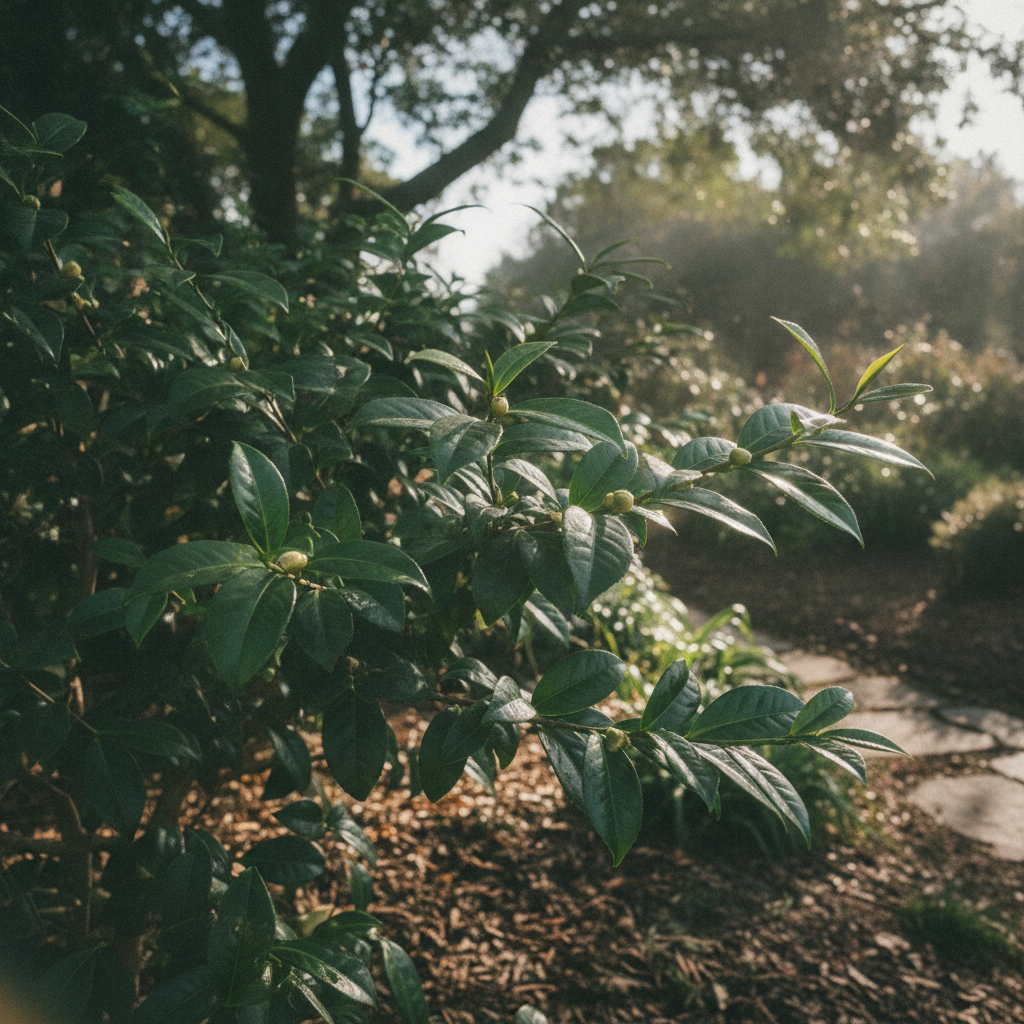

How To Grow Black Tea
Learn how to grow black tea at home: soil, climate, and the five processing steps from fresh leaf to a finished cup of black tea.

Wijsheid is de weg naar betere thee.
Ontvang onze gratis zetgids: het juiste water, de juiste temperatuur en de juiste trektijd voor elke thee die we verkopen. U hoort ook als eerste wanneer nieuwe oogsten binnenkomen.
Geen spam. U kunt zich altijd uitschrijven.
Kijk in uw inbox.
De gids is onderweg.