












The Complete Guide to Peppermint Tea
Peppermint tea is one of the most widely consumed herbal infusions in the world, and for good reason. It is intensely aromatic, immediately recognizable, and surprisingly easy to brew well. The menthol-driven cooling sensation that defines peppermint is not just a flavor — it is a physical experience in the cup, one that has made this herb a staple in kitchens, cafes, and tea collections for centuries.

Peppermint (Mentha x piperita) is a natural hybrid of watermint and spearmint. It does not exist as a wild species — it emerged from accidental cross-pollination and has been cultivated deliberately since at least the 18th century. The "x" in its botanical name marks it as a hybrid. This matters for tea drinkers because peppermint's defining characteristic — its high menthol content — is a direct result of this hybridization. Neither parent plant produces menthol in the same concentration.
This guide covers everything a tea drinker needs to know about peppermint tea: what it is, how it differs from spearmint, where the best peppermint grows, how to brew it properly, and what separates quality peppermint from the dusty contents of a commodity tea bag. Valley of Tea carries organic peppermint in our herbal range, and as tea merchants, we know what to look for in this deceptively simple herb.
What Is Peppermint Tea
Peppermint tea is an herbal infusion — a tisane — made by steeping the dried or fresh leaves of Mentha x piperita in hot water. It contains no Camellia sinensis and is therefore not technically "tea," but like rooibos and chamomile, the name has stuck through universal usage.
The plant itself is a perennial herb that grows 30–90 cm tall with square stems (a characteristic of the mint family), serrated dark green leaves, and small purple flower spikes. For tea production, the leaves are harvested just before flowering, when essential oil concentration peaks. The primary active compound is menthol, which typically makes up 35–50% of the essential oil in well-grown peppermint. This is what produces the cooling sensation on the palate and in the sinuses.
Peppermint has a long history of use in traditional herbalism across Europe, the Middle East, and North Africa. The ancient Egyptians, Greeks, and Romans all used mint preparations, though they likely worked with various mint species rather than the specific hybrid we call peppermint today. The deliberate cultivation and commercial production of Mentha x piperita began in England around 1750, in the Mitcham area of Surrey, which became so famous for its peppermint that "Mitcham mint" remains a reference standard for quality.
Today, peppermint tea is consumed globally and ranks among the top three herbal teas by volume, alongside chamomile and hibiscus. It is naturally caffeine-free, making it suitable for evening drinking, and its bold flavor means it works well on its own without blending or sweetening.
Peppermint vs Spearmint
These two mints are often confused, but they are meaningfully different in both chemistry and flavor. If you enjoy the softer side of mint, Valley of Tea's spearmint is worth exploring alongside peppermint.
Menthol content. This is the key distinction. Peppermint essential oil contains 35–50% menthol. Spearmint essential oil contains less than 1% menthol. Instead, spearmint's dominant compound is carvone, which produces a sweeter, gentler flavor without the intense cooling effect. If you steep a cup of each side by side, the difference is immediately obvious.
Flavor profile. Peppermint is bold, sharp, and cooling. It hits the front of the palate with a menthol punch and leaves a lasting cool aftertaste. Spearmint is softer, sweeter, and more herbaceous — closer to what most people think of as "minty" in the culinary sense. Spearmint is the mint in mojitos, tabbouleh, and most mint sauces. Peppermint is the mint in after-dinner mints and mentholated products.
Appearance. Peppermint leaves are darker green, more pointed, and sit on shorter stems. Spearmint leaves are lighter green, more rounded, and slightly crinkled. In dried form, the difference is harder to spot, but peppermint's aroma gives it away instantly — crack a dried leaf between your fingers and the menthol is unmistakable.
In tea. Peppermint makes a more intense, invigorating cup. Spearmint makes a milder, sweeter cup that some people prefer for evening drinking because it feels less stimulating, even though both are caffeine-free. For those who find peppermint too strong, spearmint is a legitimate alternative — not a lesser product, just a different one.
Blending. Spearmint blends more easily with delicate ingredients because it does not overpower. Peppermint dominates any blend it enters, which is why it works best paired with equally bold flavors or used as the primary ingredient.
Where Peppermint Grows

Peppermint is cultivated commercially across several regions, each producing leaf with distinct characteristics.
United States. The Pacific Northwest — particularly Oregon, Washington, and Idaho — is the world's largest peppermint production region. The volcanic soils and long summer daylight hours produce peppermint with exceptionally high menthol content. Most US production goes to the essential oil industry for flavoring and pharmaceuticals rather than tea, but the leaf quality is excellent.
Egypt. A major exporter of peppermint specifically for the tea market. Egyptian peppermint benefits from the Nile Delta's fertile soil and abundant sunshine. The flavor is clean and well-balanced, with good menthol punch but without the sharpness that some high-altitude mints develop. Much of the organic peppermint available in Europe comes from Egyptian growers.
Germany and Eastern Europe. Germany has a long tradition of peppermint cultivation, particularly in the Bavarian and Thuringian regions. Polish and Bulgarian peppermint is also well-regarded. European-grown peppermint often has a slightly more herbaceous, complex profile compared to the cleaner Egyptian leaf.
India. Uttar Pradesh is a significant producer, primarily for the menthol extraction industry. Indian peppermint can be very high in menthol but is less commonly sold as whole-leaf tea.
Morocco and Portugal. Morocco is a significant mint-growing country, but much of its production is spearmint (nana mint) rather than true peppermint — the mint used in traditional Moroccan mint tea is a spearmint-and-gunpowder-green-tea blend. That said, Morocco does produce peppermint for the export market, and the leaf quality can be good. Portugal is a lesser-known source worth noting: Atlantic climate and well-managed organic farms produce peppermint with a clean, well-balanced profile.
Valley of Tea sources our peppermint from Morocco or Portugal depending on the harvest, choosing the lot that best delivers on menthol intensity and aroma rather than committing to a single origin regardless of quality.
Quality in peppermint correlates with growing conditions: adequate water, well-drained soil, and harvest timing. Peppermint harvested just before flowering — when the essential oil glands in the leaves are at peak concentration — produces the best tea. Late-harvested or post-flowering peppermint loses menthol content and develops a stemmier, more bitter character.
What Peppermint Tea Tastes Like

Peppermint tea has one of the most immediately recognizable flavor profiles of any infusion.
Menthol cooling. The defining characteristic. From the first sip, there is a cooling sensation across the tongue and palate that intensifies as the tea is swallowed. This is not just flavor — menthol activates cold-sensitive receptors in the mouth, creating a genuine cooling effect even in hot liquid. It is this sensation that makes peppermint tea feel "refreshing" in a way that no other herbal tea replicates.
Sweetness. Good peppermint has a natural sweetness behind the menthol — not sugary, but enough to round out the cup. This sweetness comes from the balance of essential oil compounds and is a marker of quality. Cheap peppermint is more bitter and one-dimensional.
Herbaceous depth. Beneath the menthol and sweetness, there are green, slightly grassy notes reminiscent of fresh-cut herbs. This herbaceous character is more pronounced in whole-leaf peppermint and fades in dust-grade material.
Clean finish. Unlike many herbal teas that linger or leave an aftertaste, peppermint finishes clean. The cooling sensation persists, but there is no lingering bitterness, dryness, or cloying sweetness. This clean finish is why peppermint works so well after meals.
What to watch for. Stale peppermint loses its menthol punch and becomes flat and papery. Oversteeped peppermint (beyond 8–10 minutes) can turn bitter and astringent as tannins extract. Low-quality peppermint — typically tea-bag dust with excessive stem content — produces a thin, one-note cup that misses the complexity of whole-leaf.
When we compare our peppermint to commodity material, the difference is immediately obvious: our leaf is richer, with distinct layers to the flavour rather than a single flat menthol note. The thirst-quenching, refreshing mint aroma is the part that stands out most — it stays present from the first sip through the finish in a way that commodity peppermint simply does not deliver.
How to Brew Peppermint Tea

Peppermint is forgiving to brew, but getting the details right makes a significant difference.
Water temperature: 95–100 °C. Unlike green or white tea, peppermint does not become bitter at high temperatures. Boiling or near-boiling water is ideal because it extracts the essential oils fully. Using cooler water produces a weaker, less aromatic cup.
Amount: 2–3 grams per 250 ml cup. For loose-leaf peppermint, this is roughly one heaped teaspoon. Peppermint leaves are light and voluminous, so measuring by weight is more reliable than by volume. If you are using fresh leaves, double the amount — fresh leaves contain water weight that dilutes the concentration.
Steep time: 5–7 minutes. This is longer than most true teas and appropriate because herbal infusions need more time to release their compounds. Five minutes produces a bright, aromatic cup. Seven minutes gives more body and intensity. Beyond 8–10 minutes, bitterness can develop, though peppermint is more forgiving than most herbs.
Cover the cup while steeping. This is the single most important and most overlooked step. Peppermint's essential oils — the compounds that give it flavor and aroma — are volatile. They evaporate with the steam. If you steep peppermint in an open cup, a meaningful portion of the menthol and other aromatics escape into the air rather than staying in your tea.
We always cover the cup — a lid, a saucer, or a teapot all work — both to retain the essential oils and to keep the temperature stable through the steep. You will notice the difference immediately.
Water quality. Filtered water is better than hard tap water for any tea, and peppermint is no exception. Chlorine in particular dulls the bright, clean top notes that make peppermint appealing.
Iced peppermint tea. Brew double strength (4–5 grams per 250 ml) with hot water, steep for 7 minutes covered, then pour over ice. This produces a much better iced peppermint tea than cold-brewing, which tends to under-extract the menthol. Alternatively, brew a standard-strength pot and refrigerate it — peppermint keeps well cold for 24–48 hours.
Fresh vs Dried Peppermint
Both forms make excellent tea, but they produce different cups.
Fresh peppermint has a greener, more herbaceous flavor with a lighter menthol character. The aroma is more complex — you get chlorophyll, vegetal notes, and a freshness that dried leaf cannot replicate. Fresh peppermint requires more material (roughly double the weight) because of its water content, and it steeps slightly faster because the cell structures are intact and release compounds readily.
To brew fresh peppermint tea: take 8–10 fresh leaves, gently bruise them by pressing between your fingers or lightly muddling, place in a cup or pot, add boiling water, cover, and steep for 4–5 minutes. Bruising is important — it breaks cell walls and releases the essential oils.
Dried peppermint has a more concentrated, intense menthol punch. The drying process removes water and concentrates the volatile oils while also changing the flavor profile slightly — you lose the green, chlorophyll notes and gain more of a warm, toasty depth. High-quality dried peppermint should still be vividly aromatic when you open the bag. If it smells flat or like dry hay, it is past its prime.
Dried peppermint is more practical for most people: it stores for months, requires less material per cup, and delivers a more consistent result. Fresh peppermint is a seasonal pleasure — lovely in summer when the plant is abundant, but not a replacement for a good dried leaf in your daily rotation.
Peppermint in Blends
Peppermint is a powerful blending ingredient, but its intensity means it must be used carefully.
Moroccan Mint Tea
The most famous mint tea blend in the world is not actually a peppermint blend. Traditional Moroccan mint tea combines Chinese gunpowder green tea with fresh spearmint (nana mint) and generous amounts of sugar. The green tea provides body and light caffeine, the spearmint adds sweetness and aroma, and the sugar — which is essential to the traditional preparation — balances the slight bitterness of the green tea.
However, many Western adaptations of "Moroccan mint" use peppermint instead of spearmint, often with less sugar. This produces a sharper, more menthol-forward cup that is enjoyable but not authentic. If you want to explore the traditional version, use spearmint. If you prefer a bolder mint kick, peppermint works.
Digestive Blends
Peppermint appears in many herbal blends marketed for after-meal drinking. Common companions include fennel, ginger, chamomile, and liquorice root. These are traditional combinations that have been used across European and Middle Eastern herbalism for centuries. The menthol in peppermint provides the cooling, clean sensation that feels appropriate after eating, while the companion herbs add complementary warmth and sweetness.
Research published in Phytotherapy Research supports peppermint's reputation as a digestive herb: a comprehensive review of peppermint's physiological effects found it acts on smooth muscle via calcium channel blockade and modulates visceral sensitivity — mechanisms consistent with the traditional after-meal use.
Chocolate Mint
The combination of peppermint and cacao or chocolate is classic for a reason — menthol and chocolate share certain aromatic compounds that complement each other. Some herbal blends combine peppermint with cacao nibs or carob for a caffeine-free "after dinner mint" experience. These work best when the peppermint is the dominant note, with the chocolate as an accent rather than co-equal.
Peppermint with Black Tea
Adding a few peppermint leaves to black tea — particularly a robust Assam or a clean Ceylon — creates a surprisingly balanced cup. The peppermint brightens the tea and adds freshness without overwhelming the malt and tannin structure. This is common in some North African and Middle Eastern tea traditions and worth experimenting with if you enjoy both flavors.
Blending at Home
When blending peppermint with other herbs, keep the peppermint at 30–40% of the total blend by weight. Above that, it dominates everything else. Below 20%, it fades into the background and reads as a vague "freshness" rather than a distinct peppermint note. The exceptions are very assertive partners like ginger or liquorice root, which can stand up to a higher peppermint ratio.
Peppermint Tea and Caffeine
Peppermint tea is completely caffeine-free. The peppermint plant does not produce caffeine, and no amount of steeping will change this. This is one of the main reasons people choose peppermint for evening drinking — it delivers a bold, satisfying flavor without any stimulant effect.
The perceived "energizing" quality that some drinkers report from peppermint tea is not from caffeine. It is the menthol. The cooling sensation in the mouth and sinuses creates a feeling of alertness and freshness, particularly when drinking peppermint first thing in the morning or during an afternoon slump. This is a sensory effect, not a pharmacological one, but it is real enough that many people use peppermint tea as a mid-afternoon pick-me-up despite its zero caffeine content. A 2025 randomized placebo-controlled trial published in Journal of Clinical Gastroenterology (2018) found that peppermint tea improved cognitive performance and cerebrovascular activity compared to placebo — supporting the everyday experience many drinkers report.
If you want mint flavor with caffeine, blend peppermint with green or black tea. A 50/50 blend of peppermint and green tea gives a lighter caffeine dose with mint freshness. Peppermint with a strong breakfast black tea delivers more caffeine alongside the menthol cooling.
Growing Your Own Peppermint
Peppermint is one of the easiest herbs to grow, and one of the hardest to control.
Propagation. Because peppermint is a sterile hybrid, it cannot be grown from seed. Any "peppermint seeds" sold online are either spearmint, another mint species, or simply fraudulent. True peppermint is propagated from cuttings or root divisions. Buy a small plant from a reputable herb nursery, or take a cutting from an established plant — mint roots readily from stem cuttings placed in water.
Growing conditions. Peppermint tolerates a wide range of conditions but performs best in moist, well-drained soil with partial to full sun. It handles shade better than most herbs and actually prefers some afternoon shade in hot climates. The plant is cold-hardy and survives winter in most temperate climates, dying back to the roots and returning in spring.
Containment. This is the critical point. Peppermint spreads aggressively through underground runners (stolons) and will colonize every available square centimeter of garden if not contained. Grow it in pots, raised beds with barriers, or a dedicated bed where you do not mind it taking over. Even in pots, it will try to escape through drainage holes and over the edges.
Harvesting for tea. Cut stems in the morning after the dew has dried, when essential oil concentration is highest. Harvest before the plant flowers for maximum menthol content. Cut stems about one-third of the way down — this encourages bushy regrowth. You can harvest repeatedly through the growing season; most plants tolerate three or four cuts per year.
Drying. Bundle stems and hang upside down in a warm, dry, dark space with good airflow. Drying takes 5–10 days depending on conditions. Alternatively, use a food dehydrator at 35–40 °C. Once dry, strip the leaves from the stems — stems are bitter and add nothing to the cup. Store dried leaves in an airtight container away from light.
A single pot of peppermint can provide enough fresh leaves for daily tea throughout the growing season and, if dried properly, enough stored leaf for several months of winter brewing.
How to Store Peppermint Tea
Peppermint's essential oils are volatile — they degrade with exposure to air, light, heat, and moisture. Proper storage directly affects how long your peppermint stays flavorful.
Airtight container. This is non-negotiable. Once the bag is open, transfer peppermint to a jar, tin, or bag with a solid seal. Every time air reaches the leaf, essential oils evaporate. A zip-lock bag is adequate. A vacuum-sealed container is better.
Tin caddies with tight-fitting lids work well and block light simultaneously.
Cool and dark. Store peppermint away from heat sources and out of direct sunlight. A kitchen cupboard is fine. Next to the stove or on a windowsill is not. Heat accelerates volatilization of the essential oils, and UV light degrades both flavor and color.
Away from strong odors. Dried herbs absorb surrounding aromas. Do not store peppermint near coffee, spices, or cleaning products. The reverse is also true — peppermint's strong aroma can transfer to neighboring foods.
Shelf life. Properly stored dried peppermint retains good flavor for 12–18 months. It does not become unsafe after this period, but the menthol content drops noticeably, and the cup becomes progressively duller. If your peppermint no longer releases a strong menthol aroma when you open the container, it is time to replace it.
Fresh peppermint. Wrap in a damp paper towel, place in a loosely sealed bag, and refrigerate. Used within a week. Alternatively, place stems in a glass of water like cut flowers — this keeps them fresh for 4–5 days at room temperature.
How to Buy Quality Peppermint Tea

Not all peppermint tea is equal. Here is what separates good peppermint from bad.
Whole leaf vs dust. The single biggest quality indicator. Whole or large-cut peppermint leaves brew a more complex, aromatic cup with better menthol delivery. Dust-grade peppermint — the material in most standard tea bags — has been crushed so fine that much of the essential oil has already volatilized during processing and packaging. If your peppermint comes in a tea bag and looks like green powder, it is dust grade.
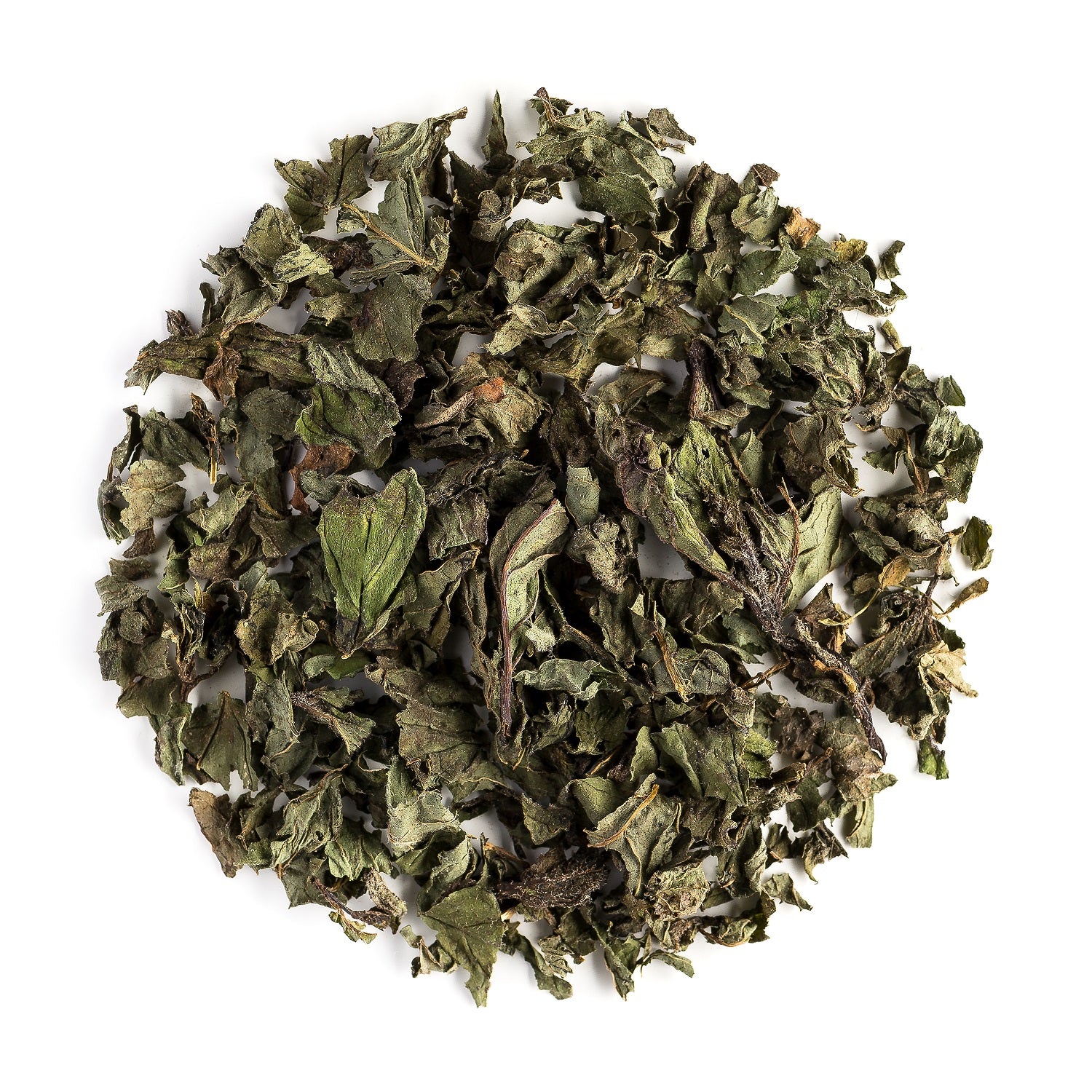
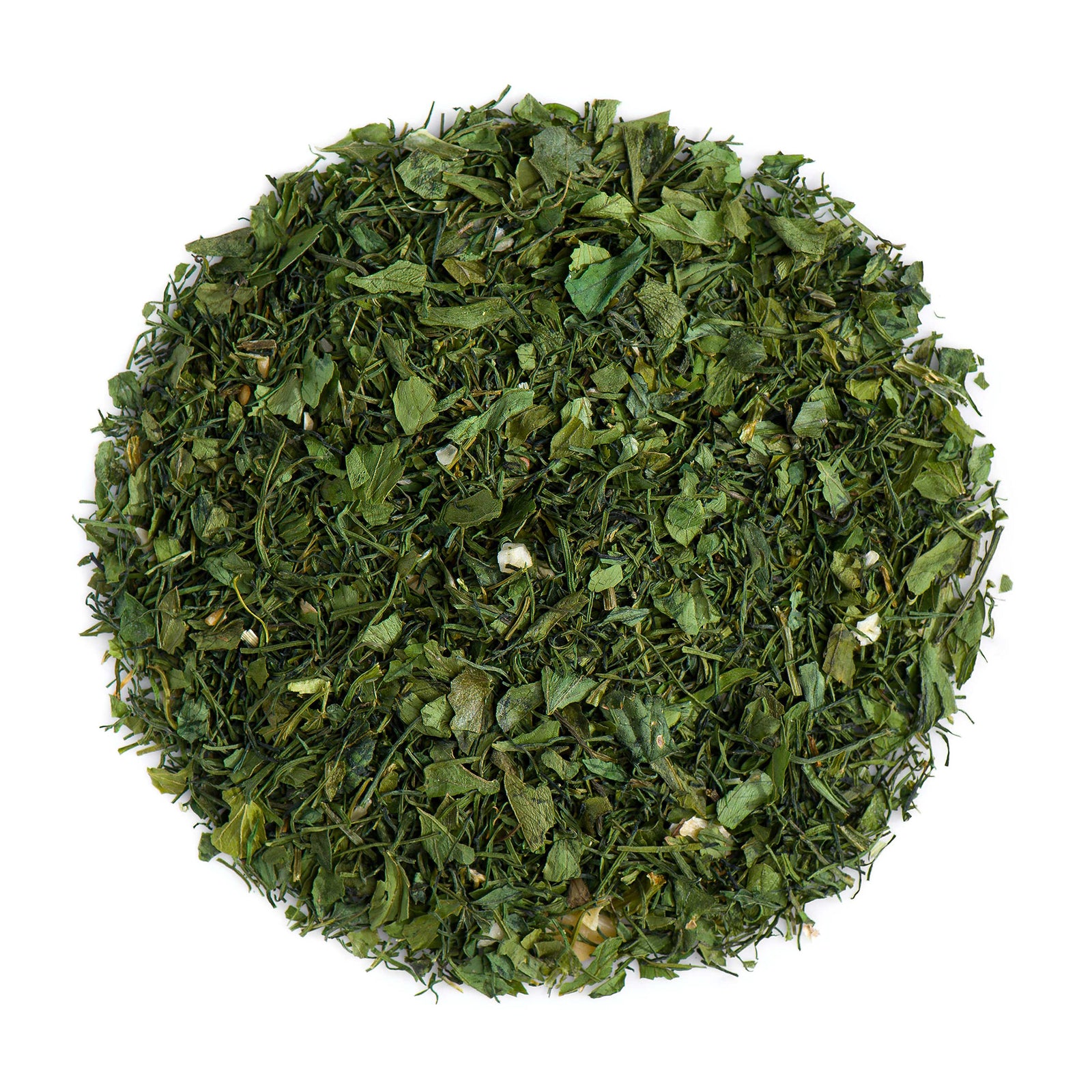
Color. Quality dried peppermint is a vivid green, sometimes with purple-tinged edges. Brownish, dull, or yellowed leaves indicate age, poor drying, or excessive stem content. Some browning is normal in older stock, but a fresh, well-processed peppermint should look alive.
Aroma. Open the bag and inhale. Good peppermint delivers an immediate, intense menthol hit. If you have to search for the aroma, the peppermint is either old or low in essential oil content. This is the most reliable quality test available without brewing.
Stem content. Stems are bitter and contain far less essential oil than leaves. A quality peppermint product should be predominantly leaf material. Some stem is inevitable, but if you see more stems than leaves, the product is low grade.
Organic certification. Peppermint is not a heavily sprayed crop compared to many agricultural products, but organic certification provides assurance of growing practices and is worth seeking. Valley of Tea's peppermint is certified organic and sourced from Morocco or Portugal — we select the harvest that performs best on menthol intensity and aroma rather than committing to a single country regardless of quality.
Origin. Egyptian, European, Pacific Northwest, and North African peppermint can all produce excellent tea. The key is that the supplier knows and can tell you where the peppermint comes from. Unnamed "product of multiple countries" sourcing is common in commodity tea bags and usually indicates blending of whatever is cheapest at the time, regardless of quality. A peer-reviewed review of peppermint tea's bioactivity and health benefits notes that menthol content — the quality marker that matters most — varies significantly by origin and growing conditions.
Loose leaf vs tea bags. Loose-leaf peppermint is almost always superior to tea-bag peppermint. The leaves are larger, more intact, and have retained more essential oil. Tea bags are convenient, but you pay for that convenience with flavor. If you do use tea bags, look for those with larger leaf pieces visible through the bag material — pyramid bags tend to contain better-grade material than flat paper bags.
Peppermint Tea FAQ
Is peppermint tea good before bed?
Peppermint is caffeine-free, so it will not keep you awake through stimulant effects. Many people drink it as an evening tea. However, the menthol creates a sensation of alertness that some find counterproductive to winding down. If you find peppermint too invigorating at night, chamomile or rooibos may be better bedtime choices.
Can I drink peppermint tea every day?
Peppermint tea is consumed daily by millions of people worldwide. It is a food product with a long history of regular consumption. As with any food, individual tolerance varies.
How many cups of peppermint tea can I drink per day?
There is no established upper limit for peppermint tea as a beverage. Most regular drinkers consume 2–4 cups daily without issue. Listen to your body — if you experience any discomfort, reduce your intake.
Is peppermint tea the same as mint tea?
"Mint tea" is a broad term that can refer to any mint species. Peppermint tea specifically uses Mentha x piperita. Spearmint, watermint, apple mint, and other species all produce different flavors. When buying "mint tea," check the ingredients — if it just says "mint" without specifying the species, it could be anything.
Can I resteep peppermint tea?
You can, but the second steep is significantly weaker than the first. Most of the essential oils extract in the initial steep. A second steep at the same temperature for 5–7 minutes will produce a lighter, more herbaceous cup with less menthol. A third steep is rarely worthwhile.
Does peppermint tea have calories?
Virtually zero. A cup of unsweetened peppermint tea contains 1–2 calories at most, from trace plant compounds. It is effectively a zero-calorie beverage.
Can I cold-brew peppermint tea?
You can, but the result is milder than hot-brewed peppermint. Menthol extracts less efficiently in cold water. For cold peppermint tea, hot-brewing at double strength and chilling over ice produces a far better result than cold steeping.
What is the difference between peppermint tea and peppermint oil?
Peppermint essential oil is a concentrated extraction containing far higher menthol levels than tea. Peppermint oil is used in aromatherapy, food flavoring, and certain supplements. Peppermint tea is simply dried leaves steeped in water — a food and beverage, not a concentrated extract. They are not interchangeable.
Conclusion
Peppermint tea succeeds because it delivers exactly what it promises: a bold, clean, cooling cup with no caffeine, no bitterness when brewed correctly, and no need for additives. It is one of the few herbal infusions that satisfies on its own, without blending, sweetening, or diluting.
The difference between mediocre peppermint and good peppermint is not subtle. Vivid green whole leaves, intense menthol aroma, a cup that cools the palate and clears the sinuses — these are markers of quality that you will recognize once you have experienced them. The flat, papery, one-note cup from a commodity tea bag is not what peppermint tea is supposed to taste like.
Brew it hot with a lid on. Steep it for five to seven minutes. Use enough leaf — 2–3 grams per cup — and use good water. These small steps matter. Peppermint is a simple herb, but treating it with the same care you would give a fine green tea or oolong rewards you with a cup that is genuinely satisfying — morning, afternoon, or after dinner. Browse our organic peppermint to get started.
Related Articles
Teas Featured in This Article

Laat een reactie achter
Reacties worden goedgekeurd voor ze verschijnen.
I18n Error: Missing interpolation value "titel" for "Ook in {{ titel }}"
The Complete Guide to Drinking Tea
What tea is, how the main types differ in the cup, and how to brew each one properly. Water temperature, steeping times, storage and how to get more than one cup from your leaves.
Lees Meer

Black Tea: Types, Processing, and How to Brew It
Black tea is fully oxidized Camellia sinensis. Compare Assam, Darjeeling, Keemun, and Ceylon varieties. Learn processing, brewing, and caffeine levels.

How To Grow Black Tea
Learn how to grow black tea at home: soil, climate, and the five processing steps from fresh leaf to a finished cup of black tea.

Wijsheid is de weg naar betere thee.
Ontvang onze gratis zetgids: het juiste water, de juiste temperatuur en de juiste trektijd voor elke thee die we verkopen. U hoort ook als eerste wanneer nieuwe oogsten binnenkomen.
Geen spam. U kunt zich altijd uitschrijven.
Kijk in uw inbox.
De gids is onderweg.