













What Is Pu-erh Tea? History, Aging & Brewing
Pu-erh tea is unlike anything else in the tea world. While most teas are prized for freshness, pu-erh gains complexity and value with age. A well-stored cake from the 1990s can sell for thousands of dollars. A factory-fresh pressing costs a few euros. Both are pu-erh, yet they deliver entirely different experiences in the cup.
This is a tea with roots stretching back over a thousand years, tied to one of Asia's greatest trade networks. It is produced exclusively in Yunnan province, China, from large-leaf tea trees that can be centuries old. And it is the only tea that undergoes true microbial fermentation, a process that transforms its character in ways no other tea can replicate.

Whether you are encountering pu-erh for the first time or looking to deepen your understanding, this guide covers the essentials: what pu-erh is, how it came to be, how it is processed, where it grows, and what to expect when you brew your first cup.
What Is Pu-Erh Tea?
Pu-erh is a post-fermented tea produced in Yunnan province, southwestern China. It is made from Camellia sinensis var. assamica, a large-leaf varietal native to the subtropical forests of Yunnan. The name comes from the city of Pu'er (formerly Simao), which served as a major trading hub for this tea for centuries.
What sets pu-erh apart from green, black, or oolong tea is fermentation. Not the oxidation that produces black tea, but actual microbial fermentation driven by bacteria and fungi. This biological activity changes the tea's chemical structure over time, producing flavors and aromas found nowhere else in the tea world: earthy, woody, leathery, sweet, and sometimes reminiscent of damp forest floor or aged wood. Research published in Food Chemistry (2022) confirms that pu-erh contains a unique constellation of bioactive compounds — including theabrownins, polysaccharides, and statins — that are produced specifically through this fermentation process.
Pu-erh is sold in two main categories: sheng (raw) and shou (ripe). Sheng pu-erh is the traditional form, designed to age slowly over years and decades. Shou pu-erh is a modern invention that accelerates the fermentation process to produce a darker, mellower tea in a matter of weeks. Both begin with the same raw material but diverge dramatically in processing and flavor.
The tea is typically compressed into cakes (bing), bricks (zhuan), or nest shapes (tuo), though loose-leaf pu-erh also exists. Compression originally served a practical purpose: it made the tea easier to transport on horseback across mountain trails. Today, it also creates the anaerobic conditions that support slow aging.
The Ancient Tea Horse Road
Pu-erh's history is inseparable from the Tea Horse Road (Cha Ma Gu Dao), a network of caravan routes that connected Yunnan's tea-producing regions to Tibet, Southeast Asia, and beyond. These routes predate the more famous Silk Road in tea trade, with evidence of organized tea transport dating to the Tang Dynasty (618–907 CE).
The trade worked on a simple exchange. Yunnan had tea. Tibet had horses. The high-altitude Tibetan plateau offered no conditions for growing tea, but Tibetan culture depended on it. Yak butter tea, made with compressed tea bricks, salt, and yak butter, provided essential calories and nutrients at altitude. Yunnan's horses, meanwhile, were prized by Chinese military commanders.

Caravans of mules and horses carried compressed tea cakes along narrow mountain trails at elevations exceeding 4,000 meters. The journey from Yunnan to Lhasa took roughly three months. During that time, the tea underwent changes. The moisture, altitude shifts, and temperature fluctuations triggered slow fermentation in the compressed leaves. Tea that arrived in Tibet was different from what had left Yunnan. Traders and consumers noticed: the transformed tea was smoother, sweeter, and more complex.
This accidental aging process became intentional. By the Qing Dynasty (1644–1912), pu-erh had gained imperial recognition. The Yongzheng Emperor formally established Pu'er Prefecture as an administrative region in 1729, partly due to the economic importance of its tea trade. Pu-erh became a tribute tea sent to the imperial court in Beijing.
The Tea Horse Road declined in the twentieth century as modern transportation replaced caravan routes. But the tea it carried endured, and the understanding that pu-erh improves with age became central to its identity.
Sheng vs Shou Processing: Raw and Ripe Pu-Erh
All pu-erh starts the same way. Fresh leaves are harvested, withered briefly, then fired in a large wok (sha qing or "kill-green") at a lower temperature than green tea processing. This step reduces but does not eliminate enzyme activity, preserving the tea's ability to change over time. The leaves are then rolled and sun-dried to produce a base material called maocha.
From this point, sheng and shou diverge.
Sheng (raw) pu-erh takes the traditional path. The maocha is steamed to make it pliable, compressed into cakes or other shapes, and then stored. There is no additional processing step. The fermentation happens naturally over years, driven by ambient microorganisms, humidity, and temperature.
A young sheng pu-erh (under five years) can be intensely bitter, astringent, and vegetal. With a decade or more of proper storage, those aggressive qualities mellow into something layered and complex: dried fruit, honey, aged wood, camphor.

Shou (ripe) pu-erh was invented in 1973 at the Kunming Tea Factory, with the technique perfected at the Menghai Tea Factory. The innovation was a process called wo dui (wet piling). Maocha is piled in heaps, moistened, and covered with thermal blankets. The pile heats up through microbial activity, reaching temperatures of 40–60 degrees Celsius. Workers turn the piles regularly over 45–60 days to control the fermentation. The result is a tea that mimics the characteristics of decades-old sheng in a fraction of the time: dark liquor, smooth body, earthy flavors without bitterness.
Shou was created to meet market demand. Aged sheng pu-erh was expensive and scarce. Shou made the dark, smooth pu-erh character accessible and affordable. Both styles are legitimate and valued, though they offer different experiences. Sheng rewards patience and offers dramatic evolution over time. Shou delivers immediate drinkability and consistency.
The microbial communities behind both styles have been mapped in detail. A PLOS ONE study using high-throughput sequencing identified 390 fungal and 629 bacterial OTUs in pu-erh samples, showing that aging causes significant shifts in the microbial community of raw pu-erh — one key reason why young and aged sheng taste so different.
Famous Pu-Erh Regions
Pu-erh production is concentrated in southern and western Yunnan, in areas with the warm, humid climate that Camellia sinensis var. assamica requires. Three regions dominate the conversation among serious drinkers.
Menghai sits in the Xishuangbanna Dai Autonomous Prefecture and is arguably the capital of the pu-erh world. The Menghai Tea Factory (Dayi brand) is the most recognized producer globally. The region's lower elevation and tropical climate produce teas known for strength and body. Menghai pu-erhs are bold, with pronounced bitterness in youth that transforms into deep sweetness with age. The area includes famous tea mountains such as Nannuo and Hekai.
Yiwu occupies the eastern edge of Xishuangbanna and has the longest documented history of pu-erh production. During the Qing Dynasty, Yiwu was the primary source of imperial tribute tea. The teas here lean toward elegance rather than power. Yiwu sheng pu-erh is typically softer, sweeter, and more aromatic from the start, with flavors often described as honey, stone fruit, and floral.
It ages gracefully, developing complexity without the aggressive phase that Menghai teas go through. Key villages include Mahei, Guafengzhai, and Yibang.

Bulang Mountain produces some of the most intense pu-erh available. Located in Menghai County, this area is home to ancient tea gardens cultivated by the Bulang ethnic minority. The teas are known for extreme bitterness and astringency in their youth, a quality that dedicated collectors prize because it indicates strong aging potential. A Bulang pu-erh with fifteen or twenty years of age can develop distinctive depth and a persistent, sweet aftertaste (huigan) that lingers for minutes.
Other notable areas include Jingmai (known for orchid-like aroma), Bangwei (wild, untamed character), and Lincang (particularly the Bingdao village, whose teas command premium prices for their sweetness and cooling sensation).
Aging Pu-Erh: Cakes, Bricks, and Tuos
Pu-erh is most commonly sold in compressed forms, each with its own history and practical characteristics.
The bing cha (cake or disc) is the standard format. A typical cake weighs 357 grams, a figure inherited from the Qing Dynasty trade system: seven cakes formed a tong (wrapped stack), and 12 tongs made a jian (bamboo basket), totaling roughly 30 kilograms — one mule's load. Cakes offer a good balance of surface area and density for aging.
Zhuan cha (bricks) are rectangular blocks, usually 250 grams or 1 kilogram. Bricks were the primary format for the Tea Horse Road because they packed efficiently onto horses. They tend to be compressed more tightly than cakes, which slows the aging process slightly.
Tuo cha (bowl or nest shape) typically weighs 100 or 250 grams. The concave bottom allows air circulation when tuos are stacked. Smaller tuos (sometimes called mini tuos at 5–8 grams) are convenient for single servings but age poorly due to their high surface-area-to-volume ratio.
For aging to work properly, storage conditions matter enormously. Pu-erh needs moderate humidity (60–75%), stable temperatures (20–30 degrees Celsius), clean air circulation, and absence of strong odors. We store our aged pu-erh here in Belgium under open-air conditions — no sealed cabinet, no climate control beyond what a temperate northern European climate provides.

The Belgian climate is moderate enough that this works well: not too humid, not too dry. The main rules we follow are simple: keep the tea away from strong smells, and keep it away from excessive moisture. Pu-erh absorbs the scent of anything stored near it, so a kitchen or bathroom shelf will ruin it fast. Given enough time and clean air, pu-erh aged this way softens gradually into a mellow tea with notes of hay, prune, and hints of chocolate.
Tea stored in Hong Kong or Guangdong (known as "traditional" or "wet" storage) ages faster due to higher humidity. Tea stored in Kunming or drier northern Chinese cities ("dry" storage) ages more slowly but retains brighter, more aromatic qualities. In practice, a moderate European climate sits closer to the dry-storage end of that spectrum, which means slower development but cleaner aging with less risk of mustiness.
What Pu-Erh Tastes Like
Pu-erh's flavor profile depends heavily on its type (sheng or shou), age, and storage conditions.
Young sheng (1–5 years) is bright, aggressive, and often challenging. Expect pronounced bitterness, strong astringency, vegetal or floral notes, and a sharp, almost cutting sensation on the palate. Good young sheng will have a fast huigan — a returning sweetness that floods the mouth after swallowing. This is a key quality indicator.
Mid-aged sheng (10–20 years) enters a transition phase where the harshness recedes and complexity emerges. Dried fruit, leather, plum, and honey notes develop. The body becomes rounder. The bitterness that was once confrontational becomes a structural element, like tannin in aged wine.
Aged sheng (25+ years) is what collectors chase. The best examples offer distinctive depth: camphor, sandalwood, aged wood, dried longan, and a smooth, almost oily texture. The tea liquor darkens from gold to amber to reddish-brown over the decades.
Shou pu-erh offers a fundamentally different profile. The wet-piling process produces flavors of dark earth, wet leaves, mushroom, cocoa, and sometimes a pleasant mustiness. High-quality shou can be creamy and thick in texture, with sweetness reminiscent of brown sugar or dates. Young shou sometimes carries a "pile taste" (dui wei) from the fermentation process, which dissipates after a year or two of airing out.

Health Benefits of Pu-Erh Tea
Pu-erh's fermentation process produces a range of bioactive compounds not found in other teas. Research has documented effects on metabolic health, gut microbiome, and cardiovascular markers. A review in Food Research International (2021) found that pu-erh's bioactive components — particularly theabrownins and polysaccharides — positively modulate gut microbiome composition, with potential downstream effects on weight management and inflammation.
Clinical research also points to lipid-lowering effects. A placebo-controlled trial found that regular consumption of pu-erh extract was associated with reduced body fat and improved lipid profiles in participants with hyperlipidemia. These results are preliminary and larger trials are still needed, but they align with the traditional use of pu-erh as a digestive and metabolic aid in Chinese medicine.
As with any tea, benefits come from regular consumption as part of a balanced diet — not from any single cup.
Collecting and Storing Pu-Erh
Building a pu-erh collection is one of the most distinctive aspects of tea culture. Unlike any other tea, pu-erh can be bought young and stored for years, with the expectation that it will improve.
Start with a dedicated storage space: a cabinet, shelf, or closet away from kitchens, bathrooms, and areas with strong odors. Pu-erh absorbs surrounding scents readily. Keep the original bamboo tong wrapping if possible, as it helps regulate moisture and provides some protection.
Avoid sealed containers like glass jars or vacuum bags. Pu-erh needs air exchange to ferment. Cardboard boxes, unglazed ceramic, or open shelving all work. In very dry climates (below 50% relative humidity), a small humidifier in the storage area or a tray of water can help.
A practical approach to collection-building: buy multiple cakes of the same tea and drink one every few years to track its evolution. This is the most rewarding way to understand how pu-erh changes, and it teaches you more about the tea than any amount of reading. Our aged pu-erh cake is a good starting point for anyone wanting to see what proper long-term storage produces.

Buying Your First Pu-Erh
For newcomers, shou pu-erh is the gentler entry point. It is smooth, approachable, and does not require years of storage to be enjoyable. Look for a shou that has been aged at least two to three years to let any pile taste dissipate.
For sheng, consider a mid-aged cake (8–15 years) from a reputable source. These have moved past the harshest phase of youth but still offer vibrancy and evolution in the cup. Ask the vendor about storage conditions. Provenance matters with pu-erh more than almost any other tea.
Brewing pu-erh is best done gongfu style: small vessel (100–150 ml gaiwan or Yixing teapot), high leaf-to-water ratio (roughly 7–8 grams per 100 ml), boiling water, and short steep times starting at 5–10 seconds. A single serving can yield 10–15 infusions, each revealing different facets of the tea. Always rinse the leaves with a brief hot water wash before the first drinking infusion. This opens up compressed leaves and clears any storage dust.
Browse our selection of aged pu-erh to find a cake suited to your curiosity level — from approachable shou to more complex aged sheng.
Conclusion
Pu-erh tea occupies a unique position in the world of tea. No other tea offers this combination of deep history, microbial transformation, and the ability to age and improve over decades. It connects you to the ancient trade routes of Yunnan, to the forests where centuries-old tea trees still grow, and to a culture of patience and long-term thinking that runs counter to modern instant gratification.
Start with a single cake. Brew it carefully. Pay attention. Then put the rest away and come back to it in a year. That first comparison between a fresh cup and an aged one is the moment most pu-erh drinkers are hooked.
At Valley of Tea, we select our pu-erh for character and aging potential. Whether you are looking for a daily drinker or a tea to lay down for years, it starts with that first steep.
Related Articles
Laat een reactie achter
Reacties worden goedgekeurd voor ze verschijnen.
I18n Error: Missing interpolation value "titel" for "Ook in {{ titel }}"
The Complete Guide to Drinking Tea
What tea is, how the main types differ in the cup, and how to brew each one properly. Water temperature, steeping times, storage and how to get more than one cup from your leaves.
Lees Meer

Black Tea: Types, Processing, and How to Brew It
Black tea is fully oxidized Camellia sinensis. Compare Assam, Darjeeling, Keemun, and Ceylon varieties. Learn processing, brewing, and caffeine levels.

How To Grow Black Tea
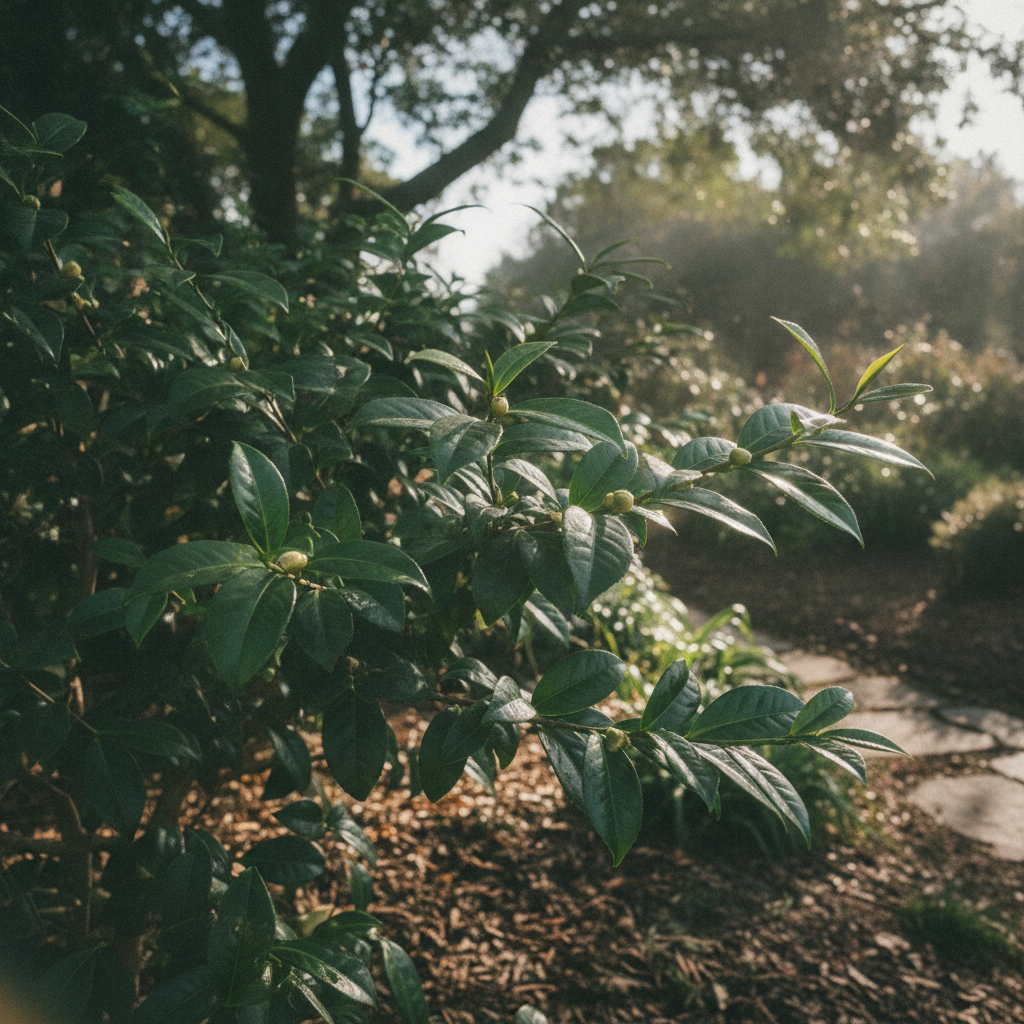
Learn how to grow black tea at home: soil, climate, and the five processing steps from fresh leaf to a finished cup of black tea.

Wijsheid is de weg naar betere thee.
Ontvang onze gratis zetgids: het juiste water, de juiste temperatuur en de juiste trektijd voor elke thee die we verkopen. U hoort ook als eerste wanneer nieuwe oogsten binnenkomen.
Geen spam. U kunt zich altijd uitschrijven.
Kijk in uw inbox.
De gids is onderweg.