

















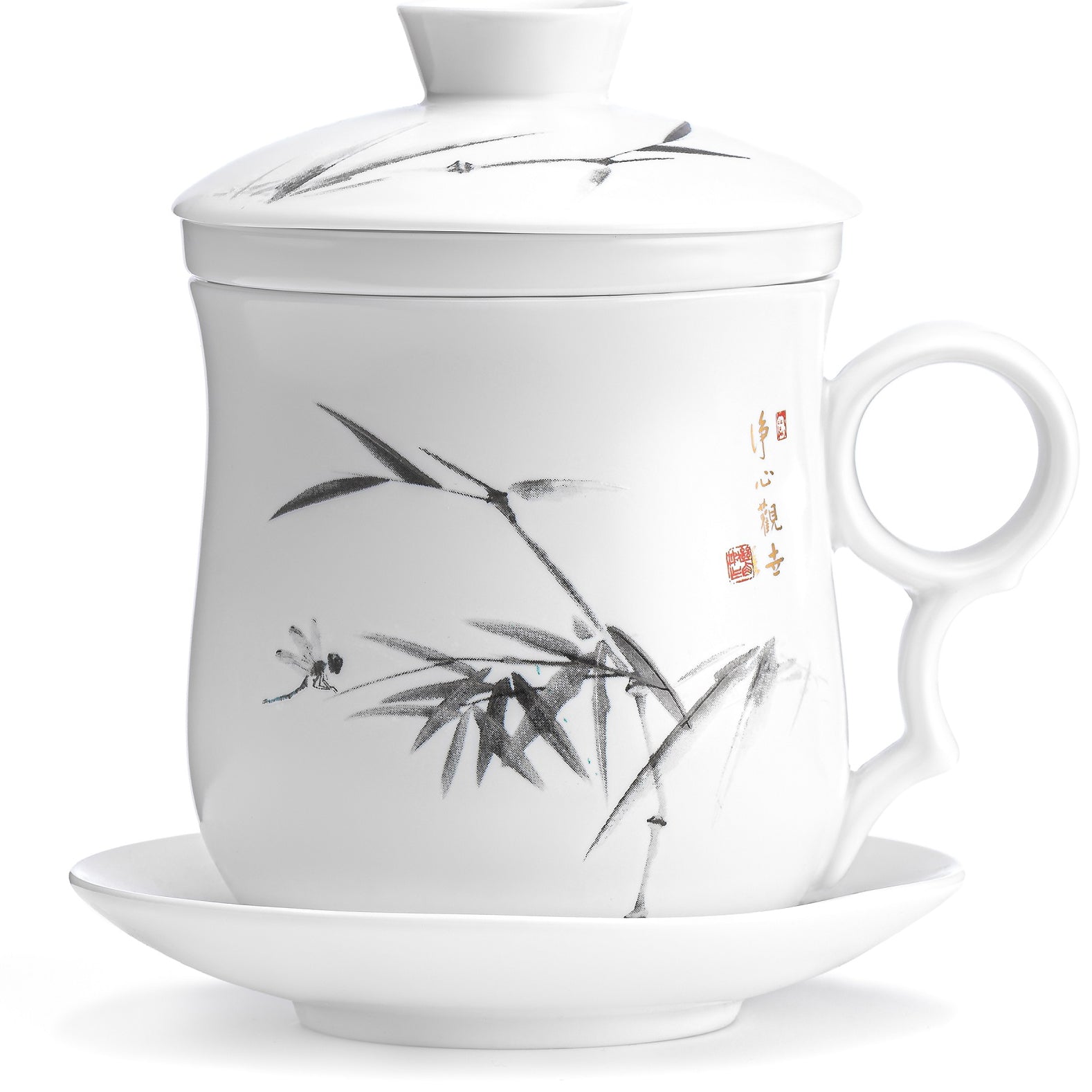


Chamomile Tea Before Bed: Sleep Well
Drinking chamomile tea before bed is one of the oldest sleep habits that still holds up. People have been doing it for centuries, and modern research suggests there is actual substance behind the tradition — a specific compound that may act on the brain's relaxation pathways.

That is not a miracle cure. It is a mild, well-documented nudge in the right direction. This post breaks down what the evidence actually says, how to get the timing and preparation right, and where chamomile falls short as a sleep aid.

Why Chamomile Helps You Sleep

Chamomile contains a flavonoid called apigenin. This compound binds to GABA receptors in the brain — the same receptor family targeted by anti-anxiety medications. The result may be mild sedation and relaxation, not the knockout drowsiness you get from sleep drugs.
A 2024 systematic review analyzed 10 clinical trials involving 772 participants. The findings showed that chamomile showed improvements in sleep quality and reduced nighttime awakenings without causing side effects.
Chamomile does not force you to sleep. It may quiet the mental noise that keeps you awake, letting your body wind down naturally.
Best Time to Drink Chamomile Tea Before Bed

Drink your chamomile 30 to 45 minutes before bed. That gives the calming compounds time to take effect.
Boil your water, then let it cool to about 95°C. Use one tablespoon of loose leaf chamomile per cup. Steep for 5 to 7 minutes. That is longer than most teas, but chamomile needs the extra time to fully release its active compounds.
Cover your cup while it steeps. Without a lid, the essential oils escape with the steam, and those oils are exactly what you want working for you at night.

Does Chamomile Tea Help You Sleep? What Research Shows

Studies suggest chamomile may improve sleep quality rather than making you sleep longer. The key benefit is fewer nighttime awakenings, helping you stay asleep more consistently.
A 2025 comparative trial found chamomile showed better results than passionflower for insomnia symptoms while also potentially lowering cortisol, a stress hormone. The same research showed it may support melatonin production naturally. Studies in elderly populations found clear improvements in overall sleep quality.
Chamomile is a gentle, mild sleep aid. It is not a replacement for addressing serious or chronic sleep issues with a healthcare professional.
Chamomile vs Other Sleep Teas

Chamomile is not the only herbal tea linked to better sleep, but it holds its own against the alternatives.
Valerian root has a stronger sedative effect, though its earthy, bitter taste puts many people off. Chamomile offers a milder, more approachable flavor.
Lavender works primarily through aromatherapy rather than ingestion. Many sleep blends combine chamomile with valerian, passionflower, or lavender to cover multiple pathways to relaxation. Our Sleep Tea is one such blend.

German, Roman, or Greek: Which Chamomile?

Not all chamomile is the same. The three main varieties each bring something different to your cup.
German chamomile (Matricaria chamomilla) is the most widely available and the most studied for sleep. It has a mild, slightly apple-like flavor. Our Camomile is this variety, available in 100g, 200g, and 300g for regular evening use.
For aromatherapy, Roman chamomile (Chamaemelum nobile) is the more common choice — it is more bitter and less typical in tea blends. Greek chamomile, grown in the mountains of Greece, is prized for its intense aroma and noticeably smaller flower heads.
All three contain apigenin. But if sleep is your goal, German chamomile has the strongest research behind it.

Making Chamomile Tea Part of Your Evening Routine

One cup of chamomile will not change your sleep. Drinking it consistently will. Pick a time each evening and stick with it.
While the water heats, dim the lights and put your phone in another room. The few minutes spent making tea give your body a clear signal that the day is wrapping up. Loose leaf chamomile is worth the small extra effort — it releases more oils and flavor than a tea bag. You can add honey if you like, but the tea does its job on its own.
For evenings when you want something a little different, our Relax Organic blend is another option.
Chamomile tea before bed is one of the simplest ways to sleep better. The research is modest but consistent, and centuries of traditional use across cultures point in the same direction.
It is not a cure for chronic insomnia, and it will not override poor sleep habits or screen time at midnight. But as part of a calm evening routine, it can make a real difference.
Brew a cup about thirty minutes before you plan to sleep, keep the lights low, and give it a week. You may find that the shift is subtle but worth keeping.
Zostaw komentarz
Komentarze są zatwierdzane przed publikacją.
Więcej w Valley of Tea Blog | Tea Guides, Origins & Brewing Tips
The Complete Guide to Drinking Tea
What tea is, how the main types differ in the cup, and how to brew each one properly. Water temperature, steeping times, storage and how to get more than one cup from your leaves.
Czytaj dalej


Black Tea: Types, Processing, and How to Brew It
Black tea is fully oxidized Camellia sinensis. Compare Assam, Darjeeling, Keemun, and Ceylon varieties. Learn processing, brewing, and caffeine levels.


How To Grow Black Tea
Learn how to grow black tea at home: soil, climate, and the five processing steps from fresh leaf to a finished cup of black tea.

Mądrość to droga do lepszej herbaty.
Bezpłatny przewodnik parzenia: właściwa woda, temperatura i czas parzenia dla każdej herbaty z naszej oferty. Informacje o nowych zbiorach trafiają najpierw do subskrybentów.
Bez spamu. Rezygnacja w każdej chwili.
Prosimy sprawdzić skrzynkę.
Przewodnik jest w drodze.