













Cinnamon Sticks: Types, Uses, and How to Choose
What Are Cinnamon Sticks
Cinnamon sticks are rolled strips of bark harvested from trees in the genus Cinnamomum. They are one of the oldest traded spices in recorded history — documented in Chinese writings from 2700 BCE, imported by Egyptian embalmers, and valued in medieval Europe at prices rivaling silver. According to Smithsonian Magazine, a pound of cinnamon could cost the equivalent of a laborer's monthly wage. Today cinnamon sticks remain one of the most widely used spices on the planet, appearing in everything from Indian chai and Mexican hot chocolate to Moroccan tagines and Scandinavian pastries.

At Valley of Tea, we have been sourcing and tasting teas for over fifteen years. We source our cinnamon sticks directly from Ceylon — and that choice is deliberate. This guide draws on that experience.
 cinnamon tea" width="1184" height="888" loading="lazy" style="max-width:680px;width:100%;height:auto;display:block;margin:20px auto;">
But most people buying cinnamon sticks do not know what they are actually getting. The word "cinnamon" covers two fundamentally different products — Ceylon cinnamon and cassia cinnamon — with different flavor profiles, different chemical compositions, and different health implications. Understanding this distinction is not optional if you care about what you are putting in your food and tea.
This guide covers everything you need to know about cinnamon sticks: the critical Ceylon-versus-cassia difference, how to identify quality, how to use cinnamon sticks in tea and cooking, where they come from, and how to store them properly.
How Cinnamon Sticks Are Made
Cinnamon sticks — also called quills — are made from the inner bark of Cinnamomum trees. The bark is harvested during the rainy season when moisture makes it easier to peel. Workers strip the outer bark, then carefully remove the thin inner bark layer. This inner bark naturally curls as it dries, forming the familiar rolled shape of a cinnamon stick.
The process is labor-intensive. For true Ceylon cinnamon, skilled peelers (known in Sri Lanka as "kurundu" workers) hand-roll multiple thin layers of bark into a single quill. Cassia cinnamon, by contrast, is typically a single thick piece of bark that curls into a tube on its own. This difference in construction is one of the easiest ways to tell them apart — more on that below.
A single cinnamon stick can be used whole to infuse liquids (tea, mulled wine, braises), broken into pieces for spice blends, or ground into powder. Whole sticks retain their volatile oils and flavor far longer than pre-ground cinnamon, which begins losing potency from the moment it is milled.
Ceylon vs Cassia Cinnamon

This is the most important thing to understand about cinnamon sticks. What most of the world calls "cinnamon" is not all the same spice. There are two broad categories, and the difference matters.
Ceylon Cinnamon (True Cinnamon)
Ceylon cinnamon comes from Cinnamomum verum (also classified as C. zeylanicum), a tree native to Sri Lanka. It is often called "true cinnamon" because it was the original spice that the word referred to in antiquity. Sri Lanka still produces roughly 80-90% of the world's Ceylon cinnamon supply.
Ceylon cinnamon sticks are made from multiple paper-thin layers of bark rolled together. The resulting quill is light tan to golden brown, relatively soft, and can be crumbled by hand. The flavor is delicate, complex, and slightly citrusy, with mild sweetness and very little heat.
The critical distinction: Ceylon cinnamon contains only trace amounts of coumarin — typically 0.004% or less.
Cassia Cinnamon
Cassia cinnamon comes from several related species, primarily Cinnamomum cassia (Chinese cinnamon), C. burmannii (Indonesian cinnamon, also called korintje), and C. loureiroi (Vietnamese cinnamon, also called Saigon cinnamon). These species produce bark that is thicker, darker, and harder than Ceylon cinnamon.
Cassia sticks are a single thick bark layer rolled into a tube. They are dark reddish-brown, rigid, and difficult to break by hand. The flavor is bold, sharp, and immediately recognizable — this is the cinnamon taste most North Americans and Northern Europeans grew up with.
Cassia cinnamon contains significantly higher levels of coumarin — typically 1% or more in Chinese and Indonesian varieties, and up to 1-2% in some Vietnamese cinnamon.
The Coumarin Problem
Coumarin is a naturally occurring compound found in many plants. In moderate amounts, it gives cinnamon part of its characteristic warm aroma. But coumarin is hepatotoxic in larger doses — it can damage the liver. The European Food Safety Authority (EFSA) has set a tolerable daily intake of 0.1 mg per kilogram of body weight.
What does that mean in practice? For a 70 kg adult, the daily limit is 7 mg. A single teaspoon of cassia cinnamon powder (about 2.5 g) can contain 5-12 mg of coumarin — enough to approach or exceed the daily limit in one serving. A single cassia cinnamon stick steeped in tea will release less coumarin than ground cassia, but regular daily consumption still adds up.
Ceylon cinnamon, with its negligible coumarin content, poses no such concern. You would need to consume unrealistic quantities to approach the EFSA limit.
This is why the distinction matters. If you drink cinnamon tea daily, bake frequently with cinnamon, or give cinnamon to children (who have a lower body weight and therefore a lower threshold), Ceylon cinnamon is the safer choice. Germany's Federal Institute for Risk Assessment (BfR) has specifically warned about coumarin in cassia cinnamon, and some European countries require coumarin levels to be declared on food labels. The National Center for Complementary and Integrative Health (NCCIH) also notes that prolonged use of cassia cinnamon could be an issue for people with liver disease.
How to Tell Them Apart
Identifying Ceylon versus cassia cinnamon sticks is straightforward once you know what to look for:
- Layers: Ceylon sticks are multi-layered (like a rolled cigar with many thin sheets). Cassia sticks are a single thick bark layer.
- Color: Ceylon is lighter — tan to light brown. Cassia is darker — reddish to dark brown.
- Texture: Ceylon sticks are fragile and crumble easily. Cassia sticks are hard and woody.
- Thickness: Ceylon bark layers are paper-thin. Cassia bark is 2-3 mm thick.
- Cross-section: Cut a Ceylon stick in half and you see many concentric layers. A cassia stick shows one thick tube, sometimes with a hollow center.
If the label just says "cinnamon" without specifying the type, it is almost certainly cassia. Ceylon cinnamon costs more to produce, and sellers who have it will always specify.
Flavor Profiles
Cinnamon is not a single flavor. The species, origin, and quality of the bark produce meaningfully different taste experiences.
Ceylon cinnamon is subtle, refined, and layered. The initial flavor is mild sweetness with citrus notes, followed by a warm but gentle spice. There is no harshness or burning sensation. I find it richer in aroma than people expect — the fragrance is more complex than the flavor itself, which is part of what makes it so effective in tea. It works well in dishes where cinnamon should complement rather than dominate — custards, light baked goods, fruit desserts, and delicate teas.
Chinese cassia (C. cassia) has a strong, straightforward cinnamon flavor with moderate sweetness and some bitterness. It is the most common type sold in North America and the standard "cinnamon" flavor in most commercial products. This is the variety behind those amazing-smelling cinnamon buns — the strong, punchy character is exactly what high-heat baking needs.
Indonesian cassia (C. burmannii / korintje) is the mildest of the cassia varieties. It has a smooth, sweet flavor with less bite than Chinese cassia. It is the cinnamon most commonly found in commercial spice blends and baked goods in the United States.
Vietnamese cassia (C. loureiroi / Saigon cinnamon) is the most intense. It has the highest essential oil content of any commercial cinnamon, producing a bold, spicy, almost fiery flavor with strong sweetness. It is prized by bakers and is the premium cassia variety. It also has the highest coumarin content.
For tea applications specifically, the choice depends on what you want. Ceylon cinnamon produces a nuanced, aromatic infusion that blends gracefully with other ingredients. Cassia produces a bold, unmistakable cinnamon punch. Neither is objectively better — they serve different purposes.
Cinnamon Sticks in Tea
Cinnamon sticks are among the most natural partners for tea. The bark infuses slowly in hot water, releasing its volatile oils gradually rather than dumping all its flavor at once (as ground cinnamon does, often leaving gritty sediment at the bottom of your cup). A single stick can flavor multiple cups across a full day.
Chai
Traditional masala chai is probably the most famous marriage of cinnamon and tea. In Indian chai, cinnamon sticks are simmered alongside cardamom pods, cloves, black peppercorns, and fresh ginger in a base of strong black tea (typically CTC Assam) with milk and sugar. The cinnamon provides warmth and sweetness that bridges the heat of ginger and pepper with the aromatic punch of cardamom and clove.
For authentic chai, break a cinnamon stick into two or three pieces and add them to the spice mix at the start of cooking. Simmer for at least five minutes to extract the essential oils. Be careful what cinnamon you use here — cassia works well because its bold, strong flavour stands up to the other spices. Ceylon will give a more refined, less dominant cinnamon note. Both are valid choices, but they produce genuinely different results.
Our Artisan Assam makes an excellent chai base — its malty, full-bodied character holds up well against the spice blend.
Apple Cinnamon Tea
Apple and cinnamon is one of those combinations that is obvious because it is perfect. Dried apple pieces, a cinnamon stick, and hot water produce a caffeine-free infusion that is sweet, aromatic, and comforting. Add a black tea base and you get something richer. Add Green Rooibos for a caffeine-free version with more body.
Use one cinnamon stick per cup. Ceylon cinnamon works especially well here because its delicate, slightly citrus character complements the fruit without overpowering it. Cassia will work too, but it shifts the balance toward the spice and away from the apple.
Cinnamon-Honey Tea
The simplest possible cinnamon tea: one cinnamon stick steeped in hot water for ten minutes, then stirred with a spoonful of raw honey. This combination has been used as a folk remedy across cultures for centuries. The warm, sweet flavor is universally appealing.
The key is water temperature. Boiling water is fine for the cinnamon stick — bark can handle aggressive heat. But add the honey after the water has cooled to roughly 60-65 degrees Celsius to preserve the honey's volatile aromatic compounds and any heat-sensitive enzymes.
Other Cinnamon Tea Pairings
Cinnamon sticks pair well with an enormous range of ingredients:
- Ginger: Amplifies the warming quality. Excellent for cold weather.
- Turmeric: The base of "golden milk" style infusions. Add black pepper to improve curcumin bioavailability.
- Cardamom: The classic companion in Middle Eastern and South Asian tea traditions.
- Vanilla: A rich, dessert-like cup. Use a split vanilla bean with a cinnamon stick in rooibos.
- Citrus peel: Orange or lemon zest with cinnamon makes a bright, aromatic infusion.
- Star anise: Anise and cinnamon create a complex, warming blend popular in Chinese cooking and tea.
How to Brew Cinnamon Tea

Brewing with cinnamon sticks is simple, but a few details make the difference between a well-extracted, flavorful cup and bland cinnamon water.
Basic Method
- Bring fresh water to a full boil (100 degrees Celsius).
- Place one cinnamon stick in your cup or teapot.
- Pour the boiling water directly over the stick.
- Cover the vessel to retain volatile aromatics.
- Steep for 10-15 minutes. Cinnamon bark is dense and releases its oils slowly — this is not like steeping a tea bag for three minutes.
- Remove the stick or leave it in. Unlike tea leaves, cinnamon does not become bitter with extended steeping.
Simmering Method (Stronger Extraction)
For a more concentrated cinnamon infusion — ideal for chai or medicinal-strength cinnamon tea:
- Break one or two cinnamon sticks into pieces.
- Add to a small saucepan with 300-400 ml of water.
- Bring to a boil, then reduce to a gentle simmer.
- Simmer for 15-20 minutes, covered.
- Strain and serve.
Breaking the stick exposes more surface area and accelerates extraction. Simmering provides continuous heat that pulls more essential oils from the bark than static steeping.
Tips
- A single cinnamon stick can be reused two to three times. The second infusion will be milder but still flavorful.
- Ground cinnamon is not a substitute for sticks in tea. It does not dissolve — it creates a murky, gritty suspension that settles at the bottom.
- If you want cinnamon flavor in iced tea, make a concentrated hot infusion first, then cool and dilute. Cold water extracts almost nothing from cinnamon bark.
Cinnamon in Cooking and Baking
Beyond tea, cinnamon sticks are a kitchen staple with applications across sweet and savory cooking.
Savory Uses
Cinnamon sticks are essential in many savory spice blends and slow-cooked dishes:
- Indian curries and biryanis: Whole cinnamon sticks are tempered in hot oil or ghee at the start of cooking, releasing their oils into the fat base. They are left in the dish during cooking and removed before serving.
- Moroccan tagines: Cinnamon, along with saffron and ginger, forms the aromatic backbone of many Moroccan stews.
- Chinese five-spice applications: Cassia cinnamon is one of the traditional five spices, alongside star anise, cloves, Sichuan pepper, and fennel.
- Mexican mole: Some mole recipes include cinnamon as part of the complex spice blend.
- Middle Eastern rice dishes: A cinnamon stick cooked with rice adds a subtle warmth without any visible spice particles.
In all these applications, whole sticks are preferred over ground cinnamon because they infuse flavor without altering the texture or appearance of the dish.
Baking
Cinnamon is the world's most popular baking spice. While most recipes call for ground cinnamon, sticks have their uses:
- Infusing liquids: Steep a cinnamon stick in warm milk or cream before using it in custards, puddings, ice cream bases, or pastry creams. This gives a cleaner cinnamon flavor than ground spice, with no gritty texture.
- Poaching: Cinnamon sticks in poaching liquid for pears, apples, or stone fruits add aromatic depth.
- Syrups: Simmer a cinnamon stick in simple syrup for cocktails, coffee drinks, pancakes, or drizzling over desserts.
Mulled Wine and Cider
Cinnamon sticks are the signature spice in mulled wine (Gluhwein) and hot apple cider. Their slow, even infusion during gentle heating makes them ideal for drinks that simmer over time. Use one to two sticks per liter of liquid, along with cloves, star anise, and citrus peel.
How to Grind Cinnamon Sticks

Freshly ground cinnamon is dramatically more flavorful than pre-ground. The volatile compounds — cinnamaldehyde, eugenol, and linalool — begin oxidizing and evaporating as soon as the bark is broken down. A jar of pre-ground cinnamon that has been open for six months has lost a significant portion of its potency.
How to Grind
Ceylon cinnamon sticks are soft enough to grind in a standard spice grinder, coffee grinder, or even a mortar and pestle. They crumble easily.
Cassia cinnamon sticks are much harder. A blade-style coffee grinder or a high-powered blender (such as a Vitamix) is usually necessary. Break the sticks into small pieces first. A mortar and pestle will work but requires significant effort. Some people microwave cassia sticks for 15-20 seconds to make them slightly more brittle before grinding.
Regardless of type, grind only what you need. The advantage of whole sticks is their shelf stability — do not sacrifice that by grinding a week's supply in advance.
Grind Texture
For baking, you want a fine powder. Sift the ground cinnamon through a fine-mesh strainer and re-grind any large pieces. For spice rubs or savory applications, a coarser grind works fine.
Quality Indicators

Not all cinnamon sticks are created equal. Here is what to look for when buying.
Curl and Structure
For Ceylon cinnamon, quality is indicated by how tightly and evenly the bark layers are rolled. Premium Ceylon quills (known in the trade as "Alba" grade) are thin, uniform, and densely packed with many fine layers. Lower grades have thicker bark, fewer layers, and a rougher exterior.
For cassia, look for sticks that are intact (not broken or shattered), with a uniform thickness and clean-cut edges.
Thickness
Thinner is generally better, especially for Ceylon cinnamon. Thinner bark indicates younger trees and more careful harvesting. Thick, woody bark suggests older growth and will have a less refined flavor.
Aroma
This is the most reliable quality test. Break a small piece off the stick and smell it. High-quality cinnamon — regardless of type — will have a strong, immediate, complex aroma. If it smells faint or flat, the sticks are old, improperly stored, or low grade.
Ceylon cinnamon should smell warm, sweet, and slightly floral. Cassia should smell bold and spicy with obvious cinnamaldehyde intensity.
Oil Content
Premium cinnamon has higher essential oil content, typically 1-4% for Ceylon and 1-5% for cassia (Vietnamese cassia being the highest). You cannot test this at home, but oil content correlates with aroma intensity — a strongly aromatic stick has good oil levels.
Color
Ceylon: Light tan to golden brown. Avoid sticks that are unusually dark, as this may indicate lower-grade bark or improper drying.
Cassia: Consistent reddish-brown. Avoid sticks with patches of grey or white, which indicate mold or excessive moisture exposure.
Origins and Growing Regions
Sri Lanka
The dominant source of Ceylon cinnamon. Sri Lanka's southern coastal regions — particularly around Galle, Matara, and the Ratnapura district — have been producing cinnamon for centuries. The island's tropical climate, laterite soil, and traditional peeling expertise produce the world's most prized cinnamon sticks. Sri Lankan cinnamon is graded by bark thickness, with Alba (the thinnest) being the most expensive.
Indonesia
The world's largest cinnamon producer by volume, but almost entirely cassia (C. burmannii). Indonesian korintje cinnamon is the workhorse of the global spice trade — mild, sweet, inexpensive, and used in vast quantities by food manufacturers. Most "cinnamon" sold in American supermarkets is Indonesian korintje.
Vietnam
Produces the most intensely flavored cassia variety (C. loureiroi, Saigon cinnamon). Vietnamese cinnamon has the highest cinnamaldehyde content of any commercial type, making it the strongest in flavor. It is also the most expensive cassia and has become a premium product in Western markets. The primary growing regions are in the northern highlands around Yen Bai and Lao Cai provinces.
China
The original source of cassia cinnamon (C. cassia), with a cultivation history spanning thousands of years. Chinese cinnamon is grown primarily in Guangxi and Guangdong provinces. It has a sharper, more pungent flavor than Indonesian cassia and moderate coumarin levels. China also produces cassia buds (the dried unripe fruit of the cassia tree), which have a milder, more delicate cinnamon flavor used in pickling and spice blends.
Other Sources
Smaller quantities of cinnamon are produced in India (particularly Kerala), the Seychelles, Madagascar, and parts of South America where Cinnamomum trees have been introduced. These are niche sources and rarely appear as labeled single-origin products.
How to Store Cinnamon Sticks
Cinnamon sticks are among the most shelf-stable spices available, but proper storage still matters.
How to Store
- Keep sticks in an airtight container — a glass jar with a tight lid is ideal.
- Store in a cool, dark place away from heat sources, direct sunlight, and moisture.
- Do not store near the stove or oven. Repeated exposure to heat accelerates volatile oil loss.
- Keep away from strong-smelling spices. Cinnamon can absorb odors.
Shelf Life
Whole cinnamon sticks retain good flavor for two to four years when stored properly. This is vastly longer than ground cinnamon, which begins degrading within six months.
The best test is always the nose. If a stick still smells strongly aromatic when you snap it, it is fine to use. If the aroma is faint or absent, the sticks have lost their potency and should be replaced.
Can You Refrigerate or Freeze Cinnamon Sticks
You can, but it is unnecessary for whole sticks. The intact bark structure protects the essential oils effectively at room temperature. Refrigeration or freezing introduces moisture risk when the sticks are brought back to room temperature (condensation can form on cold spices), which does more harm than good. A cool pantry or cupboard is the best storage location.
Frequently Asked Questions
Are cinnamon sticks better than ground cinnamon?
For infusing liquids — tea, mulled wine, poaching liquid, syrups — whole sticks are unambiguously better. They release flavor slowly and cleanly without creating sediment. For baking and cooking where cinnamon needs to be evenly distributed through a batter or dough, ground cinnamon is more practical. The ideal approach is to keep whole sticks and grind them fresh as needed.
Can you eat cinnamon sticks?
Technically yes, but they are not meant to be eaten whole. The bark is fibrous and tough, especially cassia. Cinnamon sticks are designed to be infused in liquids, cooked in dishes and removed, or ground into powder. Chewing on a stick will not harm you, but the texture is unpleasant.
How many times can you reuse a cinnamon stick?
A good-quality cinnamon stick can be reused two to three times for tea or infusions. The first use extracts the strongest flavor. The second will be noticeably milder. By the third, you are getting a subtle background note rather than a prominent cinnamon presence. For cooking applications like curries or braises, sticks are typically used once because the extended cooking time extracts most of the available oils.
Is Ceylon cinnamon worth the extra cost?
If you consume cinnamon daily or near-daily — in tea, supplements, or food — Ceylon cinnamon is worth it for the coumarin difference alone. The health consideration is not theoretical; European regulatory bodies have issued specific guidance on this point. A 2022 umbrella review published in Frontiers in Pharmacology (PMC) confirmed that higher cinnamon intake from cassia varieties may lead to hepatotoxicity due to coumarin accumulation. If you use cinnamon occasionally in baking, the coumarin concern is less pressing, and the choice comes down to flavor preference. Ceylon is milder and more complex; cassia is bolder and more recognizable.
What is the white residue on my cinnamon sticks?
A light powdery residue is normal — it is dried bark dust from processing and shipping. If the residue is fuzzy, green, or black, that is mold, and the sticks should be discarded. Mold indicates moisture exposure, usually from improper storage or a compromised seal on the packaging.
Can cinnamon sticks go bad?
Cinnamon sticks do not spoil in the way that perishable food does — they will not make you sick even after years. But they do lose potency. Old sticks with depleted essential oils will contribute little flavor. Snap a stick in half: if it smells strongly of cinnamon, use it. If the aroma is barely detectable, it is time to buy fresh.
How much ground cinnamon does one stick equal?
A standard cinnamon stick (approximately 7-8 cm long) yields roughly half a teaspoon of ground cinnamon. This varies by stick size and type — a thick cassia stick contains more bark mass than a thin Ceylon quill of the same length. If a recipe calls for one teaspoon of ground cinnamon and you want to substitute a stick, use two sticks and increase the cooking or steeping time to compensate for the slower extraction.
Is cinnamon safe during pregnancy?
Culinary amounts of cinnamon — the quantities used in normal cooking and tea drinking — are generally considered safe during pregnancy. Medicinal doses (concentrated supplements or extremely large amounts of cinnamon tea) should be discussed with a healthcare provider. The coumarin consideration applies here as well: pregnant women who consume cinnamon regularly may prefer Ceylon cinnamon to minimize coumarin exposure.
Zostaw komentarz
Komentarze są zatwierdzane przed publikacją.
Więcej w Valley of Tea Blog | Tea Guides, Origins & Brewing Tips
The Complete Guide to Drinking Tea
What tea is, how the main types differ in the cup, and how to brew each one properly. Water temperature, steeping times, storage and how to get more than one cup from your leaves.
Czytaj dalej

Black Tea: Types, Processing, and How to Brew It
Black tea is fully oxidized Camellia sinensis. Compare Assam, Darjeeling, Keemun, and Ceylon varieties. Learn processing, brewing, and caffeine levels.

How To Grow Black Tea
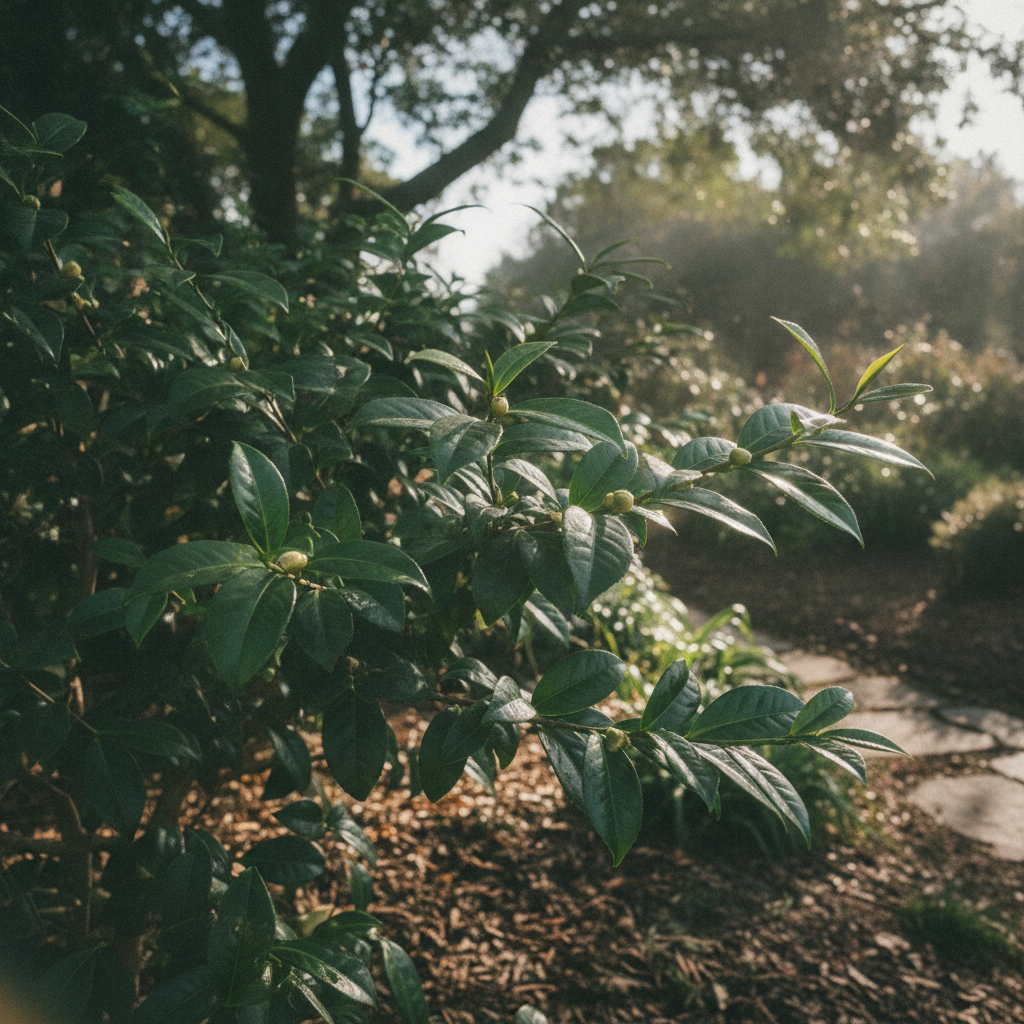
Learn how to grow black tea at home: soil, climate, and the five processing steps from fresh leaf to a finished cup of black tea.

Mądrość to droga do lepszej herbaty.
Bezpłatny przewodnik parzenia: właściwa woda, temperatura i czas parzenia dla każdej herbaty z naszej oferty. Informacje o nowych zbiorach trafiają najpierw do subskrybentów.
Bez spamu. Rezygnacja w każdej chwili.
Prosimy sprawdzić skrzynkę.
Przewodnik jest w drodze.