












Earl Grey Tea Taste: Citrus & Smooth
What Earl Grey Actually Tastes Like
Earl Grey gets its flavor from two things: a black tea base and bergamot oil. The bergamot is what makes Earl Grey recognizable. It is a citrus oil pressed from the rind of bergamot oranges, which grow almost exclusively in Calabria, in the toe of Italy's boot.
The first thing you notice is the aroma. Before the cup even reaches your lips, the bergamot comes through: bright, slightly floral, with a citrus sharpness that sits between lemon and grapefruit but is neither. It is its own thing entirely.
On the palate, a well-made Earl Grey starts smooth. The black tea base provides body and a gentle malt character. Then the bergamot arrives, not overpowering, but clearly present. The citrus and the tea should feel balanced, each supporting the other rather than competing. A clean finish with a faint floral note that lingers is the sign of good bergamot and good tea working together.
Where Bergamot Comes From and Why It Matters
Calabria, in southern Italy, produces the vast majority of the world's bergamot. The combination of climate, soil, and the particular microclimate along the Ionian and Tyrrhenian coasts produces a bergamot orange that is more aromatic than versions grown elsewhere. Most serious producers of Earl Grey source their bergamot oil directly from this region.
The oil is cold-pressed from the fresh rind, typically between November and February when the fruit is ripe. Cold pressing preserves the full aromatic profile: the sharp top notes, the floral mid-notes, and the slightly spiced base that gives good Earl Grey its depth. This is natural bergamot oil, and it is noticeably different from what cheaper products use.
Synthetic bergamot flavoring is produced in a laboratory to approximate the smell of natural oil. It captures the sharp citrus note reasonably well, which is why it reads as bergamot to most people. What it cannot replicate is the complexity. Natural oil has dozens of aromatic compounds. Synthetic flavoring typically has a handful. The result is a taste that hits quickly, reads as generic citrus, and leaves a flat or slightly soapy aftertaste.
Once you know what natural bergamot tastes like, synthetic is immediately obvious. For our Earl Grey, we use natural Calabrian bergamot oil. The difference in the cup is not subtle.
The Aroma Profile
Bergamot does not smell like a single thing. At its best, it has distinct layers. The opening note is bright and citrusy, closer to a sweet orange or mandarin than a lemon, with more floral lift than either. Underneath that is something slightly green and herbaceous. At the base, there is a faint spice, almost like cardamom, that you notice more in the aftertaste than in the first impression.
When you brew Earl Grey, the heat opens all of these layers simultaneously. The top note fills the room. The mid and base notes settle into the liquid. This is why the aroma of a freshly brewed cup is often more intense than the flavor: much of the volatile top note has already escaped into the air before you take the first sip.
A cup that still smells strongly of bergamot while cooling is usually a sign that the oil has not fully integrated into the brew. This sometimes happens with tea that has been over-flavored or where the oil sits on the surface rather than being absorbed into the leaf during processing.
The Base Tea Matters More Than You Think
Most commercial Earl Grey uses a blend of Assam and Ceylon black teas. Assam brings malt and strength. Ceylon adds brightness and a slightly lighter body. The ratio between these two shapes the overall character of the blend.
I have tasted Earl Grey made on every base from Darjeeling to Yunnan. The tea underneath changes the experience dramatically.
A Ceylon base keeps things crisp and clean. The bergamot sits on a light, bright foundation. The cup is easy-drinking and the citrus comes through clearly without competition from a heavy malt character. This is probably the most widely appreciated style.
An Assam base produces a malty cup with real weight. The bergamot integrates into the malt rather than floating above it. If you like Earl Grey with milk, a heavy Assam base holds up to it better than any other style. The malt and the bergamot create a richer, more complex combination than Ceylon-based versions.
A Keemun base gives a wine-like, slightly smoky depth that is unlike anything else. Keemun Earl Grey is not common, but it is worth seeking out if you are curious about how far the bergamot-and-tea combination can stretch.
A Darjeeling base introduces muscatel and floral notes that interact with the bergamot in interesting ways. The result is complex and layered, though harder to find in commercial blends. The light body of Darjeeling means the bergamot can easily overwhelm it if the blending is not careful. For our Earl Grey, I chose a base that sits in the middle: enough body to stand on its own, enough finesse to let the bergamot come through without fighting it.
How Taste Changes with Brewing Parameters
The same Earl Grey can taste noticeably different depending on how you brew it. This is not a flaw. It is one of the things that makes tea interesting.
At 95 degrees with a 3.5 minute steep, most of the flavor sits in the bergamot. The citrus is clear, the finish is clean, and the base tea provides body without asserting itself too strongly. This is the style most people are familiar with.
Drop the temperature to 90 degrees and extend the steep to 4.5 minutes. Now the malt of the black tea base becomes more prominent. The bergamot is still there, but it sits on a fuller, richer foundation. The cup is less bright and more rounded.
Over-steep at high temperature and the character shifts entirely. The savoury grip of tannins takes over, the bergamot gets buried, and the cup becomes unpleasant. This is not a different flavor profile. It is just a bad cup caused by poor technique.
Cold brewing produces something different from any hot method. With no heat to drive extraction, the tannins barely come out at all. The result is sweet, very clean, and bergamot-forward in a soft, almost perfumed way. The base tea contributes body without any savoury bite. It reads as the same tea but a completely different experience.
The Aftertaste
A good Earl Grey has a clean, persistent finish. The bergamot note should still be present 30 seconds after swallowing, fading gradually rather than cutting off abruptly. If the aftertaste is soapy, synthetic bergamot is almost always the cause. If it is dry and grippy, over-extraction is the more likely culprit.
The base tea contributes to the aftertaste too. A Ceylon base leaves a clean, bright finish. An Assam base leaves a warmer, maltier one. Quality Keemun leaves a wine-like, slightly winey finish that is distinctive and memorable.
Food Pairings
Earl Grey pairs well with foods that do not compete with the bergamot. The bergamot is aromatic and citrusy, which means it can clash with strongly flavored savory foods. Where it works well is with lighter, subtly sweet, or mildly fatty foods that let the tea remain the main event.
Shortbread is the classic pairing and it works because the buttery sweetness of the biscuit rounds out the bergamot without obscuring it. Lemon cake or anything citrus-adjacent works by playing to the same flavor family. The bergamot in the tea and the lemon in the cake reinforce each other.
Scones with clotted cream and a light jam are another natural fit. The fat in the cream softens the tea's character slightly, which is pleasant. The jam should be something delicate: apricot, peach, or a light berry. Strong jams like blackcurrant compete too much.
Plain dark chocolate, 70% or above, works well with Earl Grey in the same way it works with certain wines. The bitterness of the chocolate and the savoury grip of the tea balance each other. The bergamot picks up the floral notes in quality dark chocolate. It is a less obvious pairing but a genuinely good one.
Avoid strongly spiced foods, heavily smoked foods, and anything with a very assertive umami character. These tend to flatten the bergamot entirely and you end up tasting neither the food nor the tea at its best.
Good vs Bad Earl Grey
The difference between good Earl Grey and bad Earl Grey usually comes down to the bergamot. Cheap versions use synthetic flavoring, which tastes sharp, one-dimensional, and leaves a soapy aftertaste. Natural bergamot oil has depth and complexity that synthetic cannot replicate.
Another sign of quality is balance. If the bergamot hits you like a wall and you cannot taste the tea underneath, the blend is over-flavored. If you can barely detect citrus, it is under-flavored. The sweet spot is when you can taste both components clearly and they work together.
Brewing also affects taste. Over-steeping pulls tannins from the black tea, adding a drying, savoury quality that masks the bergamot. If your Earl Grey tastes bitter, the problem is usually technique, not the tea. Check out my guide on how to brew Earl Grey properly.
- Natural bergamot oil: complex citrus with floral notes, clean finish
- Synthetic flavoring: sharp, flat, fades quickly, sometimes soapy
- Good balance: you can taste both the tea and the bergamot clearly
- Bitterness usually means over-steeping or water too hot, not bad tea
- Calabrian origin matters: the climate and soil produce superior oil
Earl Grey works at any time of day. It has enough body for a morning cup and enough elegance for the afternoon. I drink it black. If the tea is right, nothing needs to be added.
Related Reading
Zostaw komentarz
Komentarze są zatwierdzane przed publikacją.
Więcej w Valley of Tea Blog | Tea Guides, Origins & Brewing Tips
The Complete Guide to Drinking Tea
What tea is, how the main types differ in the cup, and how to brew each one properly. Water temperature, steeping times, storage and how to get more than one cup from your leaves.
Czytaj dalej
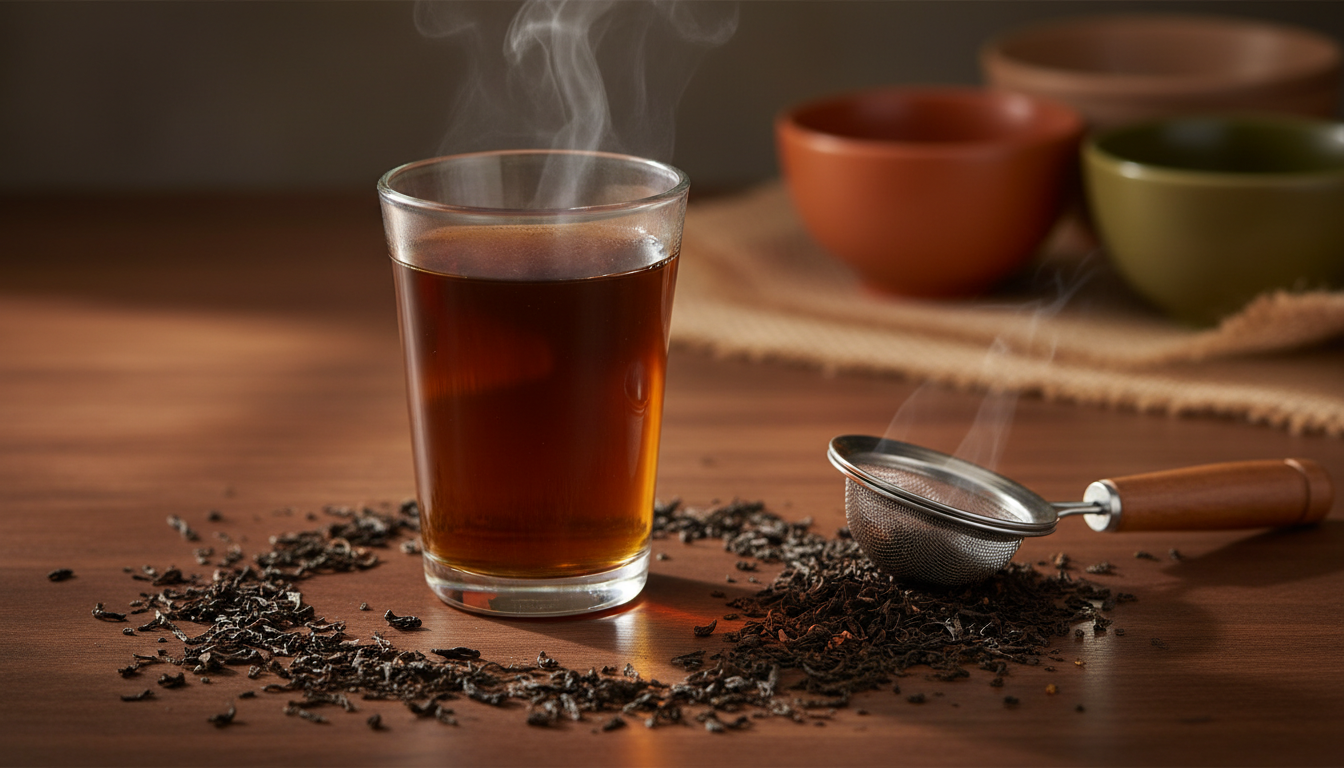

Black Tea: Types, Processing, and How to Brew It
Black tea is fully oxidized Camellia sinensis. Compare Assam, Darjeeling, Keemun, and Ceylon varieties. Learn processing, brewing, and caffeine levels.
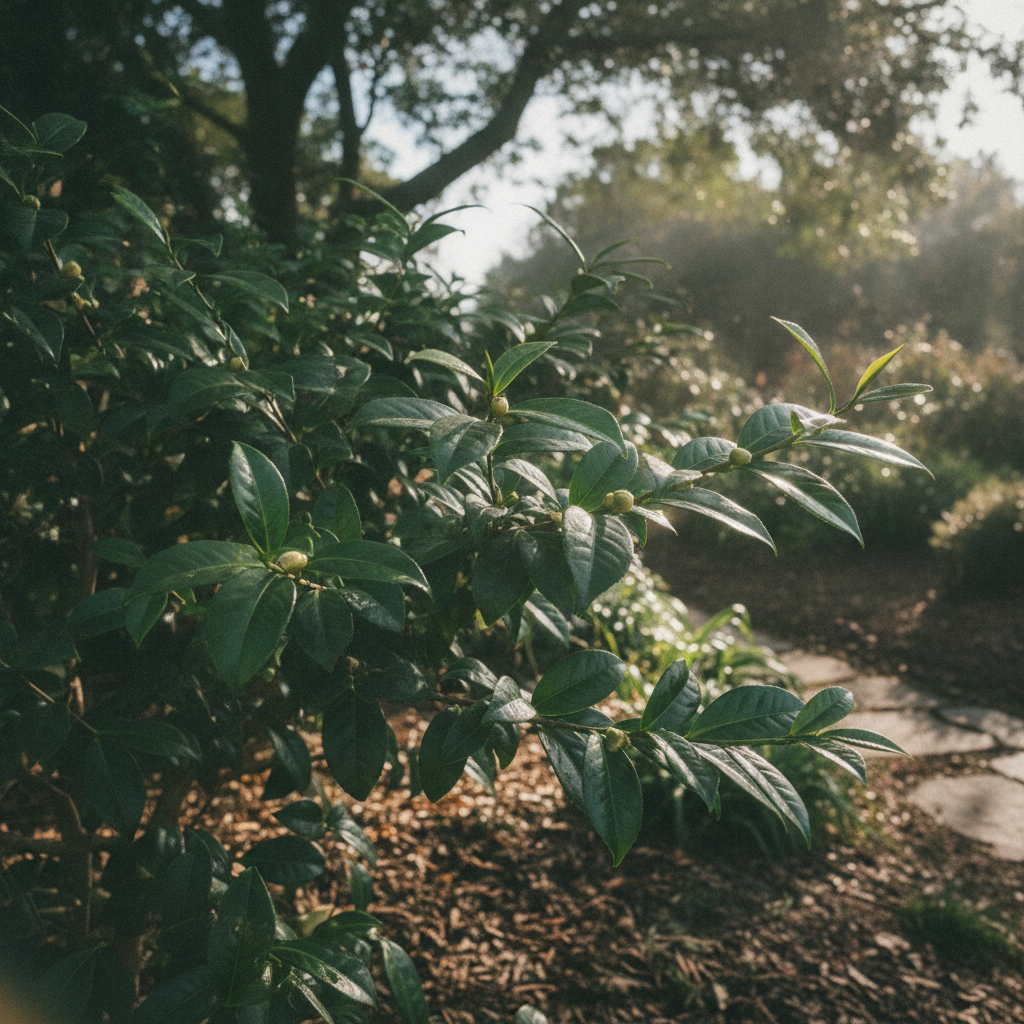

How To Grow Black Tea
Learn how to grow black tea at home: soil, climate, and the five processing steps from fresh leaf to a finished cup of black tea.

Mądrość to droga do lepszej herbaty.
Bezpłatny przewodnik parzenia: właściwa woda, temperatura i czas parzenia dla każdej herbaty z naszej oferty. Informacje o nowych zbiorach trafiają najpierw do subskrybentów.
Bez spamu. Rezygnacja w każdej chwili.
Prosimy sprawdzić skrzynkę.
Przewodnik jest w drodze.