












The Complete Guide to Loose Leaf Tea
Loose leaf tea is whole or large-piece tea leaves sold unbagged — the way tea has been produced and consumed for centuries before the tea bag was invented in
- \n1908. The leaves are free to expand, circulate, and release their full flavor during steeping, which is why loose leaf tea consistently produces a better cup than bagged tea. This is not snobbery. It is physics: larger leaves extract more evenly and release fewer bitter tannins than the crushed dust and fannings inside most tea bags.

What Is Loose Leaf Tea

Loose leaf tea is tea sold as whole or partially broken leaves, not confined in a bag or sachet. The term encompasses all tea types — black, green, white, oolong, pu-erh, and herbal — as long as the leaves are loose rather than pre-portioned in bags.
The defining characteristic is freedom. When you steep loose leaf tea, the leaves have room to expand — some teas (like ball-rolled oolongs or tightly twisted green teas) can expand to five times their dry volume. This expansion is critical for even extraction and full flavor development. A leaf trapped in a small tea bag cannot do this.
Loose Leaf vs Tea Bags
Tea bags typically contain fannings and dust — the smallest particles left after whole-leaf tea is graded and sorted. These tiny fragments have enormous surface area relative to their mass, which means they extract very quickly. Fast extraction sounds like a feature, but it is not: it releases tannins and bitter compounds faster than the desirable flavor compounds, producing a one-dimensional cup that is strong but flat.
Loose leaf tea uses larger, more intact leaves that extract gradually. The flavor compounds — amino acids, sugars, essential oils — release over a longer period, creating a cup with more depth, complexity, and nuance. The difference is not subtle. Brewing the same tea in loose leaf versus bagged form produces noticeably different results.
There is a middle ground: premium pyramid sachets and large-leaf tea bags use bigger leaf pieces with more room to expand. These bridge the convenience gap, though they still cannot match a properly brewed loose leaf tea.
What Counts as Loose Leaf
The spectrum runs from whole, unbroken leaves (like Silver Needle white tea or hand-rolled oolong) down to larger broken pieces (like BOP-grade black tea). The key criterion is that the leaves are not constrained — they need room to move in the water. Even "broken" grades qualify as loose leaf as long as the pieces are substantially larger than the dust inside standard tea bags.
CTC (Crush, Tear, Curl) granules are technically loose when sold unbagged, but their small particle size means they behave more like bagged tea in extraction. Most loose leaf enthusiasts focus on orthodox-processed teas with visible leaf structure.
Why Loose Leaf Tea Tastes Better

The flavor advantage of loose leaf tea comes down to leaf size, extraction dynamics, and freshness — three factors that compound on each other.
Leaf Size and Flavor Extraction
Smaller particles extract faster and more completely. This sounds good until you understand what "more completely" means: it includes bitter tannins, harsh astringency, and flat, one-note flavor. Whole leaves release flavor gradually — sweetness and umami first, then body and complexity, with bitterness arriving last. By controlling steep time with loose leaf, you can stop extraction at the sweet spot. With tea bag dust, you are past the sweet spot in under a minute.
The chemical explanation: amino acids (which contribute sweetness and umami) are water-soluble and extract quickly. Polyphenols (which contribute astringency) extract more slowly. Whole leaves give you a window where amino acids are high and polyphenols are moderate. Tea bag dust collapses that window because everything extracts simultaneously.
When customers tell me they cannot taste the difference between bags and loose leaf, the first thing I check is their water and brewing method. But usually the simplest answer is the best one — I make them a cup. Side by side, the difference is clear without any explanation needed.
Multiple Infusions
Quality loose leaf tea can be steeped multiple times. Oolong teas yield 5-10+ infusions. Chinese green and white teas give 3-
- \n5. Even black teas can manage 2-3 steeps. Each infusion reveals different aspects of the tea — the first steep is bright and immediate, middle steeps show depth, and late steeps turn sweet and mellow.
Freshness and Storage
Loose leaf tea tends to be fresher at point of sale because it moves through specialty channels with shorter supply chains. Mass-market tea bags may sit in warehouses for months. The larger leaf surface of loose leaf also degrades more slowly than crushed particles, which lose volatile aromatics quickly due to their exposed surface area.
Types of Loose Leaf Tea

Loose leaf is available across every tea category. The leaf appearance varies dramatically — from the silvery buds of white tea to the tightly rolled green pellets of gunpowder to the dark, twisted strips of Wuyi oolong.
Black, Green, and White Tea
Black tea in loose leaf form ranges from the golden-tipped whole leaves of Darjeeling FTGFOP to the large, dark leaves of orthodox Assam. Loose leaf black tea produces a more nuanced cup than bagged versions — you taste terroir and processing rather than generic "black tea" flavor. Green tea in loose leaf form reveals the enormous diversity within the category — flat-pressed Longjing looks nothing like rolled Gunpowder or needle-shaped Anji Bai Cha. Each shape tells you something about how the tea will brew and taste. Loose leaf Japanese greens (Sencha, Gyokuro) are particularly transformed compared to their bagged versions. White tea is almost exclusively available as loose leaf. Silver Needle buds are too large and delicate for tea bags. This is one category where loose leaf is not an upgrade — it is the only option for the real thing.Oolong and Pu-erh Tea
Oolong may benefit from loose leaf brewing more than any other category. Ball-rolled Taiwanese oolongs need space to unfurl over multiple steeps — cramming them into a tea ball or bag defeats the purpose. Strip-rolled Wuyi oolongs similarly need room to circulate. The multi-infusion nature of oolong makes it a poor candidate for single-use bags. Pu-erh is typically sold as compressed cakes, bricks, or tuos. You break off a piece for brewing — making it inherently loose leaf by the time it reaches the teapot. Loose pu-erh (mao cha) also exists. Like oolong, pu-erh rewards multiple infusions that tea bags cannot deliver.Herbal and Flavored Teas
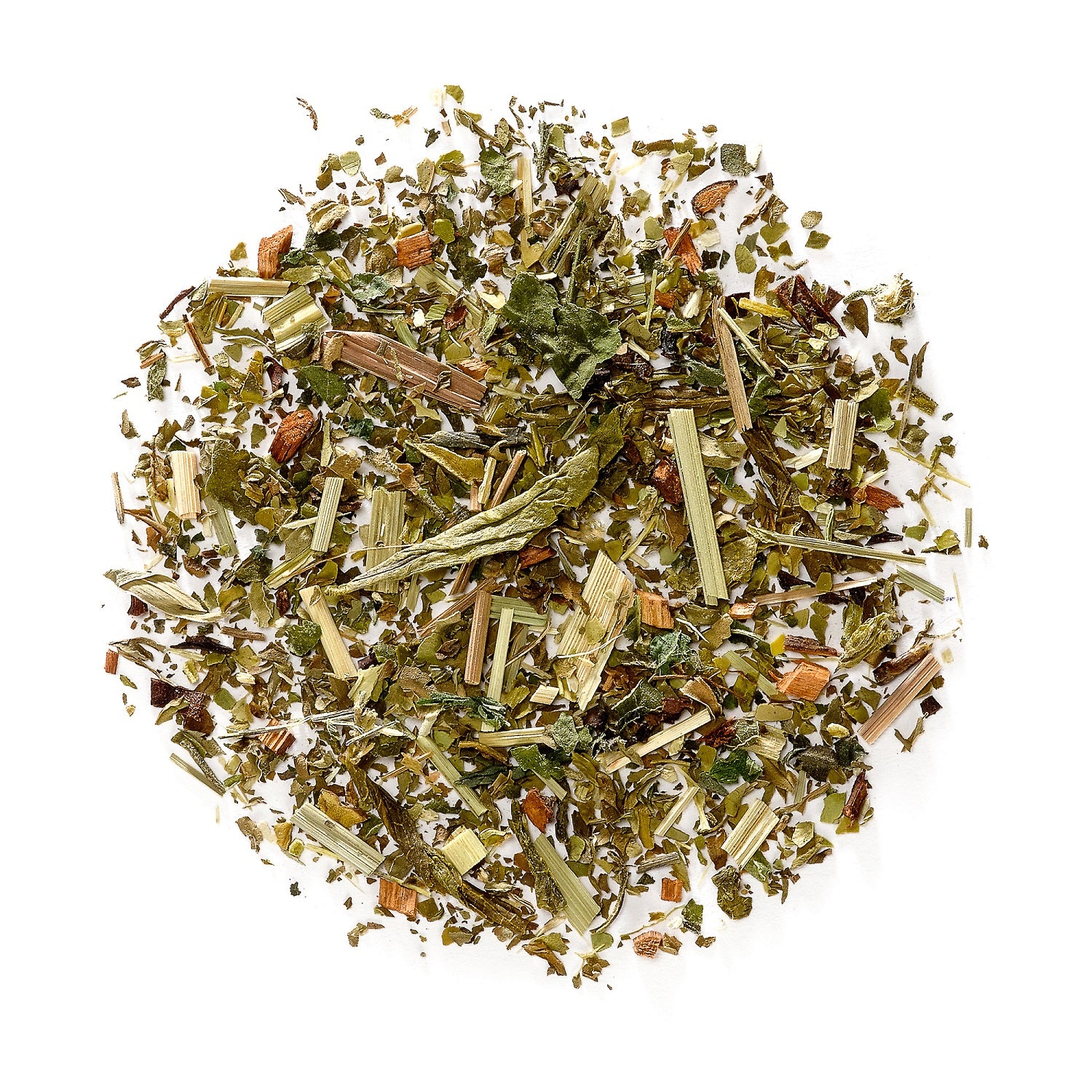
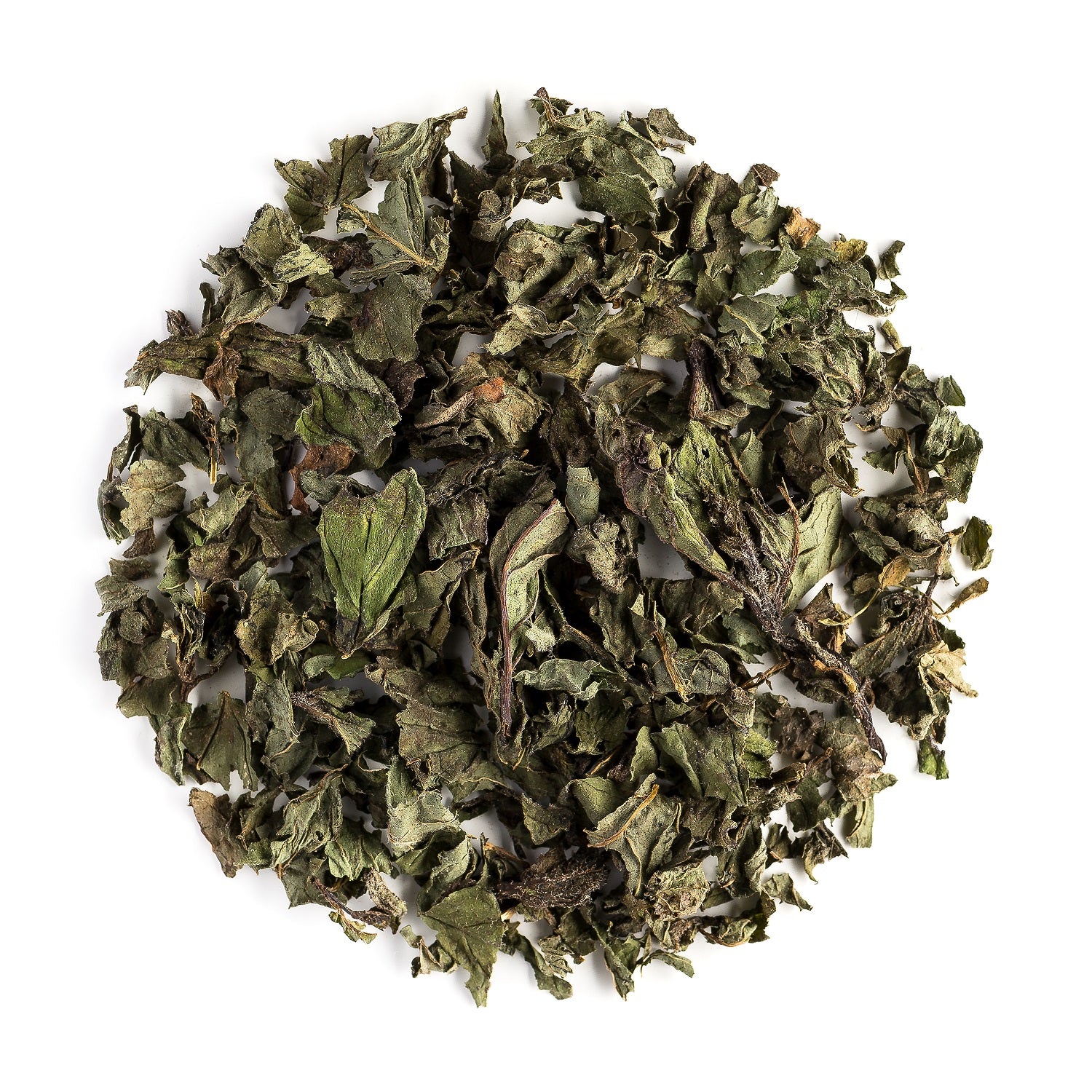
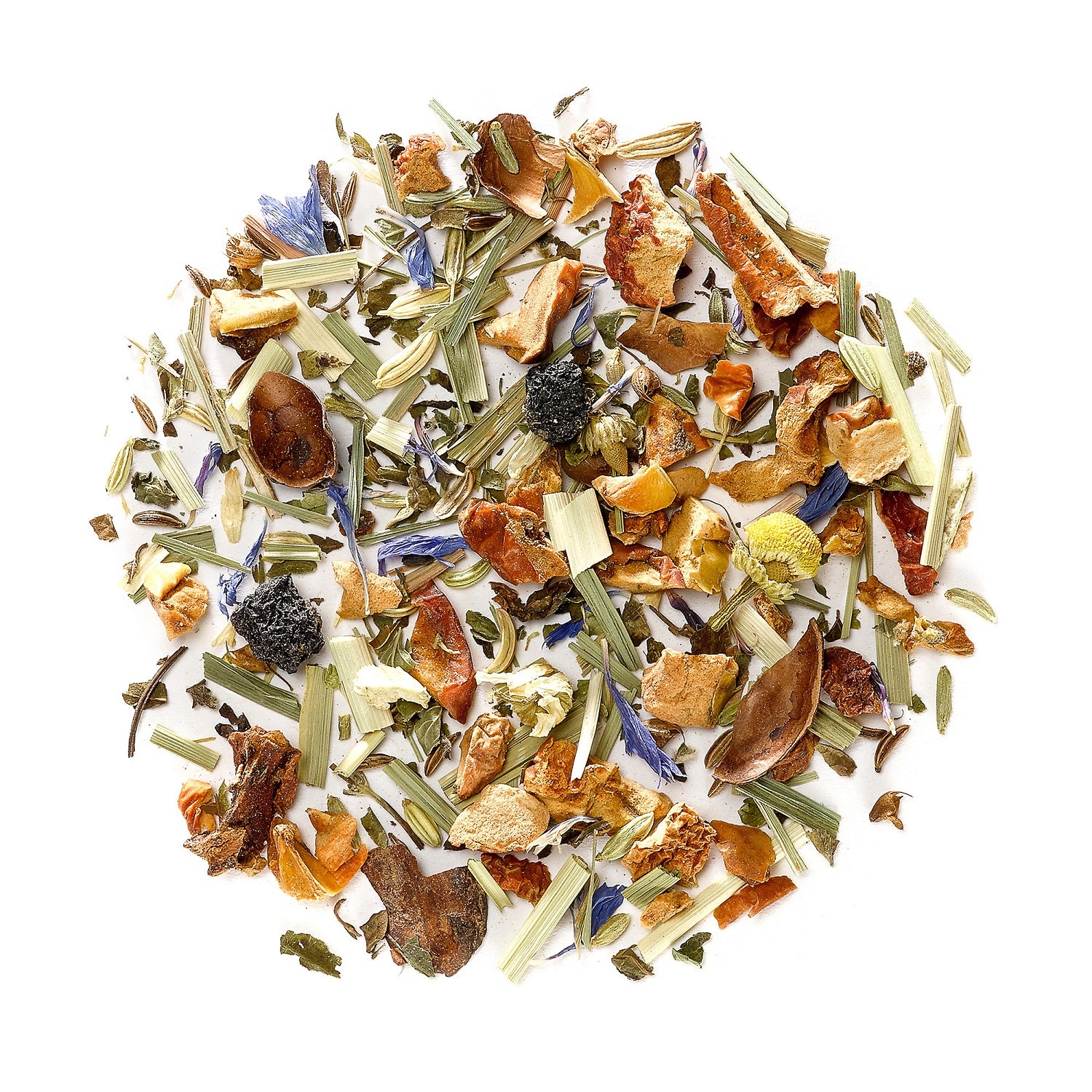
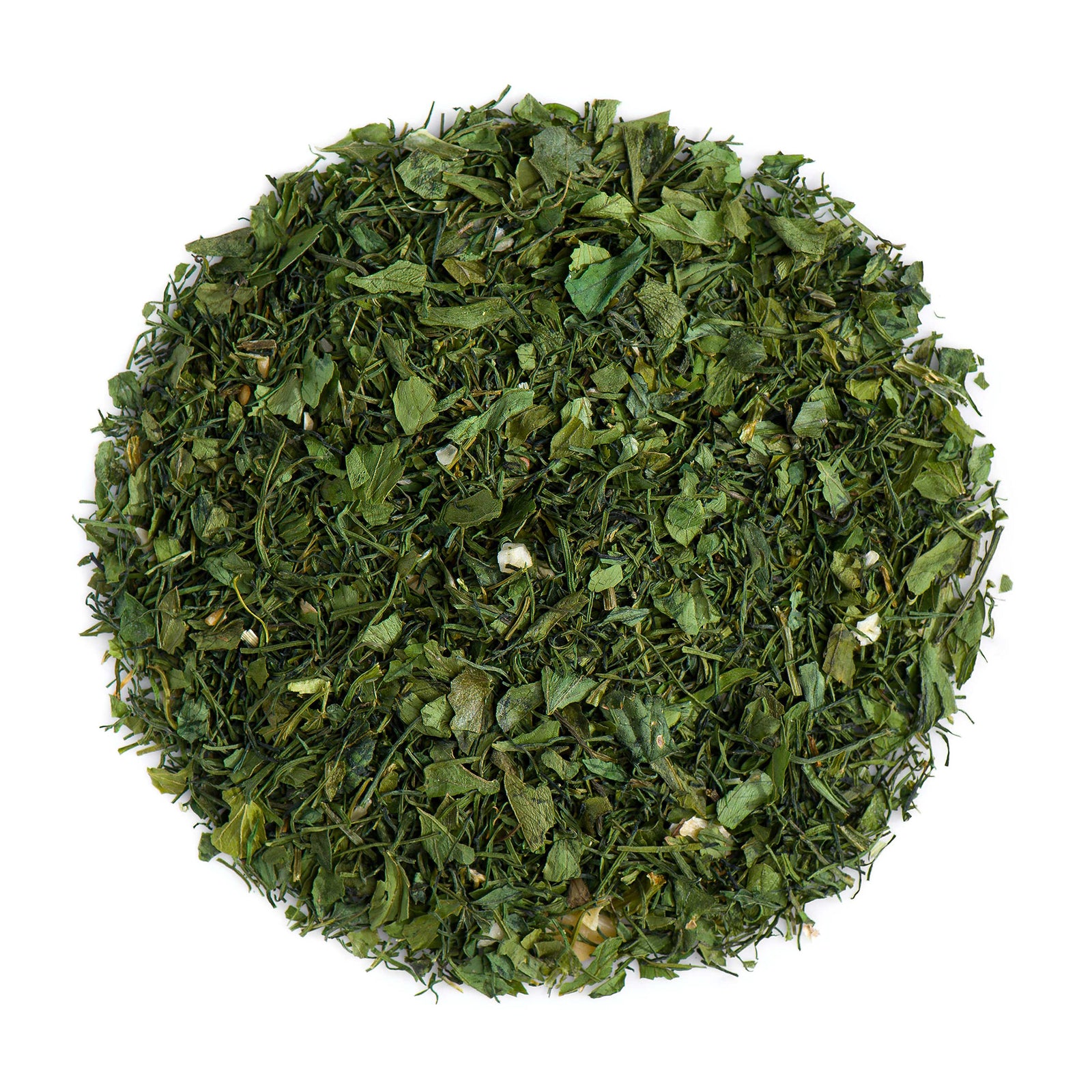
Herbal teas in loose leaf form contain recognizable plant material — whole chamomile flowers, large peppermint leaves, slices of dried ginger, hibiscus petals. The visual and aromatic experience is incomparably richer than the anonymous contents of a herbal tea bag. Some herbals show a bigger quality gap than others. Greek mountain tea, lemon verbena, and honeybush are among the teas where loose leaf versus bagged produces the most dramatic difference. Loose leaf herbal blends also tend to use higher-quality botanicals. Flavored teas in loose leaf form often include visible fruit pieces, flower petals, and spice chunks that add both flavor and visual appeal. Be wary of blends that contain dried bergamot pieces or citrus peel as filler — the oil is what gives Earl Grey its character, not the dried rind. Dried bergamot adds weight, not flavour. A quality loose leaf Earl Grey uses real bergamot oil on good tea leaves, and nothing else.How Loose Leaf Tea Is Graded

Tea grading systems describe leaf size and composition — they are primarily used for black teas from India and Sri Lanka. Understanding grades helps predict how a tea will brew.
Orthodox Tea Grading
The grading alphabet runs from whole leaf to dust:
Whole leaf grades: OP (Orange Pekoe) is the baseline — intact leaves without tips. FOP adds "Flowery" (some tips). GFOP adds "Golden" (more tips). TGFOP adds "Tippy." FTGFOP adds "Fine" — the highest standard grade. SFTGFOP adds "Special Fine" — reserved for exceptional teas. Broken grades: BOP (Broken Orange Pekoe) and its variants use smaller leaf pieces. They brew faster and stronger. FBOP, GBOP, and TGBOP follow the same modifier logic as whole leaf grades. Fannings and dust: F (Fannings) and D (Dust) are the smallest particles, used almost exclusively in tea bags. They extract in seconds and produce a strong, flat cup.What Grading Tells You (And What It Does Not)
Grades indicate leaf size, intactness, and the presence of tips (buds). They do not guarantee flavor quality. A well-made BOP from a good estate can outperform a mediocre FTGFOP. The grade tells you how the tea will brew (faster for smaller grades, more gradually for whole leaf) — not whether it will taste good. Processing skill, terroir, and freshness matter more than grade alone.
Chinese and Japanese teas do not use this system. They have their own naming conventions based on origin, cultivar, picking standard, and processing style.
Equipment for Brewing Loose Leaf Tea

You do not need much to brew loose leaf well. A basket infuser and a kettle with temperature control cover 90% of use cases. Everything beyond that is refinement.
Infusers and Strainers
Basket infusers are the best everyday option. They sit inside your mug or teapot, holding the leaves while allowing water to circulate freely. Look for a wide basket with fine mesh — the wider the basket, the more room the leaves have to expand. Avoid tiny tea balls and egg-shaped infusers — they constrict the leaves and produce weak, under-extracted tea. In-cup infusers (like the Finum Brewing Basket) are popular for single-cup brewing at a desk or kitchen counter. They lift out cleanly when steeping is done. Bottom-drain brewers (like the IngenuiTEA or similar) let you brew in the device, then release the tea into your cup by placing it on top. Simple, fast, and easy to clean.Teapots and Gaiwans
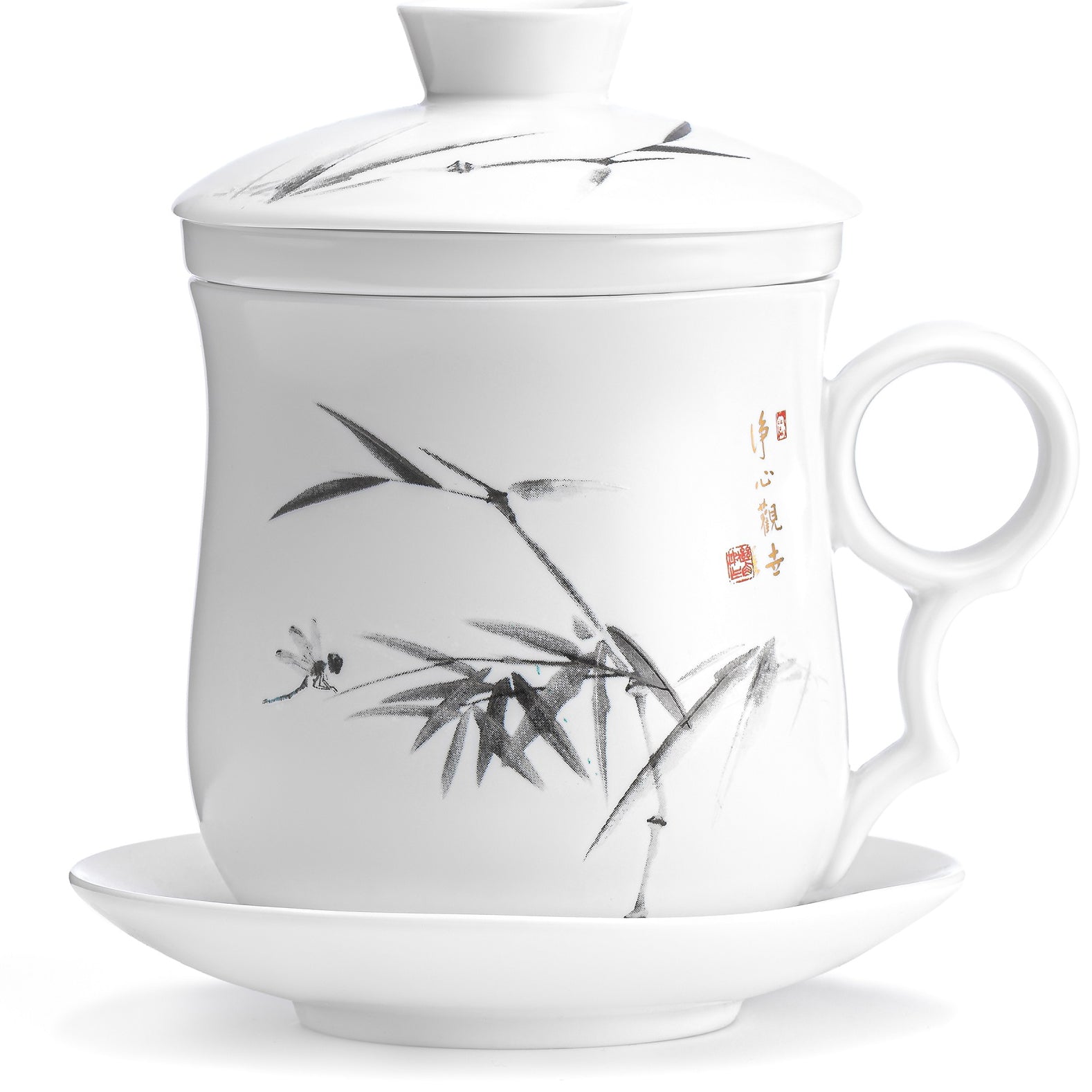
Glass teapots let you watch the leaves unfurl — useful for learning and beautiful for serving. Ceramic teapots retain heat well and are neutral in flavor. Clay teapots (Yixing, Jianshui) are porous and absorb flavor over time — traditionally dedicated to one tea type. They are a refinement for experienced drinkers, not a starting point. Gaiwans (lidded bowls) are the Chinese standard for gongfu brewing — 100-150ml capacity, simple to use, easy to clean, and versatile enough for any tea. A gaiwan and a few small cups is all you need for the Chinese tea experience.Kettles and Accessories
A variable temperature electric kettle is the single most useful upgrade for a tea drinker. Different teas need different water temperatures — 70°C for delicate green teas, 100°C for black tea and herbal. A kettle with presets eliminates guesswork.
A kitchen scale (0.1g precision) ensures consistent leaf-to-water ratios. This matters more than most people realize — using 2g versus 4g of the same tea produces dramatically different results. A timer helps beginners who are still calibrating their steep times.
How to Brew Loose Leaf Tea

The three variables that determine your cup: leaf quantity, water temperature, and steep time. Get these right and almost any loose leaf tea will taste good.
Western-Style Brewing
The standard method for daily tea drinking. My recommendation for anyone starting out: 2 grams of tea, 250ml of low-mineral water, 90 degrees, 5 minutes. That works for most teas. For green tea, drop to 80 degrees. For Japanese greens, drop further to 70 degrees. Pour over leaves, steep for the recommended time, and remove the leaves.
Temperature guide by tea type:
- \n- Green tea: 70-80°C, 2-3 minutes
- White tea: 80-85°C, 3-5 minutes
- Oolong tea: 85-95°C, 3-4 minutes
- Black tea: 95-100°C, 3-5 minutes
- Herbal tea: 100°C, 5-10 minutes
Gongfu-Style Brewing
The Chinese method uses more leaf (5-7g per 100ml), less water, and shorter steep times (10-30 seconds). This produces many short infusions rather than one long one — each revealing different aspects of the tea. Gongfu brewing is ideal for oolong, pu-erh, and high-quality Chinese black and green teas.
Use a gaiwan or small teapot (100-150ml). Rinse the leaves with a quick first steep (pour off), then brew in short infusions. Increase steep time gradually with each round. Good teas yield 5-10+ infusions this way.
Brewing Temperature and Time by Tea Type
These are starting points. Adjust based on your taste — if a tea is bitter, lower the temperature or shorten the steep time. If it is weak, use more leaf or steep longer. Tea brewing is simple enough to learn in a day and nuanced enough to refine for years.
How to Store Loose Leaf Tea

Tea has five enemies: light, heat, moisture, air, and strong odors. Protecting against all five keeps your tea fresh for months to years depending on the type.
The Five Enemies of Tea Freshness
Light breaks down chlorophyll and volatile compounds. Never store tea in clear glass on a shelf. Heat accelerates chemical degradation. Room temperature in a cool cupboard is fine — avoid the shelf above the stove or near a window. Moisture triggers mold and staleness. Tea should be bone-dry (2-3% moisture) when stored. Air introduces oxygen that oxidizes remaining volatile compounds. Strong odors are absorbed readily by tea — keep it away from spices, coffee, and cleaning products.Best Storage Containers
Tin canisters with tight-fitting lids are the classic choice — opaque, airtight, and affordable. Ceramic jars with rubber-sealed lids work well. Foil-lined bags with zip closures are practical for smaller quantities. Avoid clear glass jars (light exposure) and plastic containers (can impart off-flavors and are not fully airtight).
For delicate teas (green, light oolong), double-sealing helps — a foil bag inside a tin. Some Taiwanese high-mountain oolongs benefit from refrigerator storage in a fully sealed bag.
Shelf Life by Tea Type
Green tea: 6-12 months. Japanese greens are particularly perishable — buy in small quantities and drink quickly. White tea: 1-2 years, though aged white tea (3+ years) develops complexity and is a category of its own. Oolong tea: 1-2 years for light oolongs, 2-5+ years for roasted oolongs. Black tea: 1-2 years for most; some Yunnan blacks age well. Pu-erh: Improves with age — decades for good sheng. Herbal tea: 1-2 years in most cases.Loose Leaf Tea vs Tea Bags: The Full Comparison

Cost Per Cup
The math favors loose leaf more often than people expect. A quality loose leaf tea at €8 per 100g, used at 3g per cup, costs €0.24 per cup. A box of 20 premium tea bags at €4 costs €0.20 per cup — seemingly cheaper. But loose leaf tea often yields 2-3 infusions from the same leaves, dropping the effective cost to €0.08-0.12 per cup. Factor in re-steeping and loose leaf is cheaper than premium bags.
Budget tea bags (€2 for 40) cost €0.05 per cup — hard to beat on price alone. But the flavor gap is proportional to the price gap. You are comparing fundamentally different products.
Convenience and Portability
Tea bags win for travel, office, and situations where you cannot control the brewing environment. You can mitigate this with travel infusers, pre-portioned tea bags you fill yourself (empty filter bags), or premium pyramid sachets that use whole-leaf tea. The convenience gap is real but shrinkable.
At home or in any controlled environment, loose leaf adds maybe 30 seconds to the process — scooping leaves into an infuser versus tearing open a sachet. The flavor return on that 30 seconds is enormous.
How to Start with Loose Leaf Tea

The Starter Kit
You need three things: an infuser, a kettle, and tea. Total investment: under €25.
Infuser: A stainless steel basket infuser that fits your mug (€5-10). Get a wide one — the more room the leaves have, the better the tea. Kettle: Any kettle works to start. A variable temperature kettle (€25-40) is the best single upgrade you can make later — it eliminates the guesswork of cooling boiled water for green and white teas. Tea: Start with 2-3 teas you are curious about. If you are new, start with what you already drink — the loose leaf version of your usual tea will show you the difference immediately.First Teas to Try
If you drink English Breakfast tea bags, try a loose leaf Assam or an orthodox English Breakfast blend. The malt depth and body will surprise you.
If you drink green tea bags, try a loose leaf Sencha (Japanese) or Longjing (Chinese). The difference between bagged green tea and quality loose leaf green tea is one of the largest in the tea world.
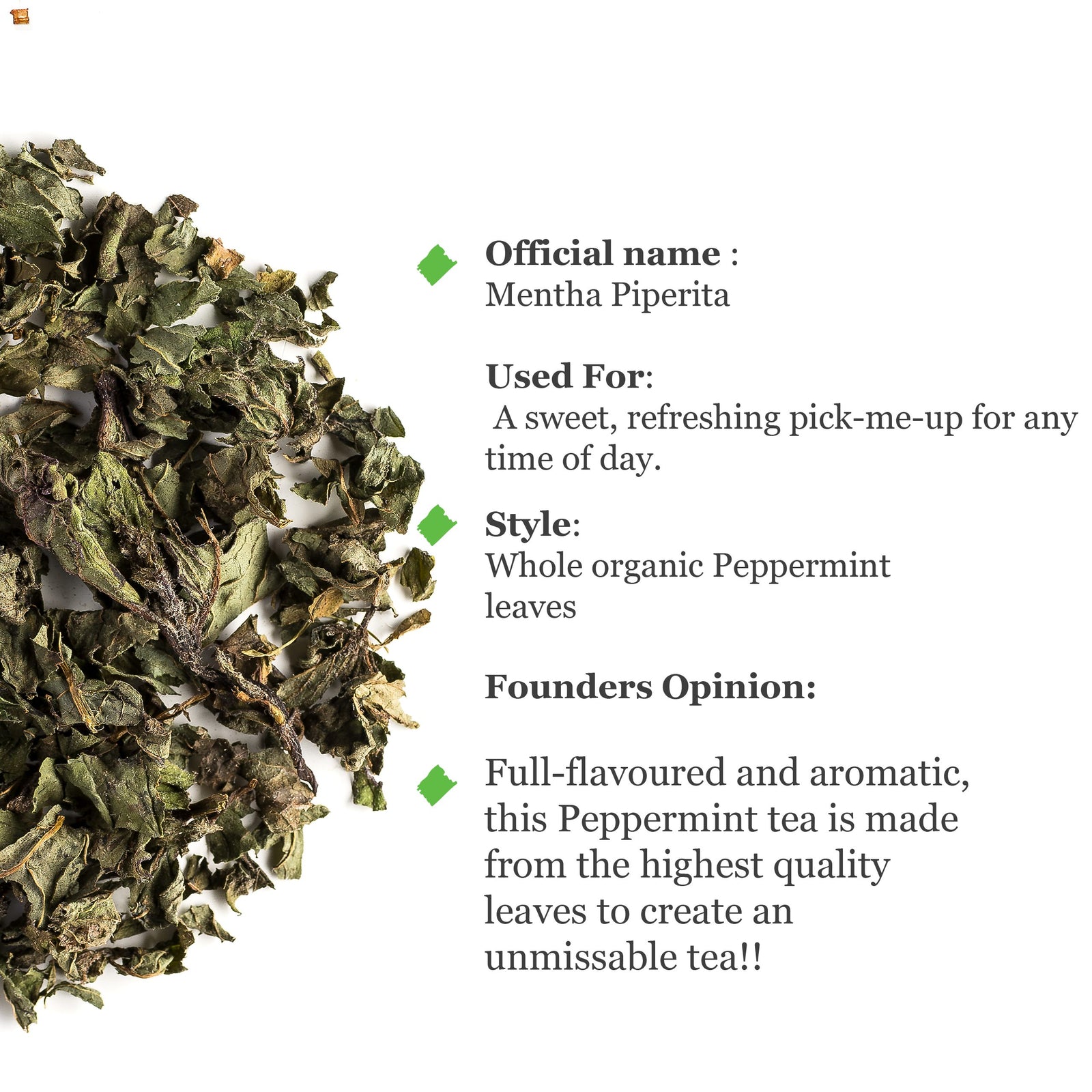
If you drink herbal tea bags, try loose chamomile flowers or whole peppermint leaves. Seeing the actual plant material and smelling the aroma of whole botanicals is a different experience from a paper bag of ground herbs.
If you have no tea habit yet, start with a Taiwanese oolong (Ali Shan or Jin Xuan) — naturally smooth, forgiving to brew, and impressive without any expertise.
Common Mistakes to Avoid
Using too much leaf produces a bitter, overwhelming cup. Start with 2-3 grams per 200ml and adjust upward if needed. A kitchen scale helps until you can eyeball it. Water too hot for green tea is the number one reason people think they dislike green tea. Boiling water on green tea leaves creates harsh bitterness. Use 70-80°C — noticeably below boiling. Steeping too long compounds every other mistake. Set a timer until you know your preferences. Two minutes extra turns a pleasant cup into an astringent one. Using a tiny tea ball prevents proper extraction. The leaves cannot expand and circulate, producing weak tea regardless of other variables. Use a basket infuser or brew freely in the pot.Frequently Asked Questions About Loose Leaf Tea
How many times can you steep loose leaf tea? It depends on the type. Green tea: 2-4 times. Black tea: 1-3 times. Oolong: 5-10+ times. Pu-erh: 10-15+ times. White tea: 3-5 times. Herbal: usually 1-2 times. Each steep should be slightly longer than the last. Is loose leaf tea more expensive? Per cup, often not — especially when you factor in multiple infusions. A 100g packet of quality loose leaf at €8-15 yields 30-50+ cups. Premium tea bags at €0.20-0.30 each cannot match that value at equivalent quality. Can you use loose leaf tea without an infuser? Yes. Brew in any vessel and pour through a fine mesh strainer. Or use the "grandpa style" — add leaves directly to a tall glass, add hot water, and drink around the floating leaves. This is how tea is consumed casually across much of China. Does loose leaf tea expire? It does not spoil in a food safety sense, but it loses flavor over time. Properly stored, most teas are good for 6 months to 2 years depending on type. Pu-erh and some roasted oolongs improve with age. Is loose leaf tea better than tea bags? In terms of flavor quality, virtually always — the leaf quality in loose leaf is higher and the brewing dynamics produce a more nuanced cup. Tea bags win on convenience. The question is whether 30 extra seconds per cup is worth the flavor upgrade. For most people who try both side by side, the answer is obvious.Making the Switch
Switching to loose leaf tea is the single biggest upgrade a tea drinker can make — bigger than trying a new variety, bigger than upgrading your teapot, bigger than any single brewing technique. The difference between tea bag dust and whole-leaf tea is not incremental. It is categorical.
Start with a basket infuser and one tea you are curious about. Brew it with attention to temperature and time. If you already drink tea daily, the switch adds minimal effort to your routine while transforming the cup. If you are new to tea entirely, starting with loose leaf means you will never have to unlearn the habits that bagged tea teaches — because loose leaf teaches the right habits from the start.
Related Articles
Zostaw komentarz
Komentarze są zatwierdzane przed publikacją.
Więcej w Valley of Tea Blog | Tea Guides, Origins & Brewing Tips
The Complete Guide to Drinking Tea
What tea is, how the main types differ in the cup, and how to brew each one properly. Water temperature, steeping times, storage and how to get more than one cup from your leaves.
Czytaj dalej
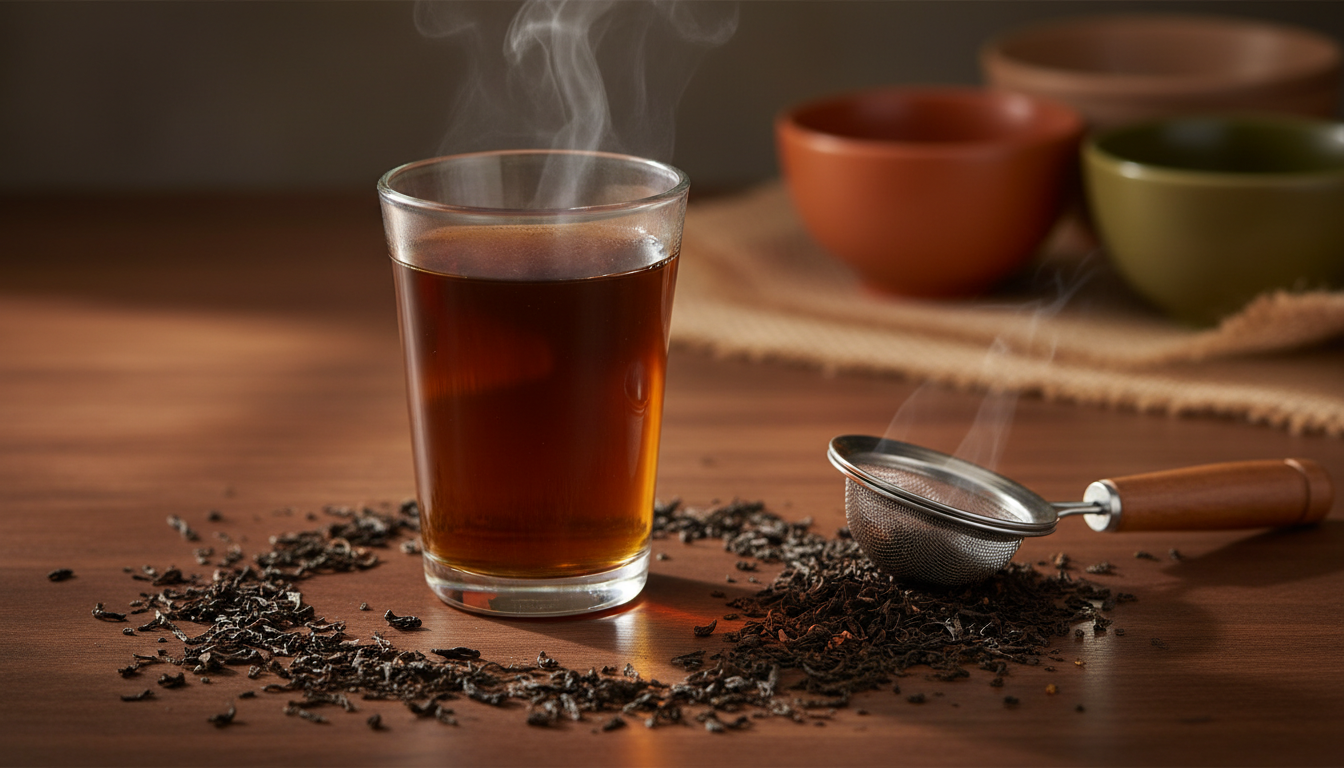

Black Tea: Types, Processing, and How to Brew It
Black tea is fully oxidized Camellia sinensis. Compare Assam, Darjeeling, Keemun, and Ceylon varieties. Learn processing, brewing, and caffeine levels.
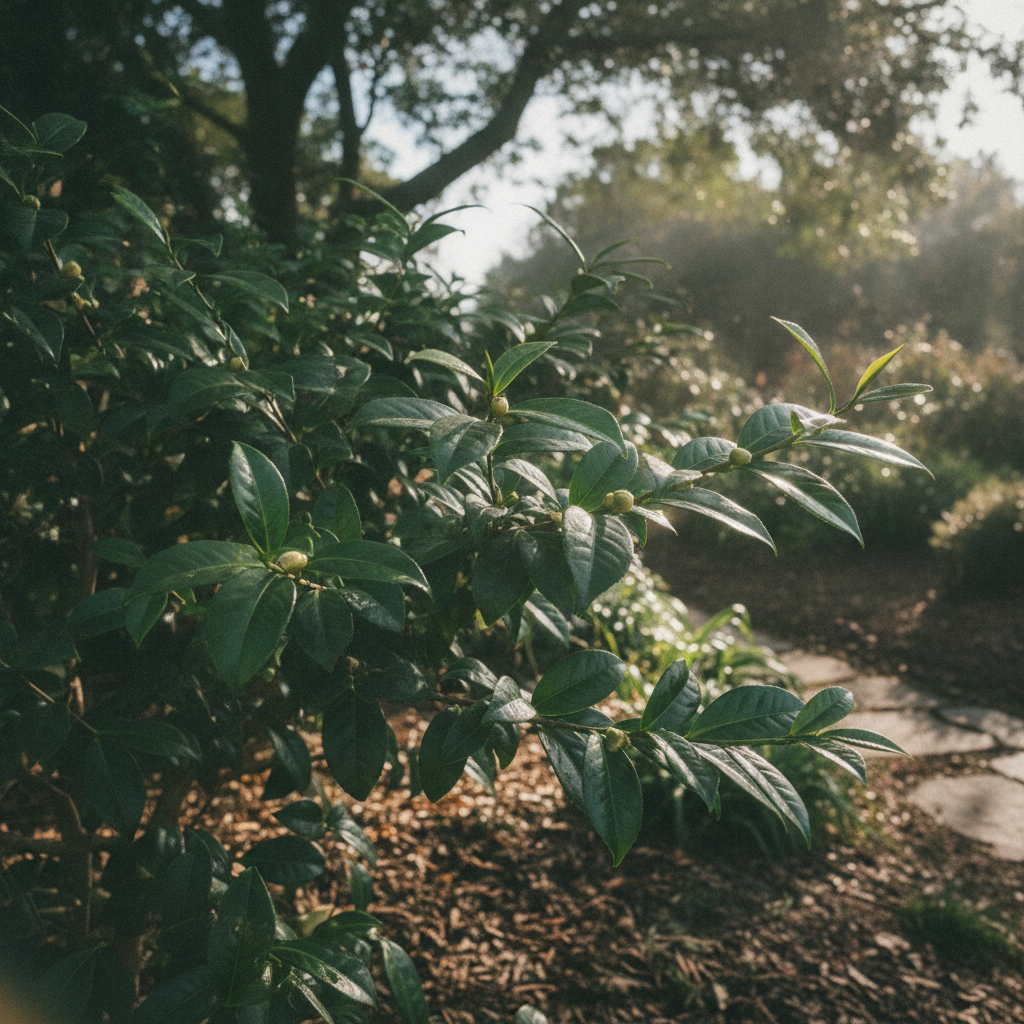

How To Grow Black Tea
Learn how to grow black tea at home: soil, climate, and the five processing steps from fresh leaf to a finished cup of black tea.

Mądrość to droga do lepszej herbaty.
Bezpłatny przewodnik parzenia: właściwa woda, temperatura i czas parzenia dla każdej herbaty z naszej oferty. Informacje o nowych zbiorach trafiają najpierw do subskrybentów.
Bez spamu. Rezygnacja w każdej chwili.
Prosimy sprawdzić skrzynkę.
Przewodnik jest w drodze.