













What Is Matcha? Grades, Taste, and How to Use It
Matcha is finely ground Japanese green tea consumed as a powder whisked into water — not steeped and discarded like other teas. Because you drink the entire leaf dissolved in the liquid, the flavor is more concentrated, the caffeine content is higher, and the color is vivid green. It is one of the few teas where the preparation method defines the category as much as the processing does.

The tea plants used for matcha are shade-grown for three to four weeks before harvest. This forced shade increases chlorophyll production (responsible for the intense green color) and amino acid concentration (responsible for the rich umami flavor). After harvest, the stems and veins are removed, and the remaining leaf — called tencha — is stone-ground into a fine powder on granite mills. Good matcha production is slow: a single stone mill produces roughly 30-40 grams per hour.
Matcha has been central to Japanese tea culture for over 800 years, used in the formal tea ceremony (chanoyu) as well as in everyday drinking. In the past decade, it has become a global ingredient — appearing in lattes, smoothies, ice cream, and baked goods. But the ceremonial preparation — powder whisked in hot water with a bamboo whisk — remains the most direct way to experience what matcha actually tastes like.
What Is Matcha?

Matcha is a specific type of Japanese green tea. Not all green tea powder is matcha. To qualify, the tea must be shade-grown (at least 20 days), have its stems and veins removed (producing tencha), and be stone-ground. Cheaper "matcha" products that grind regular green tea into powder skip these steps and produce a bitter, dull result that bears little resemblance to the real thing.
The shading step is what separates matcha from other green teas. When tea plants are deprived of sunlight, they produce more chlorophyll to capture the available light, and their leaves keep more L-theanine (an amino acid), because less of it is converted into catechins. Chlorophyll gives matcha its bright green color. L-theanine gives it the distinctive umami depth and smooth mouthfeel that separates it from regular green tea.
After harvest in late April to early May, the leaves are steamed (to prevent oxidation), dried, and stripped of stems and veins. The remaining leaf tissue — tencha — is stored cold and ground only as needed. The stone grinding is critical: mechanical grinding generates heat that damages the delicate compounds. Traditional granite mills turn slowly, keeping the temperature low and producing a particle size of 5-10 microns — fine enough to stay suspended in water rather than settling.
A Brief History of Matcha

Powdered tea originated in China during the Tang Dynasty (7th-10th century), where compressed tea was ground and whisked into hot water. The practice was brought to Japan by Zen Buddhist monk Eisai in 1191, who also brought tea seeds. While China eventually moved away from powdered tea toward loose-leaf steeping, Japan preserved and refined the tradition.
The Japanese tea ceremony (chanoyu or chadō) elevated matcha from a beverage to a spiritual and aesthetic practice. Sen no Rikyū (1522-1591) codified the ceremony's principles — harmony (wa), respect (kei), purity (sei), and tranquility (jaku) — that still guide it today. The ceremony's influence extended matcha culture into everyday Japanese life, where it remains a common way to drink tea.
Modern matcha production is centered in Uji (Kyoto prefecture), Nishio (Aichi prefecture), and Kagoshima. Uji is the historical and still the best-known origin — "Uji matcha" commands premium prices. Kagoshima has expanded production significantly in recent years, producing good quality at more accessible price points.
Grades of Matcha: Ceremonial vs Culinary

The matcha market broadly divides into two grades, though the terms are not officially standardized.
Ceremonial grade is intended for drinking straight — whisked with water and consumed as tea. It uses the youngest, most tender leaves from the first harvest (ichibancha). The color is vivid bright green. The flavor is smooth, naturally sweet, with strong umami and minimal bitterness. The powder is extremely fine and dissolves cleanly. Ceremonial grade matcha from a reputable source should taste good enough to drink with nothing but water — if it needs sugar or milk to be palatable, it is not genuine ceremonial grade.
Culinary grade uses leaves from later harvests or slightly older leaf material. The color is less vivid — sometimes olive or yellow-green rather than bright green. The flavor is more astringent and bitter, with less umami sweetness. This is by design: culinary matcha is meant to hold its flavor when mixed into lattes, smoothies, baking, and cooking. The stronger, more assertive taste cuts through milk, sugar, and other ingredients where ceremonial grade would disappear.
The quality spectrum within each grade is wide. Cheap "ceremonial" matcha from unknown sources may be worse than premium culinary grade from a respected producer. The grade label is a starting point, not a guarantee. Color is the most reliable quick indicator: vivid, bright green suggests quality. Dull, olive, or brownish-yellow suggests old, poorly shaded, or improperly processed tea.
Between the two extremes sits what some vendors call "premium" or "latte grade" — a mid-tier product suitable for both drinking and mixing. This category is not standardized but fills a real market need for people who want to use matcha in lattes without paying top ceremonial prices.
What Does Matcha Taste Like?

Good matcha has a flavor profile distinct from other teas. The dominant note is umami — a savory, brothy richness similar to dashi or parmesan. This comes from the high L-theanine content produced by shading. Alongside umami, there is a natural sweetness (not sugar-sweet, but a rounded, gentle sweetness), a hint of vegetal grassiness, and a creamy, almost buttery mouthfeel.
The aftertaste of quality matcha is clean and lingering — sweetness that builds rather than disappearing. Bad matcha tastes bitter, astringent, and flat, with a gritty texture from coarse grinding. The difference between good and bad matcha is very noticeable.
Flavor by grade:
- Top ceremonial: rich umami, natural sweetness, creamy body, virtually no bitterness
- Standard ceremonial: good umami, some bitterness, still smooth
- Premium culinary: moderate umami, more astringent, stronger vegetal notes
- Basic culinary: dominant bitterness, thin umami, works only with sweetener or milk
The freshness of matcha matters enormously. Once a tin is opened, the powder begins oxidizing — losing color, umami, and sweetness while gaining bitterness. Opened matcha should be consumed within 2-4 weeks for best results. This is faster degradation than any other tea type.
How to Prepare Matcha

Traditional Preparation (Usucha — Thin Tea)
- Sift 1.5-2 grams of matcha (about one level chashaku scoop or half a teaspoon) through a fine mesh strainer into a bowl (chawan). Sifting breaks up clumps and produces a smoother result.
- Add water — 60-80ml at 75-80°C. Not boiling. Boiling water produces bitterness.
- Whisk vigorously with a bamboo whisk (chasen) in a rapid W or M motion for 15-20 seconds until the surface is covered in a fine, uniform froth. The froth should be creamy and dense, not bubbly.
- Drink directly from the bowl. Traditional matcha has no additions — no sugar, no milk.
The total preparation time is about 60 seconds once you have your tools ready. It is faster than brewing a pot of tea.
Koicha (Thick Tea)
Ceremonial thick tea uses double the powder (3-4 grams) with less water (30-40ml). It is kneaded rather than whisked — producing a thick, almost paste-like consistency with intense umami. Koicha requires the highest quality matcha and is typically only prepared in formal settings or by serious enthusiasts.
Matcha Latte
For a matcha latte: whisk 2 grams of matcha with 30ml of hot water (80°C) until smooth. Add 150-200ml of steamed milk (dairy or plant-based). Sweeten if desired. The key is to dissolve the matcha fully in hot water first — adding powder directly to cold milk creates clumps. Our culinary grade matcha works best here; ceremonial grade is wasted in a latte.
Essential Tools
- Chasen (bamboo whisk): The traditional tool. Wire or electric frothers work but produce a different texture — less creamy, more foamy. A chasen costs €10-20 and makes a clear difference to the texture.
- Chawan (tea bowl): Wide, shallow bowl that gives the whisk room to move. Any wide-mouth bowl works.
- Chashaku (bamboo scoop): Measures roughly 1 gram per scoop. A half teaspoon achieves the same.
- Sifter: A small fine-mesh strainer. Prevents clumps.
Matcha Caffeine Content
Matcha contains approximately 60-70mg of caffeine per serving (2 grams of powder in 80ml of water). This is comparable to a shot of espresso (63mg) and higher than regular brewed green tea (20-45mg per cup). The concentrated nature of matcha — you consume the whole leaf, not just what steeps into water — accounts for the higher caffeine.
However, matcha and coffee differ in more than their caffeine numbers. Matcha has a high L-theanine content (3-5 times more than regular green tea), and this amino acid is a large part of its umami flavor. In the tea ceremony, matcha has been prepared and drunk slowly for centuries, with attention paid to every step.
The caffeine-to-L-theanine ratio in quality matcha is roughly 1:2. In coffee, there is virtually no L-theanine at all. This is one of the chemical differences between a cup of matcha and a cup of coffee, even when both contain similar caffeine.
How to Buy and Store Matcha

Buying
Color is the first quality signal. Vivid, bright green indicates proper shading, fresh processing, and quality leaf material. Dull olive, brown-green, or yellowish powder signals old matcha, poor shading, or low-quality leaf. If the matcha is not bright green, it is not worth buying at ceremonial prices.
Origin matters. Uji (Kyoto) is the historical origin, and Uji matcha commands premium prices. Nishio (Aichi) is another reputable source. Kagoshima produces good value matcha. Chinese "matcha" is generally not shade-grown tencha and should be treated as green tea powder, not matcha.
Packaging. Matcha should be sold in airtight, opaque tins or foil-sealed pouches. Clear packaging exposes the powder to light, accelerating degradation. Reputable vendors package in small quantities (20-30 grams) because freshness matters more for matcha than any other tea.
Price range. Genuine ceremonial grade matcha starts at roughly €20-30 per 30g tin from reputable Japanese sources. If it costs significantly less, it is likely culinary grade mislabeled as ceremonial, or it is not genuine matcha. Culinary grade at €8-15 per 50-100g is reasonable for lattes and cooking.
Storage
Matcha is the most perishable tea product. Once opened, use within 2-4 weeks. Store in the refrigerator in a sealed tin — the cold slows oxidation. Let the tin come to room temperature before opening to prevent condensation. Unopened tins stored in the freezer maintain quality for 6-12 months.
Never leave matcha exposed to air, light, or heat. The fine powder has enormous surface area, which means it oxidizes faster than any whole-leaf tea. Oxidized matcha turns from bright green to olive-brown and tastes flat and bitter.
Matcha FAQ
Is matcha just green tea powder? No. Matcha is shade-grown, de-stemmed (tencha), and stone-ground. Regular green tea ground into powder is not matcha — it lacks the umami, color, and smooth texture that shading and proper processing create.
How much matcha per day is reasonable? Most people drink 1-3 servings (2-6 grams) per day. At 60-70mg caffeine per serving, 3 cups equals roughly 200mg caffeine — half of the 400mg daily caffeine reference figure that EFSA and the FDA cite for adults.
Does matcha stain teeth? The chlorophyll in matcha can leave a green tint on teeth. Rinsing with water after drinking removes it.
Can I use ceremonial matcha in a latte? You can, but the delicate umami flavors are masked by milk and sweetener. Culinary or premium grade delivers a stronger tea flavor that holds up in mixed drinks. Save ceremonial grade for drinking straight.
Why is my matcha bitter? Usually because the water was too hot (use 75-80°C, not boiling), the matcha was old or oxidized, or the grade was lower than expected. Quality, fresh ceremonial matcha should not taste bitter when prepared correctly.
Matcha: The Whole Leaf Experience

Matcha is the only tea where you consume the entire leaf. This makes it a very concentrated form of what the tea plant produces — the highest caffeine, the most L-theanine, the most intense color and flavor. It also makes quality non-negotiable: there is nowhere for bad matcha to hide.
Start with a small tin of ceremonial grade matcha from a named Japanese origin. Sift it, whisk it with 80°C water, and drink it plain. That first bowl will tell you whether matcha is vivid green and umami-rich or dull and bitter — and from there, you will know exactly what quality to look for.
Related Articles
Zostaw komentarz
Komentarze są zatwierdzane przed publikacją.
Więcej w Valley of Tea Blog | Tea Guides, Origins & Brewing Tips
The Complete Guide to Drinking Tea
What tea is, how the main types differ in the cup, and how to brew each one properly. Water temperature, steeping times, storage and how to get more than one cup from your leaves.
Czytaj dalej
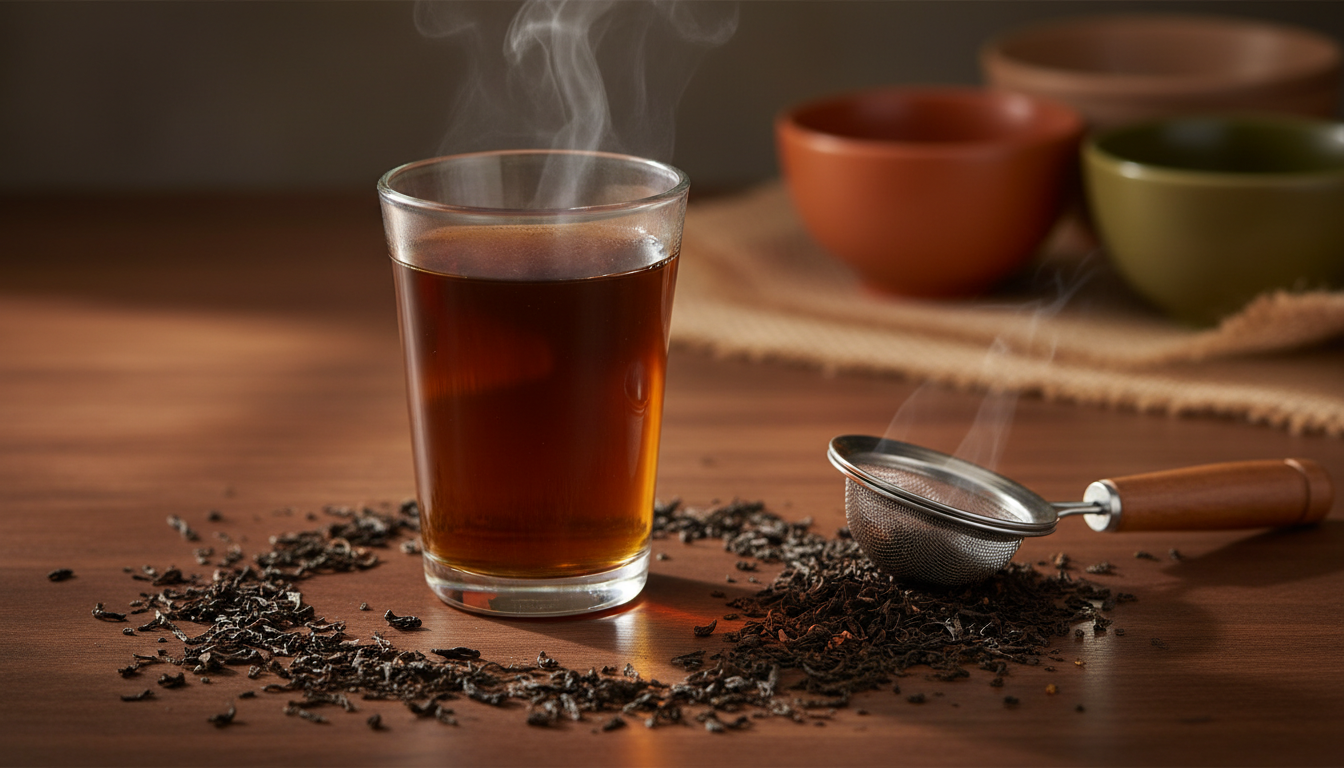

Black Tea: Types, Processing, and How to Brew It
Black tea is fully oxidized Camellia sinensis. Compare Assam, Darjeeling, Keemun, and Ceylon varieties. Learn processing, brewing, and caffeine levels.

How To Grow Black Tea
Learn how to grow black tea at home: soil, climate, and the five processing steps from fresh leaf to a finished cup of black tea.

Mądrość to droga do lepszej herbaty.
Bezpłatny przewodnik parzenia: właściwa woda, temperatura i czas parzenia dla każdej herbaty z naszej oferty. Informacje o nowych zbiorach trafiają najpierw do subskrybentów.
Bez spamu. Rezygnacja w każdej chwili.
Prosimy sprawdzić skrzynkę.
Przewodnik jest w drodze.