












Darjeeling Tea: Perfect Brew Temperature?
Getting the water temperature right makes or breaks a cup of Darjeeling. Too hot and you scorch the leaves, releasing bitter tannins that mask the tea's natural character. Too cool and you get a flat, underwhelming brew that wastes good leaf. This darjeeling tea brewing guide covers temperature and time to extract the best flavor from your cup, whether you are working with a spring first flush or a full-bodied second flush.


Why Temperature Matters More for Darjeeling Than Most Teas
Darjeeling leaves are thinner and more delicate than those used for most black teas. They come from the Camellia sinensis var. sinensis plant, the same species used for Chinese green and white teas. This means Darjeeling shares more processing sensitivity with lighter teas than with the bold Assam or Ceylon leaves many people brew at a full boil.
First flush Darjeeling, harvested in March and April, is the most delicate. These leaves are young, lightly oxidized, and carry floral and muscatel notes that vanish at high temperatures. Second flush Darjeeling, picked in May and June, undergoes more oxidation. It handles slightly higher heat and produces a fuller, more amber cup.
The Ideal Temperature Range

For first flush Darjeeling, aim for 80-85°C. Some particularly fine lots do best at the lower end of that range. If you do not own a variable temperature kettle, bring your water to a boil and then let it sit with the lid off for 3-4 minutes before pouring.

For second flush Darjeeling, target 85-90°C. The extra oxidation in these leaves means they can handle a bit more heat without turning bitter. You can let boiled water cool for about 2 minutes to reach this range.
If you are brewing our Darjeeling, these ranges will bring out the muscatel and stone fruit notes the tea is known for.
Steep Time: Finding the Right Duration

A reliable darjeeling tea brewing guide pairs temperature and time: 80°C for 3 minutes for first flush, 85-90°C for 3-4 minutes for second flush. Going beyond 5 minutes is rarely a good idea with any Darjeeling.
Use 2-2.5 grams of loose leaf per 200ml of water. If you prefer a stronger cup, add more leaf rather than extending the steep. Extra time pulls out tannins. Extra leaf intensifies flavor without the bitterness.
Darjeeling also responds well to multiple infusions. A good first flush can yield two or three steeps. Add 30 seconds to each subsequent infusion.
Water Quality Makes a Visible Difference
Hard tap water dulls Darjeeling's brightness. The calcium and magnesium in hard water bind to polyphenols and reduce the tea's clarity, both visually and in flavor. Filtered water is the minimum standard.
Spring water with a moderate mineral content around 50-150 ppm total dissolved solids works well. Avoid distilled water entirely. Some mineral content is necessary for proper extraction. Pure distilled water produces a flat, lifeless brew.
Fresh water matters too. Water that has been boiled multiple times loses dissolved oxygen, which affects mouthfeel. Start with fresh, cold water each time.
Common Mistakes That Ruin Darjeeling

The most frequent error is using boiling water. Rolling boil water at 100°C scorches the leaf surface and floods the cup with astringency before any nuanced flavor has a chance to develop.
Over-steeping is the second most common problem. Setting a timer is not optional. Even 30 seconds past the ideal window introduces a noticeable increase in bitterness, especially with first flush leaves.
Using a small, cramped infuser also limits results. Darjeeling leaves need room to unfurl. A basket-style infuser or an open pot gives the leaves space to expand and release flavor evenly.
Finally, storing your tea poorly undermines everything else. Keep your Darjeeling in an airtight container away from light, heat, and strong odors.
Darjeeling rewards precision. A framework of 80-90°C and 3-4 minutes covers most scenarios, but the real skill is paying attention to the specific tea in front of you. Start at the lower end of both ranges, taste, and adjust from there. Once you dial in the right parameters, the difference between a decent cup and an notable one becomes unmistakable.
Lämna en kommentar
Kommentarer granskas innan de visas.
Mer i Valley of Tea Blog | Tea Guides, Origins & Brewing Tips
The Complete Guide to Drinking Tea
What tea is, how the main types differ in the cup, and how to brew each one properly. Water temperature, steeping times, storage and how to get more than one cup from your leaves.
Läs mer
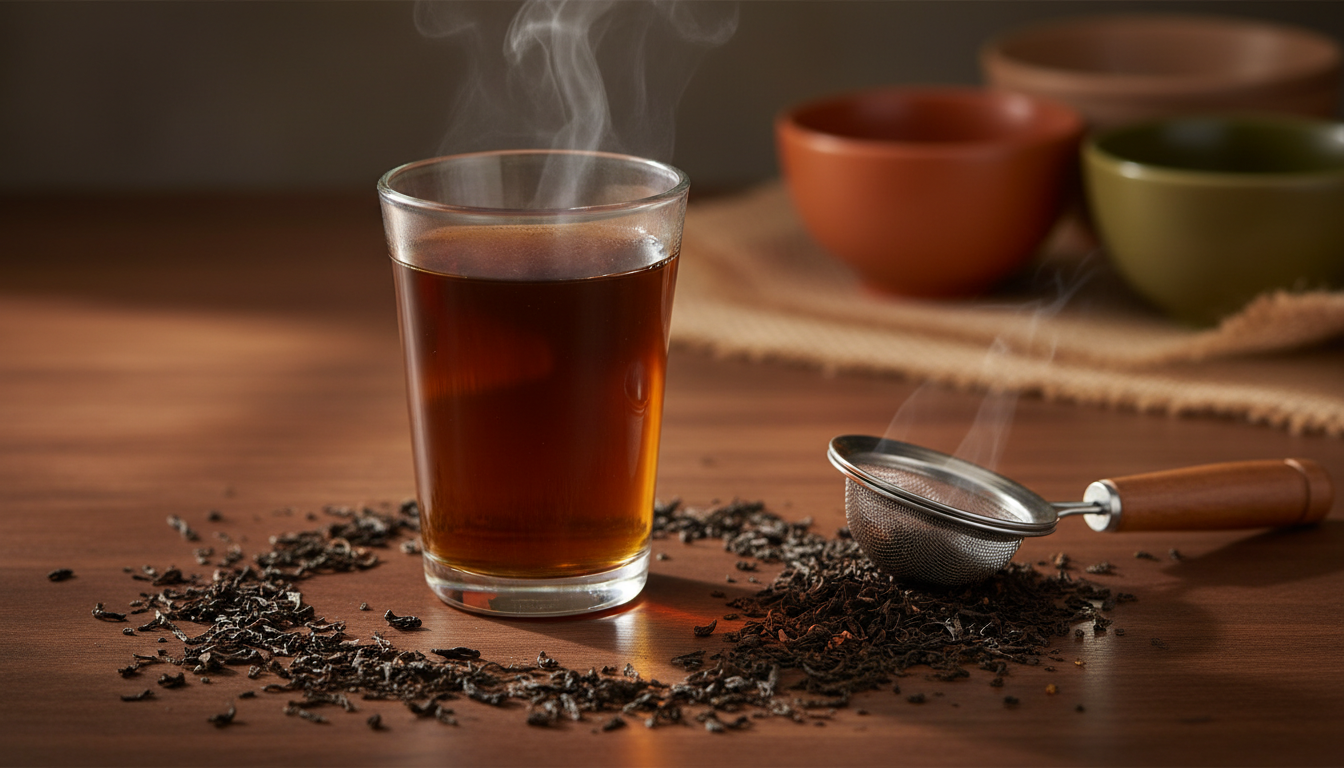

Black Tea: Types, Processing, and How to Brew It
Black tea is fully oxidized Camellia sinensis. Compare Assam, Darjeeling, Keemun, and Ceylon varieties. Learn processing, brewing, and caffeine levels.
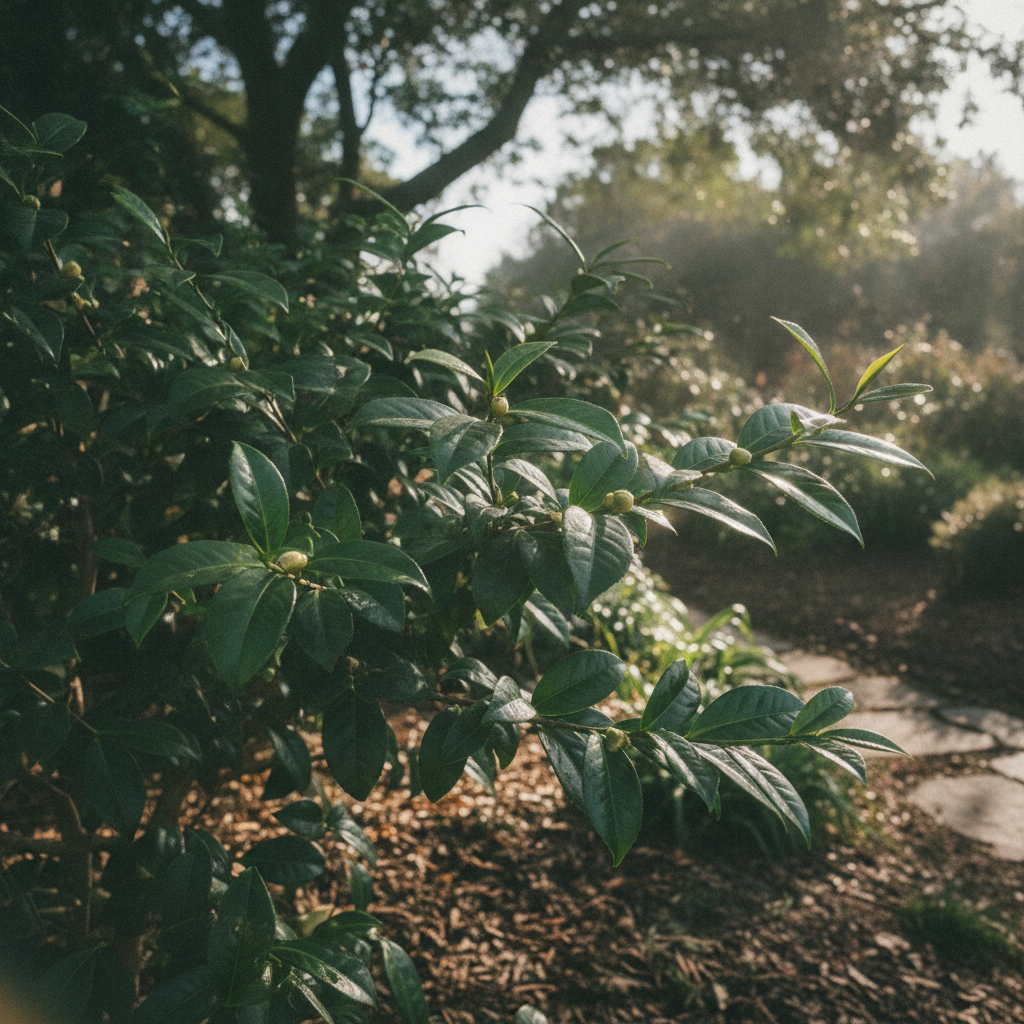

How To Grow Black Tea
Learn how to grow black tea at home: soil, climate, and the five processing steps from fresh leaf to a finished cup of black tea.

Visdom är vägen till bättre te.
Få vår kostnadsfria bryggguide: rätt vatten, temperatur och dragtid för varje te vi säljer. Du får också veta först när nya skördar kommer in.
Ingen skräppost. Avsluta när du vill.
Kolla din inkorg.
Guiden är på väg.