













How To Make Moringa Tea
Moringa tea has a clean, earthy taste that sits somewhere between green tea and spinach — mild enough to drink daily, strong enough to hold its own with added flavors. Whether you are working with whole dried leaves or moringa powder, the brewing method matters more than most people assume. Water too hot and you get a flat, grassy cup. Steeped too long and it turns bitter. This guide covers the exact steps for every way to make moringa tea — hot, iced, blended with ginger, brightened with lemon, and mixed into a smoothie — so you get a good result every time.
At Valley of Tea, we have been sourcing and tasting teas for over fifteen years. This guide draws on that experience.
 matcha" width="1184" height="888" loading="lazy" style="max-width:680px;width:100%;height:auto;display:block;margin:20px auto;">
What You Need
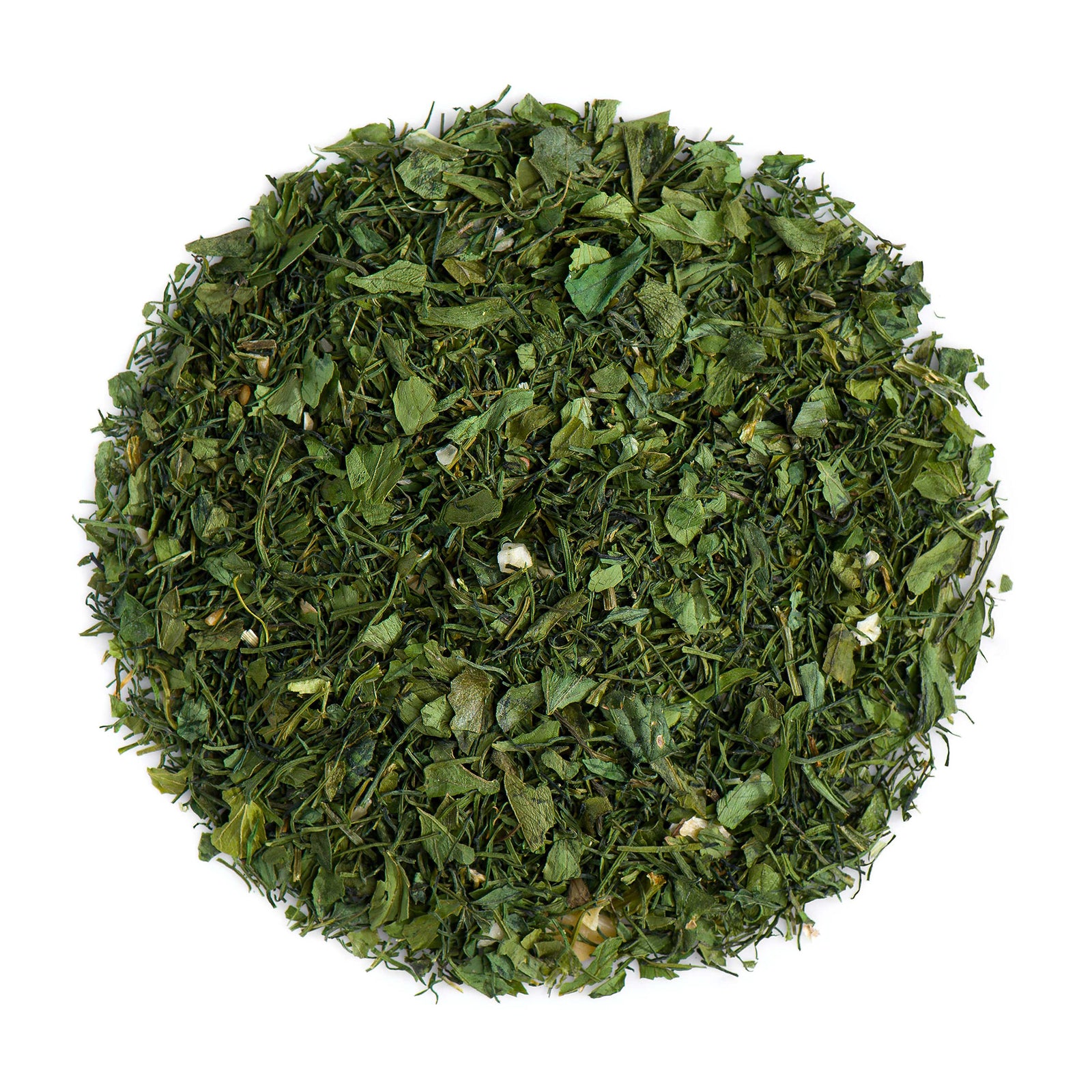
Moringa leaves or moringa powder. These are two different starting points and they produce different results. Dried moringa leaves brew more like a traditional tea — lighter body, cleaner flavor, and a gentle vegetal note. Moringa powder dissolves partially into the water, giving a thicker texture and a more concentrated taste. Neither is objectively better. Leaves are better for straight hot tea. Powder works well in blended drinks and smoothies.
If you are buying dried leaves, look for whole or lightly crushed leaves with a vibrant green color. Leaves that have turned yellow or brown have oxidized and lost much of their flavor and nutritional value. For powder, choose a fine-milled product that is bright green, not olive or khaki. Our loose leaf moringa is shade-dried and packed to order to preserve its color and phytochemical content.
Water. Freshly drawn, filtered water. Moringa has a subtle flavor profile that gets muddied by heavily chlorinated or mineral-heavy tap water.
A way to heat water. A temperature-controlled kettle is ideal because moringa does best well below boiling. A standard kettle works — just let it cool after boiling.
Something to brew in. A teapot with a built-in strainer, a mug with an infuser basket, or a French press. For powder, you do not need a strainer — just a mug and a spoon or small whisk.
Basic Hot Moringa Tea
This is the foundation. Get this right and every variation that follows is straightforward.

- Measure 2 to 3 grams of dried moringa leaves per 250 ml (one cup) of water. That is roughly 1 tablespoon of loosely packed leaves. If you are using moringa powder, use 1 teaspoon per cup.
- Heat your water to 80 degrees C (176 degrees F). This is well below boiling. If you do not have a temperature-controlled kettle, bring the water to a full boil and let it rest for 3 to 4 minutes.
- Place the leaves in your infuser or teapot. If using powder, put it directly in your mug.
- Pour the hot water over the leaves or powder.
- Steep for 3 to 5 minutes. Three minutes produces a lighter, more delicate cup. Five minutes gives a fuller, more robust flavor. Do not go past 5 minutes — moringa turns noticeably bitter with over-steeping.
- Remove the infuser or strain out the leaves. If you used powder, stir well — some settling is normal.
- Drink as is, or add honey to taste.
The reason for 80 degrees rather than boiling is that moringa leaves are thin and delicate. Boiling water breaks down the volatile compounds too aggressively, producing a flat taste and destroying some of the nutrients that make moringa worth drinking in the first place. Research on Moringa oleifera confirms that heat-sensitive vitamins and polyphenols are best preserved at lower processing temperatures. Keeping the water at 80 degrees preserves both flavor and nutritional content.
Moringa Tea with Lemon and Honey

Lemon lifts moringa's earthy base note and makes the cup taste brighter and more refreshing. Honey balances any remaining grassiness. This is the version most people reach for after trying plain moringa once or twice.
- Brew a cup of basic hot moringa tea following the method above (leaves or powder, 80 degrees C, 3 to 5 minutes).
- Let the tea cool for 1 to 2 minutes after removing the leaves. You want it warm, not scalding, before adding honey — very hot water reduces honey's flavor complexity.
- Stir in 1 teaspoon of honey until dissolved.
- Squeeze in the juice of half a lemon, or about 1 tablespoon of fresh lemon juice.
- Stir and taste. Adjust honey or lemon to your preference.
A thin slice of lemon dropped into the cup after squeezing looks good and adds a faint citrus aroma as you drink. Fresh lemon makes a noticeable difference over bottled juice.
Moringa-Ginger Blend

Ginger and moringa are a strong combination. Ginger adds warmth and a sharp bite that contrasts well with moringa's smooth, vegetal flavor. This blend works particularly well in cooler weather or when you want something with more body.
- Peel and thinly slice a 2 cm piece of fresh ginger root. Thin slices release more flavor than a single thick chunk.
- Place the ginger slices and 2 to 3 grams of dried moringa leaves (or 1 teaspoon of powder) in your teapot or infuser.
- Heat water to 80 degrees C.
- Pour the water over the ginger and moringa.
- Steep for 4 to 5 minutes. The ginger needs a bit more time than moringa alone, so 4 minutes is the minimum here.
- Strain and serve.
If you want a stronger ginger presence, gently crush the slices with the flat side of a knife before adding them. You can also add a teaspoon of honey — ginger and honey are a well-established pair for good reason.
For a shortcut version, combine moringa with about a quarter teaspoon of dried ground ginger. It will not have the same brightness as fresh ginger, but it gets the job done.

Iced Moringa Tea

Iced moringa is clean, refreshing, and works well through warmer months. The cold brewing method produces a smoother, less bitter result than brewing hot and cooling down.
Cold Brew Method (Recommended)
- Add 3 to 4 grams of dried moringa leaves or 1.5 teaspoons of moringa powder to a jar or pitcher with 350 ml of cold or room-temperature filtered water.
- Stir briefly if using powder.
- Cover and refrigerate for 4 to 8 hours, or overnight. Six hours is a good middle ground.
- Strain out the leaves if you used them. If you used powder, give it a good stir — the powder will have settled.
- Serve over ice. Add a squeeze of lemon or a drizzle of honey if desired.
Quick Method
- Brew a double-strength hot moringa tea: use 4 to 5 grams of leaves or 2 teaspoons of powder in 150 ml of 80-degree water.
- Steep for 4 minutes and strain.
- Pour over a full glass of ice. The ice will dilute and cool the concentrate to drinking strength.
The cold brew method is worth the wait. Cold water extracts flavor more gently, which means fewer bitter compounds and a naturally sweeter, smoother taste.
Moringa Smoothie Tea

This is where moringa powder really shines. The powder blends seamlessly into a smoothie base, adding its nutritional profile without making the drink taste like lawn clippings — provided you balance the flavors properly.
- Brew 150 ml of moringa tea using 1 teaspoon of powder and let it cool to room temperature (or use cold brew moringa from the fridge).
- Add the cooled moringa tea to a blender along with:
- 1 banana (fresh or frozen)
- A handful of spinach or kale (optional — moringa is already green enough)
- 100 ml of milk, oat milk, or coconut milk
- 1 teaspoon of honey or a couple of pitted dates for sweetness
- Blend until smooth.
- Taste and adjust. More banana for sweetness, more moringa tea for a stronger tea flavor.
Frozen banana makes the texture thicker and more satisfying. If you want it colder without diluting, freeze the moringa tea into ice cubes and use those in place of regular ice.
Common Mistakes

Using boiling water. This is the single most common error. Boiling water scalds moringa leaves and destroys the delicate flavor compounds. Always let the water cool to 80 degrees C before pouring. If you only remember one thing from this guide, make it this.
Steeping too long. Moringa is not a tea that rewards patience past a certain point. After 5 minutes, bitterness starts to build rapidly. Set a timer until you get a feel for it.

Using too much powder. More is not better with moringa powder. One teaspoon per cup is the right amount. Two teaspoons makes the texture unpleasantly thick and the taste overwhelmingly grassy. You can always make a second cup.
Ignoring water quality. Moringa has a subtle flavor. If your tap water has a strong chlorine taste or mineral content, it will mask the moringa entirely. Use filtered water.
Storing moringa poorly. Moringa leaves and powder degrade quickly when exposed to light, heat, and moisture. Keep them in an airtight container in a cool, dark place. A clear jar on the kitchen counter next to the stove is about the worst place you could put them. If you are curious about the full nutritional profile of moringa and why storage matters, our guide to moringa tea benefits covers this in detail.
Nutritional Notes

Moringa oleifera leaves are exceptionally nutrient-dense. A 2024 review of moringa's nutritional value and therapeutic potential found the leaves contain significant concentrations of vitamins A, B, and C, along with calcium, potassium, iron, and a range of polyphenols with antioxidant activity. Brewing at 80 degrees C rather than boiling helps preserve these heat-sensitive compounds in the cup.
Most of the research on moringa's health properties is based on leaf extracts or animal studies. The concentrations in a brewed cup of tea are lower than in concentrated extracts, and individual absorption varies. What the evidence does support clearly is that moringa is a nutritionally rich ingredient worth including in a varied diet. If you want a deeper look at what the research says, our post on 6 reasons to drink moringa daily covers the key findings.
Quick Reference
| Preparation | Moringa Amount | Water Temp | Steep Time | Notes |
|---|---|---|---|---|
| Basic hot tea (leaves) | 2-3 g per 250 ml | 80 C | 3-5 min | Remove leaves promptly |
| Basic hot tea (powder) | 1 tsp per 250 ml | 80 C | 3-5 min | Stir well, settling is normal |
| Lemon and honey | 2-3 g or 1 tsp | 80 C | 3-5 min | Add honey first, then lemon |
| Ginger blend | 2-3 g or 1 tsp + 2 cm ginger | 80 C | 4-5 min | Slice ginger thin |
| Cold brew iced | 3-4 g or 1.5 tsp per 350 ml | Cold | 4-8 hours | Refrigerate covered |
| Quick iced | 4-5 g or 2 tsp per 150 ml | 80 C | 4 min | Pour over full glass of ice |
| Smoothie tea | 1 tsp in 150 ml | 80 C or cold | 3-5 min | Cool before blending |
Moringa is a straightforward tea to make well, as long as you respect the temperature and timing. Keep the water at 80 degrees, do not over-steep, and start with the basic hot method before branching out into blends and cold brews. Once you have the fundamentals down, every variation in this guide takes less than five minutes of hands-on time.
Lämna en kommentar
Kommentarer granskas innan de visas.
Mer i Valley of Tea Blog | Tea Guides, Origins & Brewing Tips
The Complete Guide to Drinking Tea
What tea is, how the main types differ in the cup, and how to brew each one properly. Water temperature, steeping times, storage and how to get more than one cup from your leaves.
Läs mer

Black Tea: Types, Processing, and How to Brew It
Black tea is fully oxidized Camellia sinensis. Compare Assam, Darjeeling, Keemun, and Ceylon varieties. Learn processing, brewing, and caffeine levels.

How To Grow Black Tea
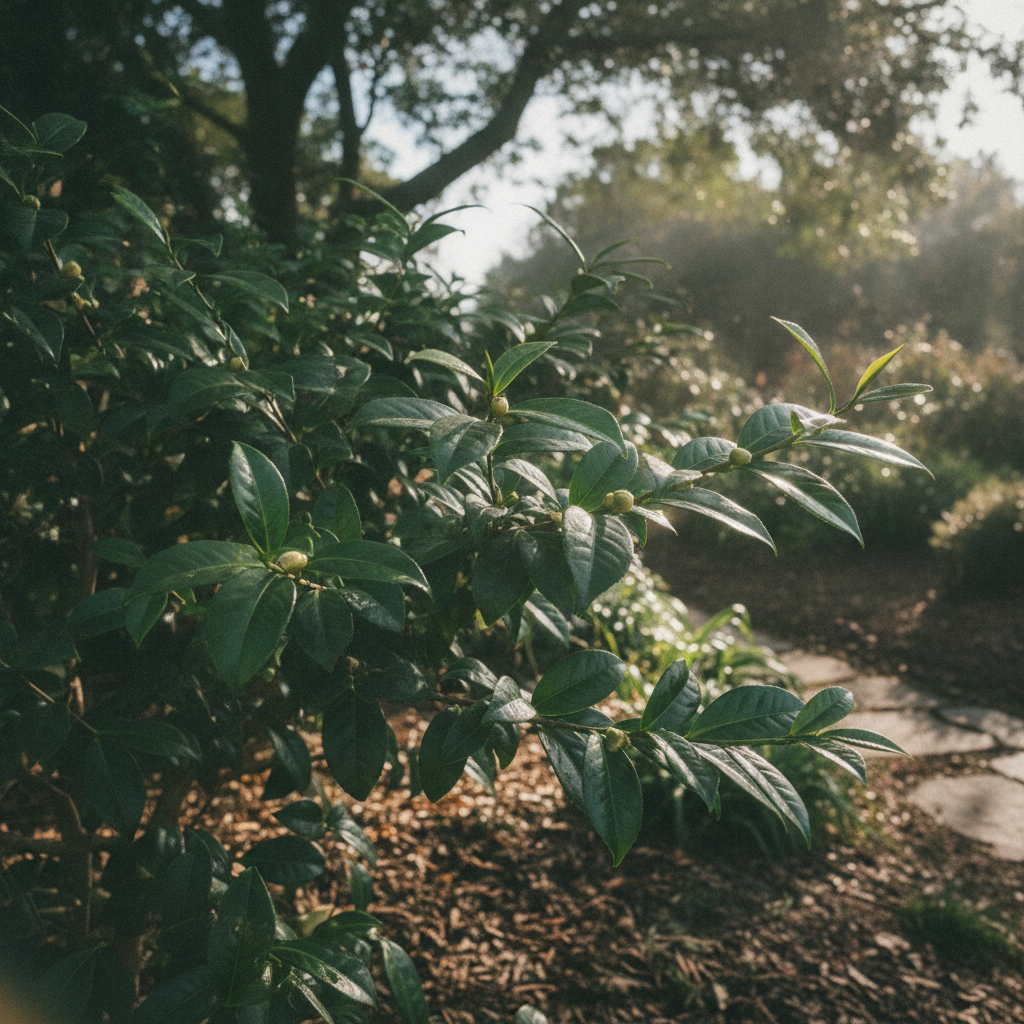
Learn how to grow black tea at home: soil, climate, and the five processing steps from fresh leaf to a finished cup of black tea.

Visdom är vägen till bättre te.
Få vår kostnadsfria bryggguide: rätt vatten, temperatur och dragtid för varje te vi säljer. Du får också veta först när nya skördar kommer in.
Ingen skräppost. Avsluta när du vill.
Kolla din inkorg.
Guiden är på väg.