













Masala Chai Recipe
Masala chai means "spiced tea mixture" in Hindi. It is not a brand, a packet blend, or a fixed formula – it is a method. Every household in India has its own spice ratio, and families guard those ratios the way others guard bread recipes.
My own masala chai recipe started with my mother's blend, and it has evolved over the years as I have worked more closely with the teas and spices that go into it. What matters is not finding the "correct" version but understanding the principles: a strong black tea base, whole spices freshly crushed, and enough simmering time for everything to bind. Get those three things right and the recipe is yours to adjust.

The Chai Base: Choosing the Right Black Tea
The foundation of a good masala chai recipe is a black tea strong enough to hold its ground against milk and spices. The traditional choice is CTC Assam.

CTC stands for Cut, Tear, Curl – an industrial processing method that breaks leaves into small beads. I have tasted CTC Assam alongside orthodox Assam many times, and the CTC consistently produces a darker, maltier brew that does not disappear when you add whole milk. That malt backbone is exactly what masala chai needs. Orthodox Assam produces a more complex cup, but the finer aromatics wash out under cardamom and ginger.
Darjeeling is the other common suggestion you will find in recipes, and I would steer you away from it. Darjeeling is prized for its muscatel character – that high, floral aroma from the Himalayan foothills. That delicacy is precisely what makes it a poor match for chai: the spices overpower it completely, and you lose what makes Darjeeling worth using in the first place.
For home brewing, the best option is a loose leaf Assam at BOP grade (Broken Orange Pekoe). It gives you the strength of CTC with more surface area than whole leaf, and it extracts quickly during the simmer.
Per 2 cups (serves 2): 2 teaspoons loose leaf Assam BOP, or 2 Assam tea bags if that is what you have.
The Spice Mix: Traditional Proportions
The spice blend is where most chai recipes diverge. The five core spices are cardamom, ginger, cinnamon, clove, and black pepper. Cardamom is the dominant note: it provides the characteristic floral warmth that defines the drink.

For 2 cups of chai, a reliable starting ratio is:
- 6 to 8 cardamom pods, lightly crushed
- 1 piece of fresh ginger (about 2.5cm), sliced thin
- 1 cinnamon stick
- 2 cloves maximum (see the mistakes section below)
- 4 to 6 black peppercorns, cracked
Regional variations exist beyond this core. Star anise is common in South Indian recipes. Fennel seed appears in Gujarati versions, adding a slight sweetness. Nutmeg is used sparingly in some Kashmiri preparations. None of these are required, but all work within the framework.
The single most important rule on spices: grind or crush whole spices fresh for each batch. Pre-ground masala loses significant aromatics after opening – the exact timeline depends on storage conditions, but the difference is noticeable within a few weeks. A cardamom pod cracked open five minutes before brewing smells nothing like cardamom powder that has been sitting in a jar.
Use a mortar and pestle for a coarse crush. You are not making powder – you are breaking the pods and cracking the peppercorns to release the oils.
The Method: How to Brew Masala Chai
The traditional method for masala chai is a cold start simmer: tea, spices, water, and milk all go into the pan together before any heat is applied. This is the opposite of how most Western tea recipes work.

Ingredients for 2 cups:
- 2 teaspoons loose leaf Assam BOP
- Spice mix from above
- 1 cup (240ml) water
- 1 cup (240ml) whole milk
- 1 to 2 teaspoons jaggery or brown sugar, to taste
Method:
- Add water, milk, tea, and all spices to a cold saucepan. Do not heat yet.
- Place over medium heat. Bring to a full boil while stirring occasionally.
- As soon as it reaches a boil, reduce heat to low and simmer for 5 minutes. The liquid will reduce slightly and deepen in colour.
- Strain through a fine mesh strainer directly into cups.
- Stir in jaggery or brown sugar while still hot.
The 1:1 ratio of water to whole milk produces a rich, traditional result. If you prefer a lighter cup, shift to 60% water and 40% milk. Using lower fat or plant-based milks produces a noticeably thinner texture.
On sweetener: jaggery (unrefined cane sugar) adds a mild caramel depth that white sugar does not. Brown sugar works as a substitute. White sugar sweetens without adding flavour – it is not wrong, just flatter.
For more depth: once the chai reaches the first boil, allow it to boil up, then reduce and let it cool slightly, then bring to a second boil before straining. This double boil builds more concentration. It takes an extra 3 to 4 minutes and the result is noticeably more intense.
The cold start method is not arbitrary. Starting everything together means the tea and spice extractions happen simultaneously in a milk-and-water environment, which softens the tannins from the Assam and produces less bitterness than a sequential brewing approach.
Three Variations to Try
The base recipe above is North Indian in style. Three variations are worth knowing.
Kashmiri chai (noon chai): Made with green tea rather than black, this regional style is brewed with baking soda, which triggers a reaction that turns the liquid pink. The pink colour develops through a combination of the alkaline environment from baking soda and the aeration step – the precise chemistry depends on the specific tea used. It is typically finished with almond milk or full-fat milk, a pinch of saffron, and crushed pistachios on top. The colour is striking and the flavour is completely different from masala chai – milky, lightly savoury, and more subtle.
Sulaimani chai: A tea popular across the Gulf region and parts of Kerala, Sulaimani is black tea brewed without milk, finished with fresh lime juice and sweetened to taste. The result is clean, sharp, and refreshing – it is commonly served after heavy meals. No milk, no spices beyond cardamom, and the citrus note is the defining character.
Iced masala chai: Brew the base recipe at double strength – double the tea and spices, keep the water and milk quantities the same. Strain, allow to cool to room temperature, then pour directly over ice. Oat milk works particularly well for iced versions because it does not break the way cow's milk can when chilled quickly. This is not a traditional preparation but it functions well as a summer alternative.
Common Mistakes and How to Avoid Them
Too much clove. Clove is the most aggressive spice in the mix. One clove per cup is the maximum for most palates. Two cloves in a two-cup batch can overwhelm everything else. If your chai tastes harsh and bitter rather than spiced, clove is almost always the culprit.
Start with one, taste, and adjust next time.
Not simmering long enough. Spices need sustained heat to release their oils into the liquid. A quick boil and immediate straining produces weak, watery chai with raw-tasting ginger. Five minutes at a low simmer is the minimum. The colour should deepen and the aroma should fill the kitchen before you strain.
Using decaf or green tea as the base. Decaf black tea produces a noticeably flat result – the malt backbone that anchors the spices is absent. Green tea, as noted in the Kashmiri variation, is a different drink entirely. Neither is wrong for a specific purpose, but substituting either for Assam in this recipe will produce a disappointing result compared to what traditional masala chai is supposed to taste like.
Boiling rather than simmering after the first boil. A rolling boil for more than 30 to 60 seconds starts to break down the milk proteins and makes the chai bitter. The technique is: boil to activate, then reduce immediately to a gentle simmer.
The Best Masala Chai Starts with the Right Foundation
The masala chai recipe is adaptable by design – every household adjusts it. But the principles are fixed: use a strong CTC or BOP Assam as your tea base, crush whole spices fresh, and give the simmer enough time to develop. Start with the proportions above, taste, and move spice ratios to match your preference.
The first version rarely needs much adjustment if the Assam is strong and the cardamom is fresh. If you are sourcing your tea for masala chai, look for Assam specifically – a malty, full-bodied lot that holds up under heat and milk. That base is the part most home brewers underestimate.
Lämna en kommentar
Kommentarer granskas innan de visas.
Mer i Valley of Tea Blog | Tea Guides, Origins & Brewing Tips
The Complete Guide to Drinking Tea
What tea is, how the main types differ in the cup, and how to brew each one properly. Water temperature, steeping times, storage and how to get more than one cup from your leaves.
Läs mer
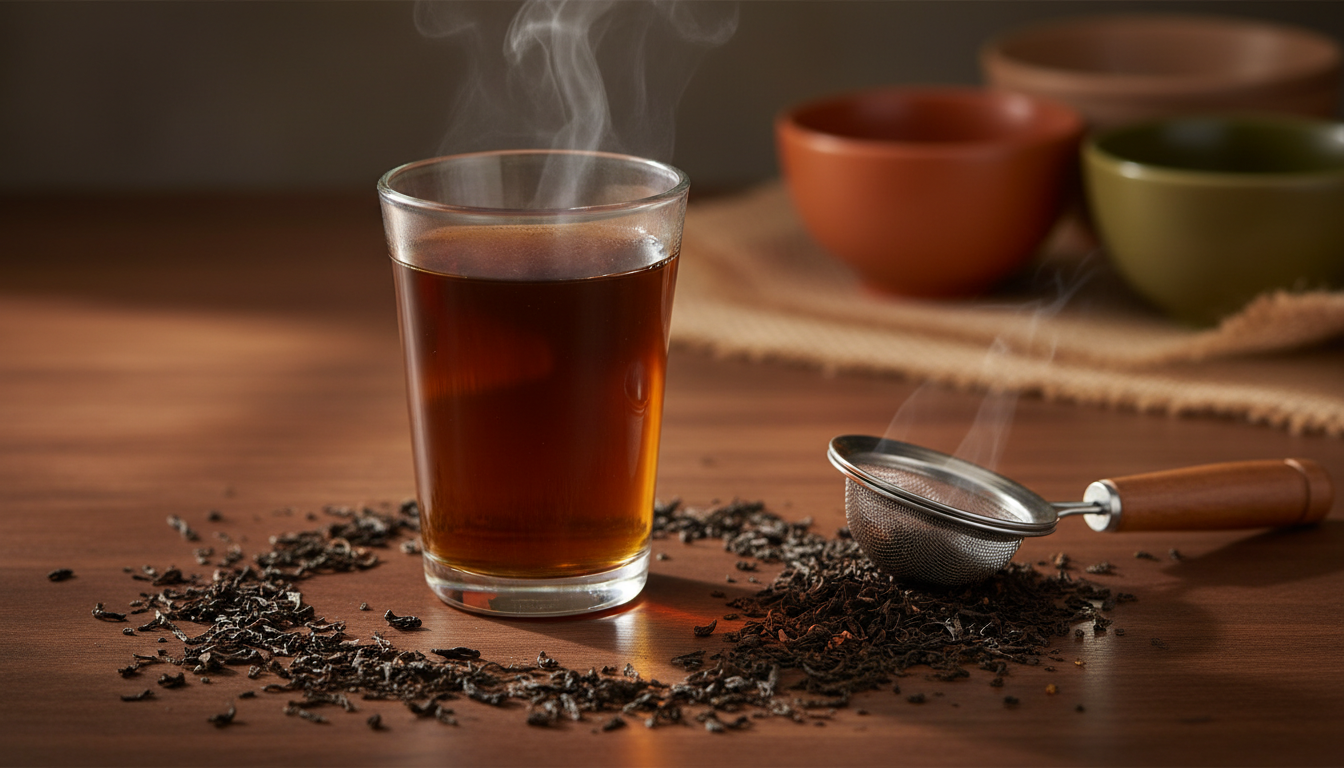

Black Tea: Types, Processing, and How to Brew It
Black tea is fully oxidized Camellia sinensis. Compare Assam, Darjeeling, Keemun, and Ceylon varieties. Learn processing, brewing, and caffeine levels.
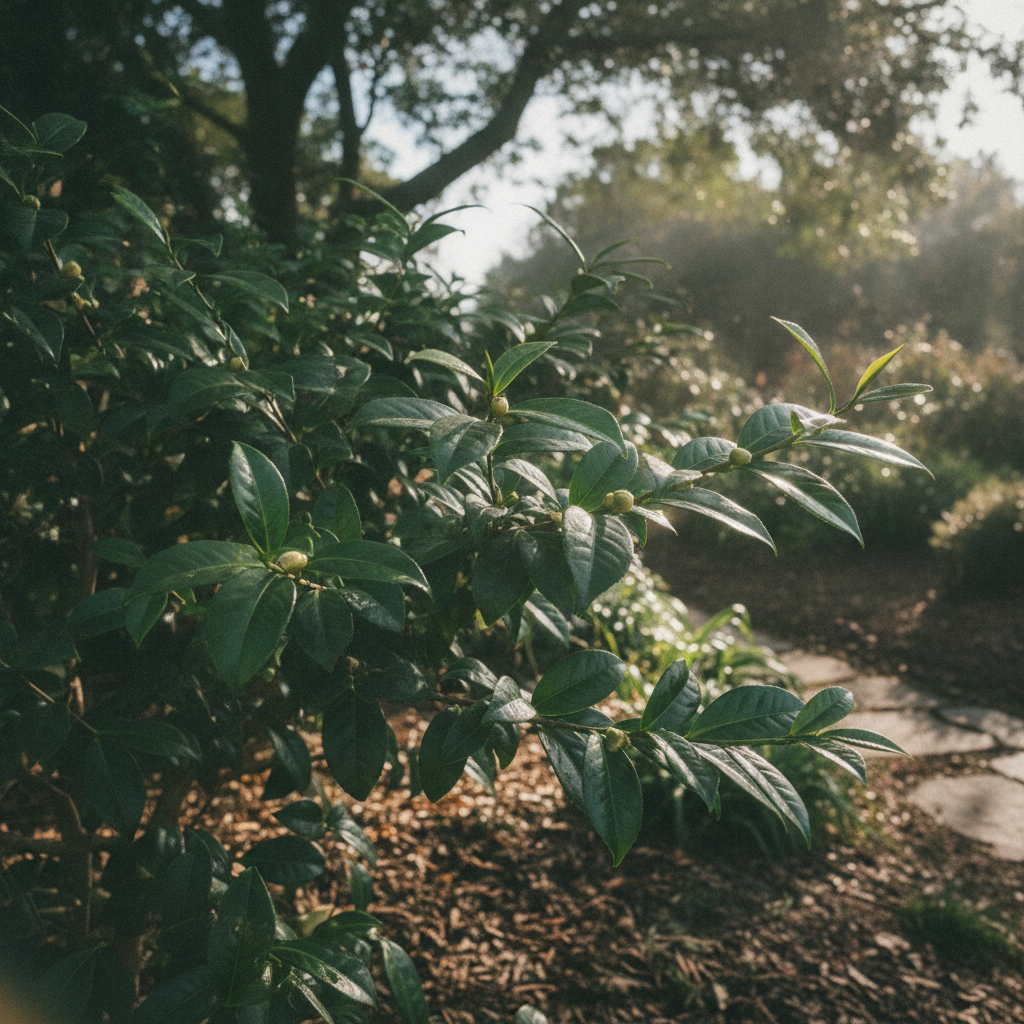

How To Grow Black Tea
Learn how to grow black tea at home: soil, climate, and the five processing steps from fresh leaf to a finished cup of black tea.

Visdom är vägen till bättre te.
Få vår kostnadsfria bryggguide: rätt vatten, temperatur och dragtid för varje te vi säljer. Du får också veta först när nya skördar kommer in.
Ingen skräppost. Avsluta när du vill.
Kolla din inkorg.
Guiden är på väg.