













Superfoods: Comprehensive Keyword Cluster

At Valley of Tea, we source and sell a range of superfood powders — moringa, turmeric, matcha, ashwagandha, chaga, ginseng, beetroot, chia seed, and echinacea among them. This guide draws on that direct experience of working with these ingredients: sourcing them, testing them, and watching how customers actually use them.
But spirulina is just one entry in a broader category of superfood powders that have moved from niche health stores into mainstream kitchens. Matcha, moringa, turmeric, cacao — each brings a distinct nutritional profile and a different set of uses. Some work beautifully in tea. Others are better suited to smoothies, lattes, or cooking. All of them reward a bit of knowledge about what they actually contain and how to use them properly.
This guide covers the superfood powders that matter most, starting with spirulina and working through the essentials. If you have been staring at a shelf of green and gold powders wondering which ones are worth your money, the answers are here.
Spirulina Powder
Spirulina is a cyanobacterium — technically not a plant, but a photosynthetic microorganism that grows in spiralling filaments, which is where the name comes from. The two species used commercially are Arthrospira platensis and Arthrospira maxima, both cultivated in controlled freshwater environments.
The nutritional density of spirulina is distinctive. Dried spirulina powder is roughly 57 to 70 percent protein by weight, making it one of the highest-protein whole foods in existence. It is a complete protein, meaning it contains all nine essential amino acids. It is also a concentrated source of B vitamins (particularly B1, B2, and B3), iron, manganese, and potassium.
The blue pigment phycocyanin, which gives spirulina its distinctive colour, accounts for 14 to 20 percent of its dry weight and is a powerful antioxidant compound. A 2024 review published in Molecules (2023) confirms spirulina as an invaluable source of macro- and micronutrients with broad biological activity, including phycocyanin, gamma-linolenic acid, and a full complement of essential amino acids.
A realistic daily serving is 3 to 6 grams — roughly one to two teaspoons. At that quantity, you get about 2 to 4 grams of protein, meaningful amounts of iron and B vitamins, and a good dose of gamma-linolenic acid (GLA), an omega-6 fatty acid that is relatively rare in the diet.
What Spirulina Tastes Like
There is no point sugarcoating it: spirulina has a strong taste. It is earthy, vegetal, and slightly sulphurous, with a marine undertone that some people describe as "pond-like." The flavour is not unpleasant once you are accustomed to it, but it is assertive enough that most people prefer to blend it into something rather than take it straight.
The intensity of the taste varies with quality. High-grade spirulina from controlled freshwater farms is milder and cleaner. Lower-grade products, particularly those harvested from open lakes with less quality control, can taste noticeably fishier.
How to Use Spirulina Powder
The simplest approach is to stir a teaspoon into a glass of water or juice. Citrus juice — orange, lemon, or pineapple — masks the flavour effectively. In smoothies, spirulina pairs well with banana, mango, and coconut milk, where the sweetness and fat balance the earthiness.
Spirulina dissolves well in cold or warm liquids but should not be exposed to high heat for extended periods, as heat degrades some of its more delicate nutrients. Adding it to a warm (not boiling) tea or latte at the end of preparation is fine. Mixing it into boiling water or cooking it for extended periods is not ideal.
One important note: spirulina contains predominantly pseudovitamin B12, which is not bioavailable to humans. Despite claims to the contrary, spirulina is not a reliable source of vitamin B12.
Matcha as a Superfood

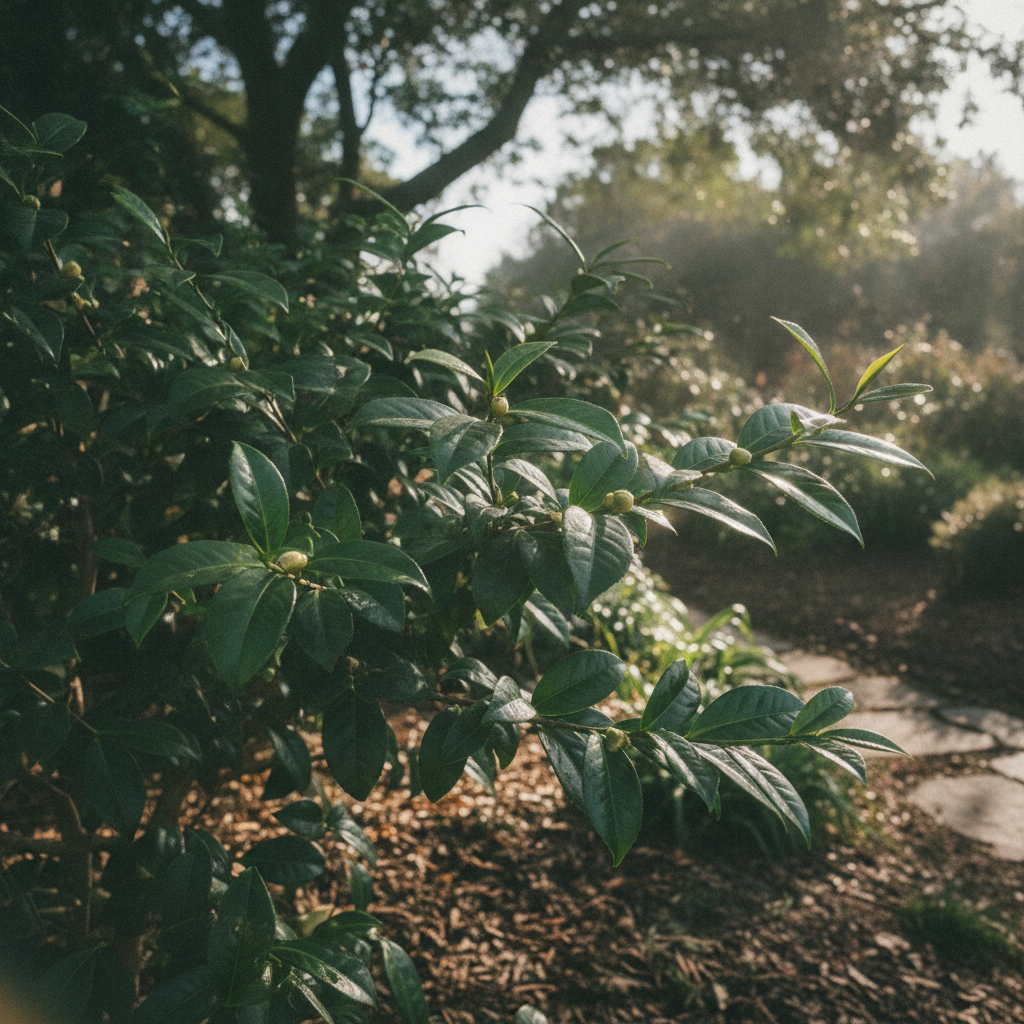
Matcha is finely ground powder made from shade-grown green tea leaves (Camellia sinensis). Because you consume the entire leaf rather than steeping and discarding it, matcha delivers the full spectrum of compounds present in the leaf — including those that would normally remain trapped in the plant fibre.
The result is a green tea experience that is significantly more concentrated than a standard brew. Matcha contains high levels of L-theanine, an amino acid that promotes calm focus without drowsiness. It is also rich in catechins, a class of antioxidant compounds, with epigallocatechin gallate (EGCG) being the most studied. Shade-growing increases both L-theanine and chlorophyll content, which is why matcha is vivid green rather than the duller olive of regular green tea powder.
A comprehensive review of matcha's therapeutic potential (PMC) confirms that its combination of EGCG and L-theanine supports cognitive function, reduces oxidative stress, and has demonstrated cardioprotective properties in clinical studies. If you want to explore matcha as both a traditional tea and a functional supplement, our ceremonial-grade matcha is a good place to start.
For tea drinkers, matcha occupies a unique position: it is simultaneously a traditional tea preparation and a superfood powder. Ceremonial-grade matcha, stone-milled from the youngest leaves, is meant to be whisked with hot water and drunk straight. Culinary-grade matcha, made from slightly older leaves, works well in lattes, smoothies, and baking.
The caffeine content of matcha sits between coffee and regular green tea — roughly 30 to 50 milligrams per serving, depending on the amount of powder used. The combination of caffeine and L-theanine produces a sustained, even energy rather than the spike-and-crash pattern associated with coffee.
Moringa Powder
Moringa (Moringa oleifera), sometimes called the drumstick tree or horseradish tree, is native to the Indian subcontinent and has been used in Ayurvedic practice for thousands of years. The leaves are dried and ground into a fine green powder that has gained significant attention as a nutritional supplement. Our moringa powder comes from farms we vet for quality and independent testing.
The nutritional profile is broad rather than deep. Per 100 grams, moringa leaf powder contains approximately 25 grams of protein (complete, with all essential amino acids), 12 to 20 grams of fibre, and meaningful amounts of calcium, iron, potassium, vitamin A (as beta-carotene), and vitamin E. A practical daily serving of one to two teaspoons (5 to 10 grams) provides a modest but useful contribution of iron, vitamin E, and vitamin K.
The taste of moringa is milder than spirulina — grassy and slightly bitter, with a faint horseradish-like pungency that fades quickly. It blends more easily into foods and drinks without dominating them.
Moringa works well stirred into warm water as a simple tea, mixed into smoothies, or sprinkled over soups and salads. Like spirulina, it is best added to warm rather than boiling liquids to preserve its more heat-sensitive nutrients.
Turmeric Powder
Turmeric (Curcuma longa) is a rhizome from the ginger family, and its bright golden powder has been a staple of South Asian cooking and traditional medicine for millennia. The compound that gives turmeric its colour and much of its interest is curcumin, a polyphenol that typically makes up 3 to 8 percent of dried turmeric powder.
Turmeric is a concentrated source of iron, potassium, magnesium, and vitamin B6, and it contains a range of polyphenolic antioxidants of which curcumin is the most studied.
The critical fact about curcumin is that it has very low bioavailability on its own. Most of the curcumin you consume passes through the digestive system without being absorbed. Black pepper changes this dramatically: piperine, the active compound in black pepper, significantly increases curcumin absorption. The commonly cited figure of 2,000 percent comes from a landmark 1998 pharmacokinetic study published on PubMed, and while it should be read as an order-of-magnitude indicator rather than a precise measurement, the principle is well-established. Fat also improves absorption, which is why traditional preparations like golden milk combine turmeric with both pepper and a fat source such as coconut oil or whole milk.
For tea, turmeric works best simmered gently for 10 to 15 minutes with cracked black pepper and a fat source. A teaspoon of our organic turmeric powder per cup is a standard starting point. The flavour is warm, earthy, and mildly bitter.
Cacao Powder
Raw cacao powder is made by cold-pressing unroasted cacao beans and removing the fat (cacao butter). What remains is a concentrated source of flavanols, a subclass of flavonoid antioxidants. Epicatechin is the most studied of these compounds and is present in high concentrations in minimally processed cacao.
The distinction between raw cacao powder and standard cocoa powder matters. Dutch-process cocoa has been treated with an alkalising agent to reduce acidity and mellow the flavour, but this process significantly reduces the flavanol content. If nutritional value is the priority, raw cacao powder is the better choice.
Cacao is also one of the richest dietary sources of magnesium, a mineral that a large proportion of the population does not consume in sufficient quantities — surveys consistently find that intake falls below recommended levels across multiple age groups. It contains notable amounts of iron, zinc, and copper as well. Per tablespoon (about 5 grams), cacao provides roughly 25 to 30 milligrams of magnesium and a gram of fibre.
The flavour of raw cacao is intensely bitter and deeply chocolatey — far more complex and less sweet than processed cocoa. It pairs exceptionally well with turmeric (the fat-soluble compounds in cacao help with curcumin absorption), with matcha in chocolate-green tea lattes, and with warming spices like cinnamon and ginger.
Adding Superfood Powders to Tea and Smoothies

The practical question with any superfood powder is how to actually incorporate it into your daily routine without it feeling like a chore.
In tea: Matcha is the most natural fit, as it is itself a tea. Turmeric works well simmered into a golden tea or golden milk. Moringa can be steeped in warm water as a standalone herbal tea. Spirulina and cacao are better added to lattes or blended drinks rather than straight tea, as their flavours are strong enough to clash with delicate tea profiles.
In smoothies: All five powders work well in smoothies. A useful base combination is frozen banana, a handful of spinach or other greens, a liquid (water, milk, or plant milk), and one or two superfood powders. Spirulina and moringa blend seamlessly into green smoothies. Cacao anchors chocolate-flavoured blends. Turmeric pairs well with mango, ginger, and coconut milk.
Combining powders: There is no issue with combining superfood powders in a single drink. Matcha and spirulina together make an intensely green, nutrient-dense smoothie. Cacao and turmeric complement each other both in flavour and in function. Start with smaller amounts of each when combining — half a teaspoon of two powders rather than a full teaspoon of each — until you know how the flavours interact.
Timing: These powders can be consumed at any time of day. The exception is matcha, which contains caffeine and is best consumed before mid-afternoon if you are sensitive to stimulants.
Nutritional Profiles at a Glance
A side-by-side comparison helps put things in perspective. The following figures are per 10-gram serving (roughly two teaspoons), based on published nutritional data for dried powders:
| Nutrient | Spirulina | Matcha | Moringa | Turmeric | Cacao |
|---|---|---|---|---|---|
| Calories (kcal) | 29 | 31 | 30 | 31 | 23 |
| Protein (g) | 5.7 | 3.1 | 2.5 | 0.9 | 2.0 |
| Fibre (g) | 0.4 | 3.9 | 1.5 | 2.1 | 3.4 |
| Iron (mg) | 2.9 | 1.7 | 2.6 | 1.8 | 1.3 |
| Calcium (mg) | 12 | 42 | 74 | 18 | 13 |
| Key compound | Phycocyanin | EGCG, L-theanine | Quercetin, kaempferol | Curcumin | Epicatechin |
Spirulina leads on protein and iron. Matcha leads on antioxidant catechins and delivers caffeine plus L-theanine. Moringa is the most mineral-rich overall. Turmeric brings curcumin, which is unique to this spice. Cacao leads on magnesium and flavanols.
None of these powders is a meal replacement or a medicine. They are concentrated whole-food supplements that add meaningful nutrition to an already decent diet.
Quality Indicators
Not all superfood powders are equal, and the differences between good and poor products are significant.
Colour: High-quality spirulina is a deep, uniform blue-green. Brownish or olive-toned spirulina suggests oxidation or poor processing. Matcha should be vivid, bright green — dull or yellowish matcha indicates lower-grade leaves or improper storage. Moringa should be a rich green, not brown. Turmeric should be deep golden-orange. Cacao should be dark brown with a reddish undertone.
Smell and taste: Fresh, high-quality powders have clean, characteristic aromas. Spirulina should smell mildly vegetal, not fishy. Matcha should smell grassy and slightly sweet. Off-odours in any powder suggest contamination or degradation.
Source and testing: Look for products that specify their country of origin and growing conditions. Third-party testing for heavy metals (particularly lead, mercury, arsenic, and cadmium) is important for spirulina and moringa, as these plants can accumulate heavy metals from their growing environment. Organic certification provides some assurance but does not replace independent testing. We apply the same sourcing criteria across our own range — moringa, turmeric, ashwagandha, chaga, ginseng, beetroot, chia seed, and echinacea alongside matcha — and the first question we ask any supplier is what independent testing they can provide.
Processing method: Cold-pressed cacao retains more nutrients than heat-processed cocoa. Stone-milled matcha preserves more flavour than machine-ground. Spray-dried spirulina and moringa are the industry standard and generally retain their nutritional profiles well, but freeze-dried versions may preserve heat-sensitive compounds slightly better.
Storage
Superfood powders are concentrated and relatively low in moisture, which gives them good shelf life — but they are not indestructible.
Keep them sealed. Exposure to air causes oxidation, which degrades both flavour and nutritional value. Resealable bags with minimal headspace or airtight containers are essential.
Keep them cool and dark. Heat and light accelerate the breakdown of sensitive compounds like phycocyanin in spirulina, catechins in matcha, and flavanols in cacao. A cool cupboard away from the stove is sufficient for most powders. Matcha benefits from refrigeration after opening, stored in an opaque, airtight tin.
Keep them dry. Moisture introduces the risk of microbial growth. Never use a wet spoon to scoop powder from a container, and avoid storing containers in humid environments like above a kettle or near a dishwasher.
Use within a reasonable timeframe. Most superfood powders maintain their quality for 6 to 12 months after opening if stored properly. Matcha is the most perishable and is best used within 4 to 8 weeks of opening for optimal flavour and colour. Turmeric and cacao are the most shelf-stable and can last well over a year if kept sealed and dry. Browse our full range of superfood powders to see what we currently have in stock.
Superfood powders are not a substitute for a varied diet, and no single powder is going to transform your nutrition overnight. But as concentrated, whole-food additions to tea, smoothies, and everyday cooking, spirulina powder and its companions are practical, versatile, and genuinely worth understanding.
Lämna en kommentar
Kommentarer granskas innan de visas.
Mer i Valley of Tea Blog | Tea Guides, Origins & Brewing Tips
The Complete Guide to Drinking Tea
What tea is, how the main types differ in the cup, and how to brew each one properly. Water temperature, steeping times, storage and how to get more than one cup from your leaves.
Läs mer

Black Tea: Types, Processing, and How to Brew It
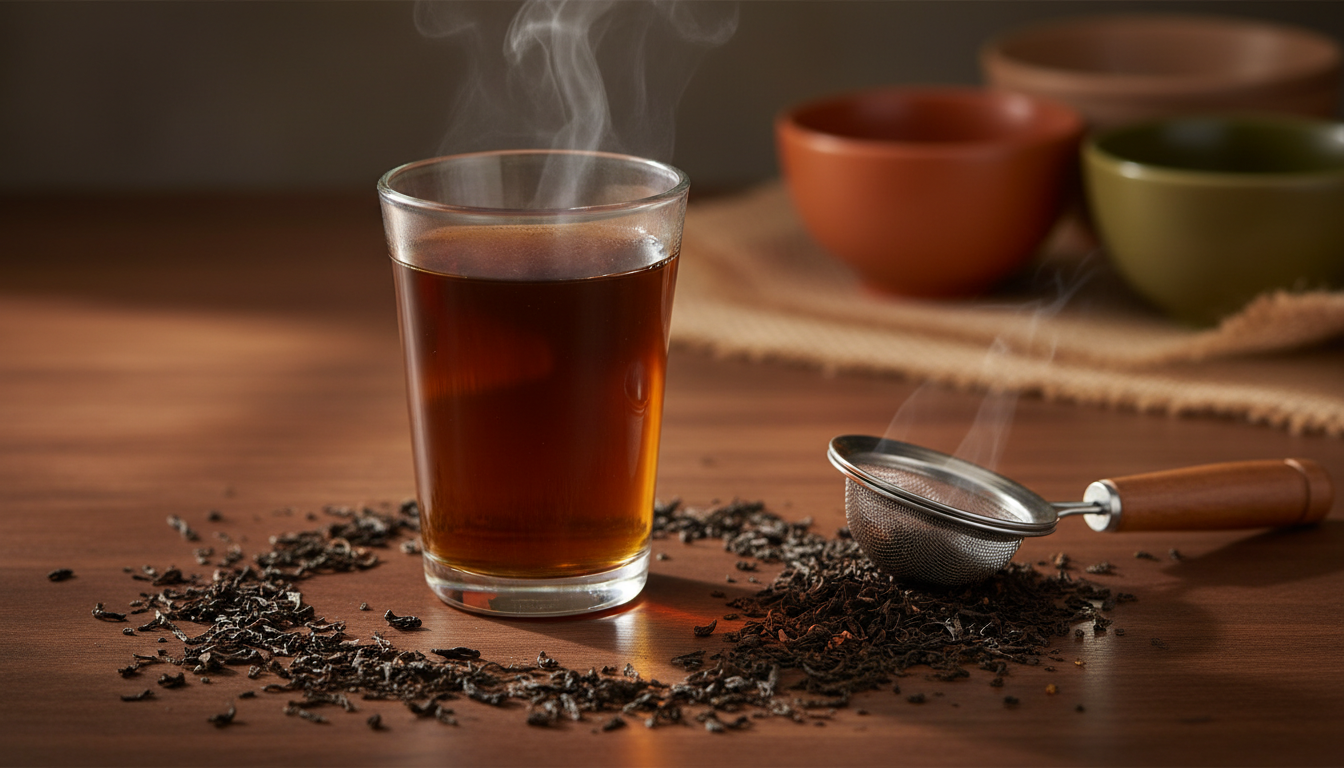
Black tea is fully oxidized Camellia sinensis. Compare Assam, Darjeeling, Keemun, and Ceylon varieties. Learn processing, brewing, and caffeine levels.

How To Grow Black Tea
Learn how to grow black tea at home: soil, climate, and the five processing steps from fresh leaf to a finished cup of black tea.

Visdom är vägen till bättre te.
Få vår kostnadsfria bryggguide: rätt vatten, temperatur och dragtid för varje te vi säljer. Du får också veta först när nya skördar kommer in.
Ingen skräppost. Avsluta när du vill.
Kolla din inkorg.
Guiden är på väg.