












Tea Sets
The right tea set affects how your tea tastes, not just how the table looks. Vessel material changes heat retention, flavour development, and how quickly a brew cools in your hand. A thin porcelain cup and an unglazed Yixing clay teapot behave completely differently with the same tea in both.
Choosing your tea sets based on the teas you drink most often prevents the most common brewing mistakes before they happen. This guide covers materials, traditions, pairing logic, care, and price points so you can make a practical decision rather than a decorative one.

What Makes a Good Tea Set?
A good tea set is defined by material, volume, and glaze finish. These three factors determine which teas will perform well in it. Aesthetics are secondary.

Material is the starting point. Porcelain is neutral - it adds no flavour of its own and is easy to clean. Unglazed clay, particularly Yixing clay from Jiangsu province in China, is porous and gradually absorbs the oils and compounds from repeated brews.
Glass lets you watch the colour develop, which matters for teas where clarity signals quality. Cast iron holds heat far longer than any ceramic option, making it suited to teas that benefit from sustained temperature through a long pour.
Cup volume is a practical constraint often overlooked. Gongfu-style tasting cups run 30-60 ml - small enough that a full pour from a gaiwan goes in two seconds. Western afternoon tea cups run 200-250 ml.
Japanese yunomi cups typically fall around 150 ml. If you buy a gongfu set but mostly brew Western-style, the cup volume will frustrate the experience.
Glazed vs. unglazed matters most for clay. Glazed clay behaves like porcelain - sealed, neutral, multipurpose. Unglazed clay builds a flavour history over time.
For this reason, serious drinkers dedicate an unglazed Yixing pot to a single tea type: one pot for aged pu-erh, one for high-roast oolong. Cross-contaminating a seasoned Yixing pot with a different tea category erases months of careful seasoning.
Collectors and ceramic artisans consistently document this seasoning effect, and it matches how unglazed porous clay interacts with any oil-bearing liquid over time.
Types of Tea Sets: East vs. West
Tea sets developed in parallel across cultures to solve the same practical problem: how to brew, serve, and drink tea with precision. The dominant traditions are Chinese gongfu, Japanese, and Western - each built around a different brewing philosophy.

Chinese gongfu sets are built for concentrated, multi-infusion brewing. The core pieces are a gaiwan (lidded bowl, typically 100-150 ml) or a small clay teapot, a fairness pitcher (cha hai) to equalise the brew before pouring, and small tasting cups in the 30-60 ml range. The gaiwan is the most versatile piece in any tea set collection: it works across greens, whites, oolongs, and pu-erh with no material bias.
Japanese Sencha sets follow a quieter, more restrained design. A kyusu teapot - the side-handled style - typically holds 350-450 ml and has a built-in ceramic filter at the spout base. Yunomi cups accompany it, usually in sets of 4-6. The hohin is a more specialised variant: a handleless teapot used specifically for the highest grades of Uji Gyokuro or shaded teas, typically 100 ml, where the brew temperature is low enough (around 40-50C) that no handle is needed.
Western afternoon tea sets follow a different logic entirely. A large teapot - typically 600-900 ml - allows multiple cups from a single brew. A milk jug and sugar bowl are standard inclusions.
Cups sit on saucers, and a set for four or six people is the normal configuration. The brewing method is single-infusion, which is why the teapot volume is so much larger than in Asian traditions where multiple short infusions are the norm.
Matching Your Tea Set to Your Tea
The material of your vessel directly affects your cup. Match them correctly and you stop fighting your equipment.

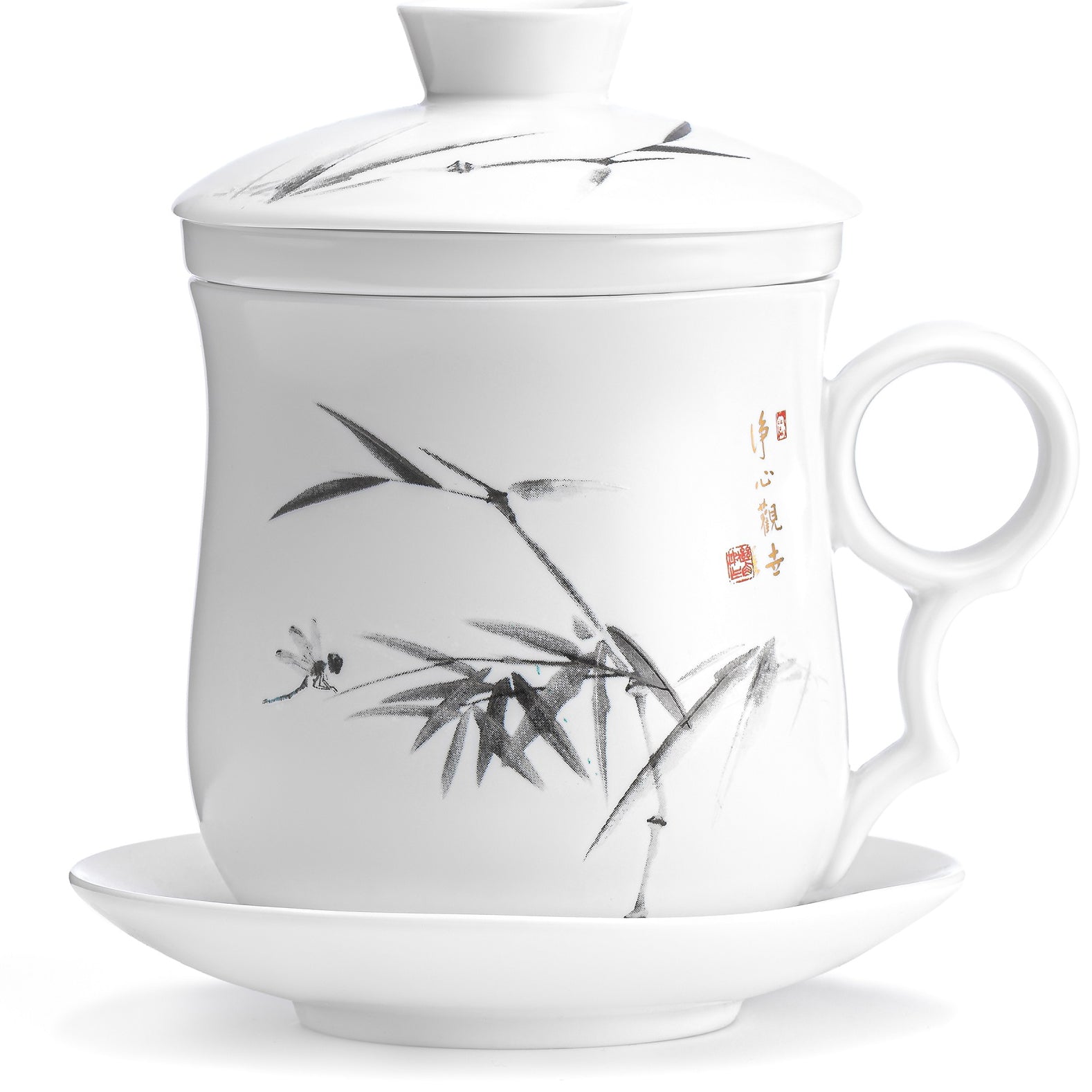
White porcelain is the professional standard for evaluating tea quality. It shows the liquor colour accurately with no interference - a pale golden white tea looks exactly as it should, and the ruby clarity of a good Darjeeling first flush is visible without distortion. Porcelain is the most honest tool for tasting, and it also works well for green teas, white teas, and any tea where colour and clarity matter.
Yixing clay is for committed drinkers of aged pu-erh or heavily roasted oolongs. The clay interacts with the brew over hundreds of sessions, softening harsh edges and amplifying the tea's base character. A well-seasoned Yixing pot adds something that porcelain cannot replicate. The trade-off is that you must commit one pot to one tea type and never use soap on it.
Cast iron retains heat for 20-30 minutes, which makes it well suited to black teas and herbal infusions brewed at full boil (95-100C). The interior is typically coated with enamel to prevent rust and flavour transfer, so it behaves more like porcelain inside than like raw metal. Cast iron teapots are heavy - a full 600 ml pot weighs around 1.5 kg - which is worth knowing before purchase.
Glass works well for blooming teas and green teas where watching the brew matters. Heat retention is poor compared to ceramic, so glass is better for teas brewed at lower temperatures (70-80C) that you intend to drink quickly.
How to Care for Your Tea Set
Care varies sharply by material. The wrong cleaning method can ruin a good piece.
Unglazed clay pots - Yixing or other regional clays - should never be cleaned with soap. Soap strips the oil layer built up from repeated brewing, which defeats the entire purpose of using unglazed clay. Rinse with hot water after each use and let air dry completely before storing. If you buy a new Yixing pot, season it before first use by simmering it gently in water for 20 minutes, then running 2-3 full brew cycles of your chosen tea through it before treating it as ready.
Porcelain sets are low maintenance. Standard machine washing is fine as long as there is no gold or platinum trim, which dishwashers will damage over time. Hand-wash gilded pieces.
Chips and crazing (hairline surface cracks) develop over time with thermal shock - avoid pouring boiling water directly into a cold cup. Warming the cup with hot water for 30 seconds first extends the life of the glaze.
Cast iron teapots must be dried immediately after use. Standing water inside causes rust, even in enamelled interiors. Never put a cast iron teapot on a direct heat source - it is not a stovetop kettle, and the enamel will crack. Use it only to serve already-boiled water.
Glass teapots are generally dishwasher-safe unless they have hand-painted decoration. Avoid sudden temperature shifts - do not pour boiling water into a cold glass vessel without warming it first.
We know from experience that the most common damage on tea sets is thermal shock on porcelain and rust inside cast iron. Both are entirely preventable with the steps above.
Budget Guide: What to Expect at Each Price Point
Tea set prices vary enormously. Here is what you actually get at each tier.
Under €30: You can find functional porcelain sets that work perfectly well for everyday brewing. At this price, watch for very thin walls (fragile, poor heat retention), unstable lids, and rough spouts that drip. A basic white porcelain teapot with four matching cups is achievable in this range and will serve most Western-style brewing without issues.
€50-€100: This range opens up Japanese-inspired ceramic sets from established producers, with better wall thickness, cleaner spout design, and more consistent glazing. You will find kyusu-style teapots in this range, and some well-made regional Chinese clay teapots begin to appear. Heat retention improves noticeably. This tier is where daily-use quality becomes reliable rather than a gamble.
€100-€200: Artisan ceramic sets with hand-thrown construction, irregular natural glazes, and documented kilns start here. Quality at this price point is not about perfection - hand-thrown pieces have variation, and that is the point. For glass sets, borosilicate double-wall construction appears at this tier, which dramatically improves heat retention and makes the set feel solid.
€200+: Genuine Yixing clay pieces from named potters, Japanese raku ware, or collector-grade hand-painted porcelain. At this level you are partly buying craft heritage, not just a brewing tool. Authentication matters - there is a significant secondary market in misrepresented Yixing clay. Authentication is difficult without specialist knowledge, so buy from importers with documented supply chains rather than relying on stamps alone.
The honest entry point for a set you will use seriously is €50-€100. Below that, quality compromises become noticeable in daily use. Above €200, value becomes more personal and less strictly practical.
The Right Tea Set Starts with the Tea You Already Drink
Your ideal tea sets are the ones that match the teas you drink most, not the most beautiful set you find. If you drink green and white teas, start with a white porcelain gaiwan and a set of small cups. If you drink mostly black tea in Western volumes, a good 600 ml porcelain teapot is more useful than anything else. If you are working your way into aged pu-erh or roasted oolongs, a Yixing pot is eventually worth the investment - but only once you know what tea it will be dedicated to.
The single most versatile piece across all tea sets is white porcelain. It shows colour accurately, takes any tea without bias, cleans easily, and lasts indefinitely with reasonable care. Start there, and add specialised vessels once your tea preferences are clear.
Lämna en kommentar
Kommentarer granskas innan de visas.
Mer i Valley of Tea Blog | Tea Guides, Origins & Brewing Tips
The Complete Guide to Drinking Tea
What tea is, how the main types differ in the cup, and how to brew each one properly. Water temperature, steeping times, storage and how to get more than one cup from your leaves.
Läs mer
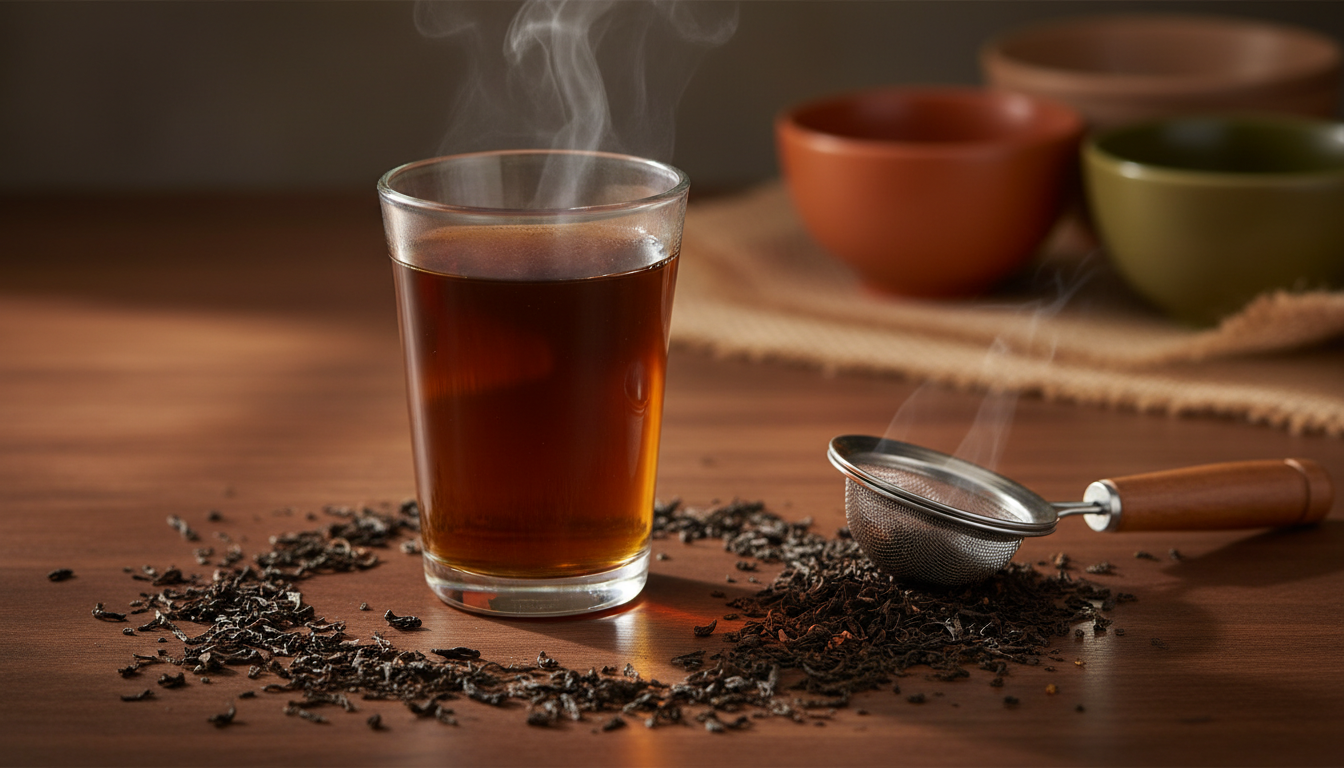

Black Tea: Types, Processing, and How to Brew It
Black tea is fully oxidized Camellia sinensis. Compare Assam, Darjeeling, Keemun, and Ceylon varieties. Learn processing, brewing, and caffeine levels.
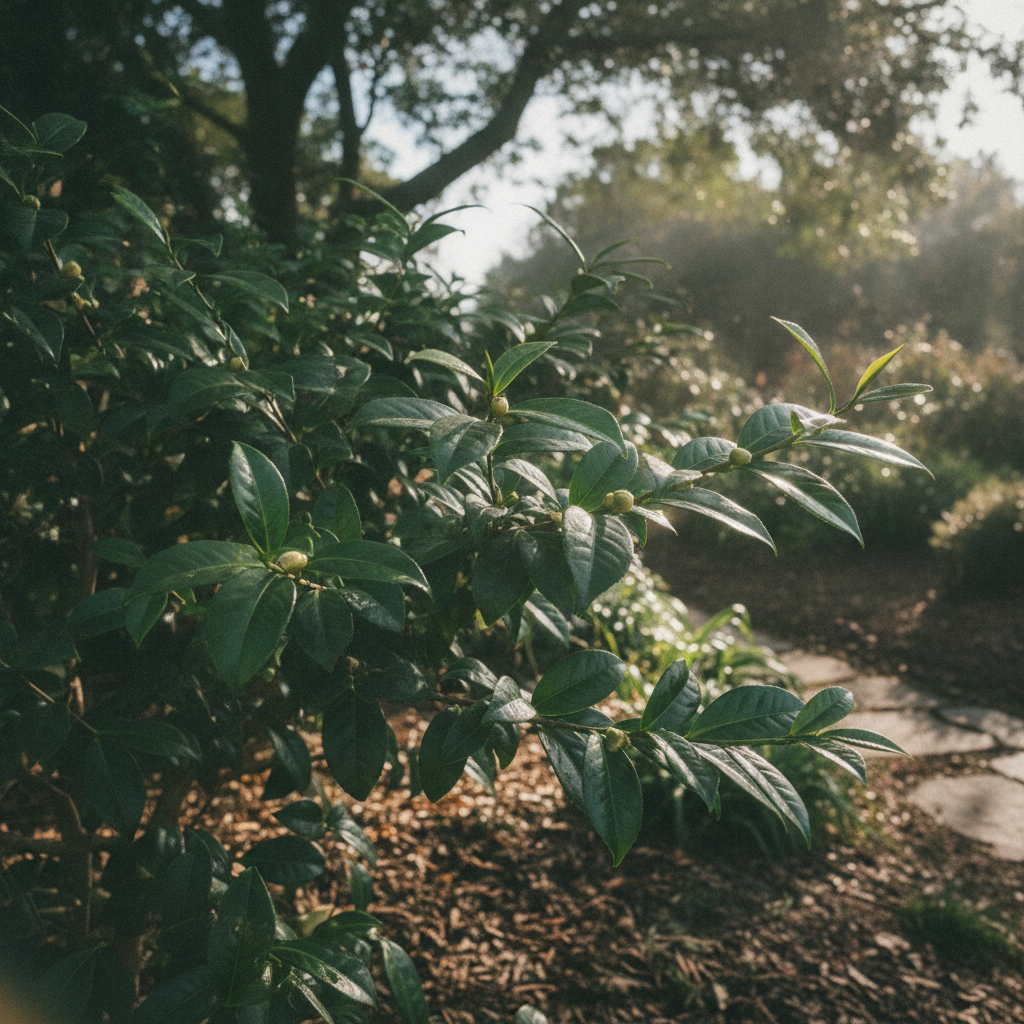

How To Grow Black Tea
Learn how to grow black tea at home: soil, climate, and the five processing steps from fresh leaf to a finished cup of black tea.

Visdom är vägen till bättre te.
Få vår kostnadsfria bryggguide: rätt vatten, temperatur och dragtid för varje te vi säljer. Du får också veta först när nya skördar kommer in.
Ingen skräppost. Avsluta när du vill.
Kolla din inkorg.
Guiden är på väg.