












The Complete Guide to Dandelion Tea
Dandelion tea is one of the oldest and most widely used herbal infusions in the world, yet it remains one of the most misunderstood. Most people see dandelions as weeds — the yellow-flowered nuisance invading lawns and cracking through pavement. But across Europe, Asia, and the Middle East, Taraxacum officinale has been deliberately harvested, dried, and brewed for centuries, valued not as a weed but as a versatile food plant with deep roots in European and Asian kitchens and a genuinely interesting flavor profile.

What makes dandelion tea unusual in the herbal tea world is that it is not one product but several. The root, the leaf, and the flower each produce a distinctly different cup. Roasted dandelion root tastes nothing like raw dandelion leaf. A dandelion flower tisane has almost nothing in common with either. This guide covers all of them — what they taste like, how to brew them, how they differ, and what to look for when buying dandelion tea that is actually worth drinking.
What Is Dandelion Tea
Dandelion tea is an herbal infusion made from the dried parts of the common dandelion plant, Taraxacum officinale. It is not a true tea — it contains no Camellia sinensis and is naturally caffeine-free. The term "dandelion tea" is an umbrella that covers several different preparations: dandelion root tea (the most common), dandelion leaf tea, and dandelion flower tea.
The dandelion plant is native to Eurasia but now grows on every continent except Antarctica. It is one of the most resilient and adaptable plants on the planet, thriving in everything from alpine meadows to urban sidewalk cracks. This hardiness is part of why dandelions have such a long history as a food and herbal ingredient — they are available virtually everywhere and require no cultivation.
In Europe, dandelion has been gathered for food and drink for centuries. The French name "pissenlit" is one of many old folk names the plant carries across Europe. In China, the plant appears under the name "pu gong ying" and has its own long history as a gathered food plant. German, Austrian, and Eastern European folk traditions all include dandelion preparations — as tea, as salad greens, and even as a fermented beverage. A 2023 review in PMC documents the broad phytochemical profile of the Taraxacum genus and the depth of its use across cultures.
Today, dandelion tea occupies a specific niche in the herbal tea market: it appeals to people looking for caffeine-free alternatives with body and depth, particularly those interested in traditional herbal ingredients. Roasted dandelion root tea has also carved out a role as a convincing coffee substitute — more on that below.
Dandelion Root vs Dandelion Leaf Tea

The root and the leaf of the dandelion plant produce fundamentally different teas. They are not interchangeable, and choosing between them depends entirely on what you want in your cup.
Dandelion Root Tea
Dandelion root tea is the most popular form and the one most people mean when they say "dandelion tea." The root is harvested, dried, and often roasted before being cut or ground for brewing. It produces a dark, full-bodied cup with earthy, nutty, and slightly bitter notes — closer in character to coffee or dark roasted grain beverages than to what most people think of as herbal tea.
The root is where the plant stores its energy reserves, primarily in the form of inulin — a fructan-type carbohydrate. Inulin gives the root a natural depth and body that most herbal teas lack. When roasted, the inulin caramelizes, adding sweetness and complexity. Raw (unroasted) dandelion root tea is more bitter and earthy — a more austere, rooty cup that some drinkers prefer for its straightforward character.
Dandelion root is typically harvested in autumn when the inulin content is highest, or in early spring before the plant puts its energy into flowering. Autumn-harvested roots tend to produce a sweeter, more full-bodied tea.
Dandelion Leaf Tea
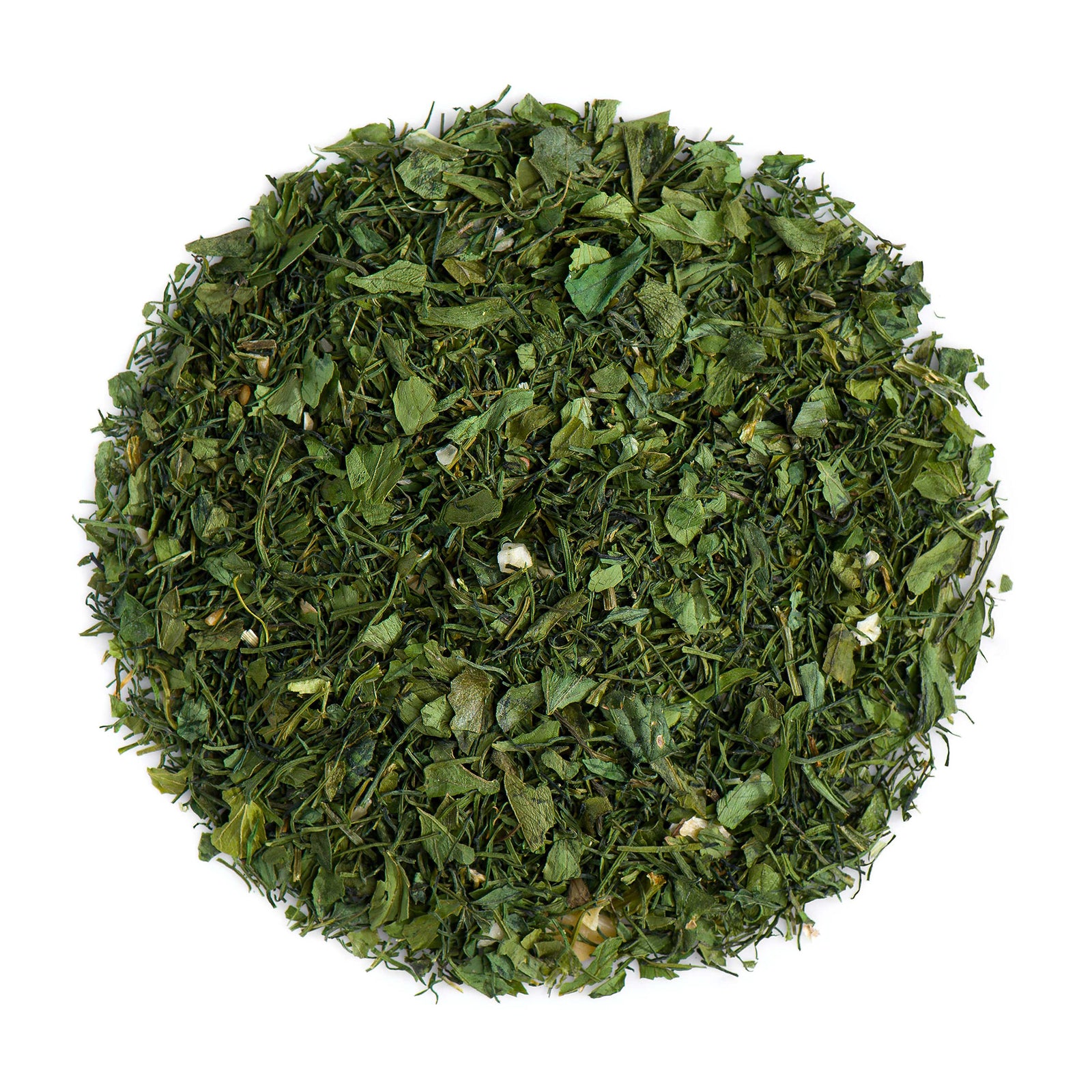
Dandelion leaf tea is lighter, more vegetal, and distinctly more bitter than root tea. It brews a pale greenish-yellow liquor with grassy, herbaceous notes and a clean, sharp finish. If dandelion root tea is in the coffee-substitute category, dandelion leaf tea is closer to a robust herbal green — think nettle or yerba mate in character, though not in flavor.
The leaves are harvested young for the mildest flavor. Older, larger leaves are more bitter. Dried dandelion leaves produce a less pungent cup than fresh ones, but the characteristic bitterness remains — this is a feature, not a flaw, and is part of what has made dandelion leaf a staple of European herbal tea drinking.
Dandelion leaf tea is less commercially popular than root tea, partly because the flavor is more challenging and partly because the root has more name recognition. But leaf tea has its devoted drinkers, particularly in continental Europe where bitter herbal infusions are more culturally accepted.
Dandelion Flower Tea
Less common but worth mentioning: dandelion flowers can be dried and brewed into a mild, slightly sweet tisane with delicate floral notes and a honey-like undertone. Flower tea is the gentlest of the three and is sometimes used as a base for blends rather than as a standalone drink. It is not widely available commercially — most dandelion flower tea is foraged and prepared at home.
Roasted Dandelion Root: The Coffee Alternative
This is where dandelion tea has its strongest commercial appeal. Roasted dandelion root tea is a popular caffeine-free coffee alternative, often compared with chicory and barley coffee.
The comparison to coffee is not marketing. Roasted dandelion root shares genuine flavor chemistry with roasted coffee beans. The Maillard reaction and caramelization that occur during roasting produce many of the same aromatic compounds: nutty, toasty, caramel, and slightly smoky notes. The resulting cup is dark brown, full-bodied, and bitter in a way that coffee drinkers recognize and appreciate.
Where dandelion root differs from coffee is in intensity. It lacks the sharp acidity and the punchy bitterness of coffee. The body is rounder, smoother, and less aggressive. Some people find this disappointing — they want an exact replica of coffee and dandelion root is not that. Others find it liberating — they get the warmth and the dark bitter cup, but without the caffeine.
Practical considerations for using roasted dandelion root as a coffee replacement:
Brewing method matters. For the most coffee-like experience, brew roasted dandelion root strong — 2–3 teaspoons per cup — with boiling water and a 7–10 minute steep. A French press works well. Some drinkers run it through a drip coffee maker or even an espresso machine with a fine grind.
It takes milk well. Roasted dandelion root works well with milk or plant-based alternatives. The natural caramel notes complement oat milk particularly well. A dandelion root latte is a legitimate drink — not a compromise.
Blending with chicory. Dandelion root and roasted chicory root together produce a cup closer to coffee than either ingredient alone. A 50/50 blend is a common starting point. The chicory adds woodiness and a sharper bitterness, while the dandelion root contributes smoothness and body.
What Dandelion Tea Tastes Like
Flavor varies dramatically depending on which part of the plant you use and how it is processed.
Roasted dandelion root: Dark, nutty, toasty, with caramel sweetness and a moderate bitterness. Earthy undertones. The closest herbal comparison is roasted chicory. Think of it as coffee's gentler, smoother cousin.
Raw (unroasted) dandelion root: More purely earthy and bitter, with mineral and woody notes. Less sweet than roasted root. Tastes more "herbal" and less "beverage" — closer to a traditional herbal decoction.
Dandelion leaf: Grassy, vegetal, and distinctly bitter with a clean, sharp finish. Light-bodied. Reminiscent of young spring greens — which makes sense, since dandelion leaves are eaten as salad greens across southern Europe.
Dandelion flower: Mild, slightly sweet, delicately floral. Honey-like undertone. The lightest and most accessible of all dandelion teas, but also the least complex.
The bitterness in dandelion tea is not an accident or a deficiency. Bitter is the intended flavor. In European and Asian kitchens and tea cultures, bitter flavors are valued in their own right — the bitterness is the point, not something to mask. That said, if bitterness is not your preference, roasted dandelion root is the way to go. The roasting process converts much of the raw bitterness into caramel sweetness.
How to Brew Dandelion Tea
Brewing parameters differ by product type. Dandelion root needs more heat and time than most herbal teas to extract properly.
Roasted Dandelion Root Tea
- Water temperature: 100°C (full boiling)
- Quantity: 2–3 teaspoons (3–5 grams) per 250ml cup
- Steeping time: 7–10 minutes
- Method: Pour boiling water over the root pieces, cover, and steep. Covering is important — it keeps the heat in, and root teas need sustained high temperature to extract fully. A French press or a lidded mug works well.
- For a stronger cup: Use 4–5 grams and steep for up to 15 minutes. Dandelion root does not become unpleasantly bitter with longer steeping the way true tea can — the bitterness plateaus rather than escalating.
Raw Dandelion Root Tea
- Water temperature: 100°C
- Quantity: 2 teaspoons (3–4 grams) per 250ml
- Steeping time: 10–15 minutes
- Note: Raw root benefits from a longer steep than roasted root. Some traditional preparations actually simmer (not just steep) the root in water for 15–20 minutes on the stovetop. This decoction method extracts more from the hard, dense root material.
Dandelion Leaf Tea
- Water temperature: 95–100°C
- Quantity: 1–2 teaspoons (1–2 grams) per 250ml
- Steeping time: 5–8 minutes
- Note: Leaf tea is lighter and extracts faster than root. Use less material — dandelion leaves are voluminous but light, and using too much produces an overwhelmingly bitter cup.
Iced Dandelion Tea
Roasted dandelion root makes a surprisingly good iced tea. Brew at double strength (5–6 grams per 250ml), steep for 10 minutes, strain, and pour over ice. The caramel and nutty notes come through well cold. Adding a splash of oat milk creates something close to an iced coffee.
Cold brewing also works: add 4–5 teaspoons of roasted dandelion root to 1 liter of room-temperature water, refrigerate for 8–12 hours, and strain. The result is smoother and less bitter than hot-brewed.
Blending Dandelion Tea
Dandelion root is a useful blending ingredient — its body and bitterness provide a strong backbone that lighter herbs can play against.
Dandelion root + chicory root. The classic combination. Together they produce a convincing caffeine-free coffee substitute. Adjust the ratio to taste: more chicory for sharpness, more dandelion for smoothness.
Dandelion root + cinnamon + ginger. A spiced blend with cinnamon and ginger balancing the earthiness. Good for autumn and winter drinking. The cinnamon adds natural sweetness that softens the root's bitterness.
Dandelion root + rooibos. Rooibos contributes natural sweetness and vanilla notes that complement the roasted character of dandelion root. A 50/50 blend is smooth, naturally sweet, and full-bodied — a good option for people who find straight dandelion root too bitter.
Dandelion leaf + peppermint. Peppermint's fresh, minty sweetness balances the leaf's bitterness. A traditional European combination that works well both hot and iced.
Dandelion leaf + nettle. Two robust, green-tasting herbs that share similar character. This is a distinctly European-style herbal blend — earthy, green, and bracing. Not for timid palates, but valued by herbal tea enthusiasts.
Dandelion root + cacao nibs. An unconventional pairing that works well. The roasted notes in both ingredients harmonize, producing a chocolate-adjacent cup. Add a pinch of vanilla for an even more dessert-like character.
Dandelion Tea and Caffeine
Dandelion tea is 100% caffeine-free. The dandelion plant contains no caffeine, theobromine, or any other methylxanthine stimulant — regardless of whether you use the root, leaf, or flower, and regardless of whether the root is roasted or raw.
This means dandelion tea fits any time of day, including the evening. It is one of the reasons roasted dandelion root has gained popularity as a coffee substitute: it offers the flavor profile of a dark, bitter cup without any caffeine.
One caveat: some commercial dandelion tea blends combine dandelion root with actual tea (Camellia sinensis) or with mate or guarana. These blended products will contain caffeine. Always check the ingredient list if caffeine content matters to you. A pure dandelion root or dandelion leaf tea, with no other ingredients, will always be caffeine-free.
Foraging vs Commercial Dandelion
Dandelions grow everywhere, and the temptation to harvest your own is understandable. Foraging dandelion for tea is entirely possible, but there are practical considerations that make commercial dandelion tea a more reliable choice for regular use.
Foraging Dandelion
Where to pick: Only harvest dandelions from areas you are certain have not been treated with pesticides, herbicides, or chemical fertilizers. Avoid roadsides (heavy metal contamination from traffic), public parks (often treated with chemicals), and conventional agricultural margins. Private gardens that you know are chemical-free, wild meadows, and organic farmland are safer sources.
When to pick: For roots, harvest in autumn (October–November) when inulin content peaks, or in early spring before flowering. For leaves, pick in early spring when they are young and least bitter. For flowers, harvest in late spring when fully open on a dry, sunny day.
Drying: Roots should be scrubbed clean, sliced thinly (3–5mm), and dried at 40–50°C in a dehydrator or in a low oven with the door cracked open. Air drying works in dry climates but risks mold in humid conditions. Leaves dry faster — spread them in a single layer in a warm, well-ventilated area for 2–3 days.
Roasting (for root): Spread dried root slices on a baking tray and roast at 150–180°C for 20–40 minutes, stirring every 10 minutes, until dark brown and fragrant. The degree of roast is a matter of personal taste — lighter roasts preserve more earthy character, darker roasts develop more caramel and toasty notes.
Commercial Dandelion Tea
Commercial dandelion root tea offers consistency, convenience, and safety assurance that foraging cannot match. Reputable suppliers source from cultivated dandelion or from controlled wild-harvest operations, with testing for pesticides, heavy metals, and microbial contamination.
The main advantage of commercial dandelion tea is quality control. Roasting is the most flavor-critical step, and commercial roasters can achieve a consistent roast profile that is difficult to replicate at home. Over-roasted dandelion root tastes burnt and acrid; under-roasted root tastes raw and chalky. Getting it right consistently requires equipment and experience.
For occasional use or experimentation, foraging is rewarding. For daily drinking, a good commercial dandelion root tea will produce a better, more consistent cup.
How to Store Dandelion Tea
Dandelion tea — particularly the root — is relatively shelf-stable, but proper storage preserves flavor and prevents degradation.
Container: An airtight container is essential. Glass jars with rubber-sealed lids, tin canisters, or resealable foil pouches all work. The key is preventing exposure to air, which gradually oxidizes the aromatic compounds that give roasted dandelion root its flavor.
Light: Store away from direct light. UV radiation degrades the volatile compounds responsible for aroma and flavor. A dark cupboard or pantry is ideal. If using glass jars, keep them inside a closed cabinet.
Temperature: Room temperature is fine. There is no need to refrigerate or freeze dandelion tea, and doing so can introduce moisture problems when the container is opened.
Humidity: Keep dry. Moisture is the primary enemy of any dried herb. If you live in a humid climate, consider adding a food-grade silica gel packet to your storage container as insurance.
Shelf life: Properly stored roasted dandelion root tea will retain good flavor for 12–18 months. After that, it gradually loses aroma and body but does not become unsafe to drink — just less interesting. Dandelion leaf tea has a shorter flavor window of about 8–12 months. Whole root pieces store better than pre-ground root; if you buy ground dandelion root, use it within 6–8 months for best flavor.
Away from strong odors: Dried dandelion root absorbs ambient aromas. Store it away from spices, coffee, and other strong-smelling foods. This is particularly important for the raw root, which is more porous and absorbent than roasted root.
How to Buy Quality Dandelion Tea

Not all dandelion tea is equal. The market ranges from well-made single-ingredient roasted root to mediocre tea-bag products padded with fillers. Here is what to look for.
Single ingredient. Good dandelion root tea contains one thing: dandelion root. Check the ingredient list. Some products labeled "dandelion tea" are blends containing only a small percentage of actual dandelion, with the balance made up of cheaper herbs or grain fillers.
Cut size matters. Look for visibly identifiable root pieces rather than fine powder or dust. Coarsely cut or sliced root retains its aromatic oils better during storage and produces a cleaner, more nuanced cup. Powdered root extracts faster but also stales faster and can produce a muddy, one-dimensional brew.
Roast level. Commercial dandelion root tea ranges from lightly roasted (more earthy, less sweet) to dark-roasted (more caramel, more coffee-like). Neither is objectively better — it is a preference. If you are using dandelion root as a coffee alternative, darker roasts will satisfy more. If you prefer a more herbaceous, traditional character, lighter roasts are the way to go.
Origin and sourcing. Dandelion grows worldwide, but most commercial dandelion root comes from cultivated sources in Europe (Poland, Bulgaria, Germany, and the Balkans are major producers), China, and parts of North America. Cultivated dandelion produces larger, more uniform roots with more consistent flavor than wild-harvested material.
Organic certification. Worth seeking out. Dandelions are hardy plants that do not require pesticides to grow, so organic production is straightforward and common. The certification provides assurance about what was not used rather than what was.
Loose-leaf vs tea bags. As with most herbal teas, loose-leaf dandelion root tea generally gives a fuller cup than tea-bag products. Tea bags typically contain finely cut or powdered material that has already lost much of its aromatic complexity. Loose root pieces allow you to control the strength and produce a more flavorful cup.
Valley of Tea carries dandelion root tea in their herbal range — sourced for flavor quality and cut for proper brewing.
FAQ
Is dandelion tea safe to drink every day?
Dandelion tea is a widely consumed herbal infusion with a long history of daily use in many cultures. It is caffeine-free. As with any herbal product, consult your healthcare provider if you are pregnant, nursing, taking medications (particularly diuretics or blood thinners), or have allergies to plants in the Asteraceae family (which includes ragweed, chrysanthemums, and marigolds).
How many cups of dandelion tea per day is typical?
Most regular dandelion tea drinkers consume 1–3 cups per day. How much to drink is a matter of personal taste.
Does dandelion tea taste like coffee?
Roasted dandelion root tea shares flavor notes with coffee — both are dark, bitter, nutty, and roasty. It is a close herbal approximation to coffee flavor. However, it is not identical: it lacks coffee's sharp acidity and intense bitterness. Think of it as coffee's milder, smoother relative.
Can I brew dandelion tea in a coffee maker?
Yes. Roasted dandelion root can be brewed in a drip coffee maker, French press, or even an espresso machine (with a fine grind). The French press is particularly effective because it allows a longer steep time with full immersion.
Is dandelion tea bitter?
It depends on the preparation. Roasted dandelion root has a moderate, pleasant bitterness balanced by caramel sweetness — similar to dark chocolate or espresso. Raw dandelion root is more purely bitter. Dandelion leaf is the most bitter of all. If bitterness is not your preference, start with roasted root.
Can I make dandelion tea from dandelions in my garden?
Yes, provided the plants have not been treated with pesticides, herbicides, or chemical fertilizers, and are not growing near roads or other contamination sources. See the Foraging section above for detailed guidance on harvesting, drying, and roasting.
Does dandelion tea expire?
Dried dandelion root does not become unsafe over time, but it does lose flavor. Properly stored roasted dandelion root retains good quality for 12–18 months. After that, the cup becomes flatter and less aromatic.
Is dandelion tea the same as dandelion coffee?
Dandelion coffee is simply roasted dandelion root tea brewed strong — typically in a coffee maker or French press. The product is the same; the name reflects the intended use rather than a different ingredient.
Can children drink dandelion tea?
Dandelion tea is caffeine-free and has a long history of consumption across age groups. That said, its bitter flavor means most children will not enjoy it unless heavily sweetened or blended with milder ingredients. Consult a pediatrician for children under the age of two.
Conclusion
Dandelion tea deserves more credit than it gets. It is not a trendy superfood or a novelty ingredient — it is one of the oldest herbal preparations in human history, with a flavor profile and versatility that stand on their own merits. Roasted dandelion root, in particular, occupies a unique position in the herbal tea world: it offers more body and complexity than most caffeine-free herbal teas.
Whether you are looking for a coffee replacement that does not taste like a compromise, exploring the broader world of herbal infusions, or simply curious about a plant you have been pulling out of your lawn for years, dandelion tea is worth your time. Start with a good-quality roasted dandelion root from Valley of Tea, brew it strong, and judge for yourself.
Related Articles
Lämna en kommentar
Kommentarer granskas innan de visas.
Mer i Valley of Tea Blog | Tea Guides, Origins & Brewing Tips
The Complete Guide to Drinking Tea
What tea is, how the main types differ in the cup, and how to brew each one properly. Water temperature, steeping times, storage and how to get more than one cup from your leaves.
Läs mer

Black Tea: Types, Processing, and How to Brew It
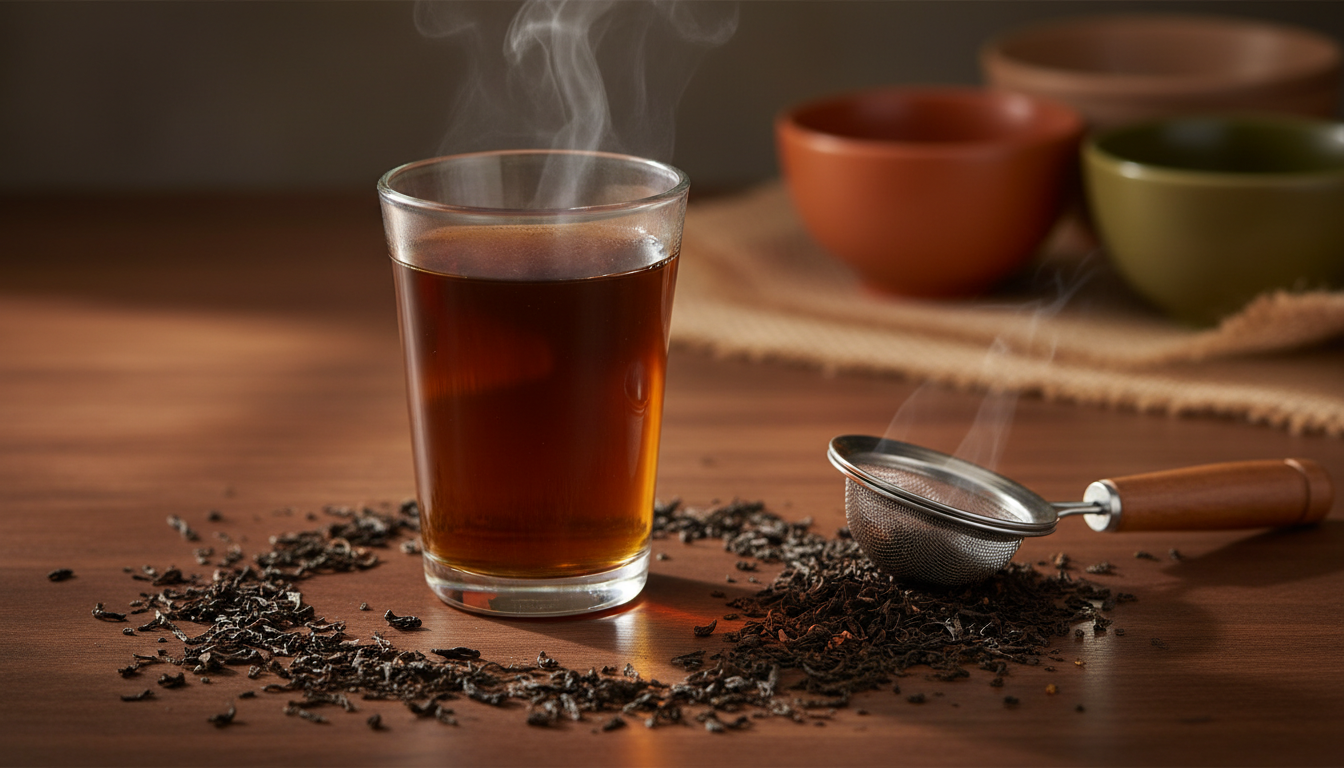
Black tea is fully oxidized Camellia sinensis. Compare Assam, Darjeeling, Keemun, and Ceylon varieties. Learn processing, brewing, and caffeine levels.

How To Grow Black Tea
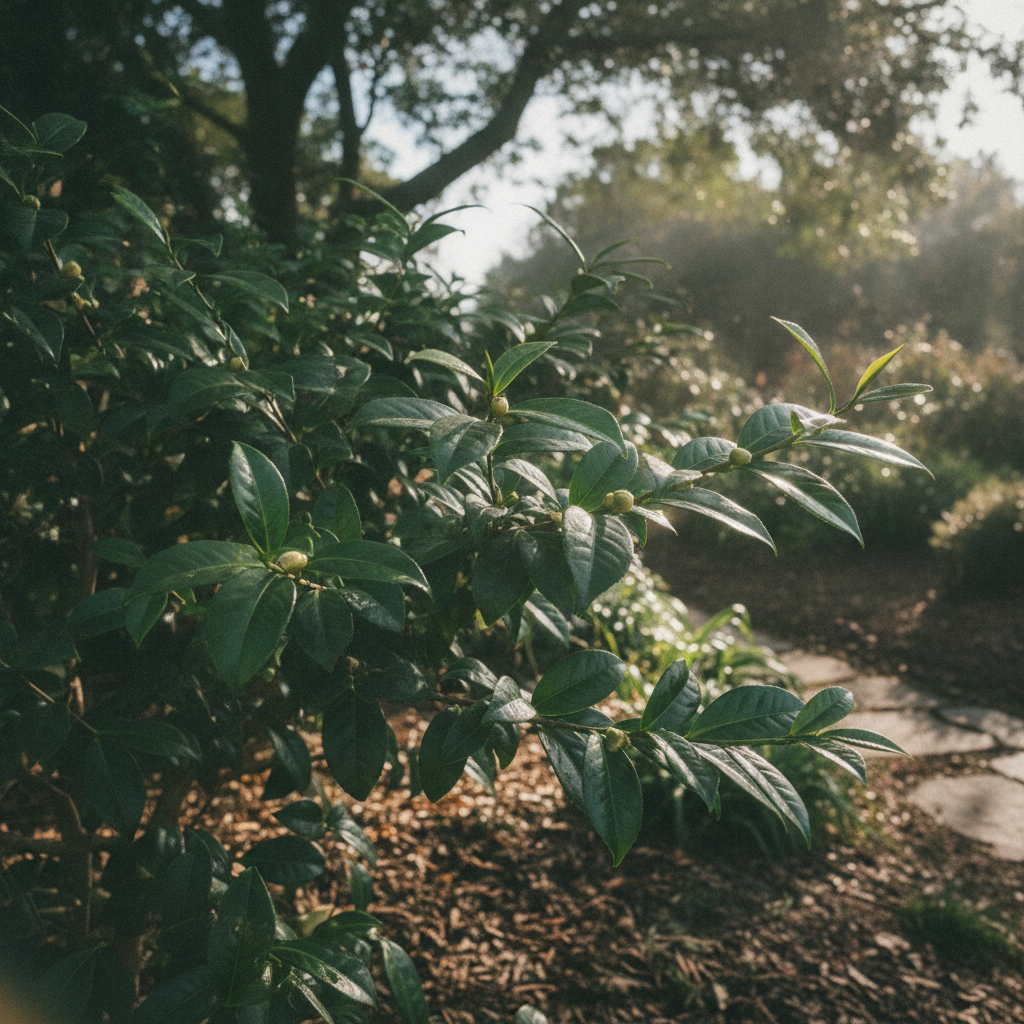
Learn how to grow black tea at home: soil, climate, and the five processing steps from fresh leaf to a finished cup of black tea.

Visdom är vägen till bättre te.
Få vår kostnadsfria bryggguide: rätt vatten, temperatur och dragtid för varje te vi säljer. Du får också veta först när nya skördar kommer in.
Ingen skräppost. Avsluta när du vill.
Kolla din inkorg.
Guiden är på väg.