












Lemon Balm and Cold Sores: What Studies Show
Lemon Balm for Cold Sores: Does It Work?
Lemon balm for cold sores is not a vague wellness claim. Melissa officinalis is one of the few herbs that has attracted real clinical attention for HSV-1, the virus that causes cold sores, and the antiviral mechanism researchers identified is specific and measurable. That puts it in a different category from most herbal "immune support" products, where the proposed effects are rarely tested against a named pathogen. This post explains what the evidence actually shows, where it falls short, and how tea compares to topical application.
The Science Behind Lemon Balm and Herpes Simplex
Lemon balm contains rosmarinic acid and caffeic acid, two polyphenolic compounds that some research suggests may interfere with how HSV-1 attaches to host cells. The proposed mechanism is that these polyphenols bind to viral glycoproteins, the surface proteins the virus uses to dock with cell membranes, blocking entry before infection takes hold. This has been tested in vitro, meaning in laboratory cell studies, at measurable concentrations.
The most frequently cited clinical reference is a 1999 study published in Phytomedicine (Koytchev et al.). Researchers applied a standardised topical lemon balm cream to active cold sores and found healing time was reduced by approximately two days compared to placebo. That is a meaningful result for a herbal preparation.
The concentration question is important to flag honestly. Laboratory studies test polyphenols at concentrations that are often higher than what circulates in the bloodstream after drinking tea. The in vitro inhibition results and the clinical cream study are real data points, but they do not straightforwardly translate into "drink lemon balm tea, cure cold sores." The mechanism is plausible, the topical evidence is encouraging, and the tea form deserves an honest comparison.
Tea vs Topical: Which Form Works Better for Cold Sores?
The published clinical evidence for lemon balm and cold sores is for topical application, not tea. Specifically, it is for a standardised cream containing a 2-4% concentrated Melissa extract applied directly to the lesion. Drinking lemon balm tea delivers rosmarinic acid and related polyphenols systemically, but at much lower concentrations than a topical preparation sitting directly on the affected tissue.
That does not mean tea is useless, but it does mean expectations should be calibrated. Drinking two cups daily during an outbreak may offer mild supportive benefit, but it is not the primary intervention the research supports.

There is a practical middle ground for tea users. Brewing a double-strength concentrate (2 tsp of dried lemon balm per 100 ml, steeped for 10 minutes) and then cooling it to room temperature gives a liquid that can be applied directly to the cold sore with a cotton ball. This approach mimics topical use more closely than drinking the tea and is worth trying at the first sign of tingling. It will not match a commercially standardised 2-4% cream, but it is a reasonable option if a dedicated topical product is not to hand.
Covering the steep matters: the volatile lemon compounds in the herb, citral and citronellal, escape as steam if the cup is left open, reducing the concentration you end up with.
How to Use Lemon Balm Tea for Cold Sore Relief
Topical application (concentrated brew)
Brew 2 tsp of dried lemon balm per 100 ml of water at 90-95C. Steep for 10 minutes covered, then let it cool completely to room temperature. Apply to the affected area with a fresh cotton ball, 3-4 times daily. Start at the first sign of tingling, before the blister forms. Use a clean applicator every time and wash hands before touching the area. Do not apply to open, weeping lesions without those precautions in place.
Internal use (standard brew)
For drinking, use 1 tsp per 200 ml at 90-95C, steeping for 5-7 minutes covered. Two cups daily during an outbreak is a reasonable amount. I find our organic lemon balm brews with a clean citrusy note and no bitterness at these parameters, because the citral compounds that give it the lemon character release well before the brew turns sharp.

The citral content is also the first thing to degrade if the herb is stored poorly, so keep it sealed, away from light, and use within 12 months of opening for best results.
What to look for in the herb itself
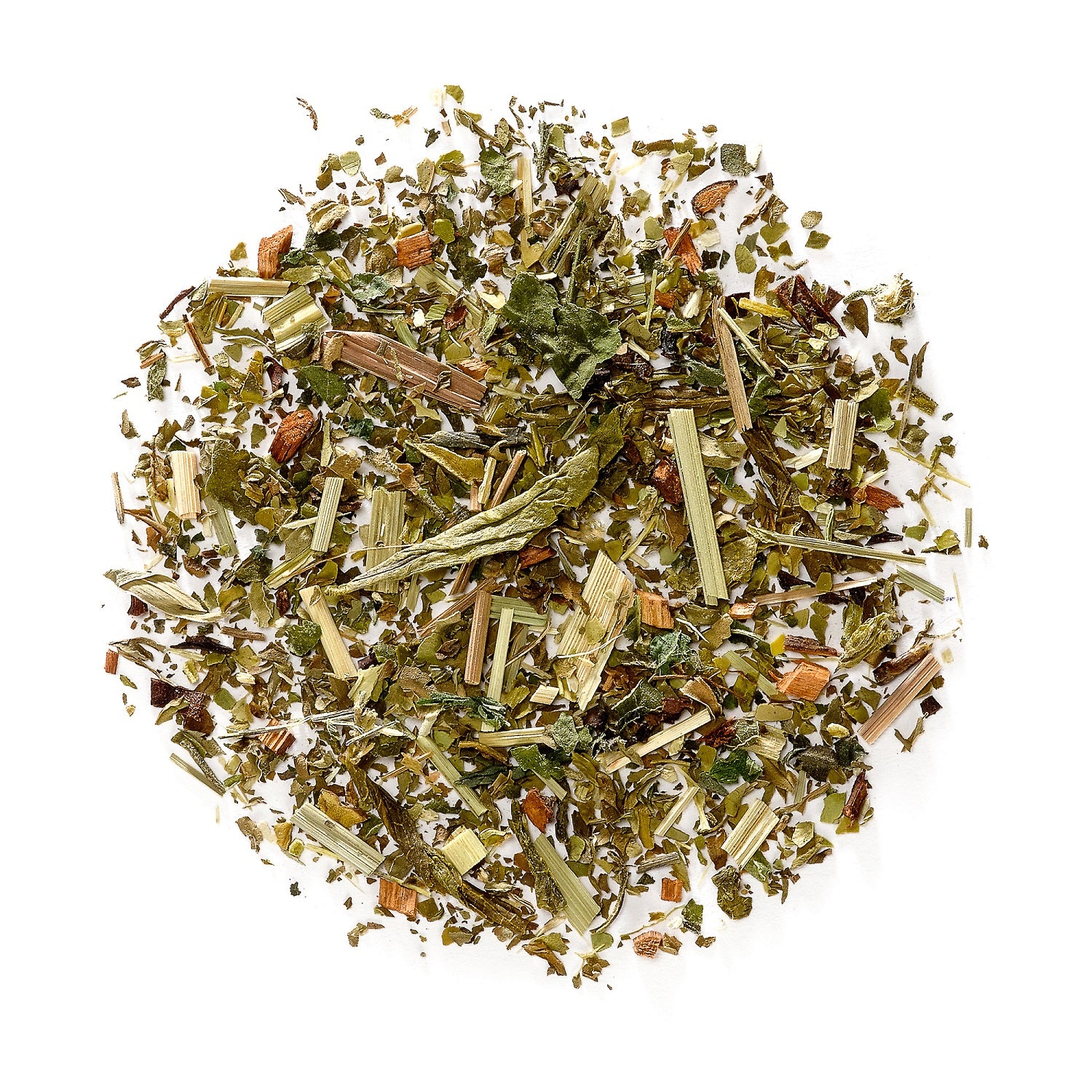
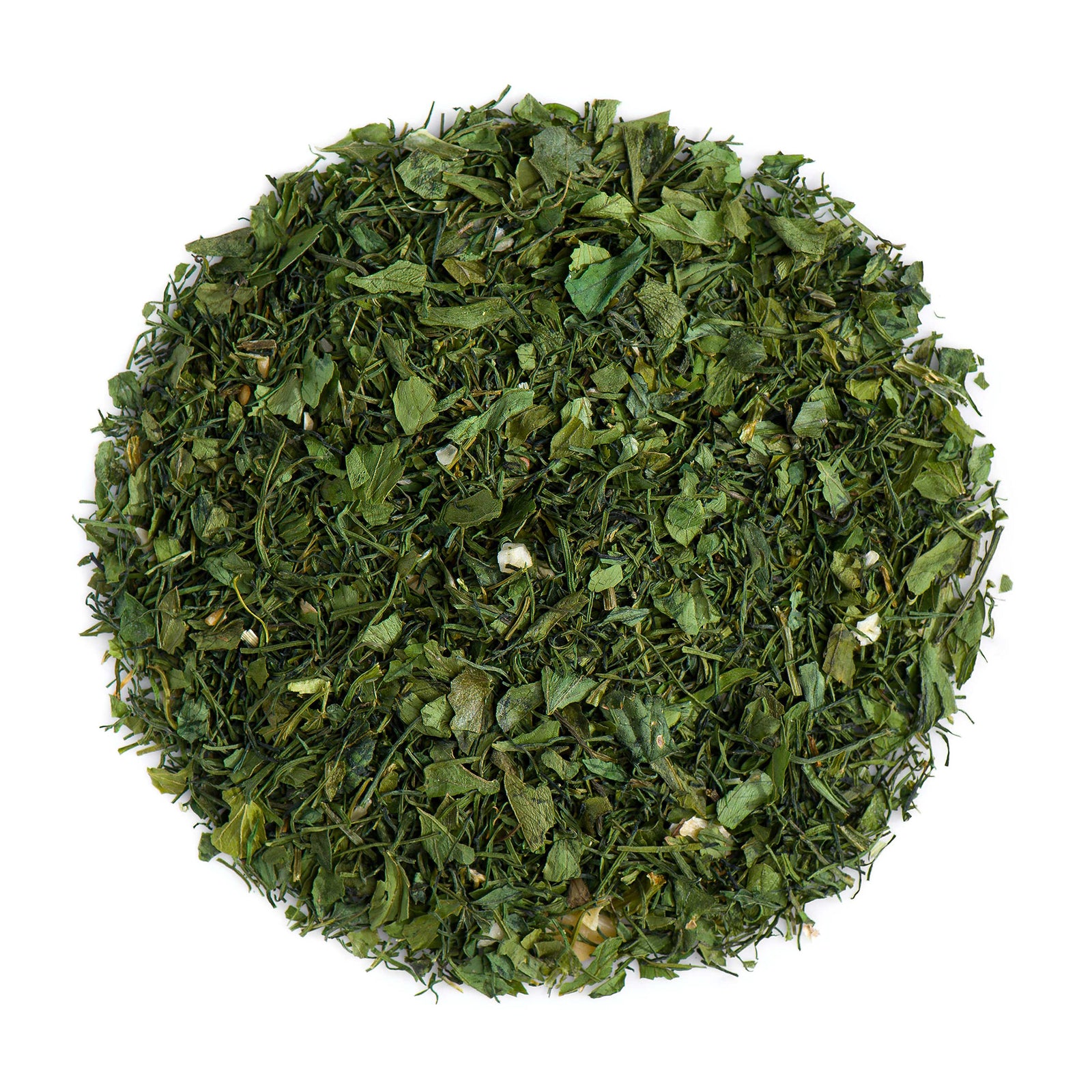
High-quality dried lemon balm with measurable rosmarinic acid content gives the best starting point. Look for bright green colour in the dried leaf and a strong lemon scent when you crush a small pinch. Dull, grey-green herb with little aroma has likely lost most of its active compounds.
Our lemon balm is certified organic Melissa officinalis sourced from Portugal and Greece. The quality test is all in the scent: crush a small pinch and it should hit you with concentrated lemony goodness. Sweet and lemony with a coating aroma that lingers. That origin-specific quality is what makes it worth using for something like a cold sore preparation, where potency matters.
Final Thoughts
The topical evidence for lemon balm and cold sores is reasonably strong for a herbal preparation, particularly the 1999 Koytchev study showing reduced healing time. The antiviral mechanism, polyphenols potentially blocking HSV-1 attachment, is specific rather than generic. Drinking lemon balm tea for cold sores may offer mild systemic support, but topical application of a concentrated brew or a standardised cream is the more direct route.
Start with high-quality dried lemon balm, store it properly, and treat it as one practical tool. If outbreaks are frequent, severe, or not responding to herbal approaches, consult a doctor. Antiviral medications have strong clinical evidence and should not be replaced by any herbal remedy.

Leave a comment
Comments will be approved before showing up.
Also in Valley of Tea Blog | Tea Guides, Origins & Brewing Tips
The Complete Guide to Drinking Tea
What tea is, how the main types differ in the cup, and how to brew each one properly. Water temperature, steeping times, storage and how to get more than one cup from your leaves.
Read More

Black Tea: Types, Processing, and How to Brew It
Black tea is fully oxidized Camellia sinensis. Compare Assam, Darjeeling, Keemun, and Ceylon varieties. Learn processing, brewing, and caffeine levels.

How To Grow Black Tea
Learn how to grow black tea at home: soil, climate, and the five processing steps from fresh leaf to a finished cup of black tea.

Wisdom is the path to better tea.
Get our free brewing guide: the right water, heat and timing for every tea we sell. You will also hear it first when new harvests arrive.
No spam. Unsubscribe any time.
Check your inbox.
The guide is on its way.