












Moringa Tea: What It Is and How to Brew It
Moringa tea is one of the most nutrient-dense herbal infusions you can brew. Made from the dried leaves of the Moringa oleifera tree, it delivers a broad spectrum of vitamins, minerals, and amino acids in a single caffeine-free cup. The plant has been used in traditional medicine systems across South Asia and sub-Saharan Africa for centuries — long before the Western wellness industry discovered it. Moringa tea is not a trend. It is a staple with a long track record.

At Valley of Tea, we have been sourcing and tasting teas for over fifteen years. This guide draws on that experience.
This guide covers what moringa tea is, how it tastes, how to brew it properly, and what to look for when buying. No health claims, no miracle promises — just the facts about a remarkable plant and the tea it produces.
What Is Moringa Tea

Moringa tea is a herbal infusion made by steeping dried moringa leaves in hot water. It is not a true tea — it contains no Camellia sinensis — but it is prepared and consumed in the same way. The leaves come from the Moringa oleifera tree, a fast-growing tropical species native to the foothills of the Himalayas in northwestern India. From there, it spread across South Asia, Southeast Asia, and sub-Saharan Africa, where it has been cultivated for food, medicine, and water purification for at least 4,000 years.
The leaves are the most commonly consumed part of the tree, though virtually every part of Moringa oleifera has traditional uses — the seeds, roots, bark, flowers, and seed pods are all eaten or used in various preparations across different cultures. For tea purposes, it is the leaves that matter. They are harvested, dried at low temperatures to preserve their nutritional content, and either left whole, cut into smaller pieces, or ground into powder.
Moringa tea contains significant amounts of vitamins A, C, and E, as well as calcium, potassium, iron, and all nine essential amino acids. Gram for gram, dried moringa leaves contain more vitamin C than oranges, more calcium than milk, more potassium than bananas, and more iron than spinach. These comparisons refer to the dried leaf — a cup of moringa tea will deliver a fraction of those amounts, but the nutritional profile remains impressive for a simple herbal infusion.
In Ayurvedic tradition, moringa has been used for over 300 documented purposes. In West Africa, the leaves are a dietary staple — cooked into soups and stews — and the crushed seeds are used to purify drinking water, a practice that modern research has confirmed to be effective. The plant's reputation as the "miracle tree" or "tree of life" comes from this extraordinary range of traditional applications, not from any single dramatic property.
The Moringa Plant

Moringa oleifera is commonly called the drumstick tree because of its long, slender seed pods that resemble drumsticks. Other names include the horseradish tree (the roots taste like horseradish), the ben oil tree (the seeds produce ben oil, used in perfumery), and simply "the miracle tree."
The tree is a botanical outlier. It grows fast — up to 3-4 meters in its first year from seed — and thrives in poor, sandy soil with minimal water. It tolerates drought, heat, and neglect. This resilience makes it one of the most important food crops in arid and semi-arid tropical regions, where more demanding plants fail. The tree can be harvested multiple times per year; cutting the branches back promotes bushy growth and more leaf production rather than killing the plant.
Moringa oleifera belongs to the family Moringaceae, which contains only a single genus (Moringa) with 13 species. M. oleifera is by far the most widely cultivated and studied. The tree is native to the sub-Himalayan areas of India, Pakistan, Bangladesh, and Afghanistan, but it now grows throughout the tropics. Major producers include India (the largest by volume), the Philippines, Indonesia, Nigeria, and several East African countries including Kenya, Tanzania, and Ethiopia.
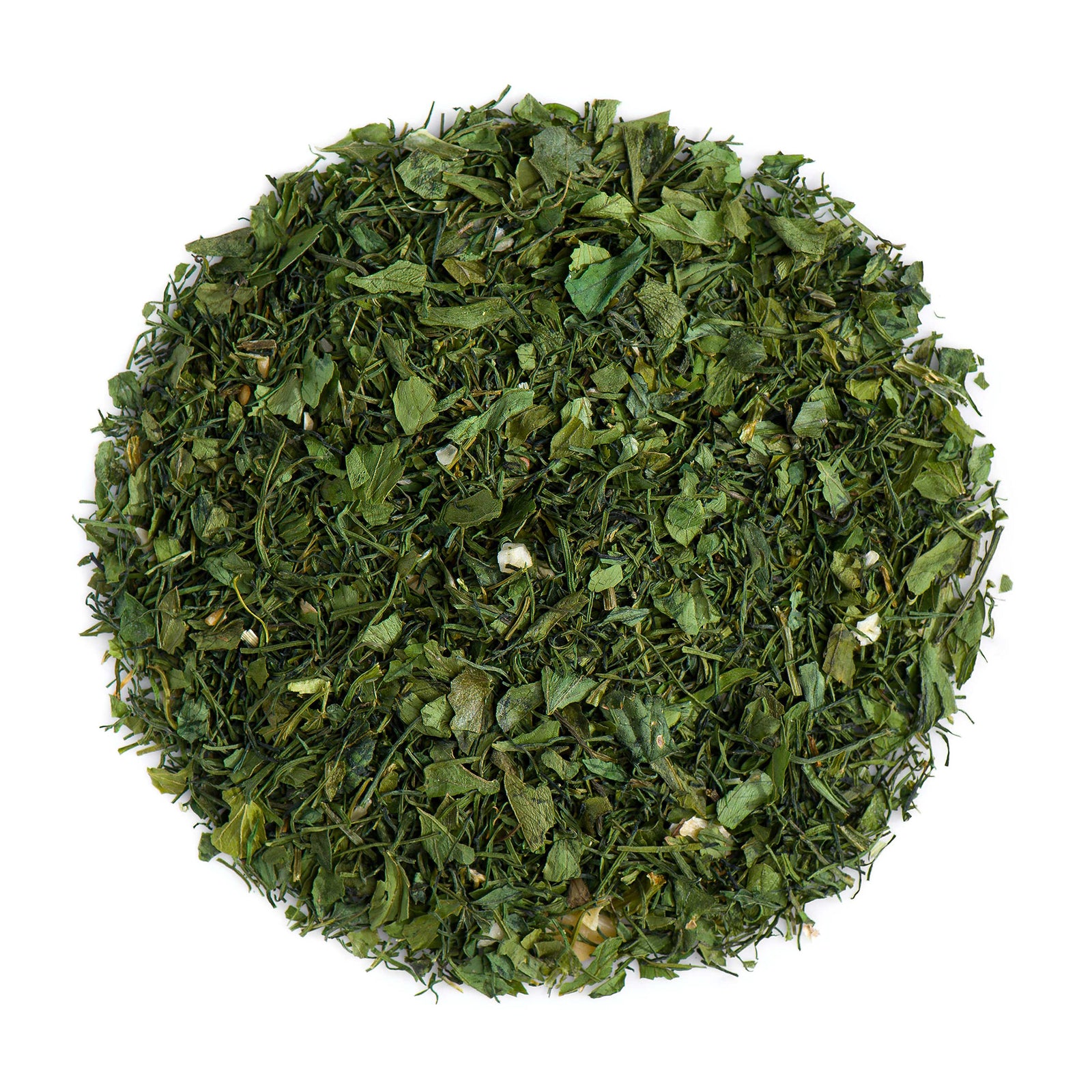
The leaves are small, oval, and compound — arranged in groups of leaflets along a central stem, giving the branch a feathery appearance. Fresh moringa leaves are bright green with a mild, slightly peppery flavor. When dried, the flavor concentrates and the leaves take on a deeper green color. Quality moringa retains this vibrant green after drying; brownish or yellowish dried leaves indicate either old stock or improper drying.
What Moringa Tea Tastes Like

Moringa tea has a distinctive flavor that sits in its own category among herbal teas. The primary note is green and vegetal — similar to a mild green tea or spinach, but without the grassiness of Japanese green teas or the bitterness of overbrewed Camellia sinensis.
Underneath the green character is an earthy quality, grounding and slightly mineral. Some drinkers detect a faint nuttiness, particularly in whole-leaf moringa tea that has been lightly toasted during processing. There is a mild bitterness in the finish — not unpleasant, more like the bitterness of rocket (arugula) or dandelion greens than the tannic bite of black tea. This bitterness is more pronounced in moringa powder tea than in whole-leaf infusions.
The aroma is hay-like and herbaceous, with a green, fresh quality when brewed correctly. Oversteeping or using water that is too hot will push the flavor toward excessive bitterness and a flat, cooked-vegetable taste.
Moringa tea is not sweet. It does not have the natural sweetness of rooibos or the fruity brightness of hibiscus. It is a savory, green, earthy cup. People who enjoy matcha, sencha, or nettle tea tend to take to moringa easily. Those who prefer sweeter or fruitier herbal infusions may want to add honey or blend moringa with complementary herbs.
How to Brew Moringa Tea

Moringa tea is forgiving but rewards attention to detail. The key variables are water temperature, leaf quantity, and steep time.
Water temperature: 80°C (176°F). Boiling water scorches moringa leaves and extracts excessive bitterness. Heat your water to 80°C — the same temperature you would use for a good green tea. If you do not have a temperature-controlled kettle, bring water to a boil and let it cool for 3-4 minutes before pouring.
Leaf quantity: 1-2 teaspoons (2-4 grams) per cup (250ml). For whole dried leaves, use a slightly heaped teaspoon. For moringa powder, use a level teaspoon — powder is denser and releases flavor more quickly. Start with less and increase to taste.
Steep time: 3-5 minutes. Three minutes gives a lighter, more delicate cup. Five minutes produces a fuller-bodied brew with more pronounced earthiness and a slightly bitter edge. Beyond 5 minutes, the bitterness can dominate. Unlike rooibos or many fruit infusions, moringa does not benefit from extended steeping.
Method for loose leaf moringa tea:
- Place 1-2 teaspoons of dried moringa leaves in a teapot or infuser.
- Pour 250ml of 80°C water over the leaves.
- Steep for 3-5 minutes.
- Remove the leaves or strain.
- Drink plain, or add honey and a squeeze of lemon to complement the green, earthy flavor.
Method for moringa powder:
- Place 1 level teaspoon of moringa powder in a cup.
- Add a splash of 80°C water and stir into a paste (this prevents clumping).
- Fill the cup with the remaining water, stirring as you pour.
- Let it settle for a moment. Some powder will remain suspended — this is normal and desirable, as you are consuming the whole leaf rather than just an extract.
Moringa tea can be re-steeped once. The second infusion will be lighter and less complex, but still pleasant. It also makes an excellent iced tea — brew it slightly stronger than usual, let it cool to room temperature, then refrigerate. The flavor holds well cold and gains a refreshing quality it lacks when hot.
Moringa Powder vs Moringa Leaf Tea

This is an important distinction that many moringa newcomers overlook.
Moringa leaf tea consists of whole or cut dried moringa leaves. You steep them in water, then remove them. What you drink is an infusion — the water-soluble compounds extracted from the leaves. This gives you a cleaner, lighter cup with less bitterness and a more traditional tea-drinking experience. The downside is that you leave behind the fiber and any compounds that are not water-soluble.
Moringa powder is the whole dried leaf ground to a fine powder. When you stir it into water, you consume the entire leaf — fiber, fat-soluble vitamins, and all. The nutritional content per cup is higher because nothing is filtered out. The taste is stronger, more vegetal, and more bitter. The texture is slightly gritty, similar to matcha but coarser (moringa powder is not stone-ground to the same fineness as ceremonial matcha).
Which is better depends on your priority. If you want maximum nutritional density and do not mind the stronger flavor and texture, powder delivers more per cup. If you want a clean, pleasant daily drink with a lighter flavor profile, whole-leaf moringa tea is the better choice. Many regular moringa drinkers keep both — leaf tea for everyday sipping, powder for smoothies, lattes, or when they want the full nutritional impact.
Quality matters more with powder than with leaf tea. Because you consume the whole ground leaf, any contaminants, pesticides, or heavy metals present in the leaf material end up in your cup. With leaf tea, the steeping process acts as a partial filter. For powder, organic certification and third-party testing are more important.
Moringa in Blends

Moringa's green, earthy flavor profile makes it a natural blending ingredient. It pairs well with:
Ginger. The sharpness and warmth of ginger cuts through moringa's earthiness and adds a spicy kick. Moringa-ginger is one of the most popular blends in East African tea culture.
Lemon or lemongrass. Citrus brightness lifts the green, vegetal notes and reduces the perception of bitterness. A squeeze of fresh lemon in plain moringa tea achieves a similar effect.
Peppermint. Mint adds freshness and a cooling sensation that complements moringa's earthy base. This combination works particularly well as an iced tea.
Turmeric. Another traditional combination from Ayurvedic practice. Turmeric and moringa share an earthy, slightly bitter profile, and together they create a warming, golden-green cup. A pinch of black pepper improves turmeric absorption.
Green tea. Blending moringa with a light Chinese green tea or a mild Japanese sencha creates a cup with more complexity — the tea provides structure and a slight astringency that moringa lacks on its own.
Honey and cinnamon. Not a blend in the traditional sense, but adding honey and a cinnamon stick to moringa tea transforms it into a warming drink that works well in the evening. The sweetness of honey tames the bitterness while cinnamon adds warmth and depth.
Moringa also appears in commercial chai blends, where it adds a green, nutritious backbone to the spice mix. It works in any context where a mild, green herbal base is needed.
Moringa and Caffeine
Moringa tea contains zero caffeine. The Moringa oleifera tree does not produce caffeine — it is not a stimulant plant. This makes moringa tea suitable for drinking at any time of day, including the evening, without any risk of disrupting sleep.
This is a straightforward fact, but it is worth stating clearly because moringa is sometimes marketed alongside matcha, green tea, and other caffeinated beverages in the "superfood" category, which can create confusion. Moringa provides no caffeine boost. If you are looking for a morning pick-me-up to replace coffee, moringa alone will not deliver that stimulant effect. Some people blend moringa with green tea or matcha specifically to combine moringa's nutritional density with the caffeine from Camellia sinensis.
The absence of caffeine also means moringa tea contains no L-theanine — the amino acid found in true tea that produces a calm, focused alertness. The relaxation some people report from drinking moringa tea is likely related to its magnesium content and the ritual of drinking a warm beverage rather than any specific psychoactive compound.
For people who avoid caffeine entirely — whether due to pregnancy, sensitivity, medication interactions, or personal preference — moringa tea is a safe and nutritionally interesting alternative to true tea.
Buying Quality Moringa Tea
Not all moringa tea is equal. The difference between good and poor moringa is significant and visible.
Color. High-quality dried moringa leaves and powder are a vibrant, deep green. This indicates proper drying at low temperatures that preserves chlorophyll and nutrients. Brownish, yellowish, or dull green moringa has been dried at too high a temperature, exposed to excessive sunlight, or stored too long. Avoid it.
Aroma. Fresh moringa has a clean, green, slightly grassy smell. Stale moringa smells flat, dusty, or like old hay. If the packaging allows, smell before buying.
Origin. India, particularly regions in Rajasthan, Tamil Nadu, and Andhra Pradesh, produces the highest volume and some of the best quality moringa. East African moringa from Kenya, Tanzania, and Ethiopia is also excellent. The Philippines and Indonesia are significant producers. Origin alone does not guarantee quality, but knowing where your moringa comes from is a baseline requirement.
Organic certification. Because moringa is a hardy tree that requires minimal intervention, organic cultivation is relatively straightforward. Certified organic moringa is widely available and worth seeking out, especially for powder (where you consume the entire leaf).
Whole leaf vs tea bags. As with all teas and herbal infusions, loose-leaf moringa tea is generally superior to tea-bag moringa. Tea bags typically contain lower-grade, more finely ground material that can taste flat and dusty. Whole dried leaves allow you to see and assess the quality before brewing.
Storage. Moringa degrades with exposure to light, heat, and air. Buy moringa in opaque, airtight packaging. Once opened, store it in a sealed container away from light and heat. Properly stored moringa leaf tea keeps its quality for 6-12 months. Powder degrades faster — use it within 3-6 months of opening.
Freshness matters more than brand. A no-name moringa from a recent harvest will outperform a premium-branded moringa that has been sitting on a shelf for two years. Ask suppliers about harvest dates when possible.
Conclusion
Moringa tea is a straightforward, caffeine-free herbal infusion with a nutrient profile that few other plants can match. It has a green, earthy flavor that rewards proper brewing — 80°C water, 3-5 minutes, no oversteeping. It works well on its own, blends naturally with ginger, citrus, mint, and spices, and comes in both whole-leaf and powder forms depending on your preference.
The plant behind it, Moringa oleifera, has thousands of years of traditional use across multiple continents. It grows where other crops struggle, feeds communities in some of the most challenging agricultural environments on earth, and produces leaves that are dense with vitamins, minerals, and amino acids.
Whether you drink moringa for its nutritional content, its flavor, or simply because you want a caffeine-free alternative with more substance than most herbal teas, it delivers. Buy it green, brew it gently, and drink it fresh.
Leave a comment
Comments will be approved before showing up.
Also in Valley of Tea Blog | Tea Guides, Origins & Brewing Tips
The Complete Guide to Drinking Tea
What tea is, how the main types differ in the cup, and how to brew each one properly. Water temperature, steeping times, storage and how to get more than one cup from your leaves.
Read More

Black Tea: Types, Processing, and How to Brew It
Black tea is fully oxidized Camellia sinensis. Compare Assam, Darjeeling, Keemun, and Ceylon varieties. Learn processing, brewing, and caffeine levels.

How To Grow Black Tea
Learn how to grow black tea at home: soil, climate, and the five processing steps from fresh leaf to a finished cup of black tea.

Wisdom is the path to better tea.
Get our free brewing guide: the right water, heat and timing for every tea we sell. You will also hear it first when new harvests arrive.
No spam. Unsubscribe any time.
Check your inbox.
The guide is on its way.