











Tea Brewing Temperature Guide: Getting It Right for Every Tea
Water temperature is the single most important variable in tea brewing. Using the wrong temperature can turn an excellent tea bitter, flat, or tasteless. The difference between a good cup and a bad one is often just 10-15 degrees.
Each tea type has an optimal range, determined by how the leaves were processed and how their flavor compounds respond to heat.
Why Temperature Matters
Tea leaves contain hundreds of chemical compounds, and different compounds dissolve at different temperatures. At lower temperatures, amino acids and natural sugars dissolve first — these provide sweetness and body. At higher temperatures, catechins and tannins extract more rapidly — these create bitterness and astringency.
The goal is to find the temperature that extracts the flavors you want while minimizing the ones you do not. For delicate teas, that means cooler water. For robust teas, it means hotter.
Temperature by Tea Type
Green tea: 65-80°C
Green tea is the most temperature-sensitive. Japanese greens like sencha and gyokuro perform best at 65-75°C. Chinese greens like longjing and mao feng can handle slightly more heat at 75-80°C. Above 80°C, most green teas turn bitter quickly. If your green tea tastes harsh, the water is almost certainly too hot.
White tea: 75-85°C
White tea is more forgiving than green but still prefers below-boiling water. Silver Needle does well at 75-80°C, where its delicate sweetness comes through without the subtle bitterness that hotter water introduces. White Peony handles 80-85°C comfortably.
Oolong tea: 85-95°C
The range here is wide because oolong is a wide category. Light, floral oolongs (Tie Guan Yin, Ali Shan) brew best at 85-90°C. Darker, roasted oolongs (Da Hong Pao, Dong Ding) want 90-95°C to bring out their depth. Check our oolong collection for specific recommendations.
Black tea: 90-100°C
Most black teas can handle water at or near boiling. Full boil works for Assam, Ceylon, and most breakfast blends. Darjeeling — especially first flush — is the exception, performing better at 85-90°C.
Pu-erh tea: 95-100°C
Pu-erh needs the hottest water of any tea type. Full boil, always. The compressed, fermented leaves need heat to open up and release their earthy, deep flavors. Rinse the leaves with a quick first pour of boiling water before your actual brew.
Herbal tea: 100°C
Herbal infusions are not technically tea (they come from various plants, not Camellia sinensis), and most require full boiling water. Flower-based herbs like chamomile and lavender steep well at 100°C. Root and seed herbs (ginger, fennel, burdock) need sustained boiling to extract fully.
How to Hit the Right Temperature Without a Thermometer
A thermometer is the most reliable tool, but you can get close by watching the water.
70°C: Tiny bubbles form on the bottom of the kettle. The water is steaming but not moving. The Chinese call this "shrimp eyes."
80°C: Streams of small bubbles rise from the bottom. The surface is moving gently. "Crab eyes."
90°C: Larger bubbles rise steadily. The water is clearly agitated. "Fish eyes."
100°C: Full, rolling boil. Large bubbles break the surface continuously.
Another simple method: boil your water fully, then let it sit with the lid off. After 1 minute it will be approximately 90-95°C. After 3 minutes, roughly 80°C. After 5-6 minutes, around 70°C. These times vary with the amount of water and the vessel, but they give a workable estimate.
Variable Temperature Kettles
If you drink tea regularly, a variable temperature kettle is worth the investment. These kettles let you set a target temperature and hold it. No guessing, no waiting, no thermometer. Most good models cost between €30-60 and last for years.
This single piece of equipment will improve your tea more than any other upgrade. The difference between water at 75°C and 95°C is not subtle — it is the difference between a sweet, aromatic cup and a bitter one.
Quick Reference
65-75°C — Japanese green tea (sencha, gyokuro)
75-80°C — Chinese green tea, Silver Needle white tea
80-85°C — White Peony, light oolongs
85-90°C — First flush Darjeeling, medium oolongs
90-95°C — Roasted oolongs, second flush Darjeeling
95-100°C — Black tea, pu-erh
100°C — Herbal tea
Get the temperature right, and everything else about brewing loose leaf tea becomes easier. It is the one variable worth paying attention to every time.
Leave a comment
Comments will be approved before showing up.
Also in Valley of Tea Blog | Tea Guides, Origins & Brewing Tips
The Complete Guide to Drinking Tea
What tea is, how the main types differ in the cup, and how to brew each one properly. Water temperature, steeping times, storage and how to get more than one cup from your leaves.
Read More
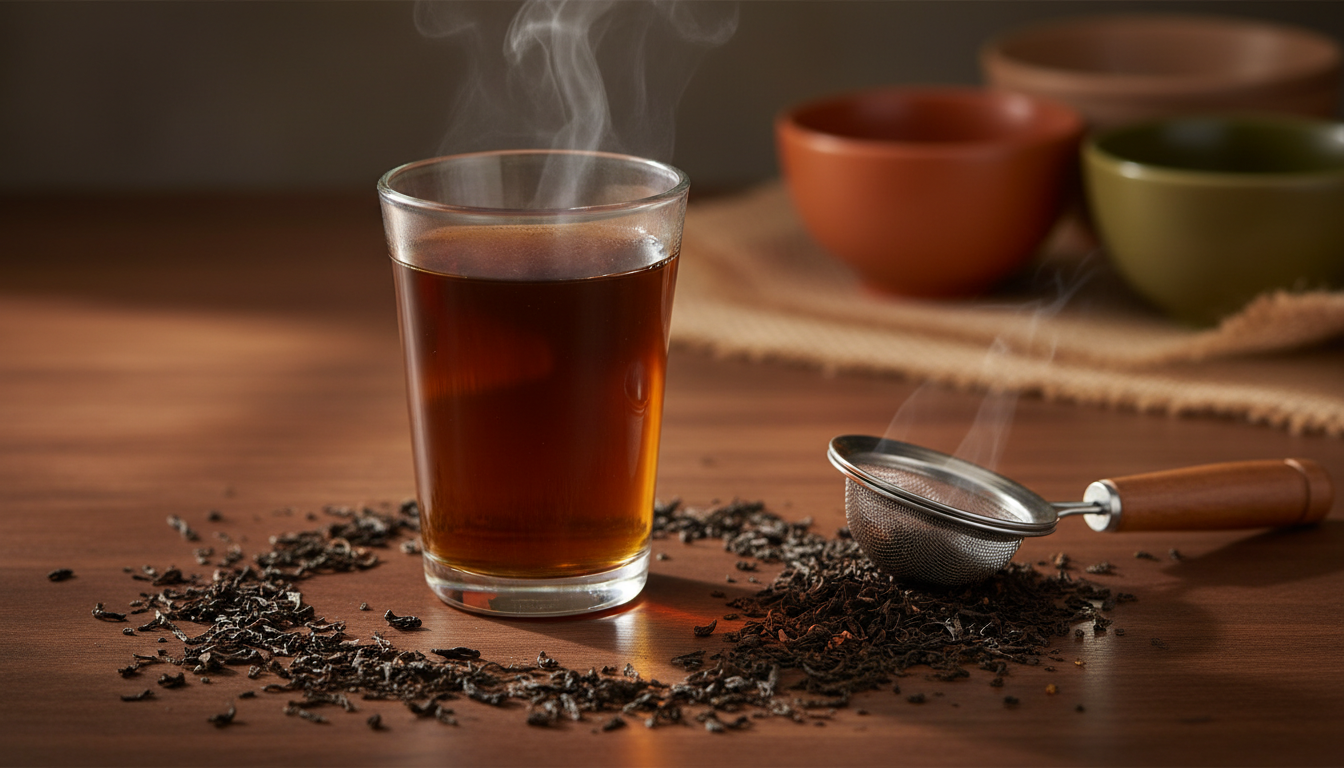

Black Tea: Types, Processing, and How to Brew It
Black tea is fully oxidized Camellia sinensis. Compare Assam, Darjeeling, Keemun, and Ceylon varieties. Learn processing, brewing, and caffeine levels.
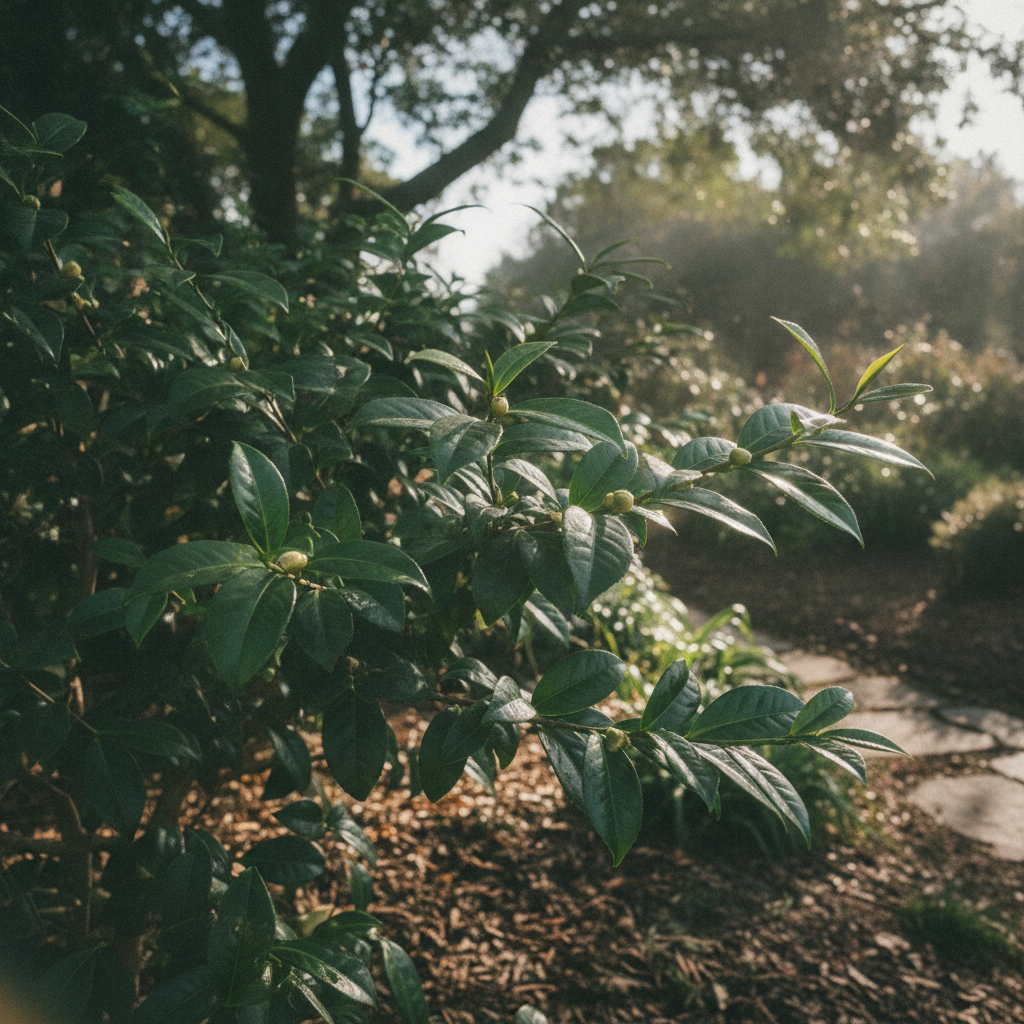

How To Grow Black Tea
Learn how to grow black tea at home: soil, climate, and the five processing steps from fresh leaf to a finished cup of black tea.

Wisdom is the path to better tea.
Get our free brewing guide: the right water, heat and timing for every tea we sell. You will also hear it first when new harvests arrive.
No spam. Unsubscribe any time.
Check your inbox.
The guide is on its way.