












What Is Green Tea? Types, Brewing, and What Sets It Apart
Green tea is tea that has been minimally oxidized. After picking, the leaves are quickly heated — either pan-fired or steamed — to stop the enzymes that would otherwise turn them into oolong or black tea. This preserves the leaf's natural green color, vegetal flavor, and a specific set of compounds that other tea types lose during oxidation.
It is the most consumed tea type in East Asia and one of the most researched beverages in the world.
A Short History
Green tea is the original processed tea. In China, leaves were being heated, dried, and brewed green more than a thousand years before anyone produced black tea deliberately. Lu Yu's eighth-century Classic of Tea describes an already refined green tea culture, from cake teas ground and whisked to careful notes on water quality. Japanese monks studying in China carried seeds home in the early ninth century, and the powdered style they later adopted evolved into matcha and the Japanese tea ceremony.
Oxidized teas came much later and were partly a product of trade: darker, fully oxidized leaves survived long sea voyages better, which is why Europe built its tea habit on black tea. East Asia never made the switch. Green tea remains the default cup across China and Japan today.
How Green Tea Is Made
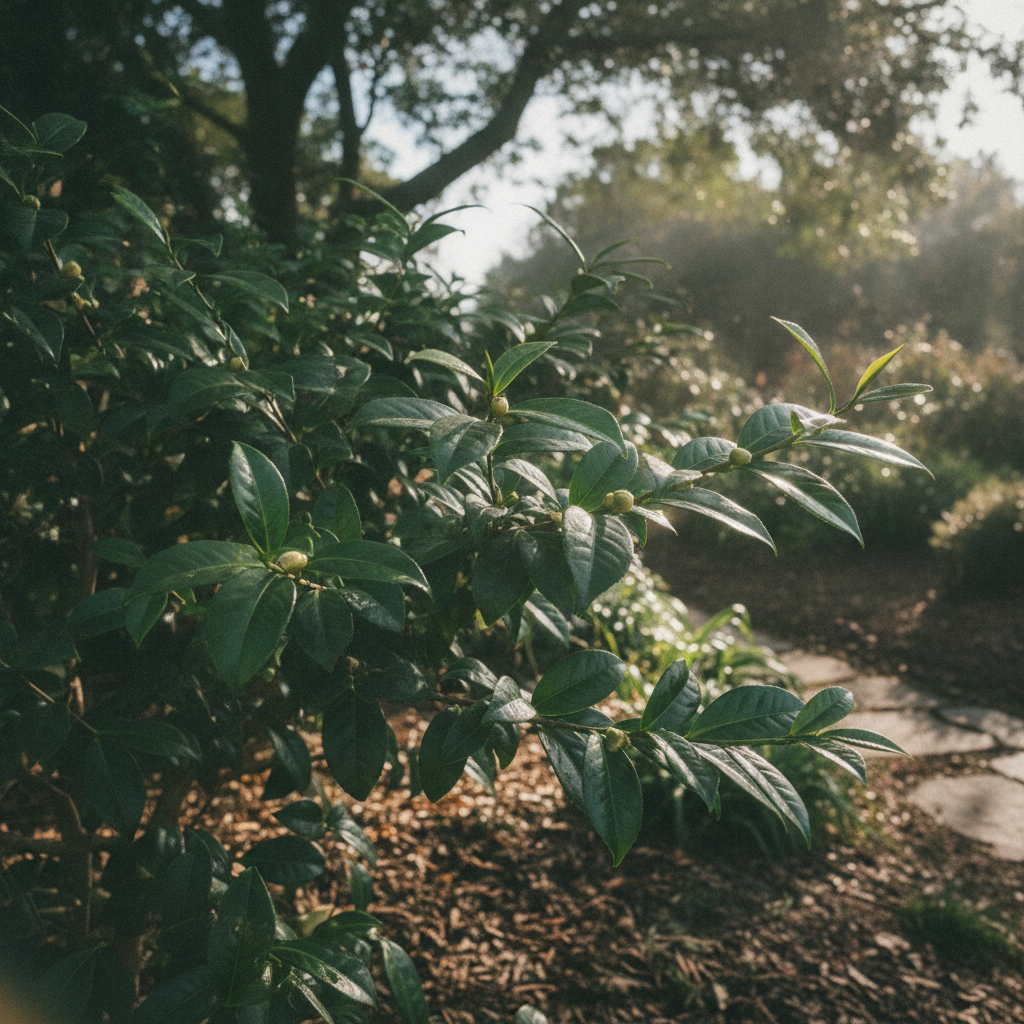
All tea comes from the same plant: Camellia sinensis. What makes green tea different is what happens right after the leaves are picked.
Within hours of harvest, the leaves are heated to deactivate the oxidizing enzymes. In China, this is typically done in a hot wok or drum — a method called pan-firing. In Japan, the leaves are steamed instead. This single difference in processing creates two distinct families of green tea with very different flavor profiles.
After the initial heating, the leaves are rolled to shape them and then dried. The entire process from fresh leaf to finished tea can take less than a day.
What Green Tea Tastes Like
Expect a spectrum rather than a single flavor. Pan-fired Chinese greens sit in the nutty, chestnut, gently sweet range with a smooth finish. Steamed Japanese greens run vegetal and marine — fresh grass, spinach, sometimes a seaweed note — with the savory depth known as umami. Shade-grown teas push that savoriness further; roasted styles like hojicha trade green flavors for warm, toasty ones.
Bitterness and astringency are part of the package but should stay in balance. A well-made, well-brewed green tea finishes clean and slightly sweet. If a cup is harsh, the culprit is usually water that was too hot or a steep that ran too long — the leaf gets blamed for the brewing more often than it deserves.
Chinese Green Teas
Chinese green teas tend to be pan-fired, which gives them a nutty, slightly toasty character. The flavor is often described as chestnut-like, mellow, and smooth.
Longjing (Dragon Well): The most famous Chinese green tea. Flat, sword-shaped leaves with a sweet, chestnut flavor. Grown in Hangzhou, Zhejiang province.
Bi Luo Chun: Tiny, tightly rolled leaves from Jiangsu province. Fruity and floral with a light body.
Gunpowder: Leaves rolled into small pellets that unfurl when brewed. Stronger and more astringent than most Chinese greens. Often used in Moroccan mint tea.
Mao Feng: Delicate, slightly furry leaves from Huangshan. Light, sweet, and refreshing.
Japanese Green Teas
Japanese green teas are steamed, producing a more vegetal, marine, and umami-rich flavor. The color tends to be a deeper, more vivid green.
Sencha: The everyday green tea of Japan, accounting for about 80% of Japanese tea production. Bright, grassy, and slightly sweet with a clean finish.
Gyokuro: Shade-grown for three weeks before harvest, which boosts amino acids and reduces bitterness. Rich umami flavor, almost broth-like.
Matcha: Shade-grown like gyokuro, but stone-ground into a fine powder. You consume the whole leaf, which intensifies both flavor and nutrient intake.
Hojicha: Roasted Japanese green tea. The roasting transforms the flavor into something warm and caramel-like, with very low bitterness and less caffeine than other greens.
Flavored and Blended Green Teas
Green tea also serves as the base for some of the world's most popular flavored teas.
Jasmine tea: green tea layered with fresh jasmine blossoms overnight, often over several nights in a row, until the leaves absorb the floral aroma. The best versions contain no flowers at all in the finished tea — only the scent remains.
Genmaicha: Japanese green tea mixed with roasted brown rice. The rice adds a toasty, popcorn-like warmth that softens the grassy edge of the tea. A forgiving, comforting everyday brew.
Moroccan mint: gunpowder green tea brewed strong with a generous handful of fresh spearmint and, traditionally, plenty of sugar. The robust, slightly smoky gunpowder holds its own against the mint.
How to Brew Green Tea
Green tea is the most temperature-sensitive of all tea types. Water that is too hot will extract excessive catechins and turn your cup bitter.
For most Chinese greens, use water at 75-80°C and steep for 2-3 minutes. For Japanese greens like sencha, 70-75°C works better — and gyokuro can go as low as 60°C with a longer steep.
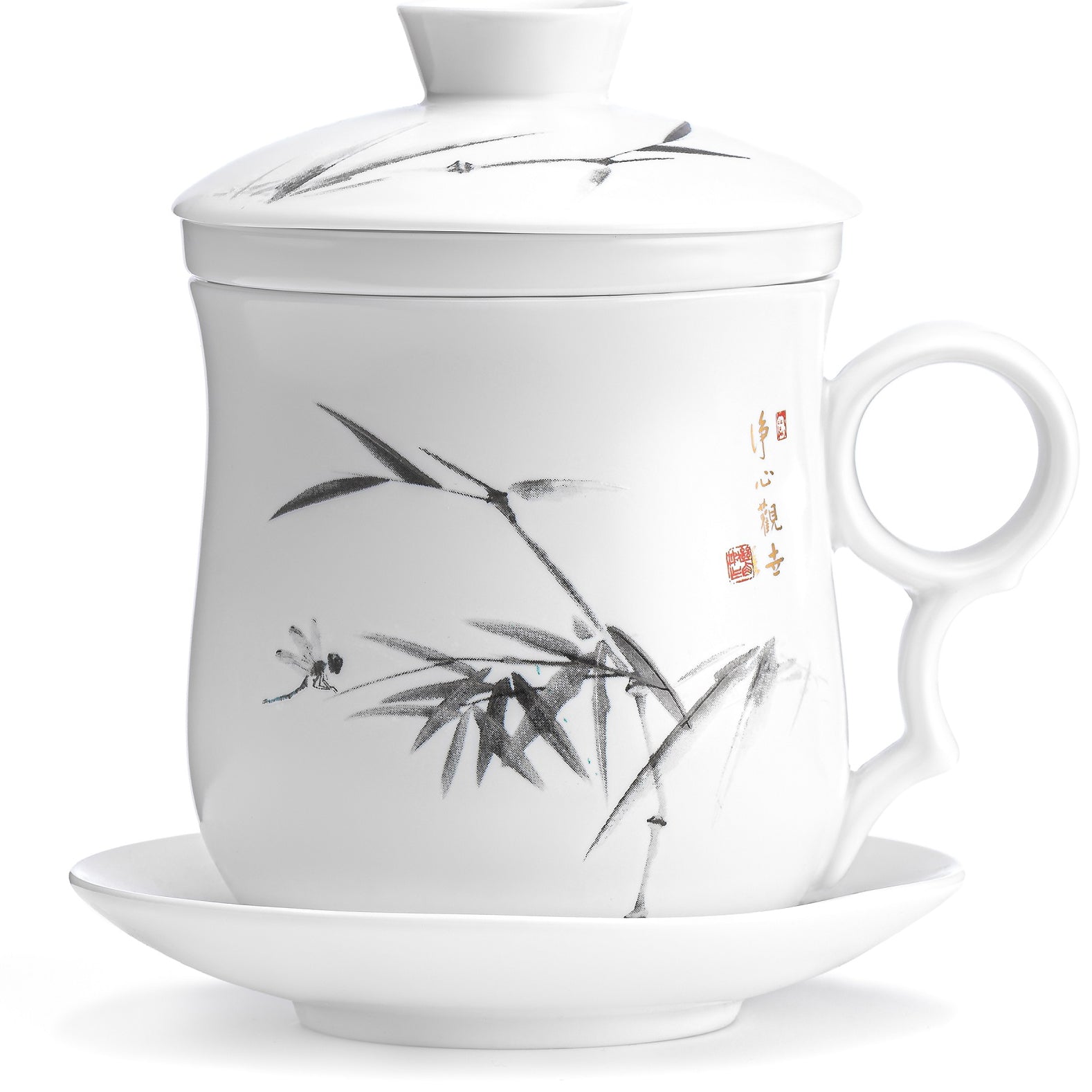
Use 2-3 grams of leaf per 200ml of water. A glass tumbler works well for Chinese greens, letting you watch the leaves settle.
Most green teas handle 2-3 infusions. The second steep often has a sweeter, rounder flavor than the first.
Common Brewing Mistakes
Most bad cups of green tea come down to one of four errors.
Boiling water. This is the big one. Water straight off the boil scalds the leaf and extracts bitterness that no steeping adjustment can undo. Let the kettle sit for a few minutes, or pour the water into the cup first and then transfer it — each transfer drops the temperature by roughly 5-10°C.
Oversteeping. Green tea gives up its flavor quickly. Past three minutes, most greens turn astringent. Set a timer for the first few brews of a new tea until you know its window.
Too little leaf, too long a steep. Compensating for a weak dose with extra time extracts the wrong compounds. Use more leaf and keep the steep short.
Stale leaf. Green tea fades faster than any other tea type. If your tea has been open in the cupboard for over a year, the flat cup is not your brewing technique.
Green Tea vs Other Teas
The key difference is oxidation. Green tea is 0-5% oxidized. Oolong ranges from 15-85%. Black tea is fully oxidized at 90-100%. This is not a quality spectrum — each level of oxidation produces a distinct flavor, aroma, and body.
Green tea generally has less caffeine than black tea but more than white tea. A typical cup contains 25-45mg of caffeine, compared to 40-70mg in black tea and 15-30mg in white.
How to Choose and Store Green Tea
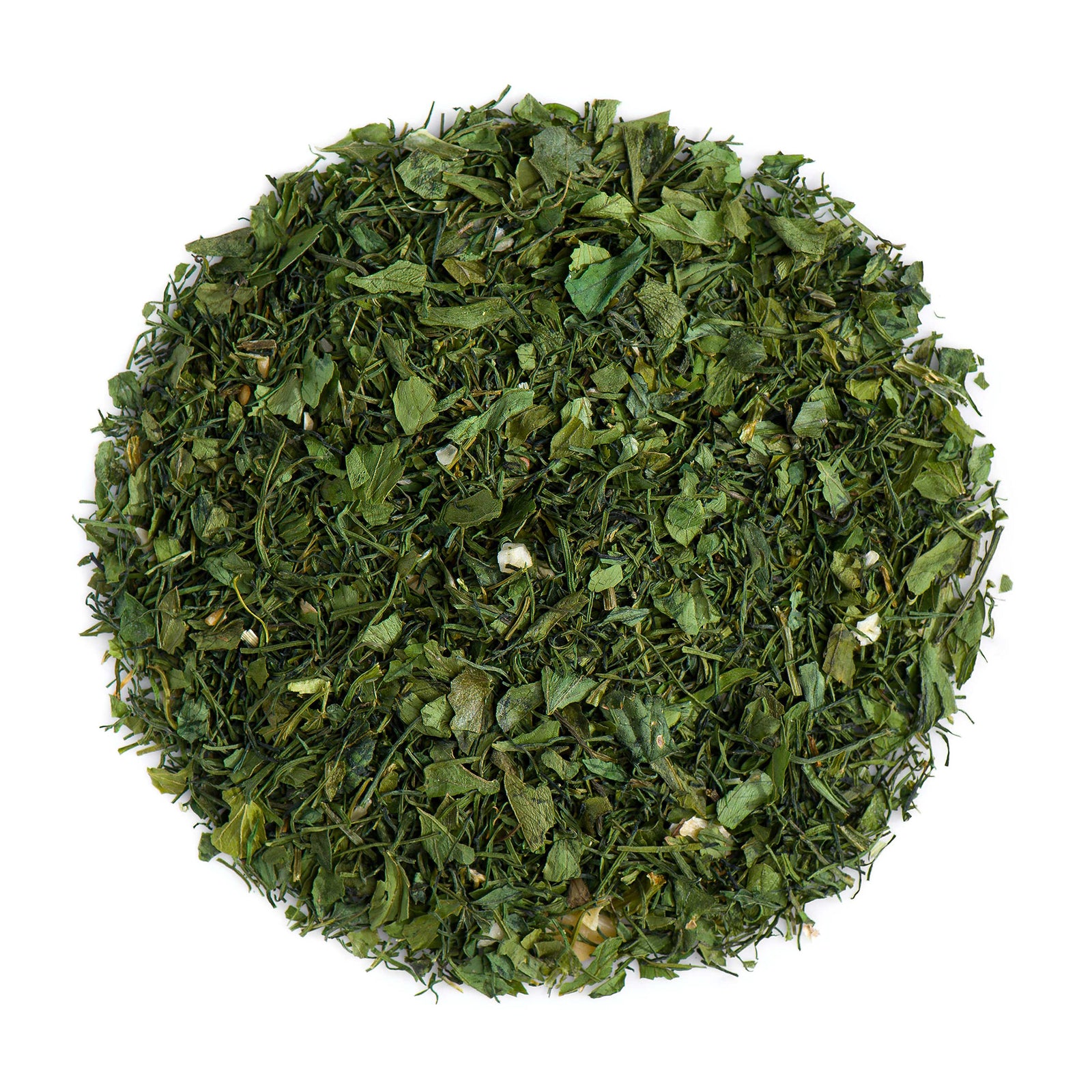
Freshness matters more for green tea than for any other type. Look for a recent harvest date where available — spring-picked teas are generally the finest, and in both China and Japan the first spring picking commands the highest prices for good reason. The leaf should look vivid rather than dull, and smell fresh and vegetal, never flat or hay-like.
Whole, intact leaves are usually a better sign than broken fragments and dust, which brew fast and bitter. With Japanese teas, a deep green color signals proper steaming and storage; with Chinese pan-fired teas, expect softer olive and jade tones.
At home, store green tea in an airtight, opaque container away from heat, light, moisture, and anything strongly scented — tea absorbs odors readily. Buy in small quantities and aim to finish an opened pack within six months. It will not spoil after that, but the bright top notes that make green tea worth drinking are the first thing to go.
If you are new to green tea, start with a Chinese longjing or a Japanese sencha. They represent the two main traditions well and are forgiving to brew. From there, you can explore shade-grown teas, roasted varieties, or the many regional specialties that our green tea collection covers.
Leave a comment
Comments will be approved before showing up.
Also in Valley of Tea Blog | Tea Guides, Origins & Brewing Tips
The Complete Guide to Drinking Tea
What tea is, how the main types differ in the cup, and how to brew each one properly. Water temperature, steeping times, storage and how to get more than one cup from your leaves.
Read More

Black Tea: Types, Processing, and How to Brew It
Black tea is fully oxidized Camellia sinensis. Compare Assam, Darjeeling, Keemun, and Ceylon varieties. Learn processing, brewing, and caffeine levels.

How To Grow Black Tea
Learn how to grow black tea at home: soil, climate, and the five processing steps from fresh leaf to a finished cup of black tea.

Wisdom is the path to better tea.
Get our free brewing guide: the right water, heat and timing for every tea we sell. You will also hear it first when new harvests arrive.
No spam. Unsubscribe any time.
Check your inbox.
The guide is on its way.