












White Tea: The Least Processed Tea and Why That Matters
White tea is the least processed of all tea types. The leaves are picked, withered in natural air, and dried. No rolling, no pan-firing, no steaming. This minimal handling preserves the leaf in something close to its natural state, producing a tea that is delicate, nuanced, and unlike anything else in the tea world.
Most white tea comes from Fujian province in China, though production has expanded to other regions including Nepal, Sri Lanka, and parts of Africa.
How White Tea Is Made
The simplicity of white tea production is deceptive. There are only two steps — withering and drying — but getting them right requires skill and experience.
After picking, the leaves are spread on bamboo racks or cloth and left to wither naturally, usually indoors with controlled airflow. This process takes 24-72 hours depending on weather conditions. During withering, the leaves lose moisture and undergo a very slight, natural oxidation — typically 5-10%.
Once the tea maker judges the wither complete, the leaves are gently dried to lock in the flavor. The result is a tea with a pale, straw-colored liquor and a flavor profile that rewards attention.
Main White Tea Varieties
Silver Needle (Bai Hao Yin Zhen): Made exclusively from unopened leaf buds, covered in fine white down — which is where "white tea" gets its name. The flavor is subtle: sweet, hay-like, with melon and honeysuckle notes. It is the most prized and most expensive white tea.
White Peony (Bai Mu Dan): Made from buds plus the first one or two leaves. Fuller-bodied than Silver Needle, with more structure and a slightly nutty, floral character. Our White Peony is sourced from Fujian and represents this style well.
Shou Mei: Made from mature leaves picked later in the season. More robust and earthy than Silver Needle or White Peony, with dried fruit and woody notes. Sometimes aged, which deepens the flavor further.
Gong Mei: Similar to Shou Mei but made from slightly younger leaves. A bridge between the delicacy of White Peony and the body of Shou Mei.
How to Brew White Tea
White tea is one of the most forgiving tea types to brew. It rarely turns bitter, even if you overshoot the steep time slightly.
Use water at 75-85°C — below boiling, but not as cool as you would use for Japanese green tea. Steep for 3-5 minutes. Use 3-4 grams per 200ml, as the fluffy buds and leaves take up more space than denser teas.
White tea handles multiple infusions well. The first steep is often the lightest and most floral. The second and third reveal more body and sweetness as the leaves fully open.
A glass teapot is ideal for white tea — the pale liquor and unfurling buds are part of the experience.
White Tea vs Green Tea
Both are minimally oxidized, but the processing is fundamentally different. Green tea is actively heated to stop oxidation. White tea is simply allowed to wither and dry naturally, with oxidation stopping on its own as moisture leaves the leaf.
In the cup, white tea is lighter-bodied, more subtle, and less vegetal than green tea. It has the lowest caffeine of the main tea types — roughly 15-30mg per cup — making it a good option for late afternoon drinking.
If you find green tea too grassy or astringent, white tea might be the style you are looking for. Start with a White Peony for a balance of delicacy and flavor, or a Silver Needle if you want to experience white tea at its purest.
Leave a comment
Comments will be approved before showing up.
Also in Valley of Tea Blog | Tea Guides, Origins & Brewing Tips
The Complete Guide to Drinking Tea
What tea is, how the main types differ in the cup, and how to brew each one properly. Water temperature, steeping times, storage and how to get more than one cup from your leaves.
Read More
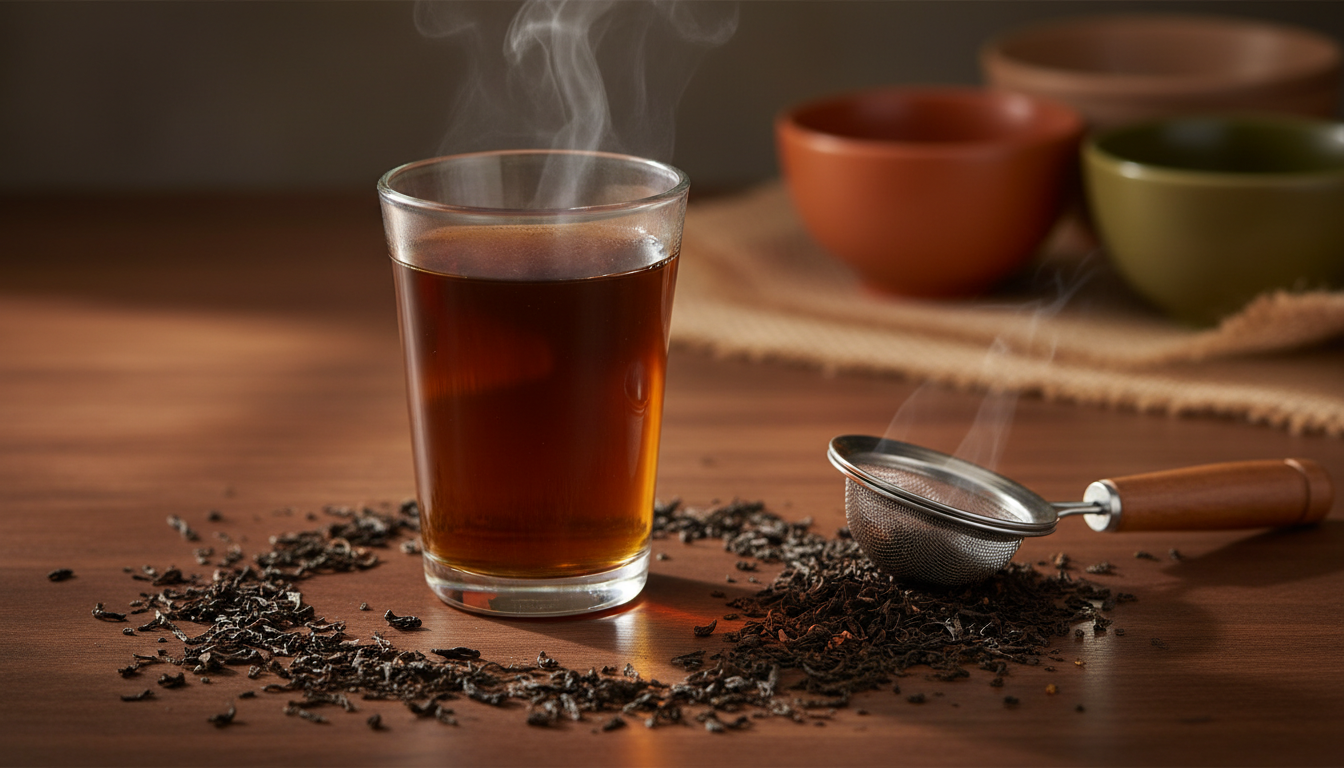

Black Tea: Types, Processing, and How to Brew It
Black tea is fully oxidized Camellia sinensis. Compare Assam, Darjeeling, Keemun, and Ceylon varieties. Learn processing, brewing, and caffeine levels.
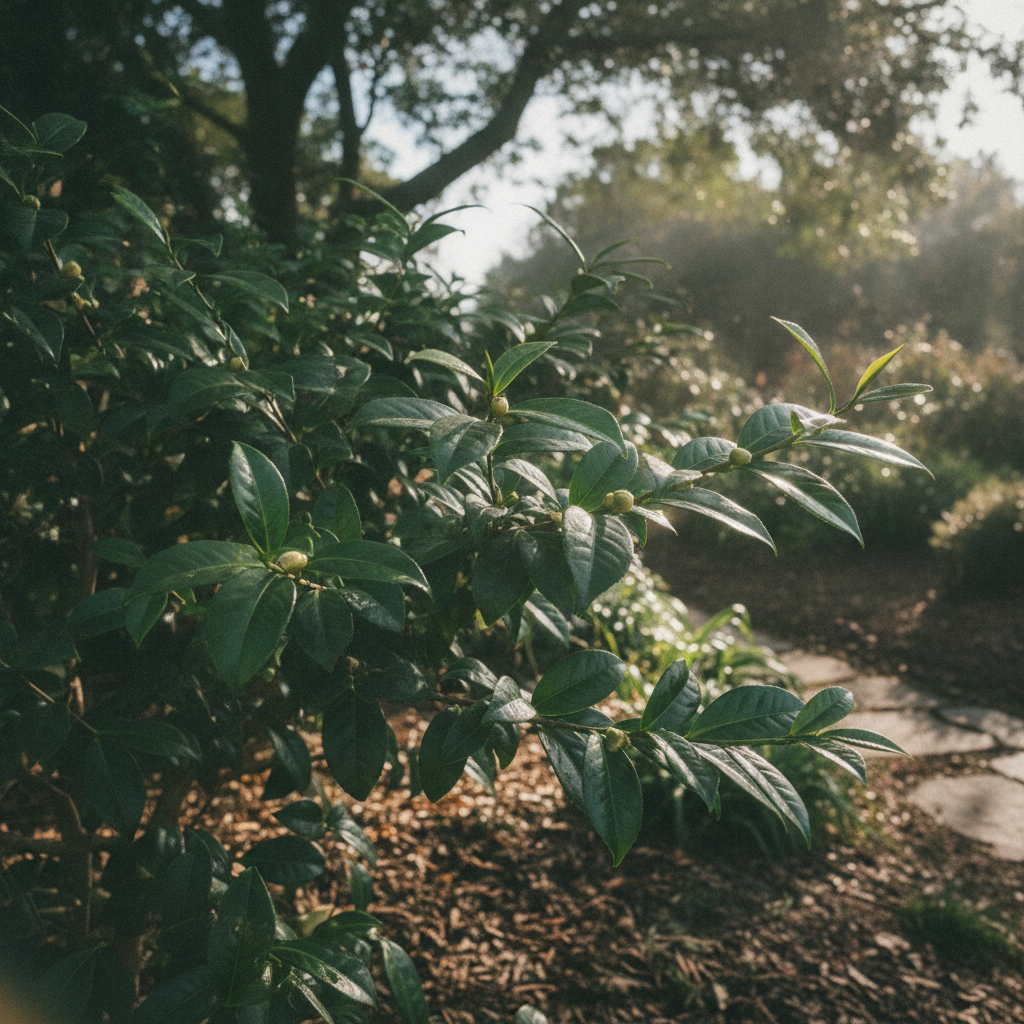

How To Grow Black Tea
Learn how to grow black tea at home: soil, climate, and the five processing steps from fresh leaf to a finished cup of black tea.

Wisdom is the path to better tea.
Get our free brewing guide: the right water, heat and timing for every tea we sell. You will also hear it first when new harvests arrive.
No spam. Unsubscribe any time.
Check your inbox.
The guide is on its way.