












Oregano or Marjoram: How to Tell Them Apart
Oregano or marjoram: which one do you actually need for tonight's dish? The two herbs sit side by side on nearly every spice shelf, look almost identical once dried, and get swapped for each other constantly, but they are not the same plant and they do not taste the same in a finished dish.

I've spent years buying dried herbs and teas direct from growers around the Mediterranean, and oregano and marjoram are two of the herbs I see confused or mislabeled most often. Both belong to the genus Origanum, in the mint family Lamiaceae, which is exactly why the oregano or marjoram question comes up so often. Oregano is Origanum vulgare; marjoram is Origanum majorana. Close cousins, closer than most people think, but distinct enough that using one for the other changes the dish.
Below I break down where each plant comes from, how their aroma and flavor diverge, when to reach for which one in the kitchen, how to substitute one for the other without ruining a recipe, and what to look for when buying dried stock of either.
Botanical Background of Both Herbs
Oregano and marjoram are two separate species within the same genus, Origanum, part of the mint family Lamiaceae alongside thyme, basil, and rosemary. Oregano is Origanum vulgare; marjoram is Origanum majorana (older texts sometimes list it as Majorana hortensis). Both are perennial, low, woody-based shrubs native to the Mediterranean and parts of western Asia, and both produce small oval leaves and tiny white or pink flowers that bees find hard to resist.
The genus split matters more in the field than it does on paper. Oregano is the tougher of the two: hardy, drought-tolerant, and happy in poor, rocky, well-draining soil under full sun. It self-seeds readily and will naturalize along roadsides and in garden cracks where little else survives. Marjoram is more delicate.
It prefers a drier, more sheltered spot, resents sitting in winter wet, and in colder climates is often grown as an annual rather than a hardy perennial.
That difference in toughness carries straight through to flavor. Stressed plants growing in thin, sun-baked, mineral soil concentrate more essential oil in their leaves, which is why wild, mountain-grown oregano tends to taste sharper and more peppery than oregano grown in richer, irrigated soil. Marjoram, coming from a gentler growing style, never develops that same intensity; its oil chemistry leans toward softer, sweeter compounds instead of the sharp carvacrol and thymol that dominate oregano. Oregano generally contains considerably higher levels of carvacrol than marjoram does.
Some sellers also market a third plant, Mexican oregano (Lippia graveolens), under the oregano name. It isn't in the Origanum genus at all: it's a member of the verbena family, and it gets its peppery, citrus-forward punch from an entirely different set of compounds. If a recipe specifically calls for Mexican oregano, Mediterranean oregano won't give you quite the same profile, and neither will marjoram.
Aroma and Flavor Differences
Oregano tastes bold, peppery, and slightly bitter, with a warm, earthy backbone; marjoram tastes sweeter, milder, and more floral, closer to a delicate cousin of thyme than to oregano's punch. That single contrast, sharp versus soft, is the fastest way to tell which herb a dish is actually calling for.
The difference comes down to essential oil chemistry. Oregano is rich in carvacrol and thymol, the same phenolic compounds that give thyme its bite, and that's what produces its peppery, almost resinous edge. Marjoram carries far less of those compounds and leans instead on gentler terpenes, giving it a lighter, sweeter, almost floral top note with a faint hint of pine and citrus. I find fresh marjoram closer in character to sweet basil than to its own close relative, oregano.
Drying changes both herbs, but in opposite directions. Oregano's flavor actually intensifies when dried: the leaves lose water and the concentrated essential oils become more pronounced, which is why dried oregano is usually used in smaller quantities than fresh. Marjoram behaves the other way. Its more delicate aromatic compounds are more volatile and degrade faster with heat and time, so dried marjoram tastes noticeably softer and blander than the fresh leaf, and an older jar of dried marjoram can taste like little more than dried grass.
That asymmetry explains a lot of everyday kitchen habits. Cooks reach for dried oregano confidently, even in generous amounts, but tend to treat dried marjoram more cautiously, or skip it entirely in favor of fresh marjoram stirred in at the end of cooking, since the herb loses its character quickly once dried and even faster once heated. Crush a pinch of each fresh leaf between your fingers and the difference is immediate: oregano hits you with a sharp, almost resinous pungency, while marjoram is rounder and gentler, closer to a mix of thyme and citrus peel. If a customer at the counter has never compared them, I tell them to lead with smell, not sight: oregano announces itself, marjoram doesn't. That softness is the whole point of marjoram; swap in oregano and you change the dish more than most home cooks expect.
When to Use Oregano or Marjoram in Cooking
Reach for oregano when a dish needs to stand up to bold, robust flavors: tomato sauces, grilled meats, pizza, and classic Mediterranean and Italian cooking. Reach for marjoram when a dish is more delicate and needs a gentler, rounder finish: egg dishes, cream sauces, roast chicken, potatoes, and anything added close to the end of cooking rather than simmered for an hour.
Oregano's peppery intensity holds up to long cooking times and strong competing flavors. It's the backbone herb in a slow tomato sauce, the seasoning that cuts through the fat of grilled lamb or a Greek souvlaki marinade, and the herb sprinkled generously over a Margherita pizza right before it goes into the oven. Greek and southern Italian cooking lean on it hardest, usually paired with garlic, olive oil, and lemon. Because dried oregano gets stronger rather than weaker with drying, it's one of the few herbs that genuinely improves a slow-cooked dish when added early rather than at the end.
Marjoram plays a different role. Its sweeter, floral character gets lost if it's simmered for an hour, so it works best stirred in during the last few minutes of cooking or sprinkled on fresh at the table. It's a classic match for potato dishes, mushroom dishes, cream-based sauces, and roast poultry; German and Austrian cooking use marjoram heavily in sausages and stuffings, where it adds a rounder, sweeter counterpoint to fatty meat. It also pairs well with eggs, in an omelette or a frittata, where oregano's sharper bite would overwhelm the dish.
A practical test in the kitchen: taste your tomato sauce halfway through simmering. If it needs more depth, oregano is the fix; marjoram added at that stage will simply disappear into the pot. The same logic applies to marinades. Oregano marinated overnight with lamb or chicken keeps intensifying, while marjoram tends to fade, so it works better whisked into a dressing or sauce added just before serving. We source both dried herbs the same way we source tea: by asking growers when the leaf was harvested and how it was dried, since both questions affect the final aroma more than most home cooks expect.
There's some overlap between the two. Both herbs work in a herbes de Provence style blend, both go into a roast chicken rub, and both sit comfortably next to thyme and rosemary. The distinction that matters most is timing and intensity: oregano for dishes that need a strong, long-cooked backbone, marjoram for dishes that need a lighter touch added near the end.
Substituting One for the Other
Substituting oregano for marjoram, or the reverse, works in a pinch, but adjust the quantity: use about half as much oregano as the marjoram called for, since oregano is noticeably stronger, or roughly one and a half times the amount of marjoram if it's replacing oregano, to make up for its milder character.
Those ratios are a starting point, not a rule, because the strength of any batch depends on how it was grown and dried. Wild, mountain-grown Greek oregano can be considerably more potent than a mass-produced, irrigated crop, so taste as you go rather than measuring blind. Start with less oregano than the ratio suggests, then build up; you can always add more, but you cannot easily fix a dish that has gone bitter and harsh from too much oregano.
In my experience, marjoram is the herb most often pushed to the back of the spice rack, largely because it doesn't announce itself the way oregano does. Some cooks default to marjoram deliberately, even in recipes that call for oregano, because they find oregano's peppery sharpness overpowers more delicate ingredients like fish, eggs, or a simple butter sauce. Marjoram lets the other flavors stay in front, which is exactly why it shows up so often in French and central European cooking rather than the bolder Mediterranean styles that favor oregano.
Dried and fresh versions of each herb aren't interchangeable at a 1:1 ratio either. As a general rule, use roughly one third the amount of dried herb compared to fresh, since drying concentrates the flavor; that applies to oregano especially. Marjoram is the exception worth remembering: because its aroma fades faster once dried, dried marjoram can need to be closer to the same volume as fresh, or even slightly more, to compensate for what's already been lost by the time it reaches the jar.
Buying and Storing Dried Oregano and Marjoram
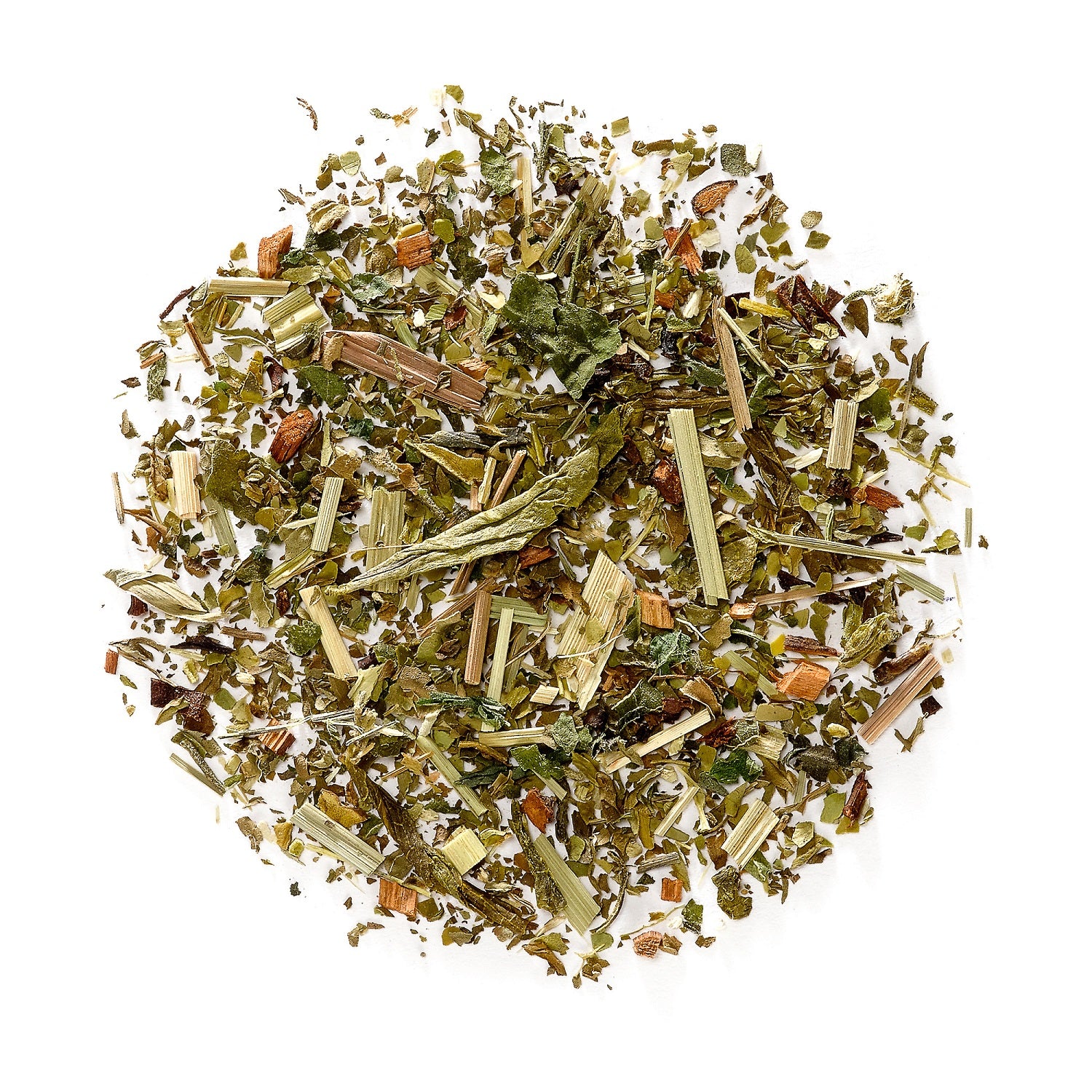
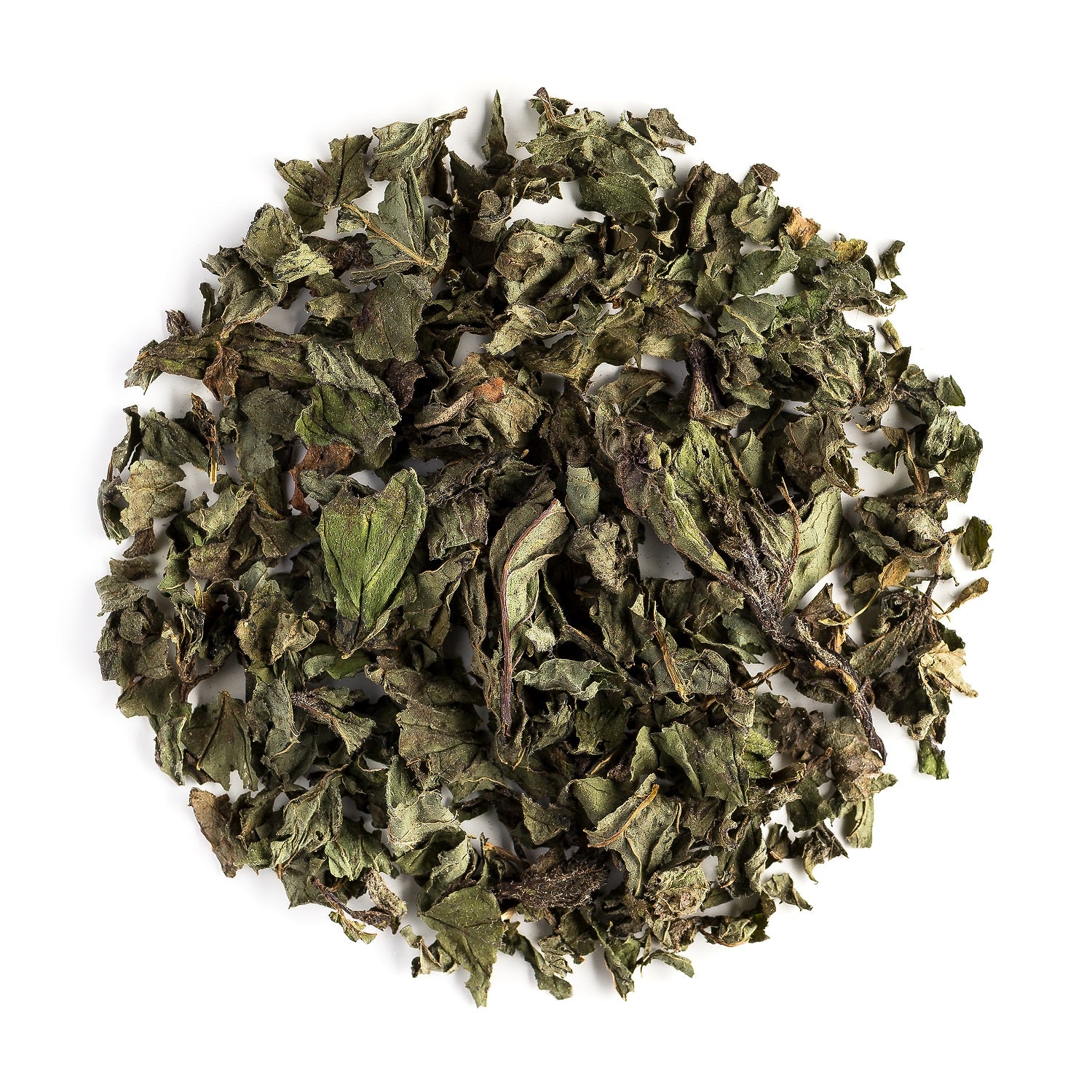
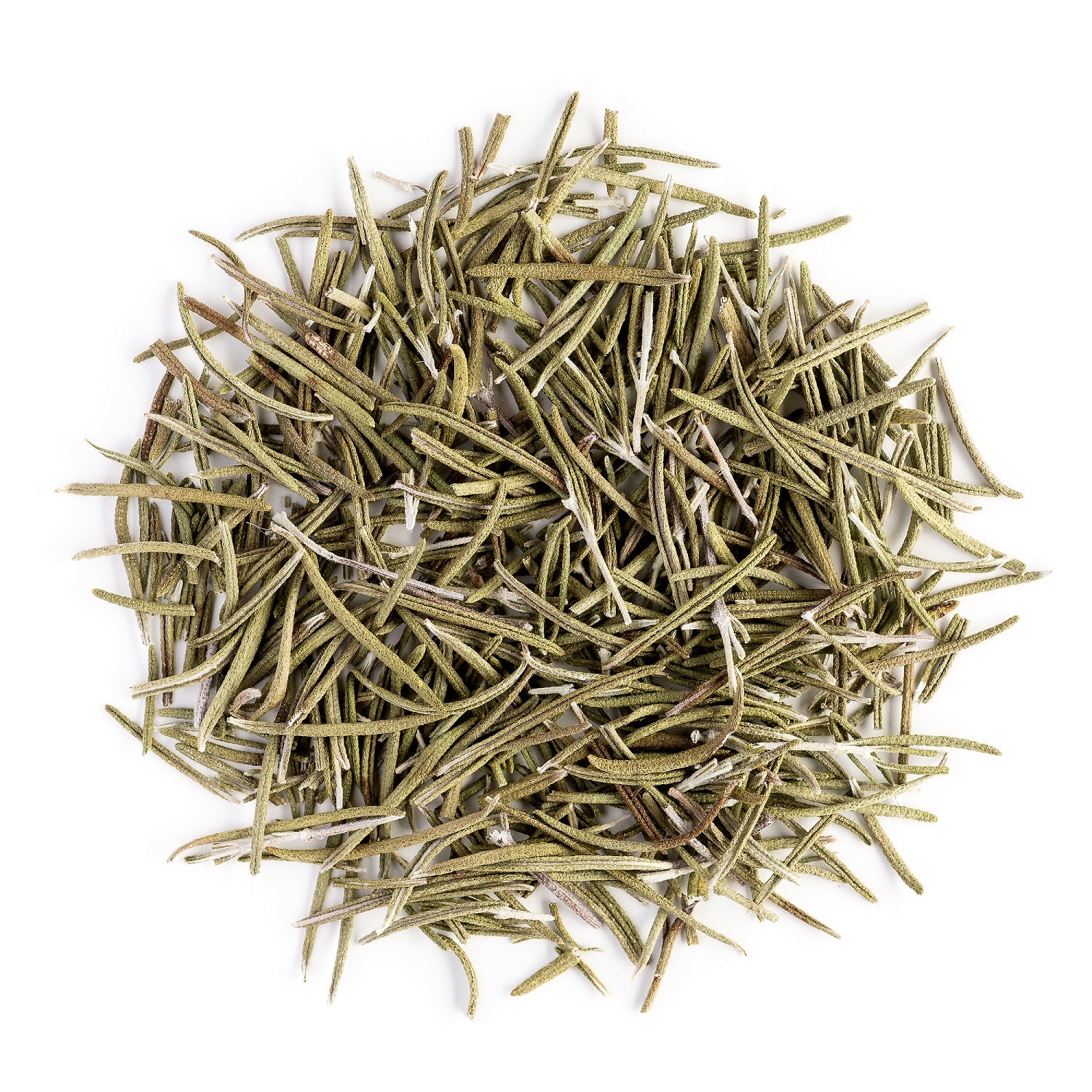
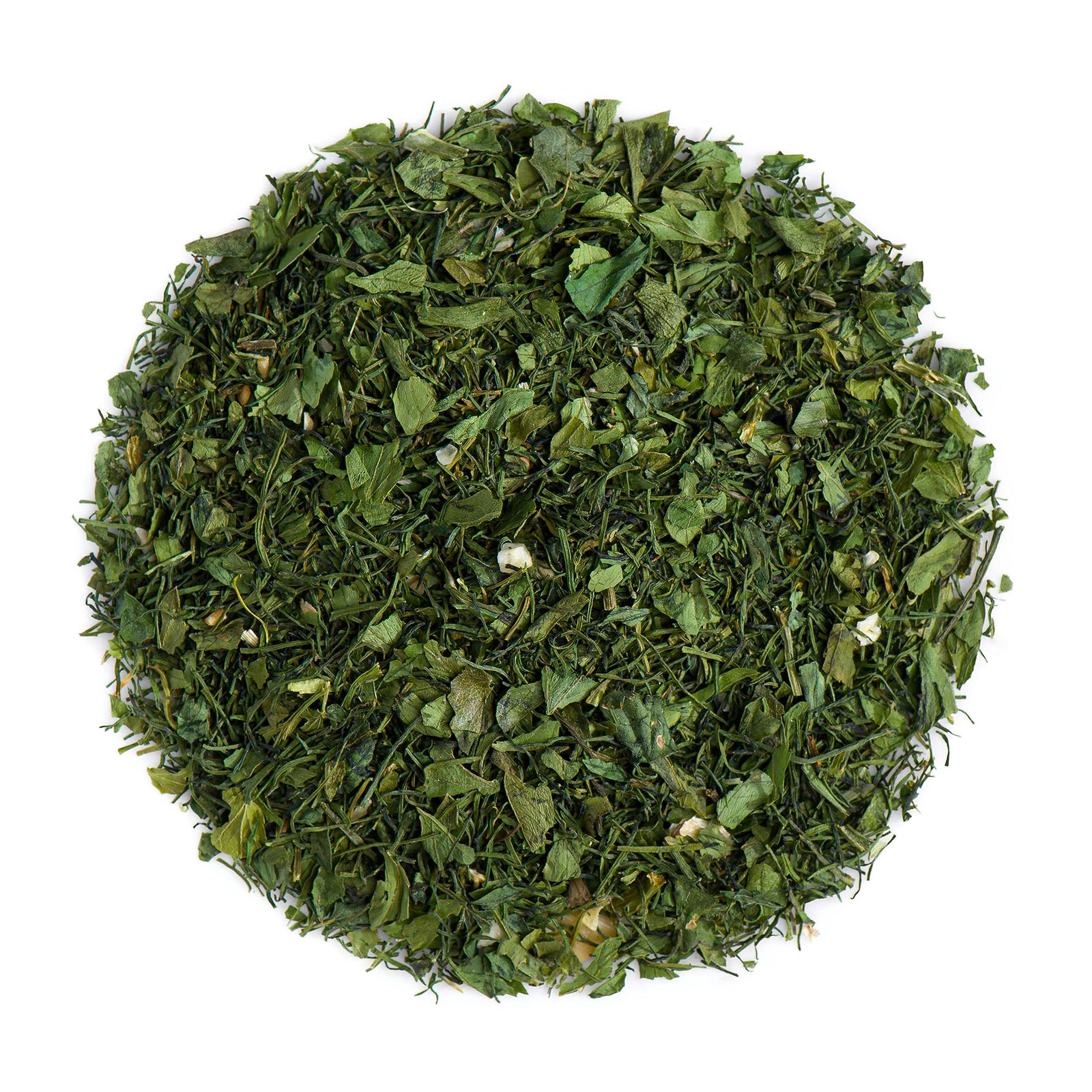
Good dried oregano or marjoram should smell strongly of itself the moment you open the jar; if you have to hold it right up to your nose to catch anything, the batch has already faded. Color is a second, quicker check: oregano should be a deep grey-green, marjoram a lighter, more silvery green, and both should look dry and slightly crumbly rather than dusty or bleached pale.
I buy dried herbs the same way I buy tea: I ask when the leaf was harvested and dried, not just when it was packaged, because those two dates can be months apart and most of the flavor loss happens in that gap regardless of what the label says. A jar that's sat on a distributor's shelf for a year before it even reaches a retailer starts from a disadvantage no amount of good storage at home can fully reverse.
Once you have it home, both herbs keep best in an airtight container, away from direct light and heat, ideally in a cupboard rather than a spice rack mounted near the stove. Dried oregano holds its character reasonably well for up to a year under those conditions before it starts to visibly fade. Marjoram is more fragile and worth buying in smaller quantities more often, since its softer aromatic compounds degrade faster even in good storage; a jar that's technically still within date can already taste flat by the time you open it.
FAQ and Final Verdict on Oregano or Marjoram
Do oregano and marjoram taste the same? No. Oregano is bolder, peppery, and slightly bitter; marjoram is sweeter, milder, and more floral. They share a genus and enough overlap that many people mix them up on sight, but side by side in a dish the difference is obvious.
Can I use them interchangeably? In a pinch, yes, with an adjustment: use less oregano than a recipe's marjoram measurement calls for, or more marjoram than a recipe's oregano measurement calls for, and add gradually rather than dumping in a full substitute quantity at once.
How do I tell dried oregano and marjoram apart by sight? Oregano leaves are typically a darker, more matte grey-green; marjoram leaves are lighter, often with a slightly silvery or downy look. Smell is more reliable than sight: oregano smells sharp and peppery even through a sealed bag, marjoram smells softer and sweeter, closer to a mild version of thyme.
Is Mexican oregano the same plant? No. Mexican oregano (Lippia graveolens) isn't in the Origanum genus at all; it's related to verbena and has a citrusy, more assertive flavor of its own. If a Tex-Mex or Mexican recipe specifies Mexican oregano, neither Mediterranean oregano nor marjoram will give you quite the right profile.
Which one should I buy first? If you only keep one on the spice shelf, oregano is the more versatile choice for most home kitchens: it holds up to heat, keeps its character once dried, and covers tomato sauces, pizza, roasted vegetables, and grilled meat. Add marjoram once you're cooking eggs, cream sauces, potatoes, or poultry regularly and want a gentler finishing herb.
The oregano or marjoram question comes down to two related but genuinely different herbs: one bold and durable, the other soft and best added late. Keep both on hand if you cook a range of styles, buy in quantities you'll use within about a year, and taste before you commit a whole batch of sauce to either one.
Leave a comment
Comments will be approved before showing up.
Also in Valley of Tea Blog | Tea Guides, Origins & Brewing Tips

Rooibos Iced Tea: Caffeine-Free Refresher
Learn to make rooibos iced tea two ways: hot-brewed over ice in 15 minutes, or a smoother overnight cold brew, plus flavour additions and storage tips.

Spice Cabinet Organization: A Practical System That Works
Learn how to organize your spice cabinet with a practical system that keeps every jar findable and fresh. Temperature, layout, and audit tips included.

Maca or Ashwagandha for Your Daily Routine
Choosing between maca or ashwagandha? Learn how each root tastes, when to use them, and the best ways to prepare each in tea or drinks.

Wisdom is the path to better tea.
Get our free brewing guide: the right water, heat and timing for every tea we sell. You will also hear it first when new harvests arrive.
No spam. Unsubscribe any time.
Check your inbox.
The guide is on its way.