












Variable Temperature Electric Kettle For Tea
A variable temperature electric kettle heats water to an exact degree instead of just bringing it to a boil, and for tea that difference decides whether a cup tastes sweet or scorched. Water that's too hot pulls bitter catechins out of delicate leaves before the aroma has a chance to open. Water that's too cool leaves black tea thin and underdeveloped.

I check every kettle's actual output against a separate thermometer before I trust its dial, because the number on the display and the real water temperature can drift by several degrees on cheaper models. That gap is the first thing worth knowing before you buy one.
This guide covers why a variable temperature electric kettle matters specifically for tea, what temperature suits each tea type from delicate Japanese green to a full-boil pu-erh, and which features are worth paying for versus which are just a sticker on the box.
Why A Variable Temperature Electric Kettle Helps
A variable temperature electric kettle helps because different teas need different water temperatures, and treating them all the same ruins the delicate ones. Green tea scalds above roughly 80-85C, turning bitter and grassy. Oolong wants a narrower band around 90-95C. Black tea and pu-erh want a full 100C boil to unlock their body.
I've watched a good Sencha go bitter in front of me because someone poured straight from a rolling boil onto the leaves. There was nothing wrong with the tea. The water simply cooked out the sweetness and left only the astringency behind. That's the mistake a fixed-boil kettle makes for you every single time, whether you notice it or not.
A preset removes the guesswork. Instead of boiling water, then waiting several minutes for it to drop to the right temperature, then guessing whether it's cooled enough, you set the number once and the kettle gets there directly.
For a household that makes green or white tea daily, that saved waiting time adds up to real hours across a year, and it also means you never have to stand over the kettle mid-cool with a thermometer.
A hold function matters more than it sounds like it should. Gongfu brewing runs through six, eight, sometimes ten short infusions from the same leaves, and each one needs water at close to the same temperature as the last. Without a hold setting you're reheating between every pour, which slows the session down and makes it easy to lose track of where you were. With one, the kettle sits at your chosen temperature in the background and you just refill the gaiwan or teapot when you're ready.
Water that's been brought to a full rolling boil loses dissolved oxygen, and boiling for longer than necessary concentrates whatever minerals are already in it. None of that is unsafe, but it flattens the cup. Heating directly to 75C for a delicate green, rather than boiling and cooling it back down, keeps the water closer to how it tasted going in.
Temperature Settings By Tea Type
Water temperature runs from around 60C for the most delicate Japanese greens up to a full 100C boil for pu-erh and heavily oxidised oolong, with most tea types sitting somewhere in a 70-95C band in between. Getting the number right matters more than steep time for most beginners' mistakes.
Gyokuro and other shaded Japanese greens are the most delicate leaves you'll brew and want around 60C. Other Japanese greens and most Chinese greens do better around 70-85C, where they still release sweetness without turning grassy or bitter.
White tea and yellow tea are often grouped together, but we treat them differently. We brew our own white teas at 90-100C, well above the 75-85C most commonly cited elsewhere, because it's the temperature that draws out full body without tipping into bitterness on the leaf styles we carry. Yellow tea stays closer to the conventional range, around 80C.
Oolong covers the widest range of any category because "oolong" spans everything from lightly oxidised jade varieties to heavily roasted, near-black styles. As a starting point, 90-95C works for most oolong.
Black tea wants close to a full boil, 95-100C, to pull out its tannins and body properly. Pu-erh wants 100C, and a quick rinse of the leaves before the first real infusion, since pu-erh is often compressed and needs that first pour to loosen it up. Herbal tisanes, having no Camellia sinensis leaf structure to protect, take a full 95-100C extraction without the scalding risk that applies to true tea.
For most teas you nudge the temperature up slightly on later steeps, since the leaves have already opened and need a bit more heat to keep extracting evenly. Green tea is the exception: I actually go slightly cooler on the re-steeps, because by that point the leaf has unfurled fully and releases flavour fast even at a lower temperature.
What To Look For When Choosing One
Look for a stainless steel or glass water chamber, fine temperature increments rather than three or four coarse presets, a working hold function, and, if you brew gongfu or pour-over style, a gooseneck spout. Those four things separate a kettle that's genuinely useful for tea from one that just boils water with extra steps.
Interior material matters more than people expect. Cheap kettles line the inside with plastic, and boiling water sitting against warm plastic for even a minute can leave a faint taste behind, especially noticeable in a tea as clean-tasting as a light green or white. Stainless steel and glass don't have that problem, and glass has the side benefit of letting you watch the water heat.
Temperature control is only as useful as its resolution. A kettle with three presets, say green, oolong, and boil, is barely better than no control at all if your actual tea sits between two of those settings. Look for one-degree increments, or a genuinely wide spread of presets that map onto real brewing temperatures rather than round marketing numbers.
Kettles vary a lot here. Some hold a set temperature for up to an hour before drifting, others only manage about thirty minutes before you need to reheat. Check which you're getting before you buy, since it's rarely obvious from the box alone.
A hold or keep-warm function earns its keep during any gongfu session or when you're refilling cups for more than one person, letting the kettle sit ready instead of reheating between every pour. A gooseneck spout gives you a slow, controllable stream rather than a splash, which matters for both gongfu brewing over a small gaiwan and for pour-over coffee if that's also part of your morning.
Gooseneck Versus Standard Kettles
A gooseneck kettle has a long, curved, narrow spout built for a slow, precise pour. A standard kettle has a wider spout built to empty quickly. Gongfu brewing and pour-over coffee both want the gooseneck's control. Everyday mug tea rarely needs it.
Gongfu brewing works over a small vessel, often a 100ml gaiwan, where you're pouring water right to the rim without disturbing the leaves or splashing over the sides. A standard wide spout dumps water fast and hits the leaves hard, which is fine for a mug but clumsy over something that small. The same narrow, controlled stream is exactly what pour-over coffee needs too, which is why gooseneck kettles get marketed to coffee drinkers as often as tea drinkers.
Standard kettles have a real advantage of their own: speed. If your daily habit is one mug of black tea with a tea bag or a strainer basket, a wide spout fills that mug in seconds and there's no benefit to a slower pour.
Some people genuinely prefer the gooseneck's ritual and control even for a single daily cup. Others find it fussy for anything other than a proper gongfu session. Neither preference is wrong: it depends on how you actually drink.
Capacity is worth checking against your household, separate from spout style. A 0.8 to 1 litre kettle suits one or two drinkers and heats faster since there's less water to bring up to temperature. A 1.5 litre kettle makes more sense if you're regularly making tea for a household of three or more, though it will take noticeably longer to reach a low temperature like 60C for Gyokuro, since it's heating more mass to a smaller number of degrees above room temperature.
Frequently Asked Questions
Is a variable temperature electric kettle worth it? Yes, if you drink green, white, or oolong tea with any regularity. Those are the categories where a fixed-boil kettle actively damages the flavour. If your only tea is a strong black breakfast blend brewed near boiling anyway, the benefit is smaller, though the hold function and one-degree precision are still convenient.
How accurate are they? Good mid-range and premium models hold within about 2-3C of the set point once they've reached temperature. Budget models tend to drift further than that, which is exactly why I check every kettle's actual output against a separate thermometer before I trust its dial. Checking a new kettle against a separate probe thermometer once, when you first unbox it, tells you how much to trust the display going forward.
Can you boil plain water with one too? Yes. A 100C setting on a variable temperature kettle works exactly like a normal kettle, so it replaces a standard kettle rather than sitting alongside one.
How do you descale it? Run a solution of equal parts white vinegar and water through a full heating cycle every few months, then rinse thoroughly with clean water before making tea again. Mineral buildup on the heating element causes temperature drift over time, so descaling on a schedule protects the accuracy you bought the kettle for in the first place.
Conclusion
A variable temperature electric kettle protects the delicate teas that a fixed-boil kettle quietly ruins, and it opens the door to gongfu brewing, where a hold function lets you run through six or eight infusions without reheating between each one.
When you're choosing one, prioritise a stainless steel or glass interior over plastic, fine one-degree temperature steps over three coarse presets, and a hold function that actually keeps its promised time. A gooseneck spout is worth it if you brew gongfu style or make pour-over coffee; skip it if you're mostly filling a single mug.
Match the kettle to how you actually drink tea, not to the longest feature list on the box, and it pays for itself the first time it saves a good green tea from going bitter.


Leave a comment
Comments will be approved before showing up.
Also in Valley of Tea Blog | Tea Guides, Origins & Brewing Tips
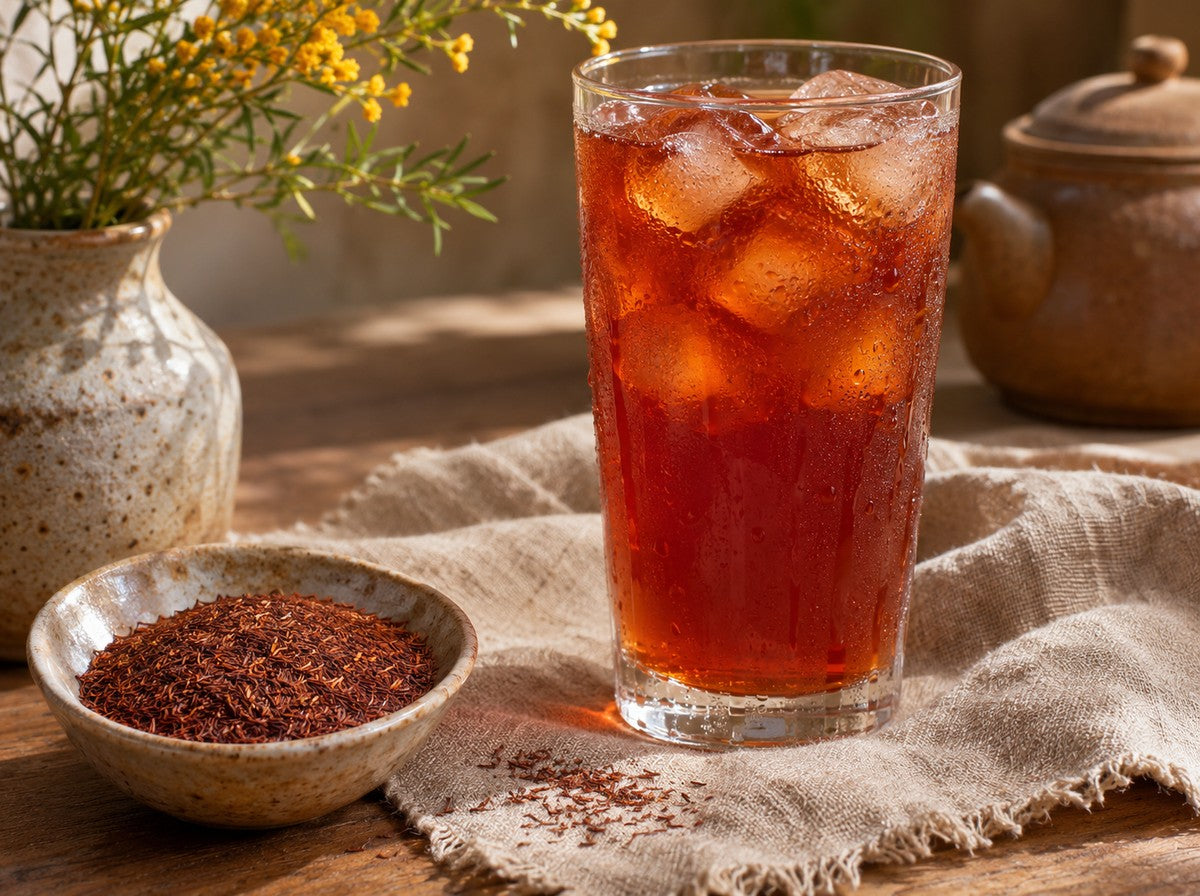

Rooibos Iced Tea: Caffeine-Free Refresher
Learn to make rooibos iced tea two ways: hot-brewed over ice in 15 minutes, or a smoother overnight cold brew, plus flavour additions and storage tips.
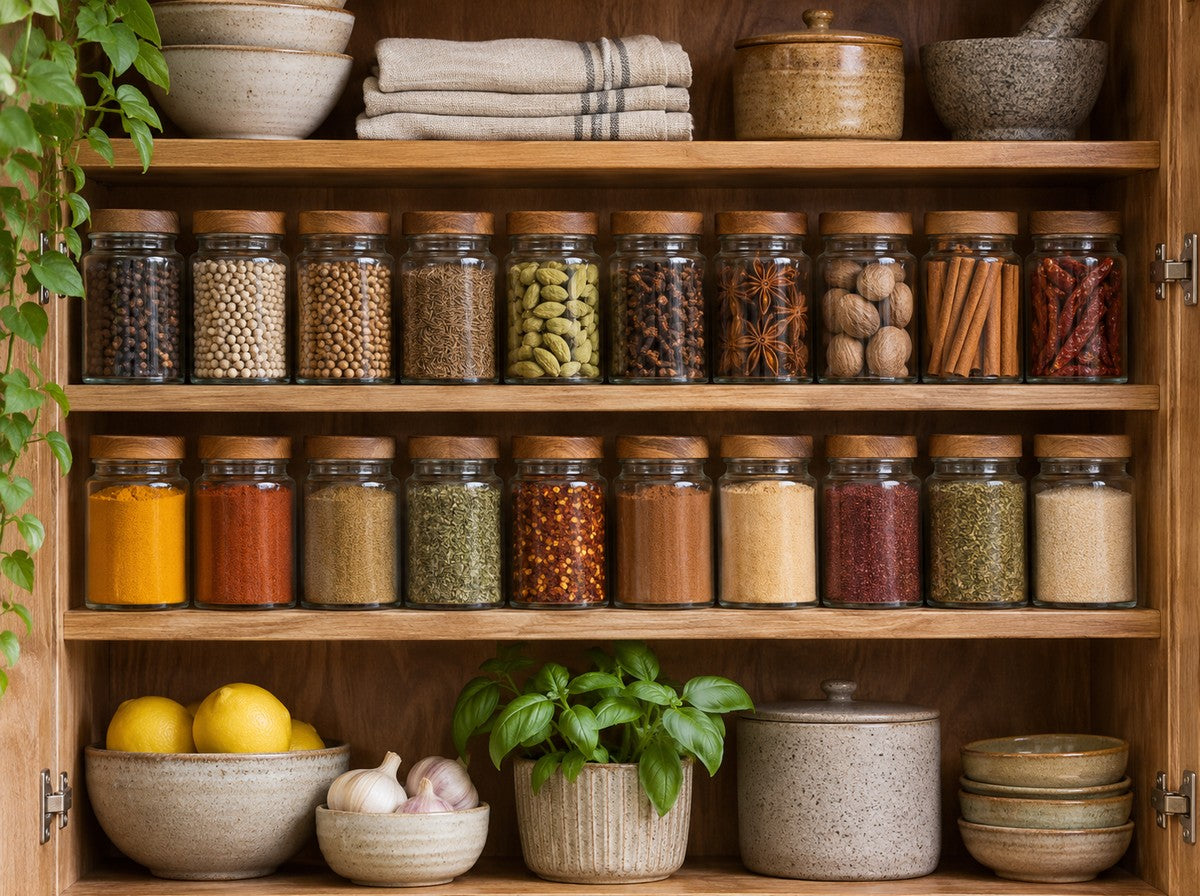

Spice Cabinet Organization: A Practical System That Works
Learn how to organize your spice cabinet with a practical system that keeps every jar findable and fresh. Temperature, layout, and audit tips included.
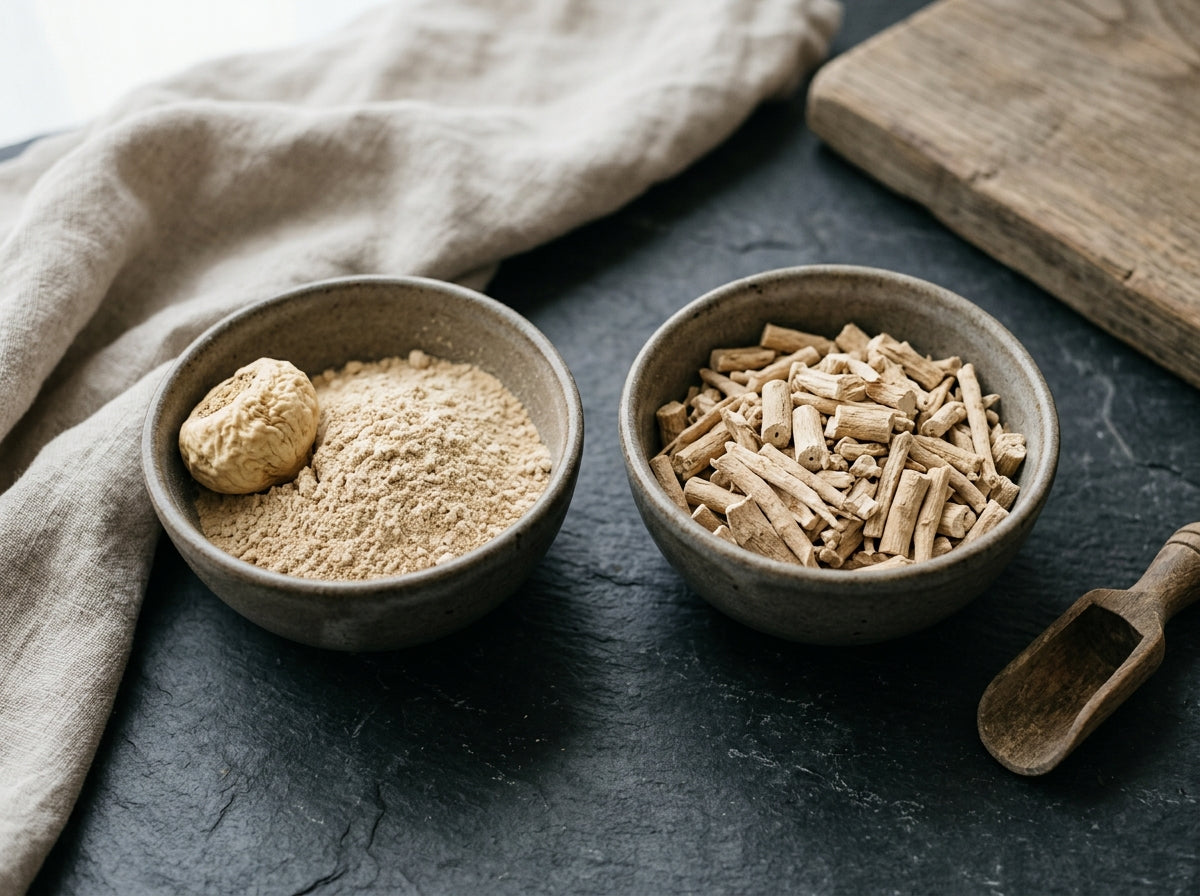

Maca or Ashwagandha for Your Daily Routine
Choosing between maca or ashwagandha? Learn how each root tastes, when to use them, and the best ways to prepare each in tea or drinks.

Wisdom is the path to better tea.
Get our free brewing guide: the right water, heat and timing for every tea we sell. You will also hear it first when new harvests arrive.
No spam. Unsubscribe any time.
Check your inbox.
The guide is on its way.