












Tea Culture in the UK: From Afternoon Ritual to Modern Revival
How Tea Became Britain's National Drink
Tea culture in the UK runs on a contradiction. Britain drinks around 100 million cups of tea a day, according to industry estimates, yet per-capita tea consumption has fallen substantially since the 1980s. Most of what's still being drunk is a teabag of dust-grade black tea, brewed strong and drowned in milk without much thought.

Underneath that decline, something else is happening. A specialty tea revival is under way, with more UK drinkers turning to loose leaf, single-origin, and non-black teas than at any point in recent decades.
We ship a large share of our loose-leaf orders to UK customers, and the shift is visible from where we sit: more first-time loose-leaf buyers, more questions about origin and cultivar, fewer requests for "something as strong as my usual bag." This piece traces how UK tea culture got here, from the drawing rooms of the 1840s to the teabag economy of the 20th century, and where it's heading now.
From Royal Fashion to National Habit
Tea became Britain's national drink through a mix of royal fashion, colonial trade, and a temperance movement that needed an alternative to gin. Catherine of Braganza's marriage to Charles II in 1662 is widely credited with making tea fashionable at the English court, and the habit spread outward from there over the following century.
What turned tea from a court novelty into a national habit was trade, not taste alone. The East India Company built direct routes for importing tea from China, and later from British-controlled tea gardens in India. Historians describe a steady price decline through the 1700s and 1800s as these trade routes matured.
Tea that had once been a luxury good, taxed heavily and often adulterated to stretch supply, became something an ordinary household could afford daily. By the 1800s tea had displaced gin and beer as the default working-class drink, a shift some historians link partly to the temperance movement, which promoted tea as the respectable, sober alternative to the pub.
Factory owners handed out tea breaks rather than beer rations. By the time Victoria was on the throne, tea wasn't a court fashion anymore. It was infrastructure.
Afternoon Tea: The Classic British Ritual
Afternoon tea as a formal occasion is traditionally dated to the 1840s and credited to Anna Russell, Duchess of Bedford. According to the commonly told origin story, she began asking for tea and light food in the late afternoon to bridge the long gap between a modest lunch and a fashionably late Victorian dinner.
The idea caught on with her social circle and, from there, with the wider aristocracy. The classic service hasn't changed much since: finger sandwiches (cucumber, egg, smoked salmon), scones with clotted cream and jam, a selection of small cakes, and a pot of tea to hold it all together. It's still served this way in hotels and tea rooms across the UK today, usually as a celebratory outing rather than an everyday habit.
When we've hosted afternoon tea ourselves, the pattern is consistent: everything disappears fast, but not evenly. Salmon sandwiches and lemon pie are usually gone first. Scones are more of an acquired taste outside Britain; here in Belgium, guests are often unfamiliar with them and approach the clotted cream with visible suspicion before deciding they like it.
The Builder's Brew and Everyday Tea Culture
Daily UK tea has almost nothing in common with the afternoon tea image. It's overwhelmingly CTC (cut, tear, curl) black tea in bags, brewed strong for two to three minutes and finished with milk. Ask for "a builder's" and you'll get exactly that: no ceremony, no saucer, just a strong, milky mug meant to be drunk fast and often.
The big three supermarket brands dominate this end of the market, all built on blended commodity CTC tea sourced for consistency and strength rather than nuance. Interestingly, builder's tea and a delicate Darjeeling first flush come from the same plant, Camellia sinensis. What separates them is leaf grade, processing, and how much is stuffed into each bag.
What survives from this everyday habit, more than the tea itself, is the social ritual around it. Offering a cup to a guest, a tradesperson, or a colleague remains one of the most reliable pieces of British hospitality, and turning down that offer can feel like a small social misstep. The tea might be ordinary. The gesture rarely is.
The Specialty Tea Revival
Independent tea shops and online loose-leaf retailers have grown steadily in the UK since around 2010, pulling drinkers away from the mass-market bag and toward tea sold by origin, cultivar, and harvest rather than by brand alone. It's a smaller market than the supermarket giants still command, but it's growing while theirs shrinks.
Younger consumers are driving most of this shift, showing far more interest in single-origin loose leaf and non-black teas than previous generations did. Awareness of Matcha, Pu-erh, and Oolong has grown noticeably in UK urban centres, helped along by specialty cafes and a wider curiosity about how tea is actually grown and processed rather than just how it's blended.
We've watched this play out directly in our own UK order volumes: customers who once bought a single all-purpose blend are now asking about steep time, water temperature, and where a specific tea was grown. That's a different relationship with tea culture in the UK than the one built on 20th-century convenience, and it's the one we're built to serve.
Tea Etiquette: Rules That Still Apply
British tea etiquette still runs on a few small, specific rules. Milk goes in after the tea, not before, according to the modern convention, though the debate over which comes first has never fully died out. How you stir and where you rest the spoon matter almost as much as the tea itself.
Stir front to back in a gentle motion, not in circles. Circular stirring makes the spoon clink against the cup, which is considered unrefined at a proper table. Once you've stirred, the spoon goes on the saucer, never left standing in the cup.
These aren't arbitrary rules. They come from a period when tea service was a visible marker of manners, and enough of that culture survives that getting the small details right still reads as care rather than fuss.
Conclusion
UK tea culture is moving in two directions at once: away from the mass-market teabag on one hand, toward genuine quality and variety on the other. The decline in per-capita consumption isn't really a decline in interest in tea itself. It's a shift away from dust-grade bags and toward drinkers who want to know what they're actually drinking.
The best parts of British tea tradition deserve better than a teabag brewed on autopilot. The hospitality of offering a cup to anyone who walks through the door, the unhurried pleasure of a proper afternoon tea, the daily comfort of a hot mug in hand: these are worth preserving.
If your own relationship with tea culture in the UK has been limited to the builder's brew, we'd point you toward our English Breakfast first. It's Assam and Malawi, full-bodied and malty, blended specifically to hold up against milk, so the switch doesn't feel like a compromise. Want to go a step further. Our orthodox Assam on its own is a good next move: hand-picked, full leaf, with enough strength for a builder's mug but real character behind it instead of dust.
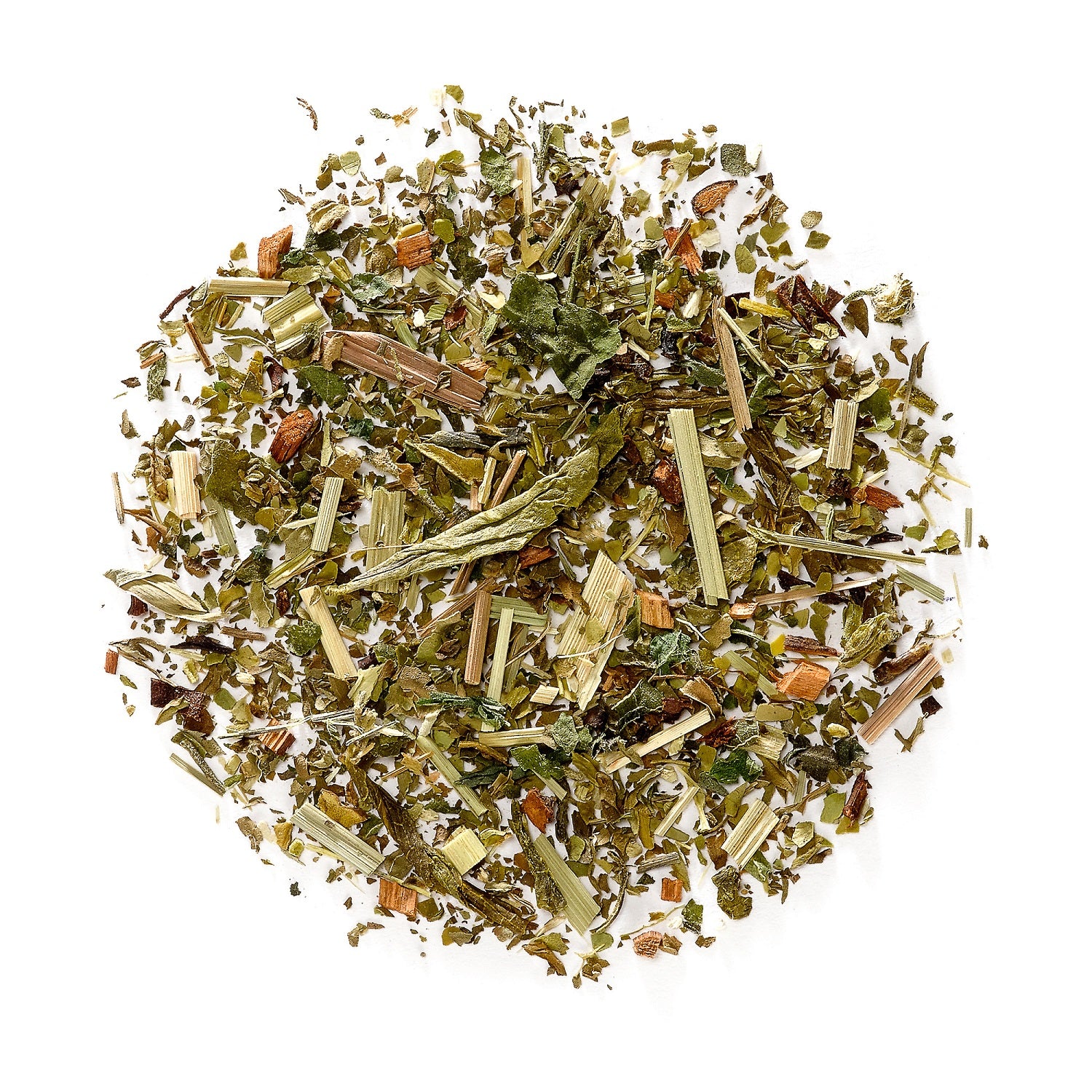
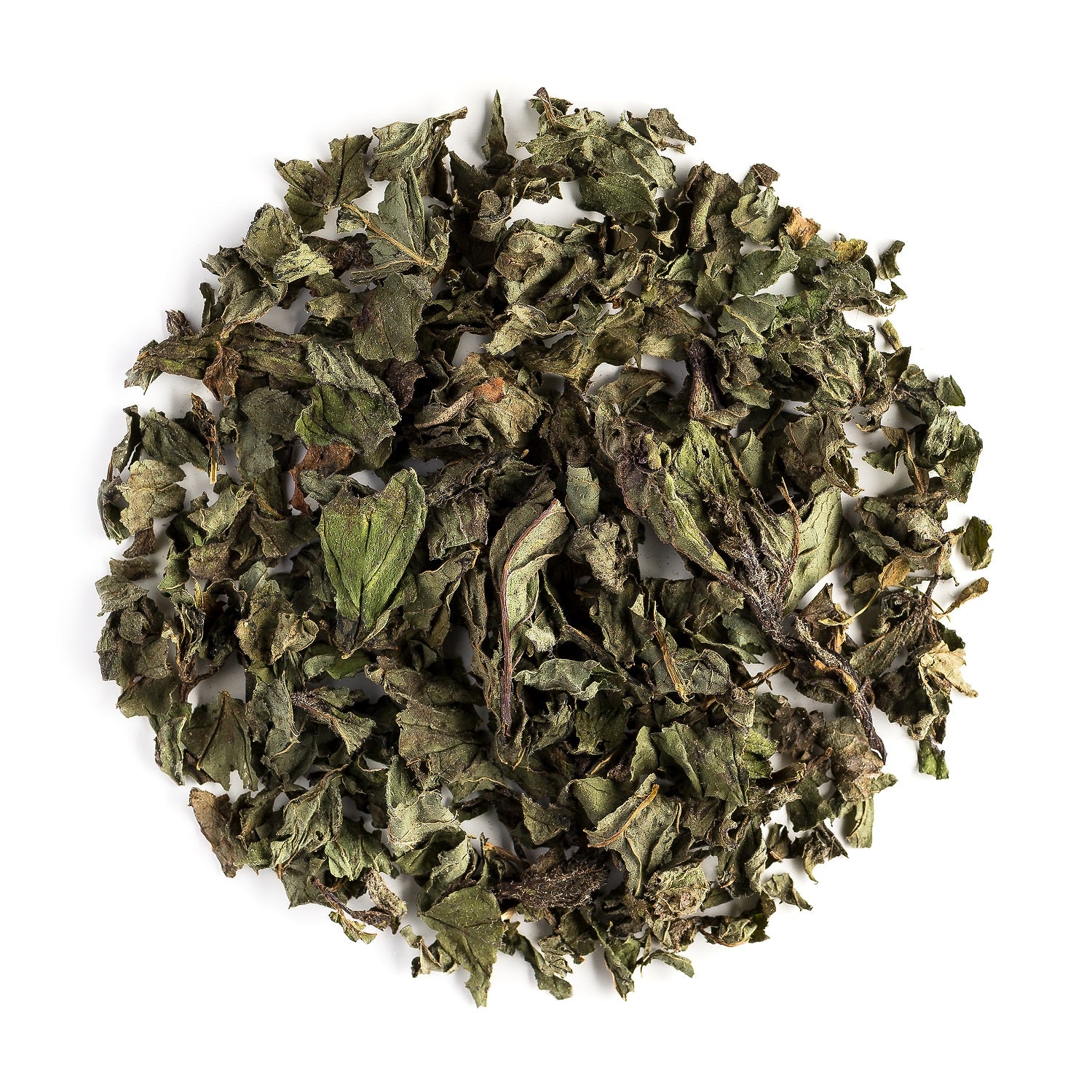
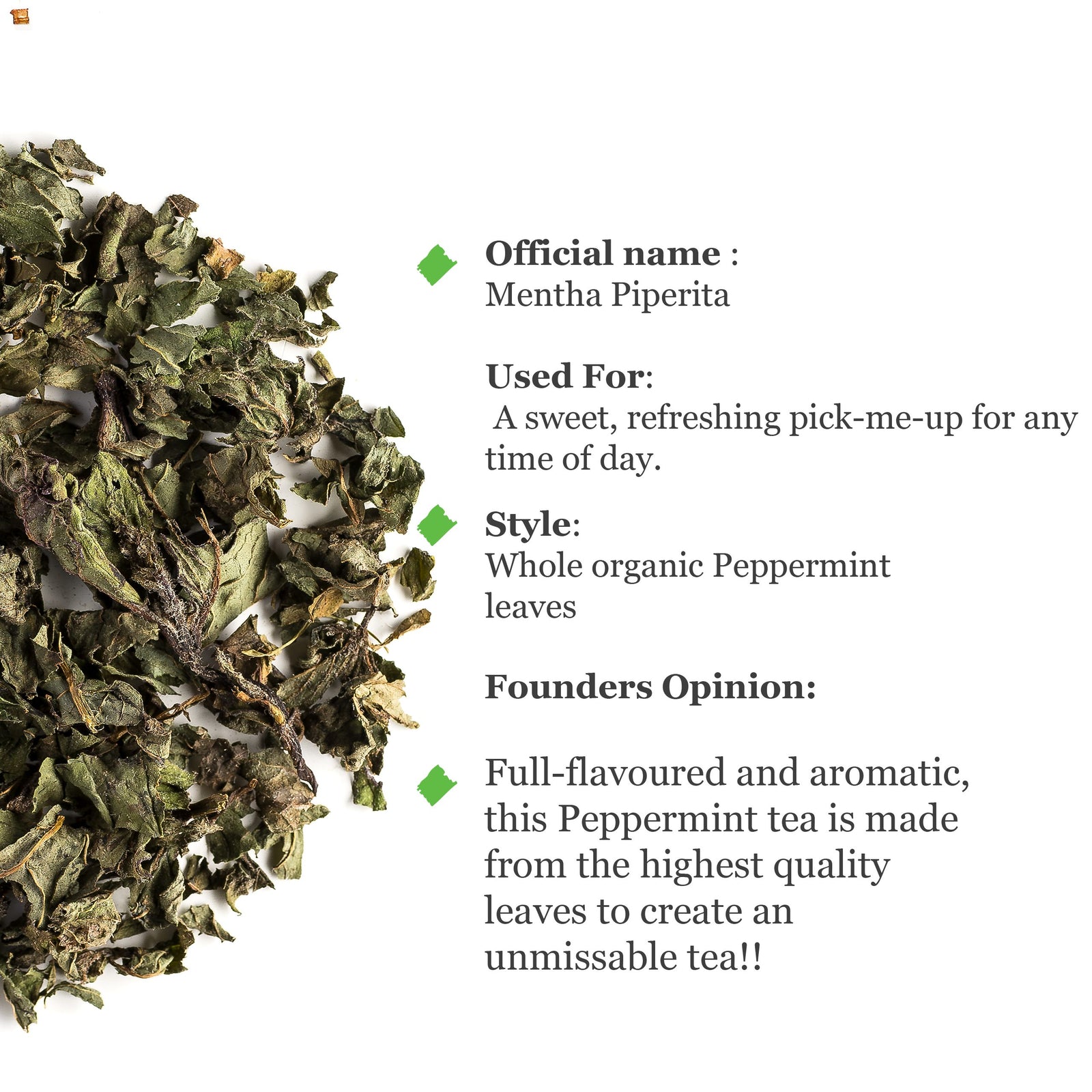
Teas Featured in This Article

Leave a comment
Comments will be approved before showing up.
Also in Valley of Tea Blog | Tea Guides, Origins & Brewing Tips
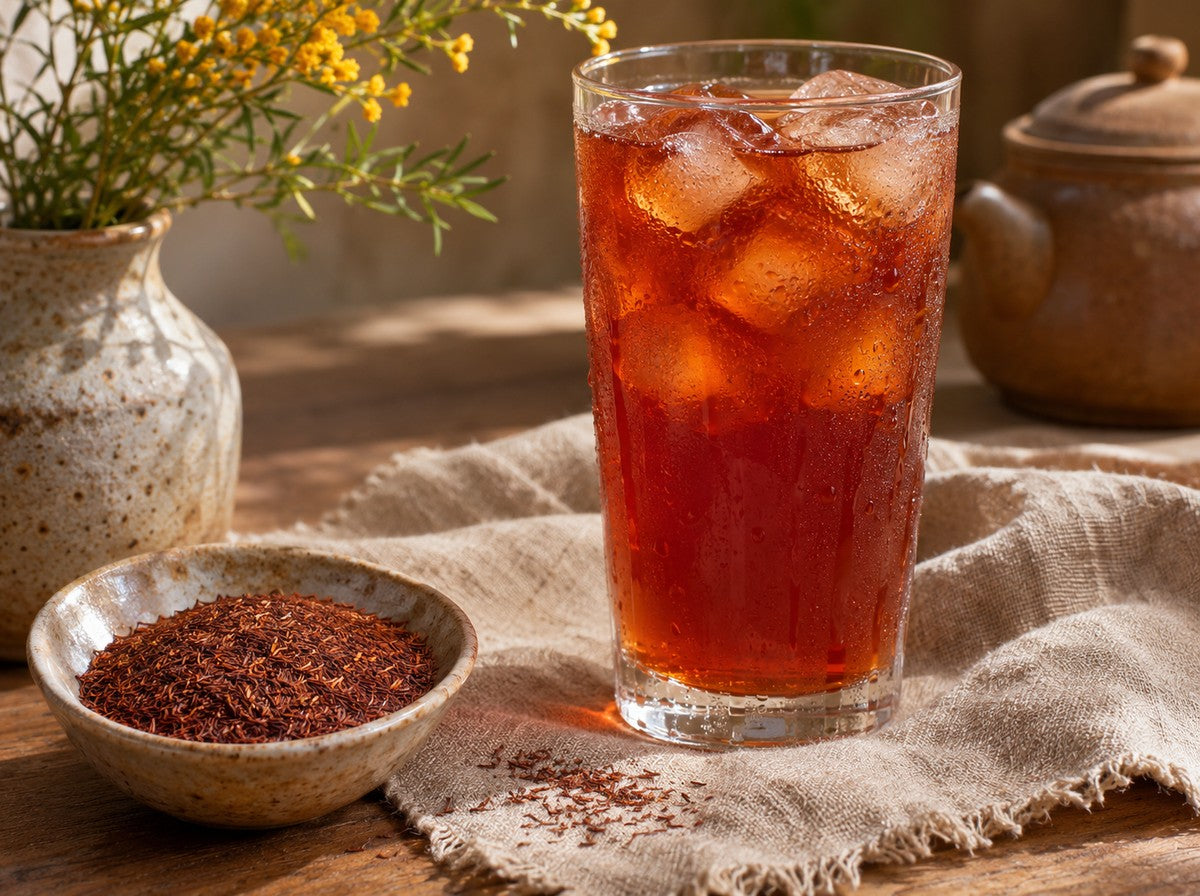

Rooibos Iced Tea: Caffeine-Free Refresher
Learn to make rooibos iced tea two ways: hot-brewed over ice in 15 minutes, or a smoother overnight cold brew, plus flavour additions and storage tips.
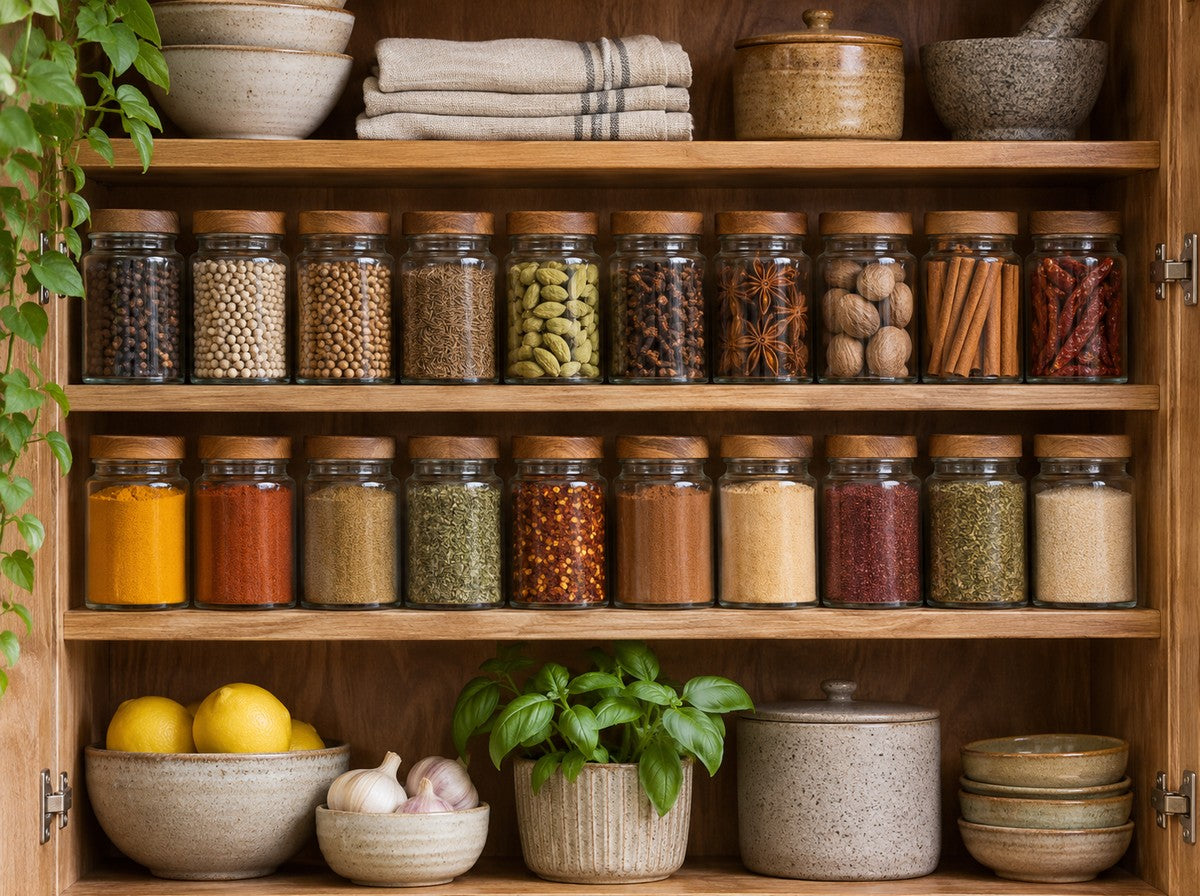

Spice Cabinet Organization: A Practical System That Works
Learn how to organize your spice cabinet with a practical system that keeps every jar findable and fresh. Temperature, layout, and audit tips included.
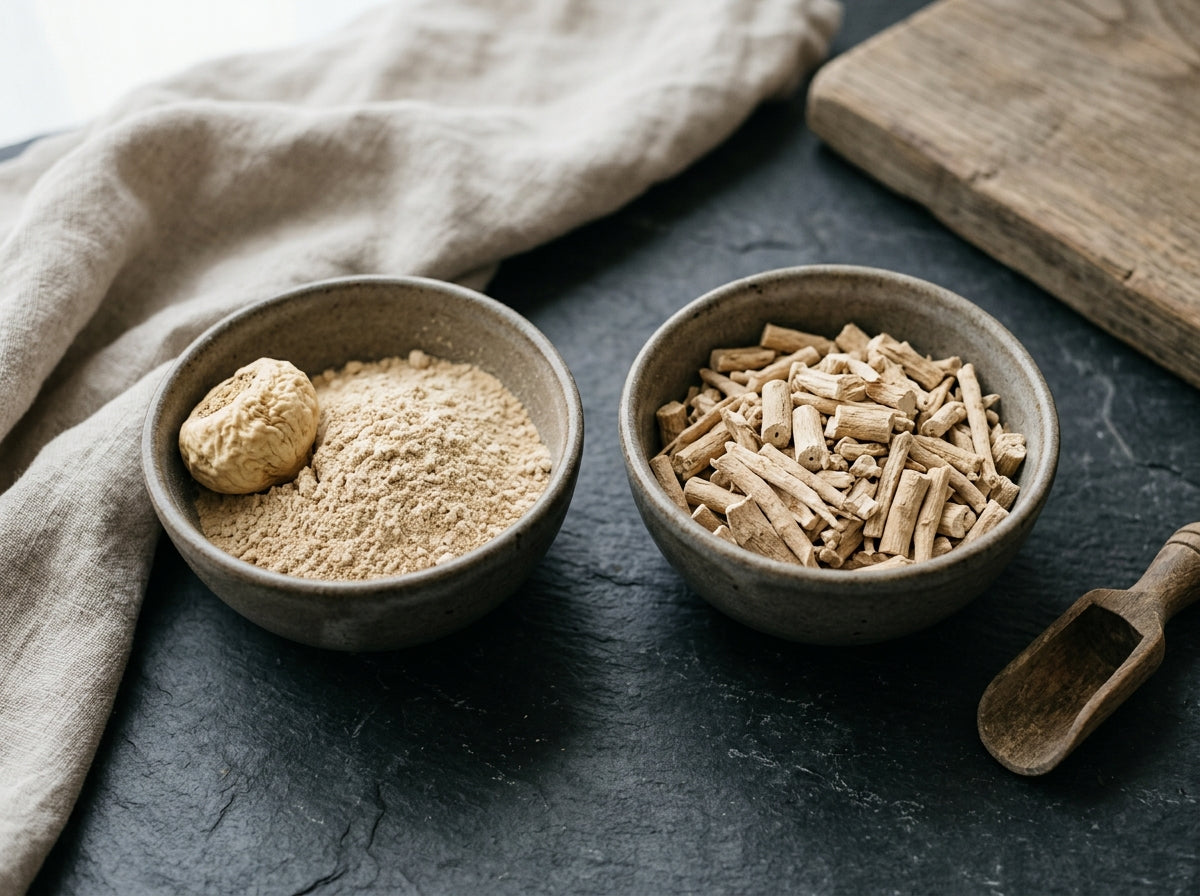

Maca or Ashwagandha for Your Daily Routine
Choosing between maca or ashwagandha? Learn how each root tastes, when to use them, and the best ways to prepare each in tea or drinks.

Wisdom is the path to better tea.
Get our free brewing guide: the right water, heat and timing for every tea we sell. You will also hear it first when new harvests arrive.
No spam. Unsubscribe any time.
Check your inbox.
The guide is on its way.