













Milk Oolong Tea: What This Creamy Taiwanese Tea Is
Milk oolong tea gets its rich, buttery taste from the leaf itself, not from any milk or flavouring added during processing. It's one of Taiwan's signature oolongs, prized by growers for a creaminess that some drinkers assume must be artificial until they taste dry, unflavoured leaves that already smell like warm milk. I've watched newcomers pick up a bag, sniff it, and ask what's been sprayed on it.

Nothing has: the plant does the work. Genuine milk oolong comes from the Jin Xuan cultivar, developed in Taiwan by the national tea research station and registered as cultivar TTES12, bred specifically to produce this smooth, dairy-like character without any additive. We find it's one of the easiest oolongs to recommend to someone who has never tried specialty tea: sweet, low in bitterness, and hard to brew badly even with a rough guess at timing.
Why Milk Oolong Tastes Creamy Without Milk
The Jin Xuan tea plant naturally produces aromatic compounds that read as buttery and milky on the palate, without any dairy or flavouring added. Light oxidation during oolong processing protects these delicate notes, and tea grown at higher altitude in Taiwan tends to carry the strongest natural creaminess.
Every Camellia sinensis plant produces its own blend of aromatic compounds, and cultivar breeding is largely about selecting for particular combinations of them. Jin Xuan was bred and released in Taiwan decades ago specifically because its natural aroma leans toward cream, butter, and a faint sweetness close to coconut milk. Growers didn't add anything: they selected a plant that already tasted this way and propagated it.
Processing decides how much of that character survives in the cup. Milk oolong is oxidized lightly, usually somewhere between a green tea and a classic ball-rolled oolong, which keeps the delicate creamy top notes intact rather than roasting them into something heavier and more toasty. Push the oxidation or the roast too far and the buttery note fades into standard oolong territory.
Altitude matters too. In my experience, milk oolong grown on Taiwan's higher slopes, where cooler nights and mountain fog slow the plant's growth, carries a noticeably more intense creaminess than lowland-grown leaf. Slower growth concentrates flavour compounds in the leaf, the same reason high-mountain Taiwanese oolongs are generally considered higher quality than valley-grown tea.
How to Brew Milk Oolong for the Best Cup
Use about 3g of leaf per 200ml of water heated to 85–90°C, and steep for 3–4 minutes for a rich, creamy cup. The same leaves re-steep well 3–4 times, with the flavour shifting from creamy to floral to sweet across infusions.
Because milk oolong is lightly oxidized, boiling water scorches the more delicate aromatics and pulls out excess bitterness. Water just off the boil, around 85–90°C, keeps the cup smooth. A first steep of 3–4 minutes at that temperature draws out the full buttery character without tipping into astringency.
Don't throw the leaves out after one cup. We re-steep the same leaves three or four times, and the tea genuinely changes shape as it goes: the first infusion is the most overtly creamy, the second turns more floral, and by the third or fourth the sweetness comes forward while the creaminess settles into the background. Add 30–60 seconds to each subsequent steep to compensate for the leaf opening less each time.
Milk oolong also works well as a latte base, which isn't something I'd say about every tea. Brew it slightly stronger, closer to 4g per 200ml, then steep it into hot milk or froth it in with steamed milk. The natural creaminess in the leaf doesn't fight the dairy, it deepens it, which is why milk oolong lattes are a common menu item at specialty cafés in Taiwan.
Buying Genuine Milk Oolong
Genuine Jin Xuan milk oolong lists only "oolong tea" as its ingredient, nothing else. Many cheap versions on the market are ordinary oolong sprayed or blended with artificial milk flavouring, which you can usually catch before ever brewing a cup.
The giveaway is the dry leaf. Authentic Jin Xuan has a gentle, natural milkiness that you notice more once brewed than in the bag; a flavoured imitation tends to smell strongly, almost sweetly, of artificial milk straight out of the packaging, sometimes closer to a vanilla milkshake than tea. If the dry leaves smell like a candy aisle, it isn't genuine cultivar tea.
Check the ingredient list. A real milk oolong from the Jin Xuan cultivar should say nothing more than "oolong tea." A genuine Jin Xuan won't list flavouring, milk powder, or "natural flavour" alongside the tea at all: if it does, that's a blended product, not a cultivar tea, even if the label still calls itself "milk oolong."
I go by taste, not the label. Genuine Jin Xuan gives that silky, buttery cream-milk tone straight from the cultivar itself, TTES12: once you've tasted it, you won't confuse it with the flavoured version again. I've had customers describe the real thing as having a rich, buttery cream aroma that lingers, distinctly different from the sharper, more one-note sweetness of an artificially flavoured cup, which is just cheap tea flavoured with milk derivatives. Buy from an importer who names the Taiwan origin and the Jin Xuan cultivar specifically, not just "milk oolong" as a flavour name; that specificity is usually the fastest signal you're getting the real plant, not a spray.
Try Milk Oolong for Yourself
Milk oolong tea is one of the easiest specialty teas to fall for. Its creaminess comes entirely from the Jin Xuan cultivar and how lightly it's processed, not from anything added, and that natural sweetness makes it forgiving even if your steep time is a little off.
If you enjoy smooth, low-bitterness drinks, this is a natural place to start exploring oolong beyond the more familiar rolled and roasted styles. We source our Milk Oolong directly from Taiwanese farms growing genuine Jin Xuan, so what's in the bag matches what the name promises: real cultivar tea, no flavouring, no shortcuts.
Next time you're choosing between oolongs, brew a cup of milk oolong tea at 85–90°C for 3–4 minutes and taste the difference cultivar breeding makes on its own.
Teas Featured in This Article

Leave a comment
Comments will be approved before showing up.
Also in Valley of Tea Blog | Tea Guides, Origins & Brewing Tips
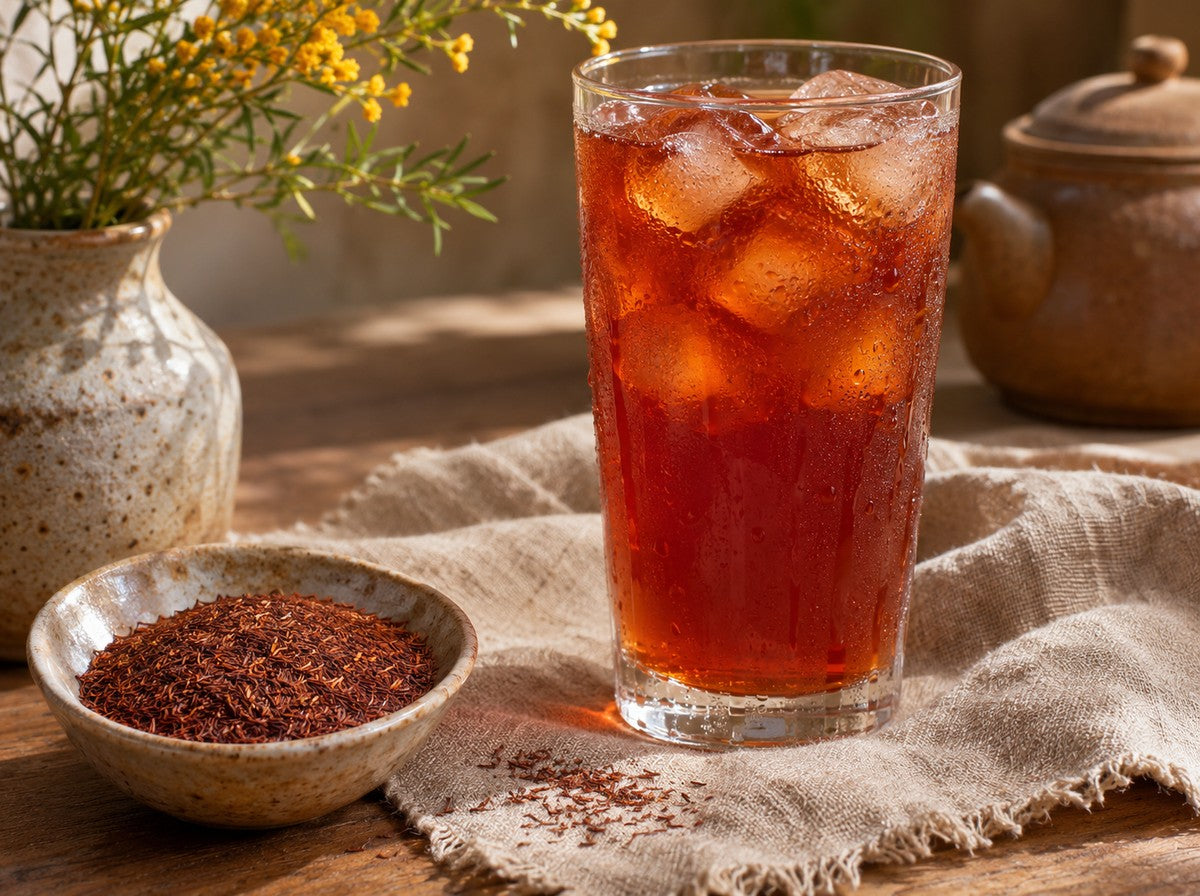

Rooibos Iced Tea: Caffeine-Free Refresher
Learn to make rooibos iced tea two ways: hot-brewed over ice in 15 minutes, or a smoother overnight cold brew, plus flavour additions and storage tips.

Spice Cabinet Organization: A Practical System That Works
Learn how to organize your spice cabinet with a practical system that keeps every jar findable and fresh. Temperature, layout, and audit tips included.

Maca or Ashwagandha for Your Daily Routine
Choosing between maca or ashwagandha? Learn how each root tastes, when to use them, and the best ways to prepare each in tea or drinks.

Wisdom is the path to better tea.
Get our free brewing guide: the right water, heat and timing for every tea we sell. You will also hear it first when new harvests arrive.
No spam. Unsubscribe any time.
Check your inbox.
The guide is on its way.