












Valley of Tea Oolong Collection – Tie Guan Yin & Taiwan Selections
Oolong sits between green and black tea on the oxidation spectrum, but that simple description barely scratches the surface. Depending on the cultivar, the terroir, and the processing decisions made by the tea master, oolong can taste like anything from a spring meadow to roasted stone fruit to caramelised cream. Few tea categories offer this range, and few reward exploration the way oolong does.
At Valley of Tea, our oolong collection spans the full breadth of what this category can be. We source directly from producers in Fujian, Guangdong, and Taiwan — the three regions that define oolong tea worldwide. Every tea in our range has been selected on its own merits after tasting dozens of candidates from each harvest. This post walks through our collection, explains what makes each oolong distinctive, and helps you decide where to start.

Why Valley of Tea Sources Oolong Directly
Most tea retailers in Europe buy from intermediaries. A broker in Shanghai or Taipei aggregates teas from various producers, blends them for consistency, and sells in bulk to importers. The result is predictable but unremarkable tea that tells you nothing about where it came from or who made it.
We work differently. My selection process starts blind: I see the dry leaves, smell them, brew multiple infusions, and form my own opinion before I look at anything else — no origin label, no cultivar name, no producer reputation. Only after I have decided how I feel about what is in my cup do I check where it comes from, who made it, and what cultivar it is. If the tea does not speak for itself, nothing else matters.
Over more than fifteen years, this approach has led us to direct relationships with oolong producers in Anxi, the Wuyi Mountains, Chaozhou, and across Taiwan's central mountain range. Today we carry Tie Guan Yin, Da Hong Pao, Gaba Oolong, Jin Xuan milk oolong, Pouchong, Oriental Beauty, and more — each one selected because it earned its place in the cup before we knew its credentials.
Direct sourcing changes a lot about the tea you receive. We can specify the cultivar and the harvest window. We can request specific oxidation levels and roasting profiles. We taste pre-production samples and reject lots that do not meet our standards.
Direct sourcing also means transparency. When we say our Tie Guan Yin comes from Anxi, it actually comes from Anxi — not from a lowland factory replicating the style. When we list a high mountain oolong as grown above 1,400 metres, that altitude is verified because we know the garden. This matters because altitude, soil composition, and microclimate drive the flavour differences that make oolong tea worth exploring in the first place.

The practical benefit for you: better tea at a fair price, without the markups that accumulate every time a tea changes hands between producer and consumer.
Tie Guan Yin (Iron Goddess)
Tie Guan Yin is the oolong most people encounter first, and for good reason. Originating in Anxi County, Fujian Province, it is a well-known Chinese tea. The name translates to Iron Goddess of Mercy, referencing a Buddhist legend about the tea's discovery. The Anxi Tieguanyin Tea Culture System has been recognised by the FAO as a Globally Important Agricultural Heritage, acknowledging both its historical depth and the cultural craftsmanship behind every harvest.
Our Tie Guan Yin is sourced from family-run gardens in Anxi's higher elevation areas, where cooler temperatures slow leaf growth and concentrate flavour compounds in the plant. The cultivar itself — Camellia sinensis var. Tie Guan Yin — has thick, fleshy leaves that lend the tea its characteristic body and lingering finish.
Processing is where Tie Guan Yin becomes interesting. After picking, the leaves are withered in the sun, then repeatedly tossed and bruised to initiate partial oxidation. The edges of the leaves oxidise while the centres remain greener, creating a complexity that neither green nor black tea can achieve. The leaves are then rolled into tight pellets and dried.
Modern Tie Guan Yin is processed with lighter oxidation, producing a tea that is floral, bright, and aromatic. You will find notes of orchid, gardenia, and a clean vegetal sweetness. The liquor is pale gold-green. There is no astringency when brewed correctly, just a smooth, full-bodied cup with a fragrance that lingers in the empty vessel long after the tea is gone.

Our Tie Guan Yin is a good entry point into oolong if you are coming from green tea. The flavour profile will feel familiar but noticeably more layered.
Taiwanese High Mountain Oolongs: Ali Shan and Li Shan
Taiwan has built a strong reputation for oolong tea, and the high mountain (gao shan) category is central to that reputation. These teas are grown above 1,000 metres in Taiwan's central mountain range, where persistent fog, dramatic temperature swings between day and night, and volcanic soil create conditions that cannot be replicated at lower altitudes. According to Taiwan's Tea Research and Extension Station, high mountain oolongs develop lower levels of bitter catechins and higher concentrations of theanine and soluble nitrogen — compounds responsible for the distinctive sweetness and depth these teas are known for.
Ali Shan (Mount Ali) is the most accessible of Taiwan's high mountain oolongs. Grown between 1,000 and 1,600 metres in Chiayi County, Ali Shan oolong is lightly oxidised and gently roasted. The flavour is buttery and floral with a distinctive creamy sweetness. Think lily flowers, sugarcane, and a hint of tropical fruit. The texture is silky — almost viscous on the palate — and the aftertaste is very clean and prolonged. Good Ali Shan oolong should give you at least five or six rewarding infusions from the same leaves.
Li Shan (Pear Mountain) is grown at even higher elevations, between 1,600 and 2,300 metres. The reduced oxygen, intense UV exposure, and cold nights cause the tea plants to develop unusually high concentrations of amino acids, which translates to a pronounced umami depth and sweetness in the cup.
Li Shan oolong is refined and elegant. Where Ali Shan is buttery and approachable, Li Shan is more ethereal — lighter in body but with a pronounced fragrance and a sweetness that builds across successive infusions. Notes of mountain air, stone fruit, and cream define this tea. It is in high demand, and the limited quantity produced each season reflects the challenging growing conditions.

Both Ali Shan and Li Shan reward the gongfu brewing approach, but they also perform well in a simple mug or teapot. The leaves are rolled into tight balls that unfurl slowly, releasing flavour in stages across multiple steeps.
Da Hong Pao and Wuyi Rock Oolongs
The Wuyi Mountains in northern Fujian produce a style of oolong that could not be more different from the high mountain Taiwanese teas. Where those teas are floral and creamy, Wuyi rock oolongs (yan cha) are mineral, roasted, and deeply savoury. The term "rock" is literal — these teas grow in narrow valleys between steep cliff faces, their roots reaching into mineral-rich rocky soil.
Da Hong Pao (Big Red Robe) is the best-known Wuyi rock oolong and one of China's historic teas. The original Da Hong Pao bushes, growing on the cliffs of the Wuyi Mountains, are centuries old and produce only tiny quantities. Our Da Hong Pao is sourced from plants propagated from these heritage bushes, grown in the Zhengyan (true rock) core production area.
The processing of Wuyi rock oolongs involves higher oxidation than Tie Guan Yin and, crucially, a prolonged charcoal roasting phase. This roasting is an art form in itself — done skillfully, it adds depth and complexity without masking the tea's inherent character. Poorly roasted rock oolong tastes burnt. Well-roasted rock oolong has a distinct character of its own. Research from Fujian Agriculture and Forestry University (PMC, 2024) shows that the distinctive floral and fruity character of Fujian oolong develops through enzymatic reactions during the withering and tossing phases, with floral terpenoids increasing while green leaf volatiles reduce — a chemical transformation unique to this style of processing.
In the cup, Da Hong Pao delivers roasted stone fruit, dark caramel, wet granite, and a distinctive mineral backbone that tea drinkers call "rock rhyme" (yan yun). The body is full and the texture is smooth. There is a warmth and depth to this tea that makes it particularly suited to autumn and winter drinking, though it stands up perfectly well year-round.

If you enjoy coffee for its roasted, complex character, Da Hong Pao is the oolong most likely to resonate with you. It bridges the gap between tea and coffee drinkers more effectively than any other tea we carry.
Milk Oolong (Jin Xuan)
Milk oolong is one of the most popular teas in our collection, and it generates more questions than almost any other. The name suggests milk has been added, but authentic milk oolong — made from the Jin Xuan cultivar developed in Taiwan in 1981 — produces its creamy, buttery character entirely naturally.
The Jin Xuan cultivar (TTES No. 12) was officially released by Taiwan's Tea Research and Extension Station in 1981. When grown at suitable elevation and processed with light oxidation, the leaves develop natural compounds that create a distinctly creamy, almost milky aroma and flavour. No flavouring is added. The effect is entirely a product of the cultivar's genetics and careful processing.
Our Jin Xuan milk oolong is sourced from Taiwanese producers who grow the cultivar at appropriate elevation to bring out its signature creaminess. The flavour profile includes butter, vanilla, fresh cream, and a subtle floral note. It is smooth, sweet, and approachable — one of the friendliest oolongs for newcomers to the category.
A word of caution: the market is flooded with artificially flavoured "milk oolongs" that use dairy flavourings sprayed onto low-grade tea. These taste cloying and one-dimensional. Genuine Jin Xuan milk oolong is subtle and layered. If the cream flavour hits you like a wall, the tea has been flavoured. If it emerges gradually and weaves through floral and vegetal notes, it is the real thing.

How to Brew Our Oolongs
Oolong is forgiving to brew, but a few guidelines will help you get the best from each tea.
Water temperature varies by oxidation level. For lighter oolongs (Tie Guan Yin, Ali Shan, Li Shan, Jin Xuan), use water at 85–90°C. For roasted oolongs (Da Hong Pao, Wuyi rock teas), use water at 95–100°C. Roasted leaves need more heat to open up and release their full character.
Leaf quantity depends on your method. For Western-style brewing in a teapot or large mug, use 3–4 grams per 200 ml of water. For gongfu brewing in a small teapot or gaiwan, use 5–7 grams per 100–150 ml. Gongfu uses more leaf and shorter steep times to produce a more concentrated, evolving series of infusions.
Steep times for Western-style brewing: start at 2–3 minutes for the first infusion, adding 30 seconds to each subsequent steep. For gongfu: start at 15–20 seconds, adding 5–10 seconds per infusion. Most of our oolongs will deliver 5–8 quality infusions, with high mountain oolongs and Da Hong Pao sometimes extending to 10 or more.
Water quality matters. Use filtered or spring water. Hard tap water flattens oolong's aromatic complexity. If your tap water makes poor coffee, it will make poor tea.

Rinse the leaves before your first steep. Pour hot water over the leaves, let it sit for 3–5 seconds, and discard. This washes the leaves and begins to open the tightly rolled pellets. It is not about removing impurities — it is about waking the tea up.
Choosing Your First Oolong
If you are new to oolong and unsure where to begin, here is a straightforward guide based on what you already enjoy.
Coming from green tea: Start with Tie Guan Yin or Ali Shan. These lighter oolongs will feel like a natural step up from green tea, with more body and complexity but a similar freshness.
Coming from black tea: Start with Da Hong Pao. The roasted depth and full body will feel familiar, but you will notice layers of flavour that black tea rarely offers.
Coming from coffee: Da Hong Pao again. Its roasted character, mineral backbone, and robust body make it the most "coffee-like" tea in the oolong world.

Want something sweet and approachable: Jin Xuan milk oolong. Its creamy, vanilla-touched profile is immediately appealing and requires no acquired taste.
Ready to explore something more delicate: Li Shan. This is a tea to brew slowly and savour sip by sip. Its subtlety and elegance reveal themselves gradually across infusions.
Regardless of where you start, buy enough to brew a tea multiple times. Oolong reveals itself across sessions, not in a single cup. Your third brew of a tea will taste different from your first, and your understanding of the leaves deepens with each encounter.
Our Oolong Collection
Our oolong collection at Valley of Tea represents years of direct sourcing relationships and thousands of blind tastings. From the floral brightness of Anxi Tie Guan Yin to the roasted mineral depths of Wuyi Da Hong Pao, from the ethereal heights of Li Shan to the natural creaminess of Jin Xuan milk oolong, each oolong in our range exists because it earned its place in the cup first. Taiwan and Fujian attract different audiences, and we carry both for good reason — though if you ask me which single tea I return to most often, it is Oriental Beauty, a Taiwanese oolong with a very distinct character.
Oolong is the tea drinker's tea — the category that keeps revealing new dimensions the deeper you go. Whether you are buying your first oolong or your fiftieth, our collection gives you a chosen starting point sourced directly from the producers who make these teas. Explore the full range at valleyoftea.com and find the oolong that speaks to you.
Leave a comment
Comments will be approved before showing up.
Also in Valley of Tea Blog | Tea Guides, Origins & Brewing Tips
The Complete Guide to Drinking Tea
What tea is, how the main types differ in the cup, and how to brew each one properly. Water temperature, steeping times, storage and how to get more than one cup from your leaves.
Read More
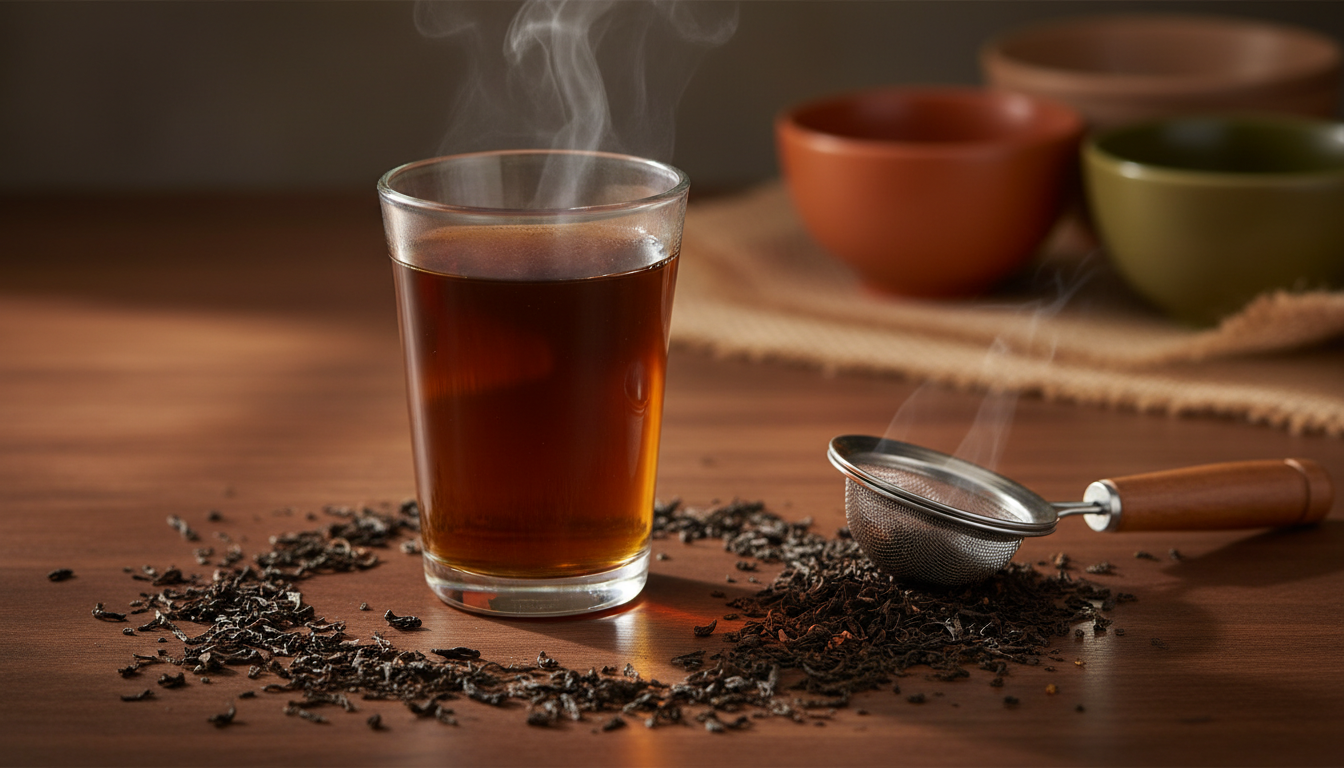

Black Tea: Types, Processing, and How to Brew It
Black tea is fully oxidized Camellia sinensis. Compare Assam, Darjeeling, Keemun, and Ceylon varieties. Learn processing, brewing, and caffeine levels.
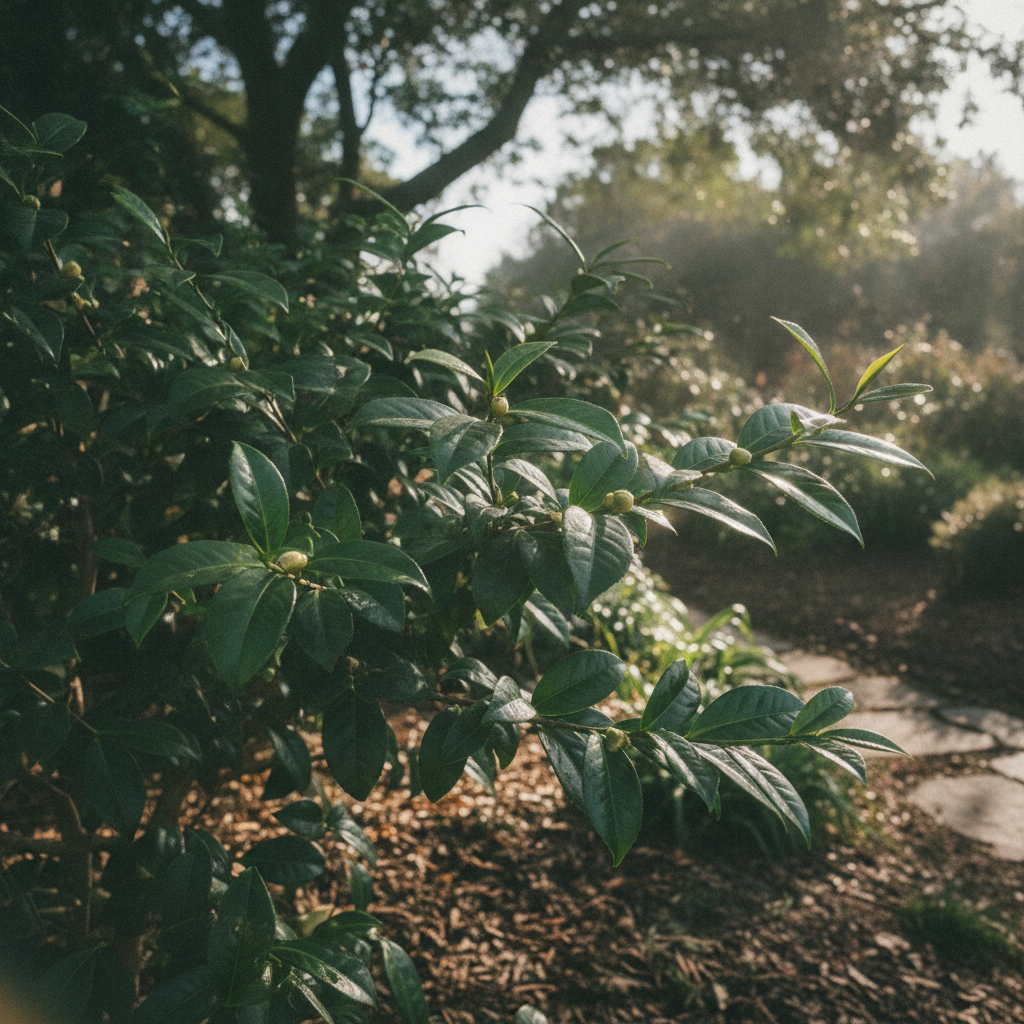

How To Grow Black Tea
Learn how to grow black tea at home: soil, climate, and the five processing steps from fresh leaf to a finished cup of black tea.

Wisdom is the path to better tea.
Get our free brewing guide: the right water, heat and timing for every tea we sell. You will also hear it first when new harvests arrive.
No spam. Unsubscribe any time.
Check your inbox.
The guide is on its way.