












Valley of Tea Organic Rooibos: Loose Leaf Red Tea
Rooibos is one of those rare ingredients that belongs entirely to one place. The Aspalathus linearis shrub grows only in the Cederberg mountains of South Africa, about 200 kilometres north of Cape Town, where acidic sandy soil and dry Mediterranean winters create the conditions the plant needs. Every cup of rooibos traces back to this single origin, and the quality of that cup depends on how carefully the plant was grown, harvested, and processed before it reached you.

At Valley of Tea, we source our rooibos directly from certified organic farms in the Cederberg. Organic rooibos matters to us not as a marketing label but as a reflection of how this plant grows best — in the nutrient-poor fynbos soil it evolved in, without synthetic fertilisers or pesticides forcing it into something it is not. This post covers our full rooibos range, from classic red to flavoured blends, and explains why loose leaf organic rooibos brews a different cup from tea bags.
Why Organic Rooibos Matters
Rooibos is a hardy plant, but it is not immune to industrial farming shortcuts. Conventional rooibos cultivation can involve synthetic herbicides, pesticides, and fertilisers that alter the soil ecology the plant depends on. The Cederberg fynbos biome is one of the world's most biodiverse ecosystems — a botanical hotspot where thousands of plant species coexist in a delicate balance. Chemical inputs disrupt that balance.
Organic certification means no synthetic pesticides, no chemical fertilisers, and regular soil and water testing to confirm compliance. For rooibos specifically, organic farming also protects the nitrogen-fixing bacteria in the soil that the plant relies on. Rooibos is a legume — it forms symbiotic relationships with soil microorganisms to fix atmospheric nitrogen, which is how it thrives in nutrient-poor ground. Synthetic nitrogen fertilisers undermine this natural process.
The result in the cup is cleaner, more honest rooibos. Organic rooibos from well-managed farms in the Cederberg tastes sweeter, smoother, and more complex than conventionally grown material. The plant has done its own work, drawing minerals from the rocky soil and developing its flavour compounds at its own pace.
Our organic certification also means traceability. We know which farms our rooibos comes from, how it was cultivated, when it was harvested, and how it was processed. The Cederberg is the classic rooibos heartland — the one region where this plant has been grown commercially for generations, where the farmers understand the fynbos soil and the plant's seasonal rhythms. That chain of accountability is not possible with anonymous bulk commodity rooibos sourced from whoever offered the lowest price that season.
Rooibos received Protected Designation of Origin status from the European Union in 2021 — the first African food product to achieve this recognition. This means that only Aspalathus linearis cultivated in the Cederberg region of South Africa can legally be sold as rooibos in the EU, a formal acknowledgement of the unique bond between this plant and its place of origin. (SA Rooibos Council)
Red vs Green Rooibos in Our Range

We carry both red and green rooibos, and the difference between them is more significant than many drinkers realise.
Red rooibos is the traditional form. After harvest, the needle-like leaves and stems are bruised and left to oxidise in the Cederberg sun for 8 to 24 hours. This is the step that turns the plant material from green to deep amber-red and develops the characteristic sweet, vanilla-caramel flavour that defines rooibos for most people. Our organic red rooibos is long-cut grade — larger, more intact pieces that brew a cleaner cup with more nuance than the dust-grade material that fills most tea bags.
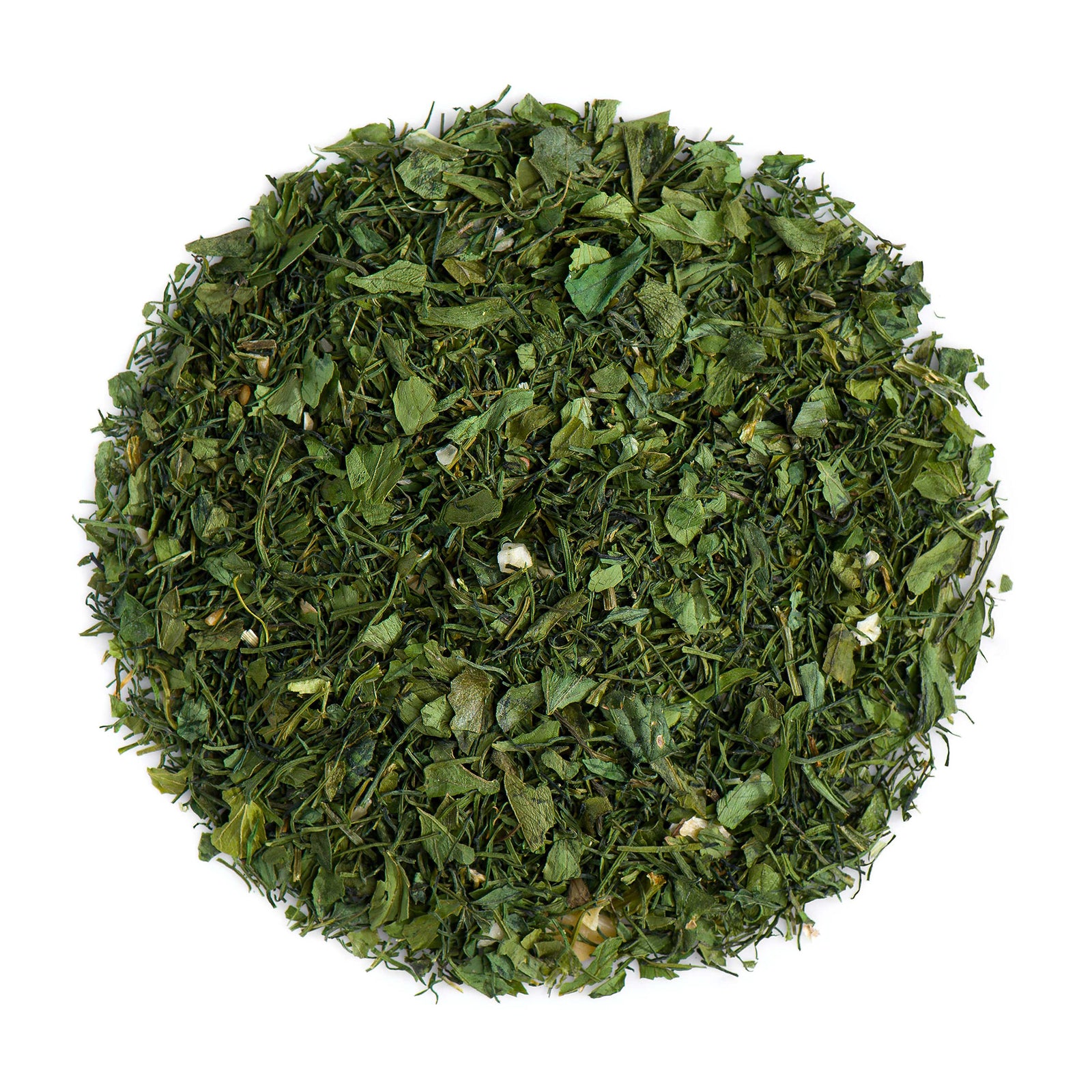
Green rooibos skips oxidation entirely. The harvested material is dried immediately to halt enzymatic browning. The result is a lighter, more herbaceous cup with grassy and mineral notes, a pale golden liquor instead of the classic red, and a higher concentration of polyphenols — specifically aspalathin, the unique dihydrochalcone flavonoid found in no other plant on earth. Green rooibos is less forgiving to produce — drying must happen quickly in the Cederberg heat to prevent unwanted oxidation — which is why it costs more and is harder to find. Browse our organic green rooibos if you want to explore the unoxidised side of this plant.
If you are new to rooibos, start with red. It is the more accessible, naturally sweeter option and the one that blends most easily with milk, honey, or spices. If you already know and enjoy red rooibos, green rooibos offers a genuinely different experience from the same plant — lighter, drier, and more complex in its own way.
Loose Leaf Rooibos vs Tea Bags
The gap between loose leaf rooibos and tea bag rooibos is wider than most people expect. It comes down to grade.
Rooibos is sifted after processing into several grades based on particle size. Long-cut rooibos — the grade we use — consists of intact needle-like pieces, 5 to 10 millimetres in length. This is the premium grade, and it brews a cup with a clean, sweet, well-defined flavour.
Tea bag rooibos is typically the lowest grade: fine dust and small fragments left over from sifting. It brews fast and dark, but the flavour is flat, one-dimensional, and often has a slightly stale quality from the larger surface area exposed to air during storage.
Loose leaf rooibos also gives you control over strength. You can adjust the quantity of leaf and the steeping time to dial in exactly the cup you want. With a tea bag, you get whatever the manufacturer decided to put in a sachet — usually 1.5 to 2 grams of low-grade material, which is not enough leaf and not the right quality.
There is a practical objection to loose leaf: convenience. But rooibos is one of the easiest loose leaf teas to work with. The needle-like pieces are small and uniform, they do not clog most infusers, and you can steep them directly in a pot or mug with a simple strainer. Unlike large-leaf teas, rooibos does not need a spacious infuser to unfurl — it is ready to brew as-is.
What Our Rooibos Tastes Like
Good organic rooibos from the Cederberg has a flavour profile distinct from other herbal infusions.
The first thing you notice is the natural sweetness. This is not sugary or cloying — it is a gentle, honey-like sweetness that is present in both the aroma and the taste. It is one of very few beverages that tastes sweet without any added sugar, which is partly why rooibos appeals to people who prefer their drinks unsweetened.
Behind the sweetness, you get vanilla and caramel notes. These are natural flavour compounds developed during oxidation, not added flavouring. Our organic red rooibos has a clean vanilla undertone that makes it a good base for dessert-style blends, but it is equally satisfying on its own.
There is a light nuttiness — toasted almond, sometimes hazelnut — that becomes more pronounced with slightly longer steeping. And underneath everything, a mild woody base note gives the cup structure and warmth without any heaviness.
What rooibos does not do is equally important. There is no bitterness. No astringency. No tannin bite. Even if you forget your rooibos on the counter for twenty minutes, it will not turn harsh or undrinkable. This forgiving character makes rooibos one of the most approachable beverages for people who find black tea too tannic or green tea too grassy.
How to Brew Rooibos

Rooibos is one of the simplest teas to brew well. It tolerates a wide range of temperatures and steeping times without turning bitter, which gives you room to experiment.
Hot Rooibos
Use 1.5 to 2 grams of loose leaf rooibos per 200 ml of water (roughly one heaped teaspoon). Bring water to a full boil — 100°C — and pour directly over the leaves. Steep for 5 to 7 minutes. Unlike green or white tea, rooibos benefits from boiling water and a generous steep.
Longer steeping produces a stronger, deeper cup without bitterness. If you prefer a lighter cup, reduce to 3 to 4 minutes. Add milk if you like — rooibos takes to milk the way black tea does, with the added advantage of no tannins curdling the dairy.
Iced Rooibos
Brew at double strength: 3 to 4 grams per 200 ml, steeped for 7 to 8 minutes in boiling water. Let it cool to room temperature, then pour over ice. The natural sweetness of rooibos means you may not need any sweetener at all. For a cleaner, more delicate iced rooibos, try cold-brewing: add 3 grams per 300 ml of cold or room-temperature water and refrigerate for 6 to 8 hours. Cold-brewed rooibos is smooth with amplified sweetness.
Rooibos Latte
Brew a concentrated rooibos: 3 grams steeped in 100 ml of boiling water for 6 to 7 minutes. Strain, then add 150 ml of steamed or frothed milk — oat milk works particularly well with rooibos, complementing its nutty-vanilla profile. Add honey or a pinch of cinnamon if desired. A rooibos latte is a genuine caffeine-free alternative to a chai latte, with enough body and flavour complexity to satisfy rather than disappoint.
A Note on Water Quality
Use filtered water if your tap water is hard or heavily chlorinated. Rooibos is less sensitive to water quality than green or oolong tea, but clean water still makes a noticeable difference.
Rooibos for the Whole Family
One of rooibos's strongest practical advantages is that the whole household can share the same pot. It is naturally caffeine-free — not decaffeinated through a chemical process, but genuinely free of caffeine as a property of the plant. This means there is no caffeine to keep track of, whatever the time of day.
For Children
Rooibos is one of the very few "teas" that families commonly pour for young children. It contains no caffeine, is low in tannins, and has a naturally sweet flavour that children tend to accept without added sugar. In South Africa, it is common to give rooibos to children from an early age, often with a splash of milk. Its gentle sweetness and smooth taste make it an easy flavour to share at the family table.
For Evening Drinking
If you enjoy a warm cup in the evening but prefer to skip caffeine after midday, rooibos is an option that does not feel like a compromise. It has enough flavour complexity and body to feel like a proper drink — unlike many herbal infusions that taste thin or medicinal. A cup of red rooibos with milk after dinner is a satisfying way to end the day.
During Pregnancy and Breastfeeding
If you are pregnant or breastfeeding, ask your healthcare provider before drinking rooibos or any other herbal infusion.
Our Rooibos Blends
While our straight organic rooibos is the foundation of our range, we also carry blends that build on rooibos's natural flavour profile.
Vanilla Rooibos
The pairing of rooibos and vanilla is almost inevitable — rooibos already contains natural vanilla notes, and the addition of real vanilla amplifies them into something dessert-like without being excessive. Our vanilla rooibos uses organic rooibos as the base with natural vanilla flavouring. It brews a sweet, fragrant cup that works well as a caffeine-free evening drink or an afternoon treat. Try it with a splash of milk for a vanilla-cream character. Find our vanilla rooibos in the shop.
Rooibos Chai
Traditional chai spices — cinnamon, cardamom, ginger, clove — pair well with rooibos. The natural sweetness of rooibos means a spiced rooibos chai needs less sugar than a traditional black tea chai, and with no caffeine in the cup it can be brewed at any time of day. Our rooibos chai is warming and aromatic, designed to be brewed strong and served with steamed milk. It is a good caffeine-free alternative to a traditional masala chai. Shop our rooibos chai blend.
Citrus Rooibos
Rooibos and citrus create a brighter, lighter profile. Our citrus rooibos incorporates dried orange peel and lemon, lifting the earthy sweetness of the base into something more refreshing. This blend works particularly well as iced rooibos in warm weather — brew it strong, chill it, and serve over ice with a slice of fresh orange.
All our blends use the same organic rooibos base as our straight offering. The quality of the base matters as much in a blend as it does on its own — cheap rooibos produces a flat, one-note blend regardless of what you add to it.
Buying and Storing Rooibos

When buying rooibos, look for a few indicators of quality.
Grade
Long-cut or whole-leaf rooibos is the premium grade. The pieces should be visibly intact, thin, and needle-like. Avoid rooibos that looks like fine dust or powder — that is the lowest sifting grade.
Colour
Good red rooibos should be a uniform deep amber-red. Uneven colour — pale pieces mixed with dark — suggests inconsistent processing. Green rooibos should be an even olive-green.
Aroma
Fresh rooibos has a clear, sweet, slightly woody scent. Stale rooibos smells flat or dusty. If there is no aroma when you open the package, the rooibos is past its prime.
Organic Certification
Given rooibos's origin in a sensitive biome and the importance of soil health to flavour, organic rooibos is worth the modest premium. Research confirms that unfermented (green) rooibos contains significantly higher levels of polyphenols including aspalathin compared to conventionally processed material. (PMC — Phenolic content of rooibos, 2022)
Storage
Keep rooibos in an airtight container away from light, heat, and moisture. A tin or opaque jar in a cupboard is ideal. Rooibos is less fragile than green or white tea, but it will still lose flavour over time if stored carelessly. Properly stored, loose leaf rooibos maintains its quality for 18 to 24 months. Use it well within that window for the best cup.
Buy in quantities you will use within two to three months for peak freshness. Our packaging is designed to protect the rooibos during transit, but once opened, transfer it to proper storage.
Conclusion
Rooibos occupies a unique position in the world of tea. It is caffeine-free without being flavourless. It is forgiving to brew without being boring. It works on its own, with milk, iced, as a latte, or as a base for spiced and flavoured blends. And it is a drink the whole household shares, from children to adults, morning to evening.
Our organic rooibos at Valley of Tea comes directly from the Cederberg — the only place on earth this plant grows. It is long-cut grade, certified organic, and sourced from farms we know and trust. Whether you are discovering rooibos for the first time or replacing a tea bag habit with something better, our range gives you the full spectrum of what this distinctive plant can offer. Browse our rooibos collection at Valley of Tea and find the cup that fits your day.
Related Articles
Leave a comment
Comments will be approved before showing up.
Also in Valley of Tea Blog | Tea Guides, Origins & Brewing Tips
The Complete Guide to Drinking Tea
What tea is, how the main types differ in the cup, and how to brew each one properly. Water temperature, steeping times, storage and how to get more than one cup from your leaves.
Read More
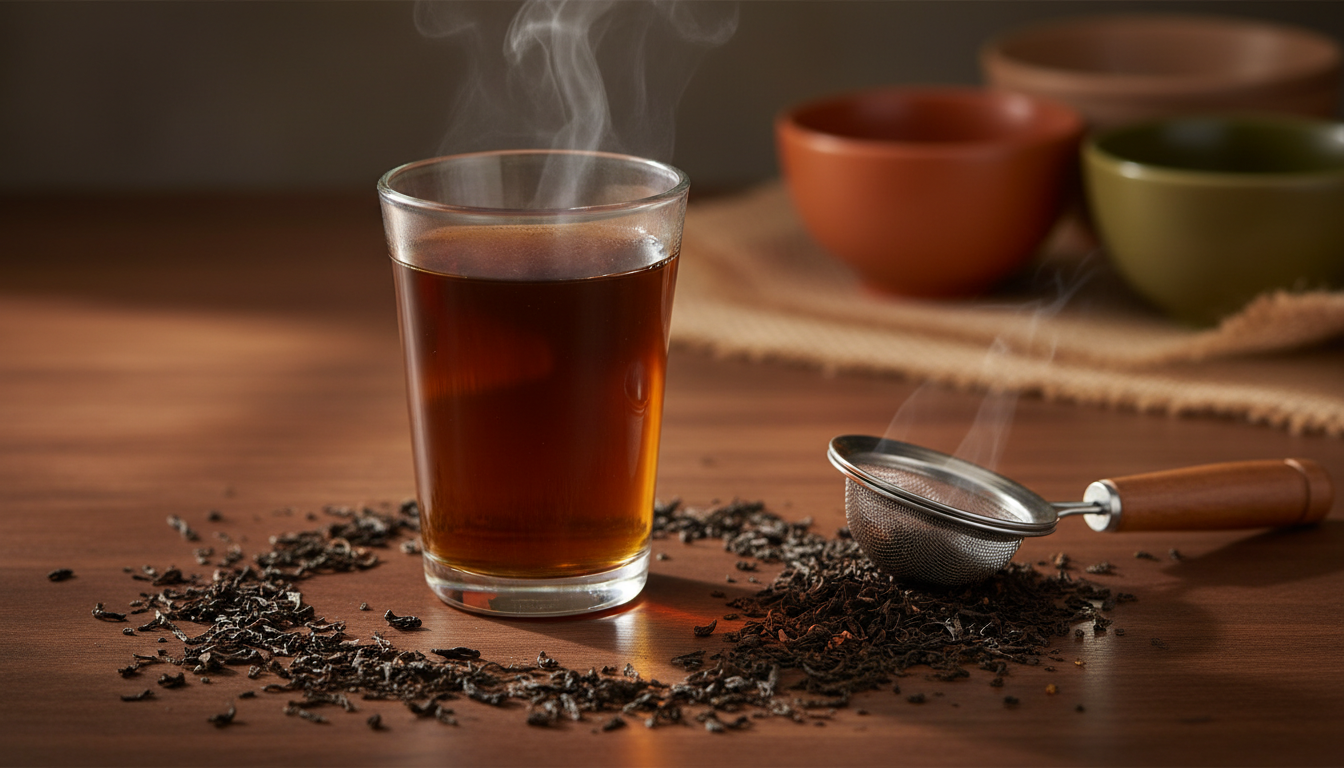

Black Tea: Types, Processing, and How to Brew It
Black tea is fully oxidized Camellia sinensis. Compare Assam, Darjeeling, Keemun, and Ceylon varieties. Learn processing, brewing, and caffeine levels.
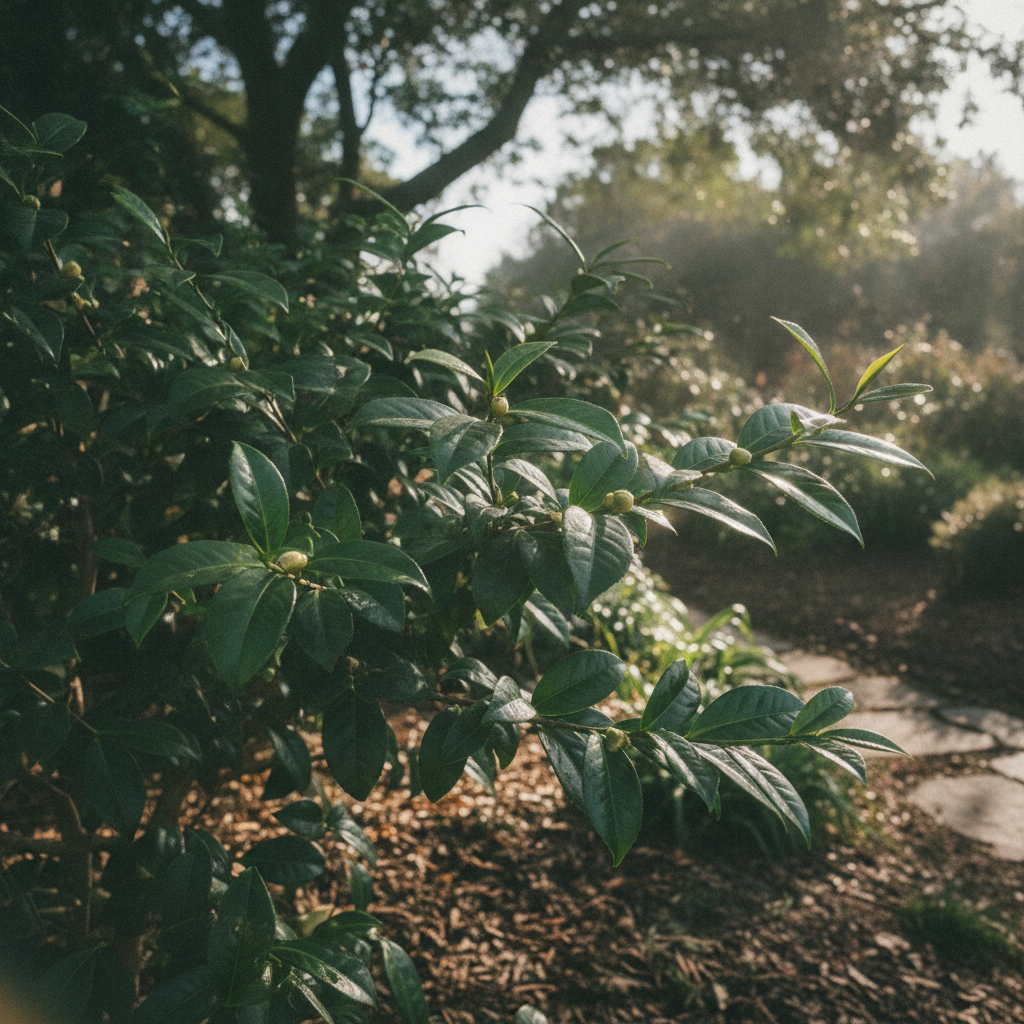

How To Grow Black Tea
Learn how to grow black tea at home: soil, climate, and the five processing steps from fresh leaf to a finished cup of black tea.

Wisdom is the path to better tea.
Get our free brewing guide: the right water, heat and timing for every tea we sell. You will also hear it first when new harvests arrive.
No spam. Unsubscribe any time.
Check your inbox.
The guide is on its way.