













Valley of Tea Peppercorns – Fresh Groundable Pepper for Cooking
Peppercorns are the most traded spice in the world and have been for centuries. Before refrigeration, before global supply chains, before any of the infrastructure that makes modern cooking possible, black pepper was the commodity that drove trade routes from India to Rome. Wars were financed with it. Rents were paid in it. The reason is straightforward: nothing else does what pepper does. It adds heat without sweetness, depth without heaviness, and a sharp aromatic bite that activates the palate and makes every other flavor in a dish more present. A kitchen without peppercorns is a kitchen working with one hand tied behind its back.
At Valley of Tea, we carry whole peppercorns because they belong in the same conversation as tea, spices, and ingredients that reward quality sourcing and proper handling. This guide covers what peppercorns actually are, how the varieties differ, where they come from, and how to use them — including in tea.

What Are Peppercorns
Peppercorns are the fruit of Piper nigrum, a flowering vine native to the Malabar Coast of southwestern India. The plant is a tropical perennial that climbs trees or support structures, producing long clusters of small berries called drupes. These drupes, harvested and processed at different stages of ripeness, become the black, white, and green peppercorns used in kitchens worldwide.
The heat in peppercorns comes from piperine, an alkaloid concentrated in the outer flesh and seed of the fruit. Piperine is chemically distinct from capsaicin (the compound responsible for chili heat). Where capsaicin produces a burning, lingering sensation, piperine delivers a sharp, clean bite that fades relatively quickly. This is why pepper enhances food rather than overwhelming it — the heat is assertive but brief, clearing the way for other flavors rather than competing with them.
Beyond piperine, peppercorns contain a complex mix of terpenes and other volatile compounds that give them their aromatic character. These are the molecules responsible for the woody, citrusy, floral, and sometimes pine-like notes you detect when you crack a fresh peppercorn. A review published in Clinical Phytoscience (Springer, 2021) confirmed that among the biologically active compounds in Piper nigrum, the alkaloid piperine and the main essential oil constituents — including β-caryophyllene, limonene, and α-pinene — account for the distinctive aroma. These are also the molecules most vulnerable to degradation, which is why pre-ground pepper is a fundamentally different product from freshly ground whole peppercorns.
Black vs White vs Green vs Pink Peppercorns
The first three — black, white, and green — all come from the same plant. They are the same fruit, processed differently. Pink peppercorns are a different species entirely.
Black Peppercorns
Black peppercorns are harvested when the berries are still slightly unripe, just as they begin to turn from green to yellow. They are blanched briefly in hot water, which ruptures cell walls and accelerates enzymatic browning, then dried in the sun until the outer layer shrivels and darkens to the familiar wrinkled black skin.
This is the most pungent form of pepper. The drying process concentrates piperine in the outer layer while preserving the aromatic terpenes in the seed. The result is a peppercorn with layered complexity: immediate sharp heat from the skin, followed by warmer, more rounded aromatic notes from the interior. Black pepper is the universal default and the variety most people mean when they say "pepper."

White Peppercorns
White peppercorns are fully ripe berries that have had their outer skin removed. The traditional method involves soaking the ripe red berries in water for about a week, which softens and loosens the outer layer through controlled fermentation. The skin is then washed away, leaving only the pale inner seed.
The flavor is different from black pepper in specific ways. White pepper has less aromatic complexity — many of the terpenes reside in the outer skin, which is gone. What remains is a more concentrated, sharper piperine heat with a distinctive earthy, slightly fermented quality that some describe as musty. This fermentation note is not a flaw; it is the defining characteristic that makes white pepper preferred in certain cuisines.
French sauces, Scandinavian cooking, and Chinese soups rely on white pepper precisely because it delivers heat and that earthy depth without the fruity-woody aromatics of black pepper. It also avoids dark specks in light-colored dishes, which matters in classical French cooking.
Green Peppercorns
Green peppercorns are the unripe berries, harvested early and preserved before they can oxidize and darken. They are typically sold brined, pickled in vinegar, or freeze-dried. Fresh green peppercorns are rare outside of producing regions because they perish within days of harvest.
The flavor is the mildest and freshest of the three true peppercorns. Green peppercorns have a bright, herbaceous, almost grassy quality with moderate heat. They lack the concentrated intensity of black or white because they have not undergone the drying or fermentation that concentrates piperine. Brined green peppercorns are a staple of Thai cooking (used whole in stir-fries and curries) and French cuisine (the classic steak au poivre vert). Freeze-dried green peppercorns can be ground and used as a lighter, more aromatic alternative to black pepper.
Pink Peppercorns
Pink peppercorns are not Piper nigrum. They are the dried berries of Schinus molle (Peruvian pepper tree) or Schinus terebinthifolia (Brazilian pepper tree), both members of the cashew family (Anacardiaceae). They are called peppercorns because they are roughly the same size and shape, and because they deliver a mild, peppery warmth — but the resemblance ends there.

The flavor of pink peppercorns is sweet, fruity, and resinous, with only a whisper of heat. They have more in common with juniper berries or allspice than with black pepper. Their primary role is decorative and aromatic: a few crushed pink peppercorns over a salad, a piece of fish, or a soft cheese add color, fragrance, and a gentle spicy-sweet note. They are not a substitute for black pepper in any functional sense.
A note for anyone with tree nut allergies: pink peppercorns are related to cashews and may trigger reactions in sensitive individuals.
Flavor Profiles
Understanding the flavor differences matters for choosing the right peppercorn for the job.
Black: Full-spectrum heat and aroma. Woody, citrusy, warm, with a sharp piperine bite. The workhorse. Works in virtually any savory context and many sweet ones.
White: Focused heat, earthy and slightly fermented. Less aromatic complexity. Best where you want pepper's sharpness without its visual or aromatic presence dominating.
Green: Mild, fresh, herbaceous. A lighter touch. Best in dishes where pepper should complement rather than assert, and where its bright, green character adds something distinct.

Pink: Sweet, fruity, barely pungent. A finishing spice. Best used for its color, fragrance, and gentle warmth rather than for heat.
Peppercorns in Tea
Pepper has been used in tea and tea-adjacent beverages for as long as both have existed in the same regions. It is not a novelty addition — it is a traditional ingredient with a specific purpose.
Masala Chai
In Indian masala chai, black peppercorns are one of the core spices alongside cardamom, ginger, cinnamon, and cloves. Pepper contributes a background heat that is distinct from ginger's sharp bite. Where ginger hits immediately and fades, pepper's warmth builds slowly and adds a persistent tingle that makes the chai feel more warming and full-bodied. A typical chai uses 3 to 5 whole Valley of Tea whole peppercorns per cup, lightly crushed and simmered with the tea, milk, and other spices.
Turmeric Golden Milk
This is where pepper is not just traditional but functionally important. Piperine significantly increases the bioavailability of curcumin, the primary active compound in turmeric. A landmark study published in Planta Medica (Shoba et al., 1998) found that piperine can enhance curcumin absorption by up to 2,000 percent by inhibiting the enzymes that normally break curcumin down in the gut and liver. A turmeric golden milk made without black pepper is delivering a fraction of the curcumin your body could otherwise absorb.
A standard golden milk uses warmed milk (dairy or plant-based), turmeric powder or grated fresh turmeric, a small amount of fat (coconut oil or ghee, since curcumin is fat-soluble), honey or another sweetener, and a generous crack of fresh black pepper. The pepper does not make the drink taste "peppery" in any aggressive sense — it adds a subtle warmth in the background that complements the earthy turmeric.
Other Tea Applications
A single cracked black peppercorn added to a pot of robust black tea — such as our Artisan Assam — brings out the tea's malty and tannic qualities. It works the same way pepper works on food: by activating the palate and making existing flavors register more strongly. This is a subtle technique, not a bold one. You are not making pepper tea; you are using pepper to sharpen what is already there.

Grinding vs Whole Peppercorns
There is no debate here, only a fact: freshly ground pepper and pre-ground pepper are different products with different capabilities.
Whole peppercorns, stored properly, retain their volatile aromatic compounds for years. The hard outer shell acts as a sealed container. The moment you crack that shell, the terpenes begin to volatilize — meaning they evaporate into the air rather than into your food. In my experience, the most important aromatics — the bright, nose-enriching notes that make fresh pepper distinctive — are the first to go, and they go fast. Crack a peppercorn and smell your fingers a half hour later: the floral and citrusy top notes are largely gone. What remains is piperine (which is stable) and a residual woody-musty note that bears little resemblance to the bright, layered fragrance of fresh-cracked pepper.
Pre-ground pepper from a supermarket tin has been losing aromatics since the day it was processed, which may have been months or years before it reached the shelf. It delivers heat and not much else. A good pepper mill loaded with quality whole peppercorns is one of the single most impactful upgrades any kitchen can make.
For tea preparations, always use whole peppercorns, lightly crushed with the flat of a knife or the back of a spoon. Grinding to powder will release too much piperine too quickly, making the brew harsh. Crushing exposes enough surface area for a slow, controlled extraction during simmering.
Cooking Uses
Pepper appears in virtually every cuisine, but some applications highlight its qualities better than others.
Steak au poivre: Coarsely cracked black peppercorns pressed into the surface of a steak before searing. The direct heat toasts the outer layer of the peppercorn, caramelizing the sugars and amplifying the aromatic compounds while the piperine delivers a controlled burn. This is pepper as a primary flavor, not a seasoning.

Cacio e pepe: The Roman pasta that uses only pecorino cheese, pasta water, and an aggressive amount of black pepper. The starch in the pasta water emulsifies the cheese into a creamy sauce, and the pepper provides the counterpoint — sharp, warm, aromatic — that keeps the richness from becoming monotonous.
Chinese white pepper soups: Hot and sour soup, and many Cantonese broths, use white pepper for its earthy heat without the fruity-woody notes of black. The fermentation character of white pepper integrates naturally with the savory depth of bone broths and soy-based liquids.
Thai green peppercorn curries: Whole brined green peppercorns, added to coconut milk-based curries, provide bursts of fresh, mild heat that punctuate each bite differently from the chili-based heat of the curry paste.
Tellicherry and Malabar Origins
Not all black peppercorns are equal, and origin matters.
Malabar pepper is the standard Indian black peppercorn, grown along the Malabar Coast of Kerala. It is a solid, reliable pepper with good heat and moderate aromatic complexity. Most of the world's pepper trade is built on Malabar-grade peppercorns.
Tellicherry pepper is not a separate variety — it is a grading designation. Tellicherry peppercorns are the largest berries from the same Piper nigrum vines on the Malabar Coast. They are left on the vine longer, allowed to ripen further before harvest, and then sorted by size. Only peppercorns that exceed a certain diameter (typically 4.25mm or larger) qualify as Tellicherry grade.

The extra ripening time matters. Larger, more mature berries develop a deeper, more nuanced aromatic profile with stronger citrus and floral notes alongside the piperine heat. Tellicherry is, in my view, the finest widely available black pepper — and it earns that premium in any application where pepper is a featured flavor: steak au poivre, cacio e pepe, finishing at the table. For general cooking where pepper is one ingredient among many, standard Malabar or a well-graded Ceylon will do the job.
Other notable origins include Lampong pepper from Sumatra (smaller berries, sharp and direct), Sarawak pepper from Malaysia (milder, more aromatic), and Kampot pepper from Cambodia — awarded Protected Geographical Indication status by the EU in 2016, with a distinctive eucalyptus note and a reputation as one of the world's finest single-origin peppers. The peppercorns we source at Valley of Tea come from Sri Lanka — Ceylon pepper that sits between the intensity of Tellicherry and the mildness of Sarawak, with good size and consistent grading that makes it reliable in both cooking and tea applications.
Buying Quality Peppercorns
Whole peppercorns should be uniform in size, dense, and dark (for black pepper). Pick up a handful: they should feel heavy for their size, not hollow or lightweight. Squeeze one between your fingers — it should resist, then crack cleanly. If it crumbles into dust, it is old or was poorly dried.
Aroma is the most reliable indicator. Open the container and inhale. You should get an immediate, sharp, multi-layered fragrance — woody, citrusy, warm, possibly floral. If you get little or nothing, or only a flat, dusty smell, move on. Peppercorns that do not smell like much will not taste like much.
When we evaluate a new lot of Valley of Tea peppercorns, grading is the first thing I check. Broken peppercorns, undersized berries, and oversized outliers all degrade quality in their own way: broken ones have already lost much of their volatile aroma, undersized berries tend to be underdeveloped and flat, and oversized ones can grind unevenly. A lot that looks uniform in the bag but turns out to be mixed grades will disappoint at the mill. Buy from sources that move product regularly and can tell you the origin and grade of what they sell — those are the vendors who actually understand what they're handling.
Avoid pre-ground pepper entirely unless you have no alternative. Avoid peppercorn blends (the ones with black, white, green, and pink peppercorns mixed together) unless you specifically want that combination — the different types have different hardnesses and will grind unevenly in a mill, producing an inconsistent result.

Storage
Whole peppercorns are forgiving to store but still benefit from basic care. Keep them in an airtight container, away from light, heat, and moisture. A glass jar with a tight seal in a cool cupboard is ideal. Avoid storing them next to the stove, where heat and steam will accelerate the loss of volatile compounds.
Stored properly, whole peppercorns maintain their quality for two to three years. They will not spoil or become unsafe beyond that point, but the aromatic complexity fades gradually. If your peppercorns have been sitting in an open container for a year or more, they are still delivering piperine heat, but you are missing the best part of what pepper can do.
Ground pepper should be used within a few weeks at most, which is another argument for buying whole and grinding as needed. There is no practical way to store ground pepper without significant aromatic loss.
Green peppercorns in brine should be refrigerated after opening and used within a month or two. Freeze-dried green peppercorns follow the same rules as whole black — airtight, cool, dark — and keep well for a year or more.
Freshly cracked pepper over a finished dish, a cup of chai, or a bowl of golden milk is one of the simplest ways to add depth and complexity to what you eat and drink. It costs almost nothing, takes no skill, and makes a measurable difference. Stock your kitchen with good whole peppercorns, keep them sealed, and grind them when you need them. That is all it takes.
Leave a comment
Comments will be approved before showing up.
Also in Valley of Tea Blog | Tea Guides, Origins & Brewing Tips
The Complete Guide to Drinking Tea
What tea is, how the main types differ in the cup, and how to brew each one properly. Water temperature, steeping times, storage and how to get more than one cup from your leaves.
Read More

Black Tea: Types, Processing, and How to Brew It
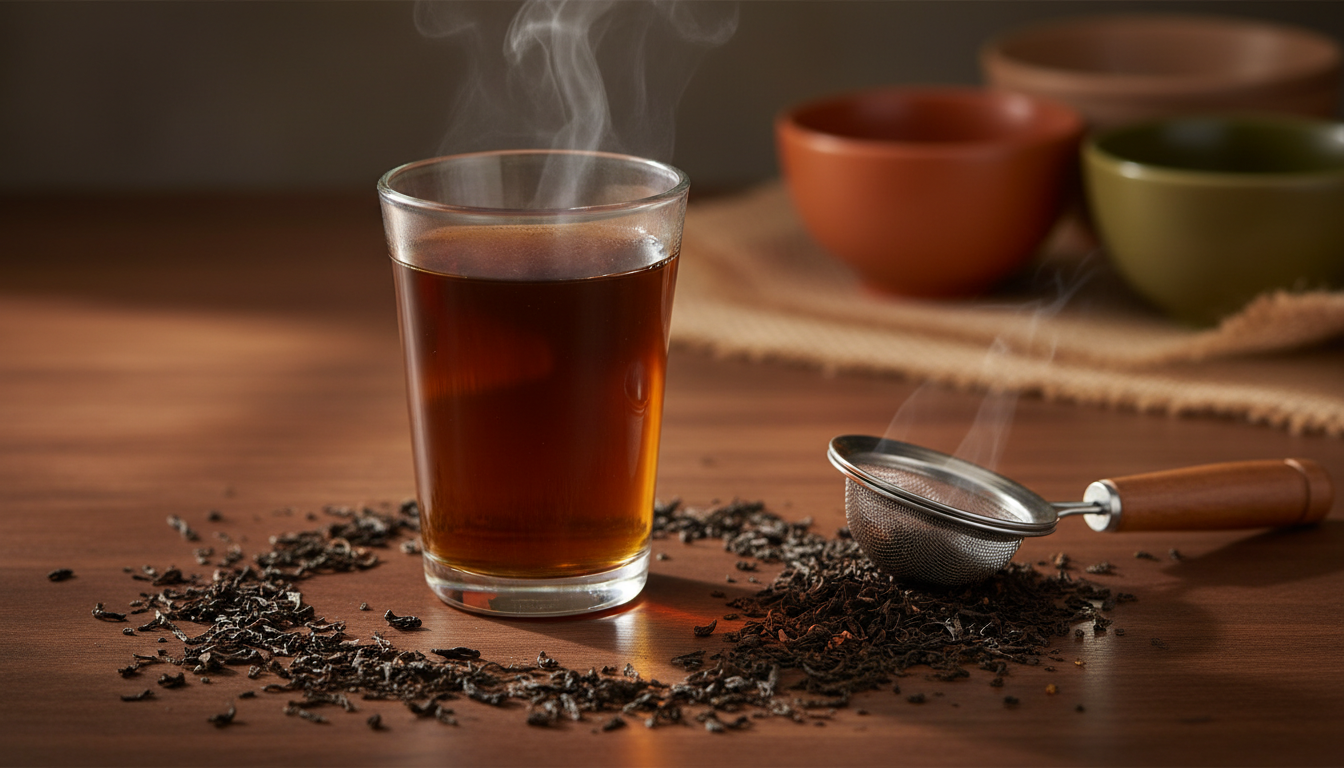
Black tea is fully oxidized Camellia sinensis. Compare Assam, Darjeeling, Keemun, and Ceylon varieties. Learn processing, brewing, and caffeine levels.
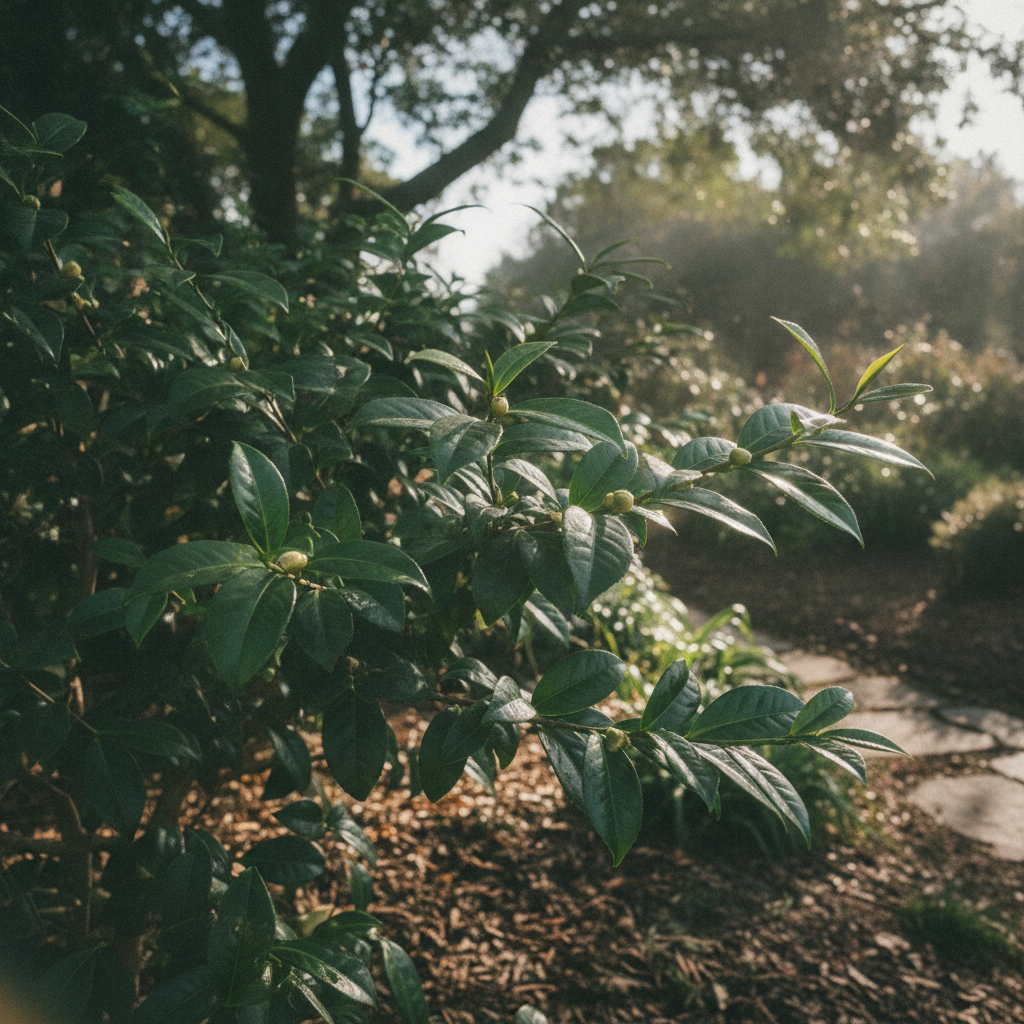

How To Grow Black Tea
Learn how to grow black tea at home: soil, climate, and the five processing steps from fresh leaf to a finished cup of black tea.

Wisdom is the path to better tea.
Get our free brewing guide: the right water, heat and timing for every tea we sell. You will also hear it first when new harvests arrive.
No spam. Unsubscribe any time.
Check your inbox.
The guide is on its way.