












Ginger Root Honey: Pairings, Recipes, and Quality Tips
Ginger root honey is one of the oldest kitchen pairings in the world: ginger's heat balanced against honey's sweetness, brewed hot or stirred into a syrup. It's a combination that rewards quality ingredients: a woody, flat ginger or a filtered, blended honey flattens the whole drink. I've spent years sourcing both for Valley of Tea, and the difference between a good batch and a forgettable one usually comes down to freshness and how the two are combined, not a complicated recipe.

Our dried ginger comes from India, dried specifically to hold its peppery, almost fiery aroma rather than turning to flavorless dust. This guide covers how to brew ginger and honey tea properly, which honey styles actually complement ginger instead of masking it, and a few uses for the pairing beyond the teacup.
Ginger Root Honey Tea Recipe
To make ginger root honey tea, simmer 2-3cm of sliced fresh ginger, or one tablespoon of dried ginger root, in water for 10 minutes, strain, then let the liquid cool to 60-70C before stirring in a spoonful of raw honey. Many beekeepers and food scientists caution that adding honey to boiling water breaks down some of its delicate aroma compounds and enzymes.
Fresh ginger gives the brightest, sharpest heat, and there's no need to peel it if the root is clean, just slice it thin so it simmers evenly. I don't measure ginger with a ruler at home; I adjust the amount to taste depending on how spicy I'm in the mood for, but 2-3cm per cup is a fair starting point. If you don't keep fresh root on hand, our dried ginger root works as an everyday substitute: one tablespoon per cup, simmered the same way. It's dried in India specifically to hold onto that clear, peppery, almost fiery aroma, which is the first thing I check when a new lot arrives; if it smells flat, or barely at all, it doesn't go in a tin.
Letting the tea cool before adding honey matters more than people think. Honey's aroma compounds and raw enzymes are widely believed to start breaking down well below boiling point, and beekeepers generally caution that stirring honey into water still near 100C strips out the floral, herbal notes raw honey is known for, leaving mostly sweetness behind. Cooling to 60-70C keeps most of that intact while still dissolving the honey properly.
One safety note: never add honey, raw or cooked, to a drink meant for a baby under twelve months old. The bacteria responsible for infant botulism can survive gentle heat, so age is what matters here, not how the honey is prepared. The CDC and NHS have both repeated this same guidance for decades, and it applies to raw and pasteurized honey alike.
Types of Honey That Pair Best with Ginger
Raw wildflower honey is the most reliable match for ginger root honey: its layered, slightly floral character complements ginger's spice instead of fighting it. Acacia honey works well too, since its mild, clear flavor lets the ginger lead. Manuka honey, by contrast, has a strong, earthy edge that tends to dominate delicate ginger preparations.
Raw wildflower honey is my usual pick when I'm making this at home. It carries its own complexity, floral and sometimes slightly bitter notes that sit alongside ginger's heat instead of getting buried under it. I favor raw, single-origin honey with most of our herbal blends for the same reason; blended honey tends to taste like sugar syrup with a faint honey smell, nothing more.
Acacia honey is the other safe choice, especially if you want the ginger itself to stay the star of the cup. It's mild, pale, and stays liquid at room temperature, so it dissolves cleanly and adds sweetness without adding much flavor of its own.
Manuka honey is where people get it wrong. It has a strong, almost earthy taste that works fine stirred into plain hot water, but in a ginger preparation it competes with the spice rather than complementing it; you end up tasting neither one properly.
Commercial blended honey is the most common mistake. It's cheap and consistent, but almost flavorless once you look past the raw sweetness, which is fine for baking where honey is one ingredient among several, but it adds nothing to a ginger tea beyond sugar.
Beyond Tea: Other Ginger Root Honey Uses
Ginger root honey isn't limited to a mug: simmered into a syrup, it becomes a base for cocktails, salad dressings, and yogurt drizzles; whisked into a glaze it works on roasted vegetables; and frozen into ice cubes it turns any cold drink into an instant ginger-honey refresher.
For a ginger honey syrup, simmer sliced fresh ginger directly in honey, thinned with a splash of water so it doesn't scorch, for about 30 minutes over low heat, then strain. The result is thick and spicy-sweet, and keeps for weeks in the fridge. I stir a spoonful into sparkling water for a quick ginger drink, or use it in a whisky sour instead of simple syrup.
The same syrup, reduced a little further, doubles as a glaze. Brushed onto roasted carrots, squash, or salmon in the last few minutes of cooking, or over muffins and quick breads before baking, it caramelizes and adds real depth, more than honey alone, which just tastes sweet without ginger's bite.
For something quicker, brew a batch of ginger and honey tea, let it cool, and freeze it in an ice cube tray. Drop a few cubes into iced tea, sparkling water, or a cocktail, and they flavor the drink as they melt instead of watering it down.
People often ask how much ginger is too much. I treat ginger root honey as a good drink first, so start with a thin slice or two and adjust to taste, and anyone with a medical condition or on medication should check with a doctor before drinking it regularly.
Conclusion
Ginger root honey earns its reputation the straightforward way: two strong, simple ingredients that genuinely improve each other when both are good quality. A woody root or a flavorless blended honey will always taste worse than fresh ginger paired with raw, single-origin honey, and that's the real lesson behind every recipe here. Keep a jar of dried ginger root and a jar of raw honey in the kitchen and you've got a warming drink, syrup, or glaze ready whenever you want one, no special trip required. If you want to start simple, put the kettle on, slice some ginger, and taste what a well-made ginger and honey pairing actually tastes like.
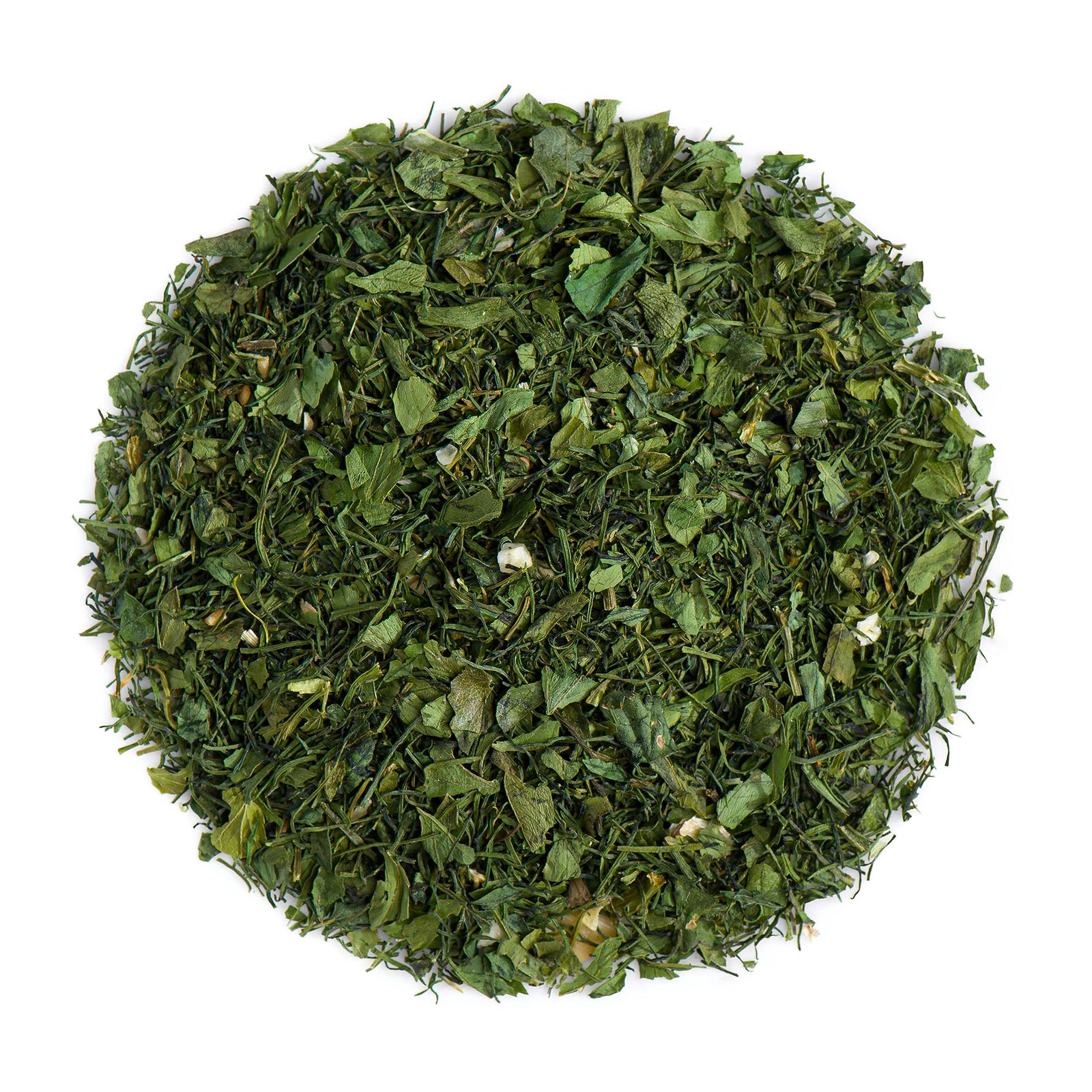
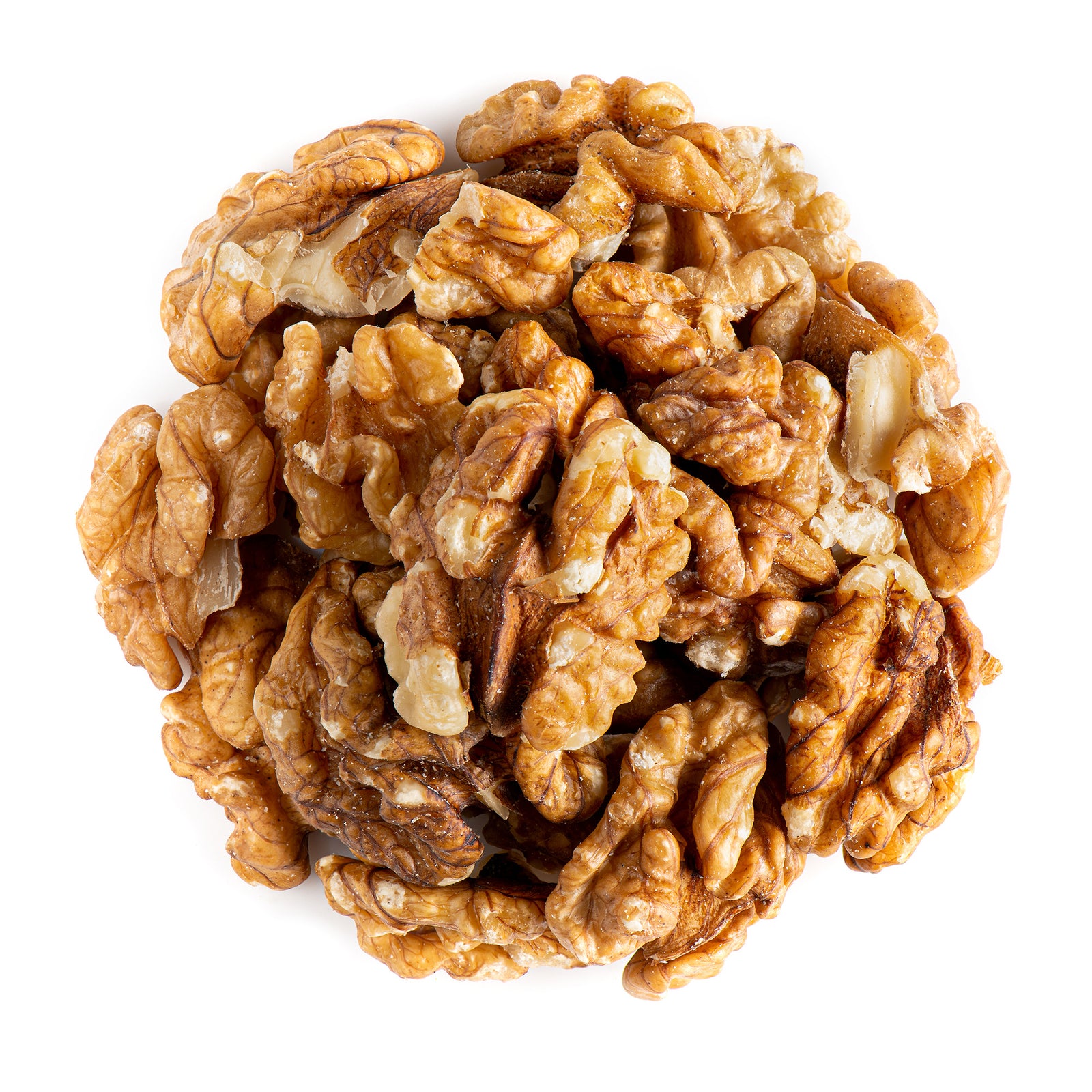
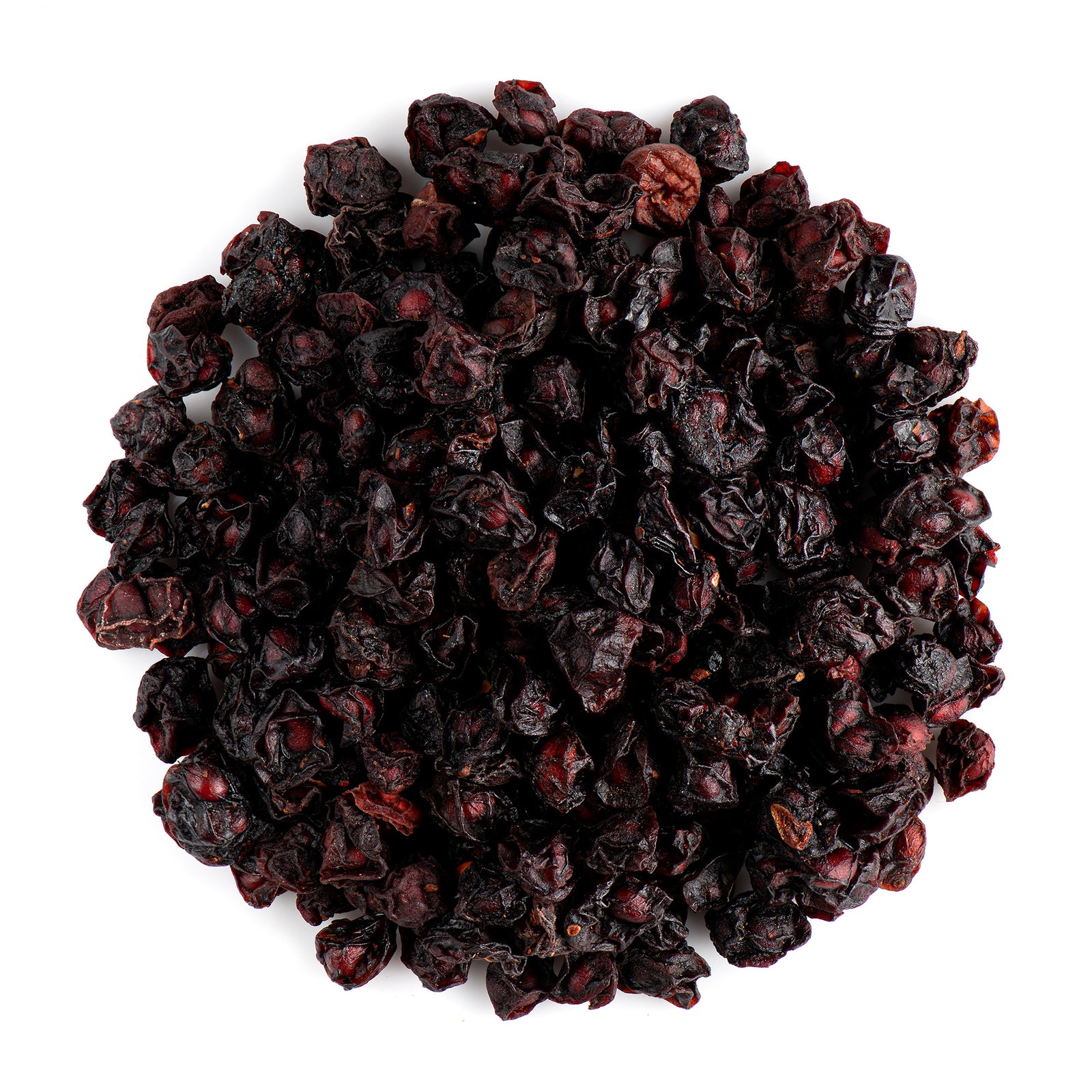
Teas Featured in This Article

Leave a comment
Comments will be approved before showing up.
Also in Valley of Tea Blog | Tea Guides, Origins & Brewing Tips

Rooibos Iced Tea: Caffeine-Free Refresher
Learn to make rooibos iced tea two ways: hot-brewed over ice in 15 minutes, or a smoother overnight cold brew, plus flavour additions and storage tips.

Spice Cabinet Organization: A Practical System That Works
Learn how to organize your spice cabinet with a practical system that keeps every jar findable and fresh. Temperature, layout, and audit tips included.

Maca or Ashwagandha for Your Daily Routine
Choosing between maca or ashwagandha? Learn how each root tastes, when to use them, and the best ways to prepare each in tea or drinks.

Wisdom is the path to better tea.
Get our free brewing guide: the right water, heat and timing for every tea we sell. You will also hear it first when new harvests arrive.
No spam. Unsubscribe any time.
Check your inbox.
The guide is on its way.