












Caffeine in Tea: How Much Is in Your Cup?
Tea and caffeine go together, but the relationship is more nuanced than most people realise. After 15 years of working with teas from across the world, I still get asked the same questions: is green tea low in caffeine? Will white tea keep me awake? Can I have a cup of pu-erh in the evening?
The honest answer is: it depends. Caffeine in tea is not a fixed number you can look up on a chart. It varies based on the cultivar, the growing conditions, how the leaf was processed, and how you brew it. What I can give you is a clear framework for thinking about it, so you can make smarter choices throughout the day.
Average Caffeine by Tea Type
All true teas, meaning those made from Camellia sinensis, contain caffeine. That covers green, white, yellow, oolong, black, and pu-erh. The caffeine levels differ between types, but the ranges overlap significantly. Here are the approximate ranges per 250ml cup:
| Tea Type | Caffeine (mg per cup) | Brew Temp | Steep Time |
|---|---|---|---|
| White tea | 15-45mg | 75-80°C | 2-3 min |
| Green tea | 20-45mg | 70-80°C | 1-2 min |
| Yellow tea | 25-45mg | 75-80°C | 2-3 min |
| Oolong tea | 30-55mg | 85-95°C | 2-4 min |
| Black tea | 40-70mg | 95-100°C | 3-4 min |
| Pu-erh | 30-70mg | 95-100°C | 3-5 min |
| Matcha (1 tsp) | 60-80mg | 70-75°C | Whisked, no steep |
These numbers are useful as a starting point, but treat them as averages rather than absolutes. The same tea brewed at different temperatures, for different lengths of time, or at different leaf-to-water ratios will produce different caffeine levels.
Matcha: A Special Case
Matcha deserves its own mention because the way you drink it is fundamentally different from other teas. With a standard green tea, you steep the leaves and then remove them. You are only extracting a portion of what the leaf contains. With matcha, the whole leaf is ground into a fine powder, and you consume all of it. Nothing gets left in the strainer.
That means you get the full caffeine content of the leaf, not just what diffuses into hot water during a steep. A single teaspoon of matcha typically contains 60-80mg of caffeine, putting it closer to a short espresso than a cup of green tea. High-grade ceremonial matcha can go higher still, depending on how it was grown and shaded.
The sustained energy many people associate with matcha comes from this combination of relatively high caffeine and the presence of L-theanine, an amino acid that moderates how caffeine is absorbed. It produces a calm, focused state rather than a sharp spike followed by a crash.
Why the Ranges Are So Wide
Several factors drive the variation in caffeine levels, and understanding them helps you make better choices:
Leaf position on the plant: Young buds and top leaves are higher in caffeine than older, lower leaves. Silver Needle white tea, made entirely from buds, can be surprisingly high in caffeine despite its delicate character. Older-leaf teas like Shou Mei or some lower-grade greens tend to be lower.
Shade growing: Shade grown teas like matcha and Gyokuro develop more chlorophyll and more L-theanine, but also more caffeine. The shade stresses the plant, which responds by producing more of these compounds.
Cultivar: Different Camellia sinensis cultivars have different caffeine profiles baked into their genetics. An Assam cultivar grown for robust black tea is naturally higher in caffeine than a Yabukita Japanese green tea cultivar.
Brewing parameters: Hotter water and longer steep times extract more caffeine. A black tea steeped for 5 minutes at 100°C will contain significantly more caffeine than the same tea steeped for 2 minutes at 90°C.
Common Myths Debunked
There is a lot of misinformation circulating about caffeine in tea. Three myths in particular are worth addressing directly:
Myth: White tea is always low in caffeine. This is not true. White tea made from young buds, like Silver Needle, can match or exceed some green teas in caffeine content. The bud-heavy leaf set is high in caffeine by nature.
Some white teas are lower, particularly those made with more mature leaves, but you cannot assume white means low caffeine as a rule.
Myth: The first steep removes 80% of the caffeine. This is a popular idea, and I understand the appeal, but the research does not back it up. A short first rinse of 30-45 seconds removes somewhere around 10-15% of the caffeine, not 80%.
If you are seriously trying to reduce your caffeine intake, a quick rinse has some effect but is not the reliable solution many people assume it is.
Myth: More oxidation means more caffeine. Black tea is fully oxidised and oolong is partially oxidised, but oxidation level does not determine caffeine content. Caffeine levels are set by the leaf at harvest. Processing changes the flavour compounds and colour of the tea; it does not significantly alter caffeine.
A black tea may be higher in caffeine than an oolong simply because of where it comes from, how the plant was grown, and which leaves were picked, not because of how heavily it was oxidised.
Tea vs Coffee
A standard cup of filter coffee contains roughly 80-120mg of caffeine, with espresso ranging from 60-80mg per shot. Most teas sit comfortably below these levels, which makes tea a practical option if you want to moderate your total daily caffeine intake without cutting it out entirely.
That said, if you drink several strong cups of black tea throughout the day, the caffeine adds up. Two or three cups of a robust Assam or Yunnan black tea can easily put you in the same range as a couple of coffees. The difference tends to be in the delivery: tea releases caffeine more gradually, particularly when L-theanine is present, which produces a different experience than coffee's sharper hit.
Time of Day and Caffeine
Knowing the approximate caffeine levels by type lets you structure your tea drinking around your day in a practical way.
Morning: This is when higher caffeine teas make the most sense. A black tea, a strong oolong, or a bowl of matcha gives you a meaningful lift. Yunnan black teas like a classic Dian Hong have a smooth, malty character that works particularly well as a morning cup. Matcha is a good morning choice if you want something more intense but without the jolt of espresso.
Afternoon: Mid-range caffeine teas are ideal here. A green tea like Dragonwell or a medium-roasted oolong gives you enough caffeine to stay alert without creating problems later. I usually drink my best greens in the early afternoon, around 14:00-15:00, when the flavour gets full attention and the caffeine is well-timed.
Evening: This is where you want to think carefully. For most people, caffeine consumed after 17:00 or 18:00 can affect sleep quality, even if you do not feel it directly. Rooibos, chamomile, peppermint, lavender, and nettle are all naturally caffeine-free and genuinely good teas in their own right, not consolation prizes.
If you want a true tea in the evening, a very lightly brewed green tea at 70°C for 60 seconds will be much lower in caffeine than the same tea brewed in the standard way, but it still contains some.
Cold Brew and Caffeine
Cold brewing is one of the most effective ways to reduce caffeine in a true tea while keeping the character of the tea intact. Caffeine extraction is significantly lower at cold temperatures. Where a hot-brewed green tea might yield 30-40mg per cup, the same tea cold-brewed for 6-8 hours in cold water typically yields 10-20mg, sometimes less.
The practical method is simple: add your tea to cold or room temperature water, cover it, and leave it in the refrigerator for 6-12 hours. Japanese greens like Sencha or Gyokuro work especially well this way. The cold extraction brings out the sweet, umami qualities while keeping bitterness low and caffeine moderate. It is also a genuinely useful technique in summer when you want iced tea without adding ice to a hot brew and diluting everything.
Cold brewed oolong is also worth trying. Light oolongs, particularly Taiwanese high-mountain styles, develop a floral, clean sweetness in cold water that you do not quite get from hot brewing.
Caffeine Tolerance: Individual Variation
Any honest discussion of caffeine has to acknowledge that people vary enormously in how they respond to it. Some people drink three strong cups of black tea after dinner and sleep perfectly. Others find a single cup of green tea in the afternoon disrupts their sleep.
Genetics, body weight, medication interactions, and habitual caffeine use all play a role. There is no universal threshold to recommend. If you are sensitive to caffeine, the safest approach is to treat the ranges in this guide as relative indicators and pay attention to your own experience.
Cold brew, lower brew temperatures, shorter steep times, and caffeine-free herbal options all give you real tools to work with. The goal is to drink teas you enjoy at times that work for your body, and that looks different for everyone.
Reducing Caffeine in Tea
If you want to keep drinking true tea but reduce your intake, there are a few reliable approaches beyond cold brewing:
Lower the water temperature: Brewing green tea at 70°C instead of 85°C extracts noticeably less caffeine per steep. This also improves the flavour of most greens, which become bitter and harsh at higher temperatures, so it is a win on both fronts.
Shorten the steep time: Going from 3 minutes to 90 seconds reduces extraction across the board, caffeine included. For black teas, this means a lighter brew, but it can still be full-flavoured.
Multiple short steeps: In Gongfu style brewing, you use shorter steep times and re-steep the same leaves 4-6 times. The caffeine is front-loaded in the first steeps, so later infusions are naturally lower.
Use less leaf: Obvious but effective. Halving your leaf amount roughly halves your caffeine.
Caffeine-Free Options
Herbal infusions are the straightforward solution when you want zero caffeine. These are not teas in the botanical sense, they contain no Camellia sinensis, but they are excellent drinks that deserve to be taken seriously on their own terms.
Chamomile is probably the most well-known evening option, with a gentle, apple-like sweetness that works as both a standalone and a blend. Lemon balm is bright and citrusy, and one of the few herbal infusions that works equally well hot or cold.
Rooibos from South Africa has a naturally sweet, slightly earthy character that fills the gap if you want something with body in the evening. Lavender works well in blends and contributes a floral, calming note. Nettle is more interesting than its reputation suggests, with a clean, green flavour and a surprising amount of complexity when brewed well.
The range of caffeine-free options available today is far wider than it was even a decade ago. There is no reason to feel like you are settling when you reach for an herbal infusion in the evening.
Dejar un comentario
Los comentarios se aprobarán antes de mostrarse.
Ver artículo completo
The Complete Guide to Drinking Tea
What tea is, how the main types differ in the cup, and how to brew each one properly. Water temperature, steeping times, storage and how to get more than one cup from your leaves.
Ver artículo completo
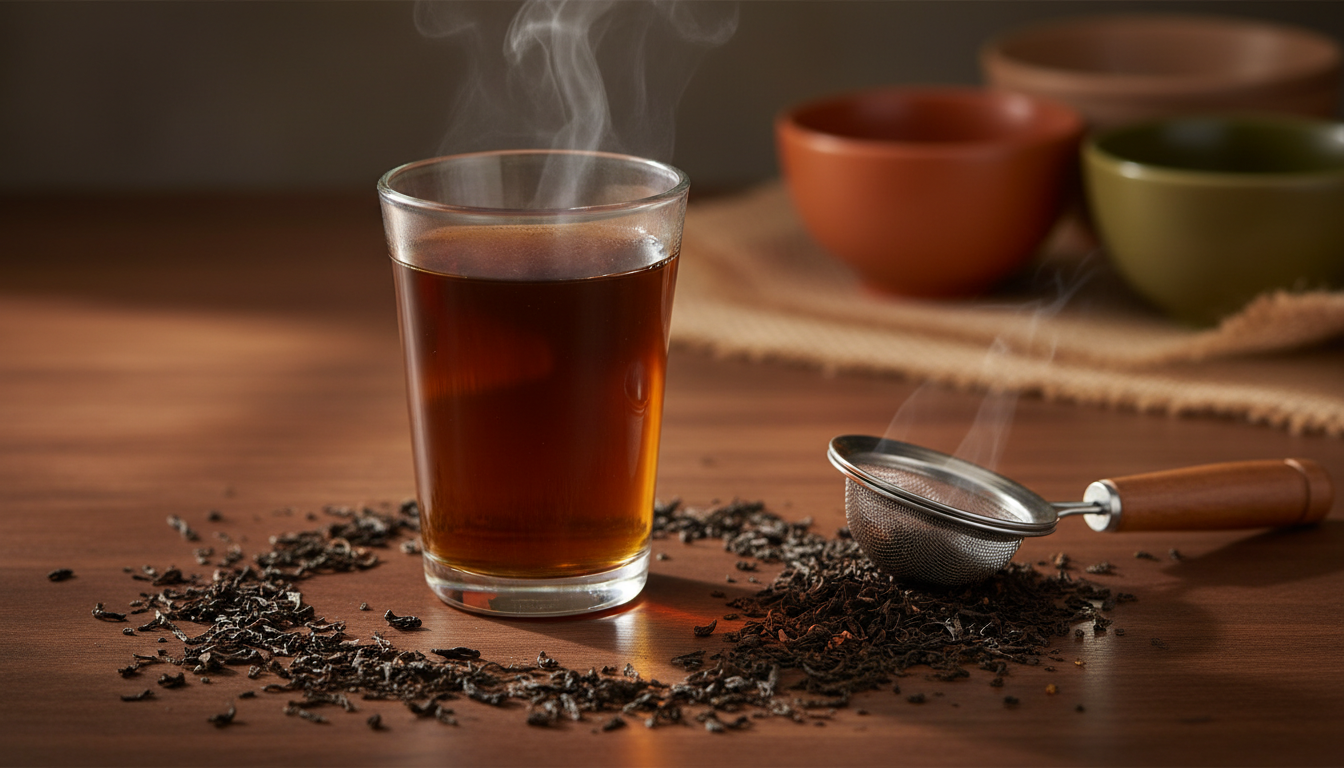

Black Tea: Types, Processing, and How to Brew It
Black tea is fully oxidized Camellia sinensis. Compare Assam, Darjeeling, Keemun, and Ceylon varieties. Learn processing, brewing, and caffeine levels.
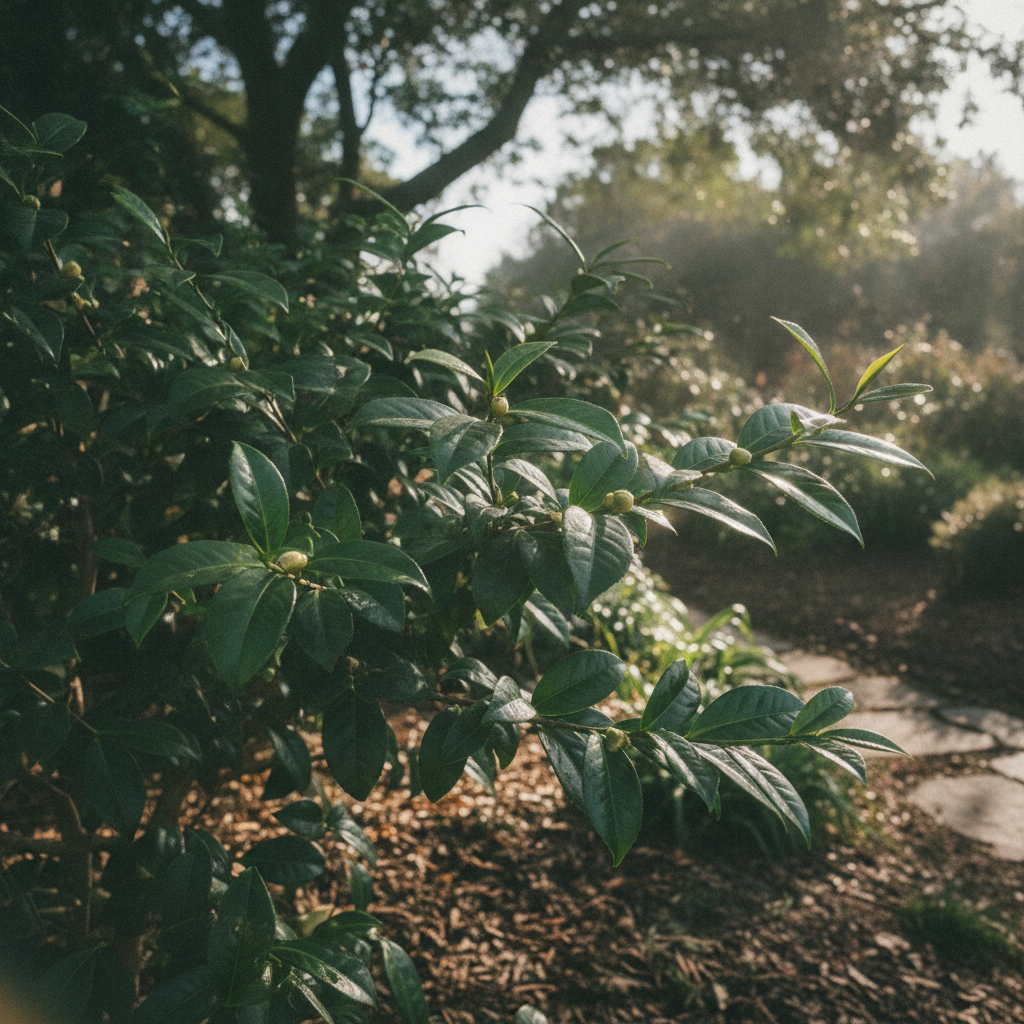

How To Grow Black Tea
Learn how to grow black tea at home: soil, climate, and the five processing steps from fresh leaf to a finished cup of black tea.

La sabiduría es el camino hacia un té mejor.
Reciba nuestra guía gratuita de preparación: el agua, la temperatura y el tiempo de infusión adecuados para cada té que vendemos. Además, será el primero en conocer las nuevas cosechas.
Sin spam. Cancele cuando quiera.
Revise su bandeja de entrada.
La guía está en camino.