













Cold Brew Tea 101: How to Brew the Perfect Refreshing Cup
iced tea. You combine tea and cold water, put it in the fridge, and wait. No kettle, no thermometer, no timer anxiety. The result is a naturally sweet, smooth drink with almost no bitterness — a fundamentally different experience from hot-brewed tea poured over ice.
If you have ever wondered how to cold brew tea, the answer is almost embarrassingly straightforward. But the details matter: which tea you use, how much, how long, and what container all affect the final cup. This guide covers everything you need to make cold brew tea that rivals anything you would buy in a specialty tea shop.

What Is Cold Brew Tea
Cold brew tea is tea steeped in cold or room-temperature water for an extended period, typically 4 to 12 hours. Instead of using heat to force rapid extraction, cold brewing relies on time. Water below 10 degrees Celsius extracts flavor compounds slowly and selectively, pulling out different molecules than hot water does.
The method originated in Japan, where it is called mizudashi. Cold-water steeping has a long tradition in Japanese tea culture, particularly with high-grade Sencha and Gyokuro. The practice has spread worldwide as people discover that cold brewing produces a cleaner, sweeter cup than any other iced tea method.
Cold brew tea is not a compromise or a shortcut. It is a distinct brewing method that highlights aspects of tea leaves that hot water can mask.
Cold Brew Tea vs Iced Tea
These two terms get used interchangeably, but they describe different things that produce different results.
Cold brew tea steeps leaves in cold water from start to finish. The water never gets hot. Extraction happens over hours, not minutes. The result is a smooth, naturally sweet tea with minimal astringency.

Iced tea (in the traditional sense) is brewed hot at double concentration, then poured over ice or chilled. The hot water extracts the full spectrum of flavor compounds quickly — catechins, tannins, volatile aromatics, amino acids — and then the ice dilutes and cools the concentrate. The result is a bolder, more aromatic tea with the same flavor profile as its hot version, just cold.
The practical differences are significant. Hot-brewed iced tea takes 10 minutes. Cold brew takes 4 to 12 hours. Hot-brewed iced tea has more body and tannin bite. Cold brew is softer, rounder, and more forgiving. Hot-brewed iced tea requires precise timing to avoid bitterness. Cold brew is nearly impossible to over-steep.
Neither method is better. They suit different situations. Use hot brew when you want strong, immediate iced tea. Use cold brew when you can plan ahead and want the smoothest possible result.
Why Cold Brew Tea Tastes Different
The flavor difference between cold brew and hot brew is not subtle. Cold brew tea tastes noticeably sweeter, smoother, and less bitter. This is not subjective — it is chemistry.
Reduced tannin extraction. Tannins (specifically catechins and their oxidized derivatives) are the compounds responsible for astringency and bitterness in tea. They dissolve readily in hot water but poorly in cold water. Cold water extracts a fraction of the tannins that hot water does — which is why cold brew tastes noticeably less bitter and loses that dry, puckering mouthfeel. Research published in Food Chemistry confirms that cold-brewed infusions contain significantly lower levels of catechins like EGCG and show markedly reduced astringency compared to hot brews (PMC — Comparative Analysis of Hot and Cold Brews, 2023).

Preserved amino acids. L-theanine and other amino acids that give tea its savory sweetness and umami character dissolve well at any temperature. Cold water extracts them efficiently while leaving behind the bitter compounds that normally compete with them. The ratio of sweet to bitter shifts dramatically in cold brew's favor. Studies by Japan's agricultural research center confirm that the functional health compounds EGC and theanine are more bioavailable in cold-water brews, and that high-temperature extraction of EGCG and caffeine can actually suppress these benefits (JIRCAS — Health Functions of Cold-Water Brewed Green Tea).
Lower caffeine. Cold brew tea contains less caffeine than the same leaves brewed hot — the reduction varies by tea type and steep time, but the effect on flavor is real: less caffeine means less of the bitter edge caffeine contributes.
Muted aromatics. Hot water volatilizes aromatic compounds — the floral, fruity, and grassy notes you smell rising from a hot cup. Cold water keeps more of these compounds in solution rather than releasing them as vapor. Cold brew tea often tastes more of the tea itself and less of its perfume. This can be a benefit or a trade-off depending on the tea.
The net result: cold brew emphasizes sweetness, body, and clean flavor. It strips away harshness. Teas that are mediocre hot — slightly bitter, overly tannic — can become genuinely pleasant when cold brewed.
How to Cold Brew Tea
This is the core method. It works for any tea type with minor adjustments.

What you need:
- Loose leaf tea: 8 to 10 grams per liter of water (roughly 2 to 3 teaspoons, depending on leaf size)
- Cold, filtered water
- A pitcher, bottle, or jar with a lid
- A fine mesh strainer or the built-in filter of your brewing vessel
- Refrigerator space
Steps:
- Measure your tea. Use 8 grams per liter as a starting point. For teas with large, fluffy leaves (white tea, some oolongs), use 10 grams per liter. For dense, tightly rolled teas (gunpowder, pearl jasmine), use 8 grams.
- Add cold water. Use filtered water if your tap water has a strong chlorine taste. The water should be cold — straight from the tap or fridge. Room temperature works too but is slightly less forgiving on steep time.
- Place in the refrigerator. Cover the container. Steep for 4 to 12 hours depending on tea type (see timing chart below). Overnight is the most practical approach for most people — set it up before bed, strain it in the morning.
- Strain. Remove the leaves once steeping is complete. If using a pitcher without a built-in filter, pour through a fine mesh strainer into a clean container. Do not leave the leaves in the water — even cold brew will eventually over-extract if leaves stay in contact with water for days.
- Serve. Drink straight from the fridge. Add ice if you want it colder, but cold brew from the fridge is already at a pleasant drinking temperature. Sweeten if desired, though most cold brews are naturally sweet enough to drink plain.
Room temperature variation: You can cold brew at room temperature (18 to 22 degrees Celsius) for faster results — roughly half the time of fridge brewing. The trade-off is a slightly less clean flavor and the need to refrigerate promptly after straining to prevent bacterial growth. Fridge brewing is safer and more consistent.
Best Teas for Cold Brewing
Not all teas are equal when cold brewed. Some transform into something exceptional. Others lose their defining character.
Green Tea
Green tea is the best category for cold brewing, full stop. The high amino acid content makes cold-brewed green tea intensely sweet and savory. Japanese greens — Sencha, Gyokuro, Kukicha — are particularly outstanding. The umami quality that can be overpowering when brewed hot becomes a pleasant, rounded sweetness in cold brew.

I keep coming back to Kukicha in particular: cold brewed, it has a clean, slightly nutty sweetness that is completely different from the same leaves brewed hot, and it is the tea I reach for most during summer. Chinese greens like Longjing and Bi Luo Chun also work well, producing a lighter, nuttier cold brew.
White Tea
White tea cold brews into something ethereal — delicate, floral, with a honeyed sweetness that hot brewing only hints at. Silver Needle (Bai Hao Yin Zhen) and White Peony (Bai Mu Dan) are both excellent choices. Use a higher leaf ratio (10 to 12 grams per liter) since white tea leaves are light and voluminous. White tea cold brew is subtle, so serve it on its own without fruit or sweetener that would overwhelm it.
Oolong Tea
Tie Guan Yin, Ali Shan, Jin Xuan — lighter oolongs make outstanding cold brews with a creamy, floral character. The partial oxidation gives them more body than green tea while retaining sweetness. High mountain oolongs are worth seeking out specifically for cold brewing: the mineral depth and floral complexity come through beautifully at cold temperatures. Darker, roasted oolongs (Da Hong Pao, heavy-roast Dong Ding) also work but produce a different style: a rich, toasty cold brew with more depth and less sweetness.
Herbal Tea
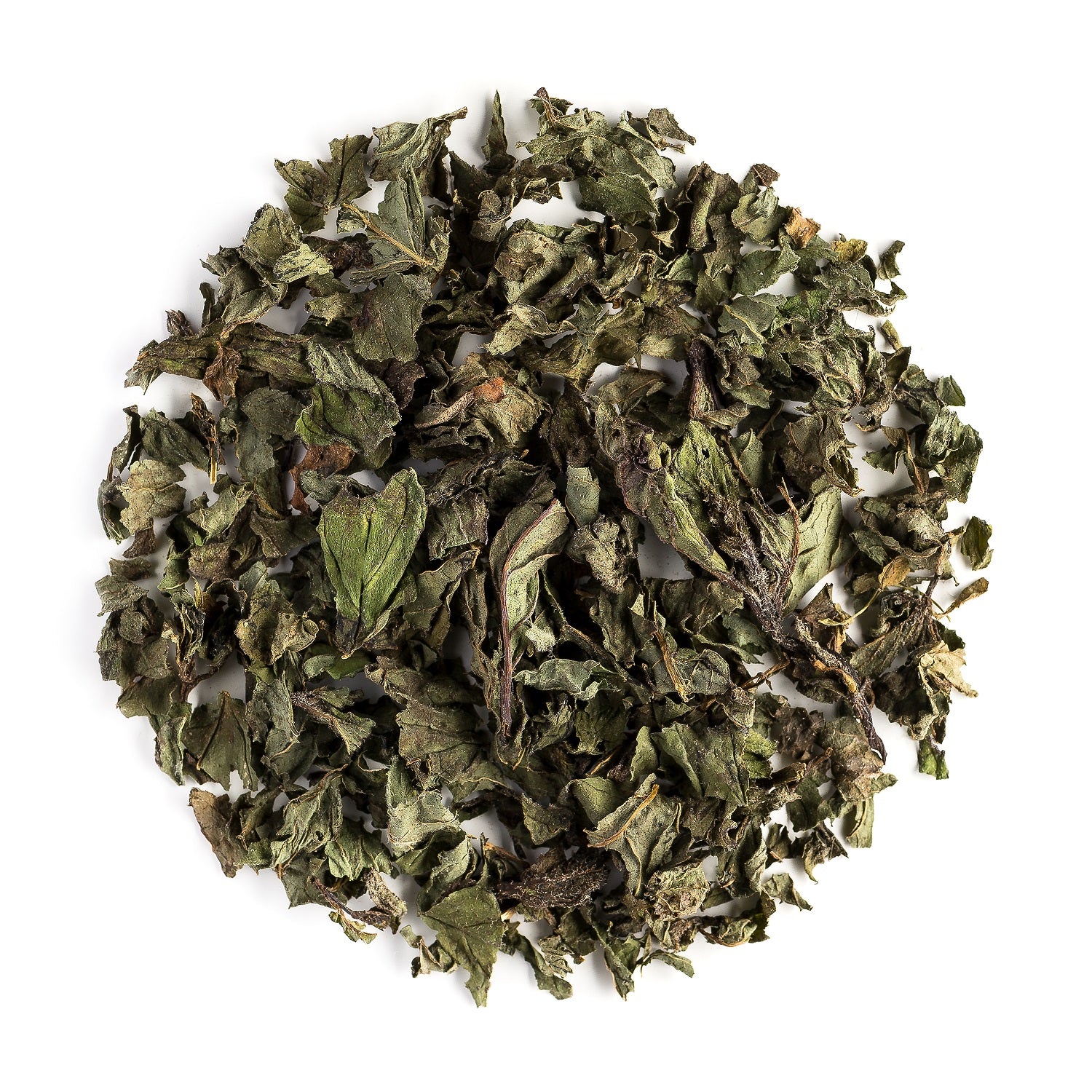
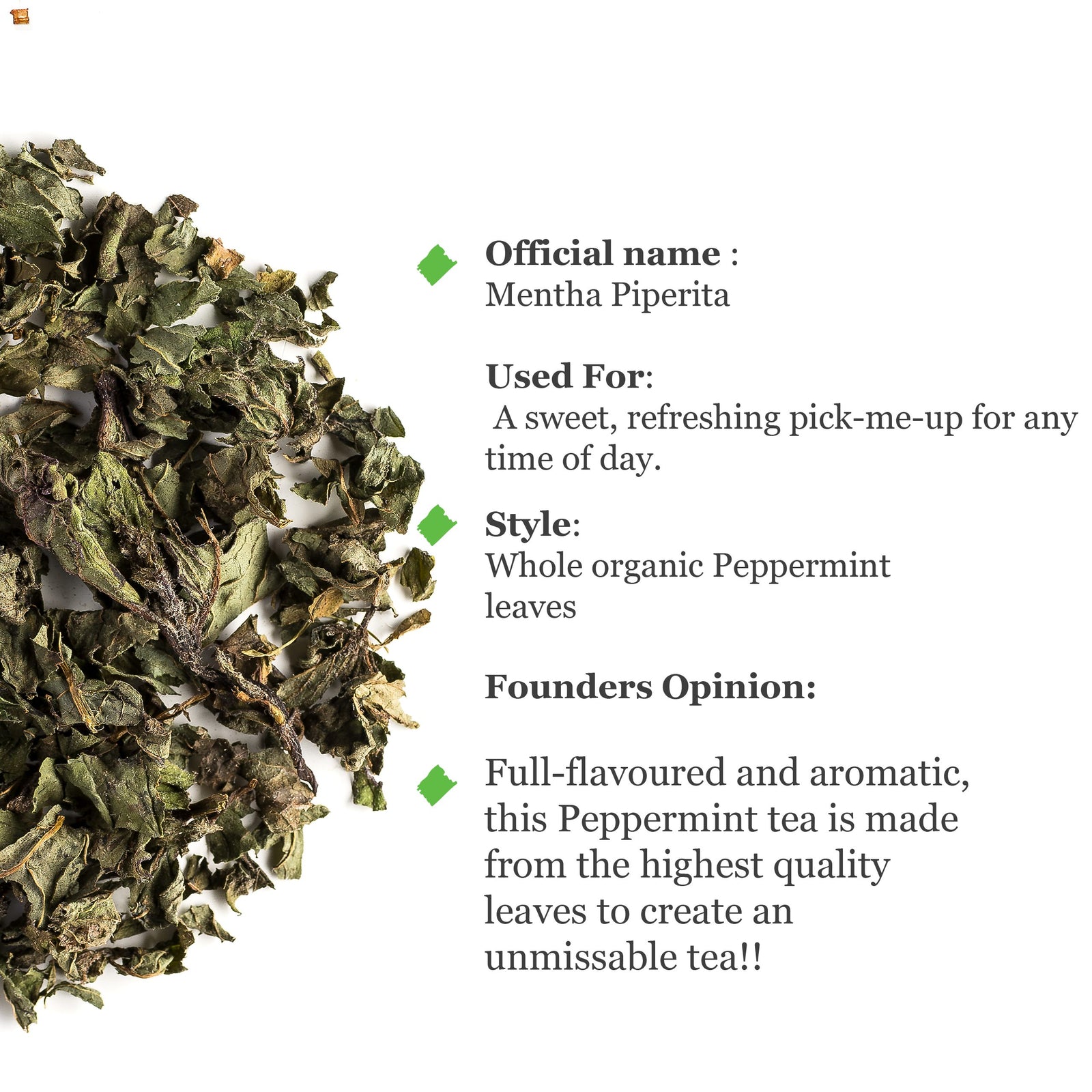
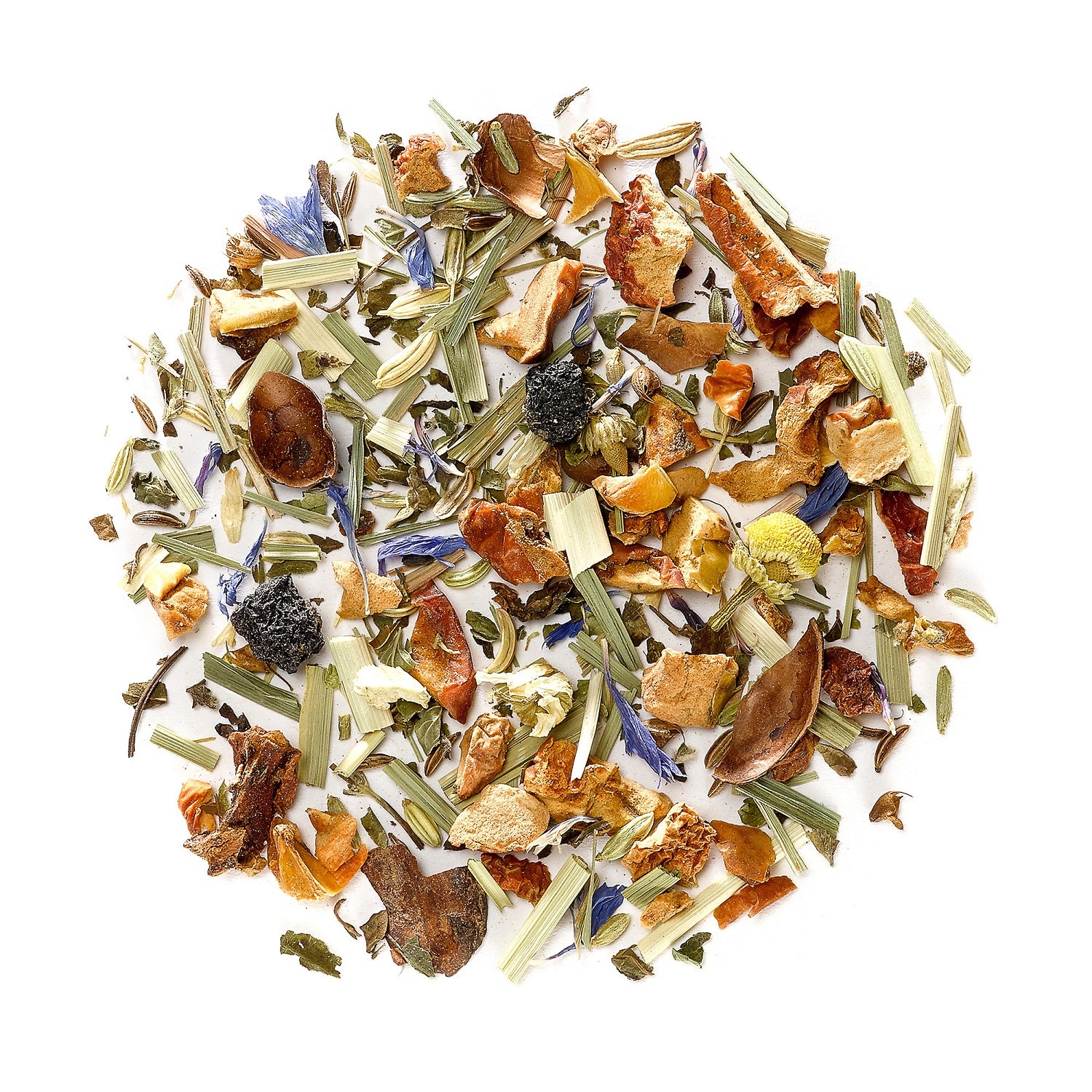
Fruit-based and flower-based herbals cold brew very well. Hibiscus produces a tart, ruby-red cold brew that is outstanding with a touch of honey. Peppermint and spearmint cold brew into a clean, cooling drink. Chamomile cold brew is mellow and floral. Rooibos produces a smooth, naturally sweet cold brew with no caffeine. Avoid herbals with bark or root ingredients (like cinnamon sticks or licorice root) — these need heat to extract properly and produce weak, flat cold brews.
Black Tea
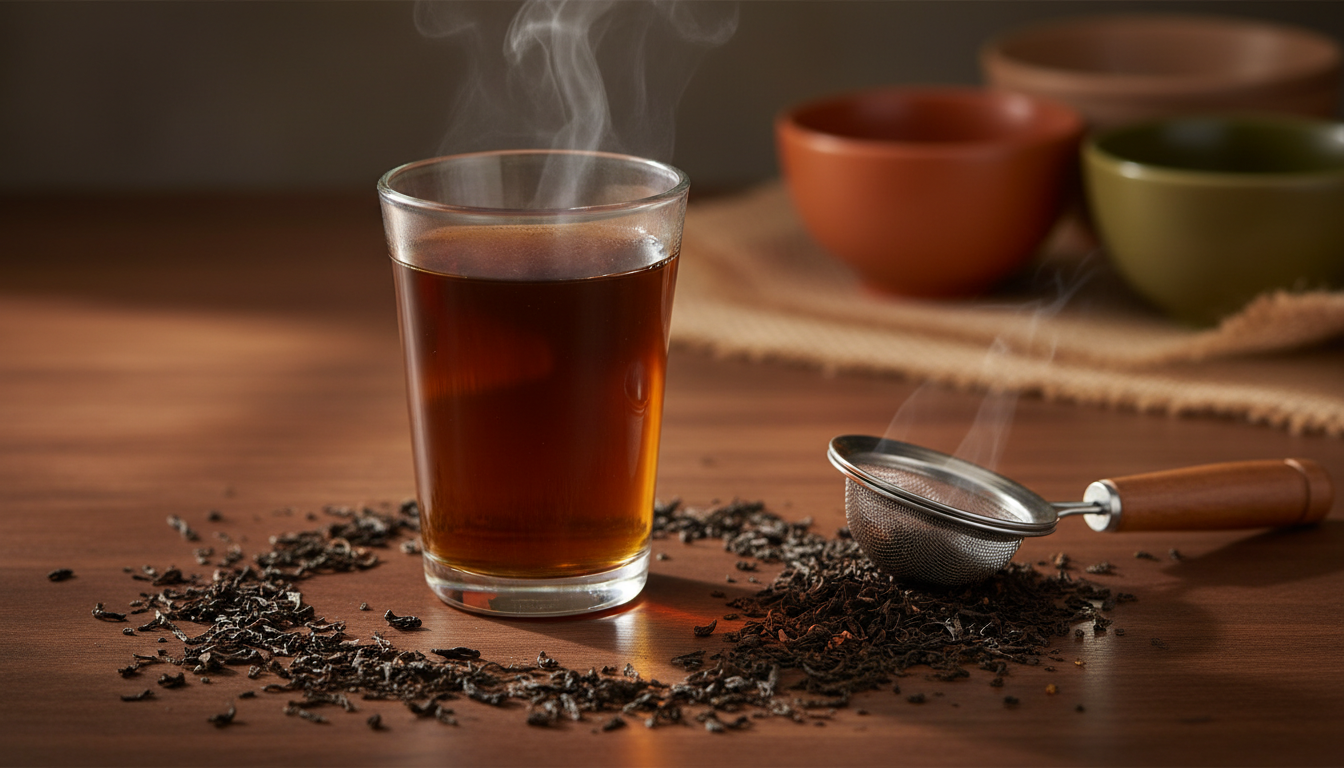
Black tea is the trickiest category for cold brewing. The compounds that give black tea its character — malty richness, briskness, body — are the same ones that require heat to extract fully. Cold-brewed black tea can taste thin and one-dimensional compared to its hot version.

That said, it works if you increase the leaf ratio to 10 grams per liter and extend steeping to 8 to 12 hours. When customers ask me about cold brewing Keemun, I steer most of them toward Japanese greens or lighter oolongs first — those suit the gentler cold extraction much better. Keemun has a very rich chocolate scent and good body, and its fruity notes can come through nicely when cold brewed, but you need patience and a higher leaf ratio to get there.
Assam is full-bodied and malty, and while it can work cold, you tend to lose some of the boldness that makes it worth using in the first place. Ceylon is the safer starting point for anyone new to cold-brewing black tea.
Cold Brew Times by Tea Type
These are starting points. Adjust based on your taste — longer steeping produces stronger tea, shorter steeping produces lighter tea. All times assume refrigerator temperature (3 to 5 degrees Celsius).
| Tea Type | Grams per Liter | Steep Time | Character |
|---|---|---|---|
| Green tea (Japanese) | 8-10 g | 4-6 hours | Sweet, umami, smooth |
| Green tea (Chinese) | 8 g | 6-8 hours | Light, nutty, clean |
| White tea | 10-12 g | 6-8 hours | Delicate, floral, honeyed |
| Light oolong | 8-10 g | 6-8 hours | Creamy, floral, medium body |
| Dark oolong | 8-10 g | 8-10 hours | Toasty, rich, deeper body |
| Black tea | 10 g | 8-12 hours | Malty, smooth, medium body |
| Herbal (flower/fruit) | 10-12 g | 6-8 hours | Varies by ingredients |
| Herbal (rooibos) | 10 g | 8-12 hours | Sweet, woody, smooth |
If you brew at room temperature, reduce these times by roughly 30 to 40 percent.
Equipment for Cold Brew Tea
You do not need specialized equipment. Anything that holds water and fits in your fridge works. That said, some vessels make the process more convenient.

Glass pitcher with built-in filter. The most practical option for regular cold brewing. A 1 to 1.5 liter pitcher with a fine mesh filter insert lets you remove the leaves without straining. Hario makes a well-designed cold brew tea pitcher (the "Filter-in Bottle") that is slim enough to fit in a fridge door.
Mason jar. A wide-mouth mason jar (1 liter or 1.5 liter) is cheap, durable, and works perfectly. Add tea and water, screw on the lid, refrigerate, then strain through a fine mesh strainer when done. The wide mouth makes it easy to add and remove leaves.
Water bottle with filter. Several brands make double-walled bottles with built-in filter baskets designed for cold brew tea on the go. These typically hold 300 to 500 ml — good for personal servings, not for batches.
Standard pitcher. Any pitcher works. You just need a separate strainer for when steeping is done. A fine mesh kitchen strainer or a piece of cheesecloth handles the job.
Avoid aluminum and uncoated copper containers for long cold steeping — some teas can react with these metals over extended contact. Glass, food-grade plastic, stainless steel, or ceramic are all fine.

Cold Brew Tea Recipes
Classic Cold Brew Sencha
The benchmark cold brew. Use 10 grams of Sencha per liter of cold water. Steep 4 to 6 hours in the fridge. Strain. The result is a jade-green, naturally sweet tea that needs nothing added. Serve over ice with a thin slice of lemon if you want brightness.
Hibiscus Mint Cold Brew
Combine 8 grams of dried hibiscus flowers and 4 grams of peppermint leaves per liter of cold water. Steep 6 to 8 hours. Strain. The hibiscus provides tartness and a deep red color; the mint adds cooling freshness. Add a teaspoon of honey per glass if you prefer it less tart.
Oolong Peach Cold Brew
Use 8 grams of Tie Guan Yin oolong per liter. Add one ripe peach, sliced, directly into the pitcher. Steep 6 to 8 hours. Strain out both leaves and fruit. The oolong's natural creaminess pairs with the peach's sweetness for a drink that tastes like it should cost more than it does.
Cold Brew Chai Base
This one bends the rules. Steep 10 grams of a strong black tea (Assam works well) with 4 slices of fresh ginger and 3 cracked cardamom pods per liter. Cold brew 10 to 12 hours. Strain. The ginger and cardamom extract enough in cold water to create a spiced base.
Serve over ice with a splash of milk and sweetener to taste. It will not replicate a hot masala chai, but it is a refreshing warm-weather alternative.

Storing Cold Brew Tea
Cold brew tea keeps well in the refrigerator for 2 to 3 days after straining. Beyond that, flavor degrades — the tea tastes flat, and there is a small risk of bacterial growth.
Key storage rules:
- Always remove the leaves before storing. Tea left on leaves will continue to extract and eventually become bitter, even in cold water.
- Keep it sealed. An airtight container prevents the tea from absorbing fridge odors.
- Do not freeze cold brew tea. Freezing and thawing destroys the delicate flavor compounds. If you want cold brew available on demand, just keep a rotation going — start a new batch every 2 days.
- If the tea develops an off smell, cloudiness that was not present initially, or a sour taste, discard it.
Frequently Asked Questions
Can I cold brew tea bags?
Yes, but the result will be inferior to loose leaf. Tea bags contain smaller, broken leaf particles (fannings and dust) that produce a cloudier, more tannic cold brew. If tea bags are what you have, use 2 bags per 500 ml and steep for the same duration as loose leaf.
Does cold brew tea have caffeine?
Yes, but less than hot-brewed tea. The reduction varies by tea type and steep time — green teas tend to see the largest drop. The effect is real enough that many people who find hot green tea too stimulating in the afternoon have no issue with the same tea cold brewed.
Can I re-steep cold brew leaves?
You can get a second cold brew from the same leaves, but it will be noticeably weaker. If you want to re-steep, add fresh cold water immediately after straining the first batch and steep for 50 percent longer. The second brew works well diluted with sparkling water.

Is it safe to cold brew at room temperature?
For steeping durations under 8 hours, room temperature is fine. For longer steeps, use the refrigerator. Cold water inhibits bacterial growth; room temperature does not. When in doubt, use the fridge.
Why is my cold brew cloudy?
Cloudiness usually means the tea was disturbed during steeping (shaking the container), the leaves are very fine or broken, or the tea contains high levels of polyphenols that precipitate in cold water. It does not affect safety or flavor significantly. If clarity matters to you, use whole leaf tea and avoid agitating the brew.
Can I add fruit during cold brewing?
Yes. Sliced citrus, berries, stone fruit, and cucumber all work well added at the start of cold brewing. Remove the fruit when you strain the tea — fruit left in water for more than 12 hours can ferment.
Conclusion
Cold brew tea rewards patience with simplicity. The method takes 2 minutes of active work and produces tea that is smoother, sweeter, and more forgiving than anything you can make with a kettle. Once you dial in your preferred tea type, ratio, and steep time, it becomes the kind of effortless routine that improves your daily drinking without adding any complexity.
Start with a good Kukicha or Sencha, 8 to 10 grams per liter, and 6 hours in the fridge. Adjust from there. The margin for error is wide, and the results are consistently good. We keep a pitcher going through the warmer months — Japanese greens and high mountain oolongs are the teas that earn a permanent spot in our fridge rotation — and it is the cold drink we reach for first.
Valley of Tea's loose leaf teas are ideal for cold brewing. Whole leaves produce a cleaner extraction, re-steep well for a second batch, and deliver the kind of nuanced flavor that makes cold brew tea worth the wait. Browse our full collection and try your first cold brew tonight.
Dejar un comentario
Los comentarios se aprobarán antes de mostrarse.
Ver artículo completo
The Complete Guide to Drinking Tea
What tea is, how the main types differ in the cup, and how to brew each one properly. Water temperature, steeping times, storage and how to get more than one cup from your leaves.
Ver artículo completo

Black Tea: Types, Processing, and How to Brew It
Black tea is fully oxidized Camellia sinensis. Compare Assam, Darjeeling, Keemun, and Ceylon varieties. Learn processing, brewing, and caffeine levels.

How To Grow Black Tea
Learn how to grow black tea at home: soil, climate, and the five processing steps from fresh leaf to a finished cup of black tea.

La sabiduría es el camino hacia un té mejor.
Reciba nuestra guía gratuita de preparación: el agua, la temperatura y el tiempo de infusión adecuados para cada té que vendemos. Además, será el primero en conocer las nuevas cosechas.
Sin spam. Cancele cuando quiera.
Revise su bandeja de entrada.
La guía está en camino.