












Earl Grey Water Temperature
Why Temperature Changes Everything
Water temperature is the variable most people ignore when making Earl Grey. They boil the kettle, pour immediately, and wonder why the cup tastes harsh. I have tasted thousands of cups over the years, and a 10-degree difference in water temperature produces a completely different drink.
The reason is chemistry. Hotter water extracts tannins faster. Tannins are the compounds responsible for that dry, savoury grip on your tongue. At the same time, hotter water releases the bergamot oil more aggressively, giving you a strong citrus hit upfront that fades quickly. What you gain in intensity you lose in complexity.
Cooler water extracts more slowly, pulling sweetness and body from the black tea base before the tannins catch up. The bergamot develops gradually, staying present through the entire cup rather than hitting you on the first sip and disappearing. The difference is not subtle. It is the difference between a cup you finish quickly and a cup you sit with.
What Temperature Does to Bergamot Oil Specifically
Bergamot oil is more temperature-sensitive than most people realize. It is a volatile aromatic compound, meaning it evaporates readily when exposed to high heat. This is why a cup made with boiling water smells intensely of bergamot while it is hot but loses much of that character as it cools. The oil has already volatilized off.
At lower temperatures, the bergamot oil releases more gradually into the water rather than into the air above the cup. More of it stays dissolved in the liquid where you can actually taste it. The aroma is less aggressive at first, but the flavor in the cup persists much longer.
This is why I recommend brewing at 90 to 95 degrees rather than a full boil: you are preserving the bergamot for the cup, not wasting it as steam. Different temperature ranges also extract different compounds from the bergamot itself. The top notes, the sharp, bright citrus, come off at higher temperatures. The deeper, more floral and slightly spiced mid-notes extract better at moderate heat.
If your Earl Grey always tastes one-dimensional, temperature is likely part of the reason.
The Temperature Range for Earl Grey
I recommend brewing Earl Grey between 90 and 100 degrees Celsius. Within that range, you have room to adjust based on personal preference and the style of Earl Grey you are working with.
At a full rolling boil (100 degrees), you get a strong, assertive cup. The bergamot is bold and immediate. This works well if you plan a shorter steeping time of around three minutes. Any longer at this temperature and bitterness takes over.
At 95 degrees, roughly 30 seconds off the boil, you hit what I consider the best balance for most Earl Grey drinkers. The tea base extracts fully, the bergamot is present without being aggressive, and there is less risk of over-extraction even if you steep a bit long. This is the forgiving range.
At 90 degrees, the cup becomes noticeably softer. This is my preference when I want to taste the tea base itself, the malt and grain notes of the black tea underneath the bergamot. It requires a longer steep of four to five minutes to get enough extraction.
Below 85 degrees and you are under-extracting. The tea will taste thin and the bergamot will not fully open up. Black tea simply needs heat. It is not a delicate green or white tea that you can brew gently.
Temperature for Different Earl Grey Styles
Not all Earl Grey is the same, and the right temperature shifts depending on what you are brewing.
A Ceylon-based Earl Grey is relatively light and bright. It is forgiving at a range of temperatures, but I prefer 90 to 93 degrees to keep the cup clean and let the bergamot sit on a delicate base rather than a heavy one.
An Assam-based Earl Grey has more body and malt. It needs more heat to extract properly. 95 degrees is the minimum here. At 90 degrees the malt does not fully develop and the cup can taste thin despite the heavy leaf.
A Darjeeling-based Earl Grey, which is less common but worth knowing about, is the most temperature-sensitive. Darjeeling has floral and muscatel notes that are easily destroyed by excess heat. 85 to 90 degrees is the better range.
The bergamot and the Darjeeling character work together well at lower temperatures. A blended base, which is what most commercial Earl Grey uses, sits comfortably in the 90 to 95 degree range that covers most situations.
The Altitude Factor
This is a detail most brewing guides skip entirely. Water boils at lower temperatures at higher altitudes. At sea level, water boils at 100 degrees Celsius. At 1,000 metres elevation, the boiling point drops to around 96 degrees. At 2,000 metres, it is closer to 92 degrees.
If you live in a mountain city or a high-altitude region, your kettle's boiling point is already lower than what someone at sea level experiences. The practical implication: you may need to shorten your cooling time, or even brew at a full rolling boil, to get the same extraction that someone at sea level gets at 95 degrees.
For most people this is irrelevant. If you live in a coastal or low-altitude city, ignore it. But if you have ever noticed that tea behaves differently when traveling, this is often why.
Getting the Temperature Right Without a Thermometer
A variable-temperature kettle makes this easy, but most people do not have one. Here is what I do when making tea quickly without measuring equipment.
Boil the kettle and wait. After 30 seconds with the lid off, you are at roughly 95 degrees. After a full minute, closer to 90. After two minutes, you have dropped too low for our Earl Grey. Black tea needs heat to extract properly and two minutes of cooling goes too far.
Another approach: pour the boiling water into your empty cup or pot first, let it sit for 30 seconds, then add the tea. The vessel absorbs some heat, bringing the temperature down naturally. This is also why pre-warming matters: a cold vessel can drop your brewing temperature by 5 to 10 degrees on contact, which changes the extraction significantly.
If you brew Earl Grey regularly and want precision, a variable-temperature kettle is worth the small investment. Set it to 93 or 95 degrees and you eliminate one variable entirely. Consistency is what separates a reliably good cup from an unpredictable one.
Kettle Types and What They Mean for Your Brew
A standard kettle boils water and that is it. You control temperature by timing how long you wait after it reaches a boil. It works, but it requires attention each time.
A variable-temperature kettle lets you set a target temperature. These are widely available now at reasonable prices. For tea drinking in general, not just Earl Grey, it is a useful upgrade to your setup.
Gooseneck kettles, with their narrow curved spout, give you better control over pour speed and direction. For Earl Grey this matters less than for pour-over coffee or for brewing in a small gongfu vessel, but if you already own one, use it. The slow, controlled pour distributes heat more evenly through the leaves.
Electric stovetop kettles without temperature control are the hardest to work with precisely. The best approach there is a thermometer, at least until you calibrate your timing by feel.
Quick Reference
- 100 degrees: strong, bold cup. Keep steep time short (3 min max)
- 95 degrees: balanced and forgiving. The starting point for most people
- 90 degrees: softer, tea-forward. Needs a longer steep (4 to 5 min)
- Below 85 degrees: too cool for black tea, under-extracted result
- Bergamot volatilizes at high heat: lower temperature keeps more flavor in the cup
- Higher altitude means lower boiling point: adjust accordingly
- Variable-temperature kettle removes the guesswork entirely
Temperature and time are two sides of the same coin. Adjust one and you need to adjust the other. Once you find your combination, stick with it. Consistency is what separates a good cup from a great one.
Related Reading
Dejar un comentario
Los comentarios se aprobarán antes de mostrarse.
Ver artículo completo
The Complete Guide to Drinking Tea
What tea is, how the main types differ in the cup, and how to brew each one properly. Water temperature, steeping times, storage and how to get more than one cup from your leaves.
Ver artículo completo
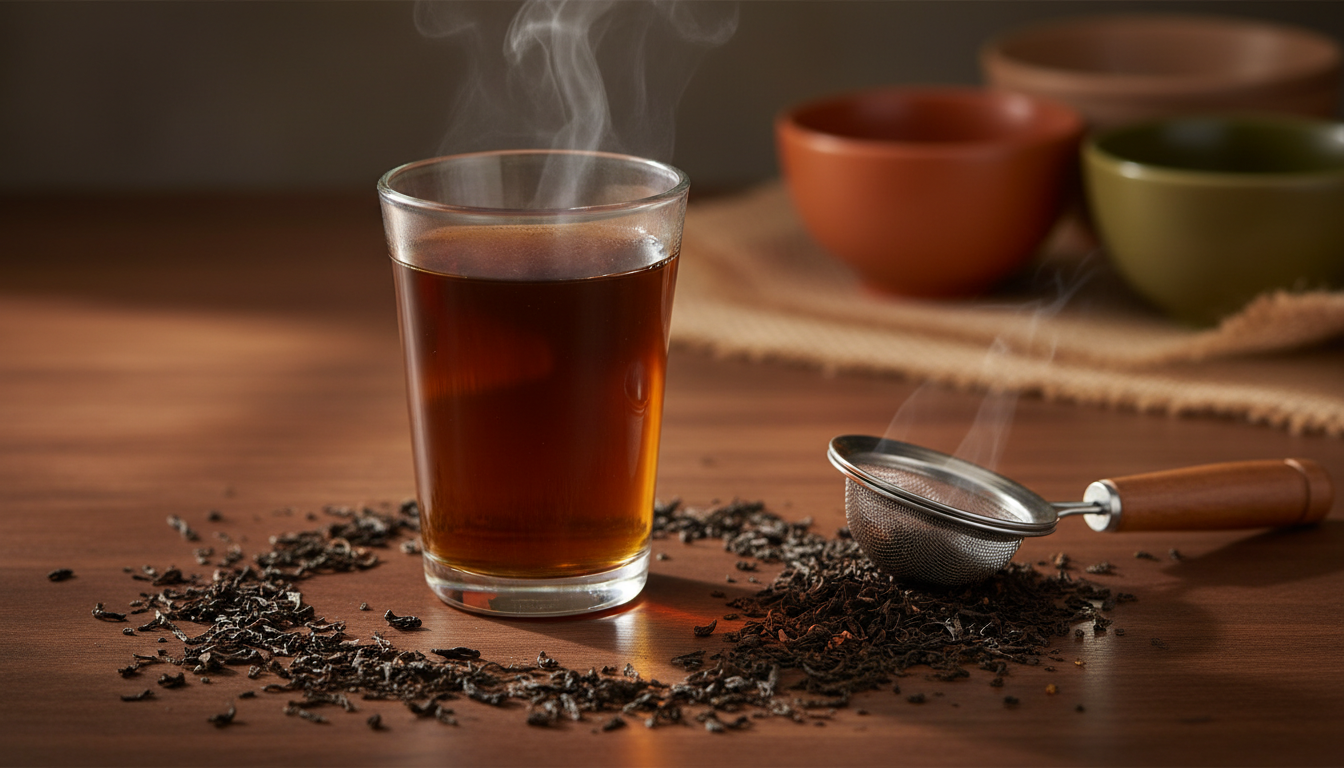

Black Tea: Types, Processing, and How to Brew It
Black tea is fully oxidized Camellia sinensis. Compare Assam, Darjeeling, Keemun, and Ceylon varieties. Learn processing, brewing, and caffeine levels.
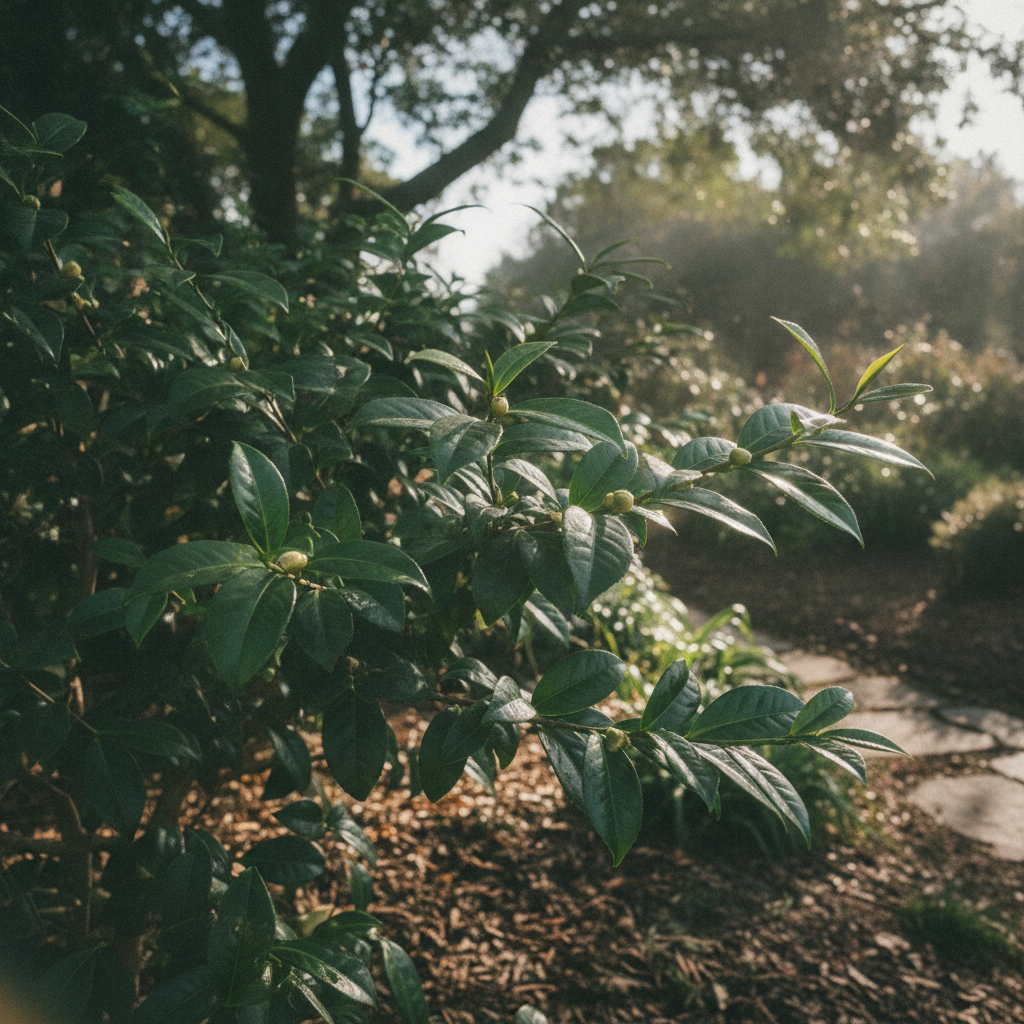

How To Grow Black Tea
Learn how to grow black tea at home: soil, climate, and the five processing steps from fresh leaf to a finished cup of black tea.

La sabiduría es el camino hacia un té mejor.
Reciba nuestra guía gratuita de preparación: el agua, la temperatura y el tiempo de infusión adecuados para cada té que vendemos. Además, será el primero en conocer las nuevas cosechas.
Sin spam. Cancele cuando quiera.
Revise su bandeja de entrada.
La guía está en camino.