












Red Raspberry Leaf Tea: A Complete Guide
Red raspberry leaf tea is one of the oldest herbal infusions in the Western tradition, and one of the most frequently discussed among expectant mothers. Made from the dried leaves of Rubus idaeus — the common red raspberry plant — it has been part of European and North American folk herbalism for centuries. It is not a fruit tea. It does not taste like raspberries. And its traditional reputation has almost nothing to do with flavour and everything to do with a long history of use by midwives and herbalists.

I have been sourcing and tasting teas and herbal infusions for over 15 years. Red raspberry leaf is one of those ingredients where the gap between popular perception and reality is unusually wide. Most people expect it to taste like raspberries. It does not.
Most people assume it is a modern wellness trend. It is not — written references go back to at least the 1500s. We stock it at Valley of Tea, and by far the most common questions we receive about it are from people who are pregnant or planning to be. This guide covers what red raspberry leaf tea actually is, what it tastes like, how to brew it properly, its historical context, and how to buy quality leaf.
A clear note before going further: this article discusses traditional and historical uses of red raspberry leaf tea. It is not medical advice. Red raspberry leaf tea is widely used during pregnancy, but if you are pregnant, nursing, or considering any herbal tea for health-related purposes, please consult your doctor or midwife before use. This is not a formality — it is genuinely important.
What Is Red Raspberry Leaf Tea
Red raspberry leaf tea is an herbal infusion — a tisane — made by steeping the dried leaves of Rubus idaeus in hot water. The plant belongs to the Rosaceae family, the same botanical family as roses, strawberries, and apples. Like other herbal teas such as chamomile, peppermint, and rooibos, it contains no Camellia sinensis and is therefore not a "true tea" in the strict botanical sense. It is naturally caffeine-free.
The red raspberry plant is native to Europe and parts of northern Asia. It has been cultivated since at least the medieval period, primarily for its fruit, but the leaves were collected and dried for infusions independently of the berry harvest. The leaves are compound, with five to seven toothed leaflets on each stem, and the underside of each leaflet has a distinctive silvery-white appearance from fine hairs.
Red raspberry leaf contains a range of naturally occurring compounds, including tannins, flavonoids (particularly quercetin and kaempferol), and minerals such as iron, calcium, and manganese. The tannin content is responsible for its mildly astringent character and is what gives the brewed tea a profile more similar to a light black tea than to most herbal infusions. The plant also contains fragarine, an alkaloid specific to Rubus species, which has been the subject of interest in traditional herbal practice.
What Red Raspberry Leaf Tea Tastes Like

This is where most first-time drinkers are surprised. Red raspberry leaf tea tastes nothing like raspberries. There is no berry flavour, no sweetness, no fruity aroma. If you are expecting a cup that resembles raspberry fruit tea or raspberry-flavoured anything, adjust those expectations entirely.
The actual flavour profile is mild, slightly earthy, and gently tannic. The closest comparison from the true tea world is a light black tea — think a mild Ceylon or a second-flush Darjeeling at reduced strength. There is a faint mineral quality, a clean dryness on the palate from the tannins, and a subtle green-herbaceous undertone that fades quickly. The body is medium-light, sitting somewhere between green tea and a robust herbal like rooibos.
The aroma is understated: a little grassy, a little woody, with none of the floral intensity you would find in chamomile or lavender. It is, in a word, neutral. And this neutrality is actually one of its strengths — it makes red raspberry leaf one of the most versatile herbal bases for blending, as it does not compete with stronger flavours.
Brewed correctly, there is no bitterness. Over-steeped, the tannins can become more pronounced and leave a drying sensation, similar to over-brewed black tea. But within normal brewing parameters, it is a smooth, easy-drinking cup that most people find pleasant if unremarkable on its own.
How to Brew Red Raspberry Leaf Tea

Red raspberry leaf is forgiving to brew. It does not require the precision of green tea or the careful temperature control of white tea. The tannin content means you do want to pay some attention to steep time, but the overall process is straightforward.
Water Temperature
Use freshly boiled water at 100 degrees Celsius. Unlike more delicate herbal ingredients such as lavender, red raspberry leaf handles full boiling temperature without becoming harsh. The robust leaf structure needs that heat to release its full range of compounds.
Amount
Use 1 to 2 tablespoons of dried loose leaf per 250 ml of water. Red raspberry leaves are light and voluminous compared to tea-bag cuts, so by volume you need more than you might expect. By weight, aim for 2 to 3 grams per cup. Start with 1 tablespoon if you prefer a milder cup.
Steep Time
Steep for 5 to 8 minutes. At 5 minutes, the flavour is light and clean with minimal astringency. At 8 minutes, the cup is fuller-bodied with more tannin structure and a richer colour. Beyond 10 minutes, the tannins can become drying, though some people who enjoy strong builders' tea actually prefer this intensity.
Cover the cup or pot while steeping. This is less critical for aroma retention (red raspberry leaf is not particularly aromatic) and more about maintaining water temperature for consistent extraction.
Iced Red Raspberry Leaf Tea
This leaf cold-brews well. Add 2 tablespoons of dried leaf to 500 ml of cold water, refrigerate for 8 to 12 hours, and strain. The result is clean and mild, with even less tannin bite than the hot version. It makes a good base for iced herbal blends — add some dried hibiscus or a squeeze of lemon for colour and brightness.
Traditional Uses in Pregnancy: Historical Context

Red raspberry leaf tea's association with pregnancy and childbirth is its most well-known traditional attribute, and it is also the area that requires the most careful framing. In our experience selling it, pregnancy questions account for the majority of customer enquiries — by a significant margin. Most people buying raspberry leaf are not buying it for its flavour.
Historical Background
The use of red raspberry leaf during pregnancy has roots in European and Native American folk herbalism. European midwives and herbalists referenced raspberry leaf preparations in texts dating to at least the 16th century. In several Indigenous North American traditions, raspberry leaf was among the plants prepared for women during pregnancy and postpartum recovery. These uses were passed down orally and through apprenticeship long before they were documented in written herbals.
By the 18th and 19th centuries, red raspberry leaf appeared regularly in Western herbal materia medica. It was traditionally prepared as a simple infusion — dried leaves steeped in hot water — and was one of the most commonly recommended herbal teas in midwifery practice. Its reputation persisted through the 20th century and remains a frequent topic of discussion in herbal and midwifery communities today.
5 Traditional Uses Attributed to Red Raspberry Leaf
The following are traditional uses documented in historical herbal literature. They reflect folk and traditional practice, not clinically proven medical claims. A 2021 systematic review published in BMC Complementary Medicine and Therapies (PMC) found that while raspberry leaf has demonstrated biophysical effects on smooth muscle including the uterus, the human evidence base remains limited and further research is needed. Always consult a qualified healthcare provider before using any herbal product during pregnancy.
1. Uterine toning. Traditional herbalists described red raspberry leaf as a "uterine tonic," meaning they believed it supported the muscles of the uterus. This is the most commonly cited traditional use and the one most frequently referenced in historical midwifery texts.
2. Preparation for labour. In traditional practice, red raspberry leaf tea was often recommended in the later stages of pregnancy. Midwives historically suggested it as a preparatory measure, typically beginning in the third trimester. The specifics varied by tradition and practitioner.
3. Nutritional support. Because raspberry leaf contains minerals including iron, calcium, and manganese, traditional herbalists valued it as a nourishing infusion. In eras when dietary variety was limited, mineral-rich herbal teas were a practical part of daily nutrition.
4. Digestive comfort. Traditional herbalists also used raspberry leaf tea for mild digestive support, noting its gentle tannin content. Tannin-containing teas have a long history of traditional use for settling the stomach across many herbal traditions worldwide.
5. Postpartum recovery. In addition to its prenatal reputation, raspberry leaf tea was traditionally given to women after birth. Herbalists described it as supportive during the postpartum period, and it was often included alongside other nourishing herbs in recovery preparations.
Important Disclaimer
The traditional uses described above are historical in nature. They do not constitute medical advice or health claims. Scientific research on red raspberry leaf tea is limited, and results have been mixed. A 2023 review in Nutrients (PMC) notes that whilst the history of raspberry leaf ingestion in pregnancy is long, available research does not yet contribute strongly to the evidence base regarding mechanism of action, efficacy, or possible side effects.
We sell red raspberry leaf and we field pregnancy-related questions about it regularly. Our answer is always the same: consult your doctor or midwife before use. Not because we doubt traditional use, but because individual pregnancies differ and a healthcare provider is the only person positioned to give you relevant guidance. Do not use red raspberry leaf tea as a substitute for professional medical care.
Red Raspberry Leaf Tea vs Raspberry Fruit Tea
This is a distinction worth making clearly, because the two products are entirely different and frequently confused.
Red raspberry leaf tea is made from dried Rubus idaeus leaves. It is caffeine-free, mildly tannic, earthy in flavour, and has no berry taste whatsoever. It is the product discussed throughout this guide.
Raspberry fruit tea is typically a blended herbal tea that uses dried raspberry pieces, raspberry flavouring, hibiscus, rosehip, and sometimes apple pieces to create a sweet, tart, fruity infusion. It may or may not contain any actual Rubus idaeus material. Many commercial raspberry fruit teas are primarily hibiscus and rosehip with raspberry flavour added.
The two share a name but little else. If you are specifically looking for red raspberry leaf tea — whether for its traditional reputation, its mild tannic profile, or its blending versatility — check the ingredients list carefully. "Raspberry tea" on a label almost always means a fruit blend. You want a product that explicitly states "raspberry leaf" or "Rubus idaeus leaf" as the primary or sole ingredient.
Blending with Red Raspberry Leaf
Red raspberry leaf's neutral, mildly tannic character makes it an excellent blending base. It adds body and a tea-like structure without competing with more assertive flavours. Here are combinations that work well.
With peppermint. A classic pairing. The peppermint provides aroma and brightness, while the raspberry leaf adds body. Use a ratio of roughly 2 parts raspberry leaf to 1 part peppermint.
With nettle leaf. Another traditional combination, particularly in folk herbalism. Both are mild, mineral-rich leaves that produce a "green" and earthy cup. Equal parts work well.
With lemon balm. Lemon balm adds a gentle citrus note and a calming dimension. The raspberry leaf grounds the blend and prevents it from becoming too light. Try 2 parts raspberry leaf to 1 part lemon balm.
With hibiscus and rosehip. If you do want some fruity tartness alongside the leaf, adding hibiscus and rosehip to a raspberry leaf base creates a vivid, vitamin-C-rich blend with more depth than a straight fruit tea. Use raspberry leaf as the majority ingredient and add hibiscus and rosehip at about 20–30% of the total volume.
With chamomile. A mellow evening blend. Our German chamomile provides its characteristic apple-floral sweetness, while the raspberry leaf adds tannin structure. Equal parts or a slight majority of raspberry leaf.
Buying Quality Red Raspberry Leaf Tea

Not all red raspberry leaf tea is created equal. Here is what to look for.
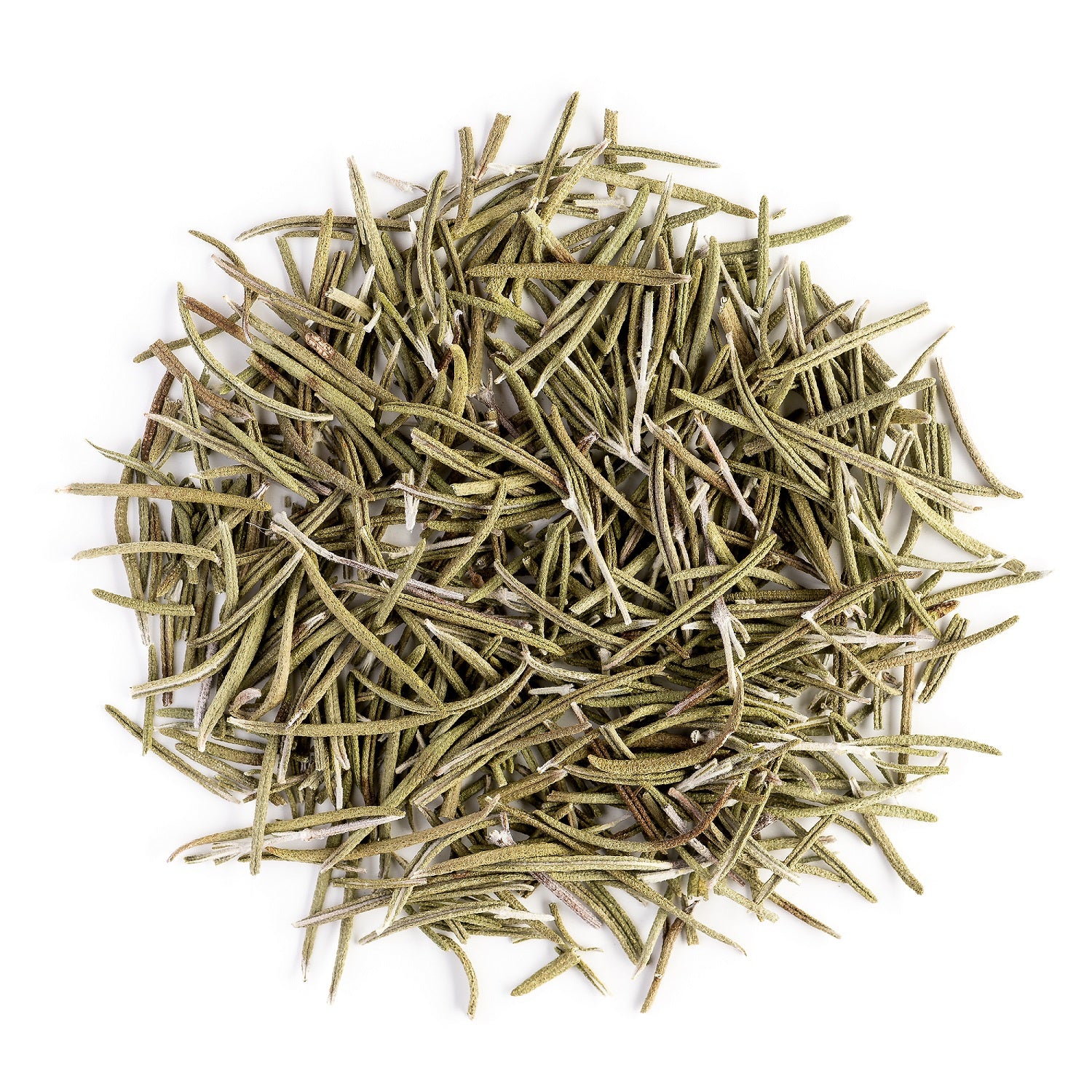
Whole or large-cut leaf. Quality raspberry leaf should be sold as whole dried leaves or a coarse cut. Fine dust or tea-bag grade material brews cloudier, tastes more astringent, and lacks the clean flavour of properly processed leaf. Loose leaf is almost always superior to pre-bagged versions.
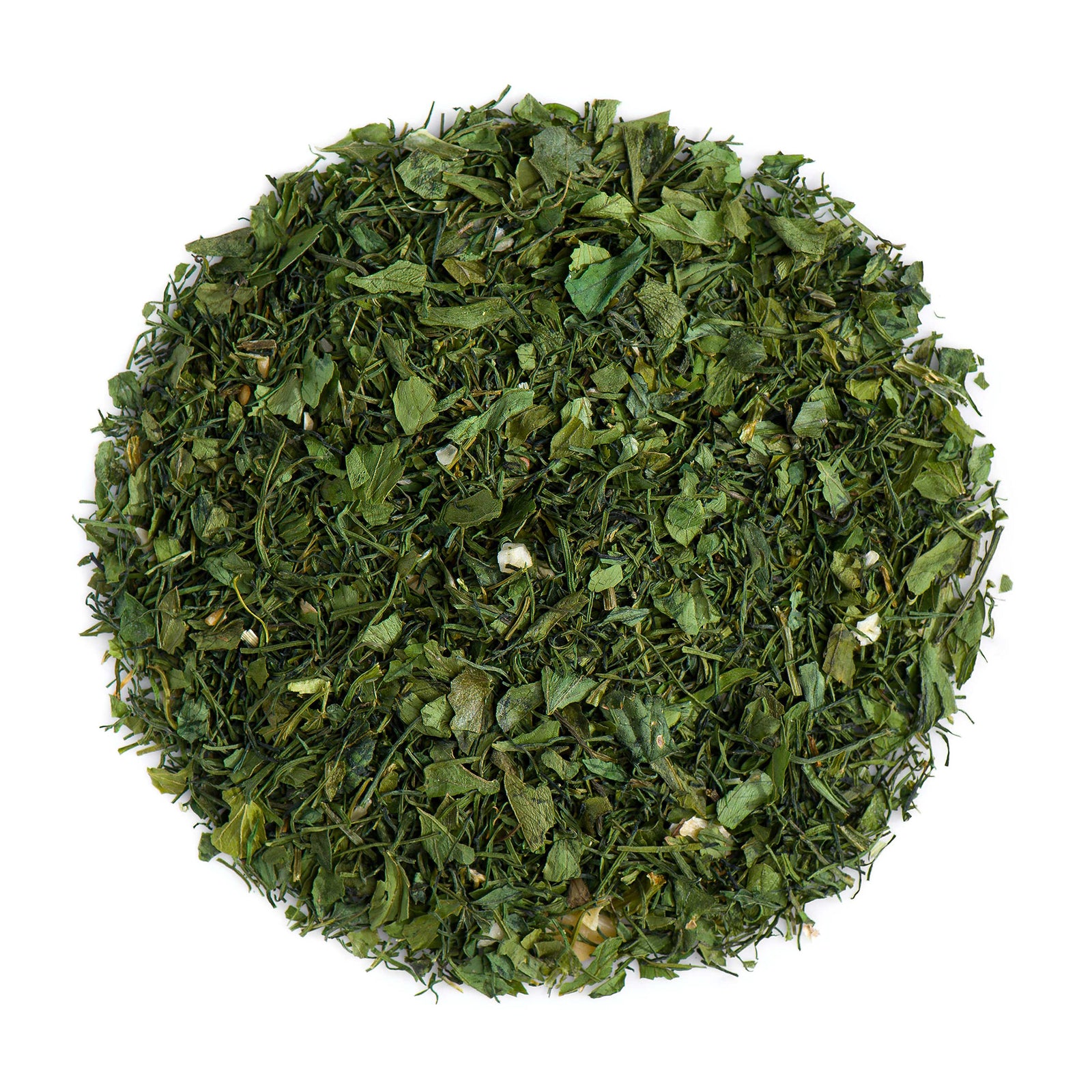
Colour. Dried red raspberry leaf should be a muted green on one side and silvery-grey on the other (from the fine hairs on the leaf underside). If the leaf is uniformly brown, it has been over-dried or is old stock. If it is bright green, it may have been dried too quickly at high heat, which can affect flavour.
Aroma. Fresh dried raspberry leaf has a mild, grassy, slightly hay-like scent. It should not smell musty, stale, or like nothing at all. An absence of aroma usually indicates age.
Organic certification. Because raspberry plants can be sprayed, and because you are steeping the leaf directly in hot water, organic sourcing matters here. Look for certified organic product from a reputable supplier.
Origin. European-sourced raspberry leaf — particularly from eastern European countries like Poland, Bulgaria, and Albania — is widely available and generally of good quality. These regions have established wild-harvesting and cultivation traditions for Rubus idaeus leaf.
Storage. Once purchased, store red raspberry leaf in an airtight container away from light, heat, and moisture. It keeps well for 12 to 18 months under proper conditions. After that, it gradually loses what little aroma and flavour it has.
Final Thoughts
Red raspberry leaf tea occupies a unique position in the herbal tea world. It is not flashy. It does not have the visual drama of hibiscus, the aromatic punch of peppermint, or the exotic reputation of matcha. What it has is a long, well-documented history of traditional use, a mild and approachable flavour profile that works on its own or as a blending base, and a loyal following among people who value substance over novelty.
If you are trying it for the first time, approach it on its own terms. Brew a cup, note the clean tannic profile, and appreciate it for what it is rather than what its name might suggest. And if you are pregnant or considering it for any traditional use related to pregnancy, have that conversation with your doctor or midwife first. It is the most common question we get about this tea, and our answer has not changed in 15 years: no herbal tea replaces professional medical guidance.
Dejar un comentario
Los comentarios se aprobarán antes de mostrarse.
Ver artículo completo
The Complete Guide to Drinking Tea
What tea is, how the main types differ in the cup, and how to brew each one properly. Water temperature, steeping times, storage and how to get more than one cup from your leaves.
Ver artículo completo

Black Tea: Types, Processing, and How to Brew It
Black tea is fully oxidized Camellia sinensis. Compare Assam, Darjeeling, Keemun, and Ceylon varieties. Learn processing, brewing, and caffeine levels.

How To Grow Black Tea
Learn how to grow black tea at home: soil, climate, and the five processing steps from fresh leaf to a finished cup of black tea.

La sabiduría es el camino hacia un té mejor.
Reciba nuestra guía gratuita de preparación: el agua, la temperatura y el tiempo de infusión adecuados para cada té que vendemos. Además, será el primero en conocer las nuevas cosechas.
Sin spam. Cancele cuando quiera.
Revise su bandeja de entrada.
La guía está en camino.