













What Is White Tea? A Beginner's Guide
White tea is the least processed tea in the world. The leaves — young buds and sometimes the first one or two leaves — are picked, withered in the air, and dried. No rolling, no deliberate oxidation, no firing in a wok or oven. This minimal handling preserves the leaf's natural character and produces a tea that is subtle, naturally sweet, and unlike anything else in the tea world.
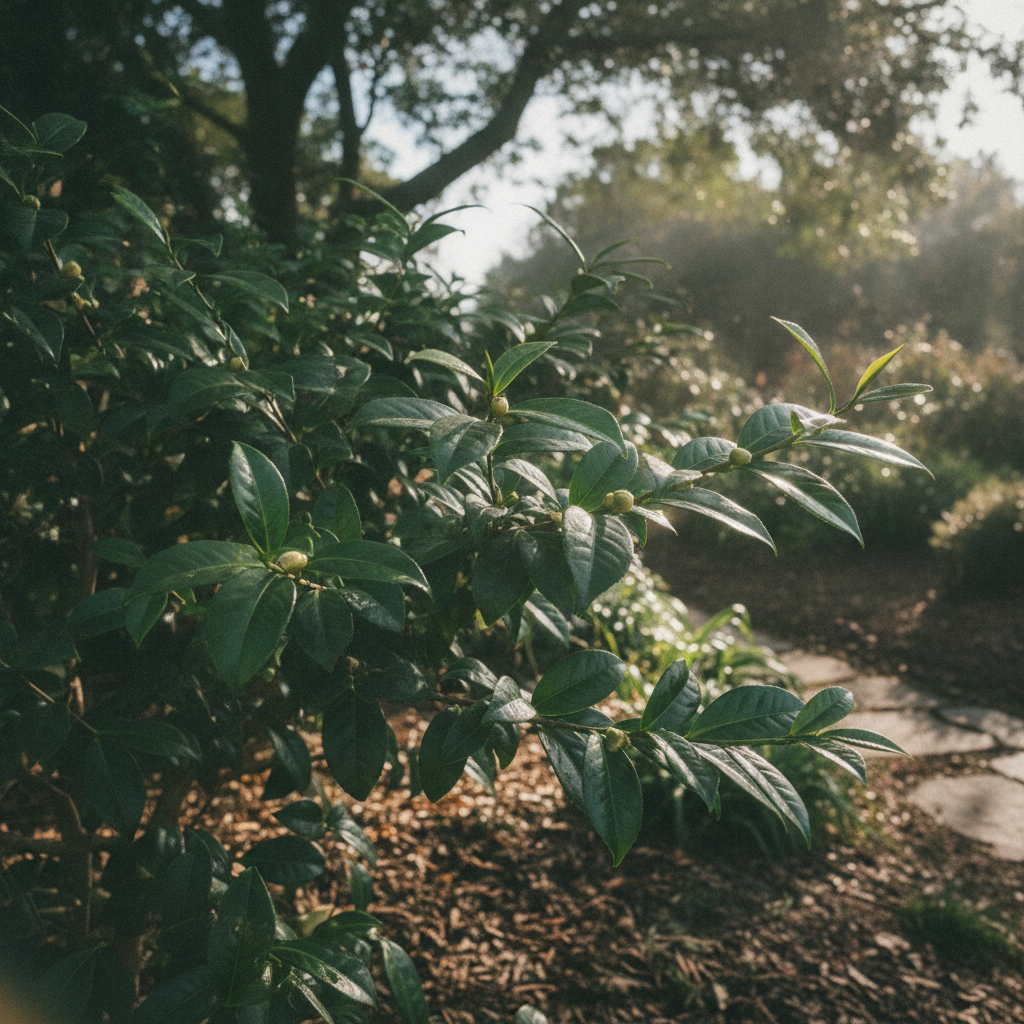
The name comes from the fine silvery-white down that covers the unopened buds of the tea plant — visible clearly on premium grades like Silver Needle. White tea originates from Fujian province in southeastern China, where it has been produced for centuries. Today, Yunnan, India, Sri Lanka, and other regions also produce white tea, though Fujian remains the benchmark.

How White Tea Is Made
White tea production has the fewest steps of any tea category. The process is deceptively simple — and extraordinarily difficult to do well.
Plucking. The highest grades use only the unopened bud (Silver Needle). White Peony uses the bud plus the top two leaves. Shou Mei uses older, larger leaves. Plucking typically happens in early spring when the buds are plump and covered in white down.
Withering. The freshly picked leaves are spread on bamboo racks or mesh screens and left to wither — losing moisture gradually over 24–72 hours. Traditional withering happens outdoors in the shade, then indoors. Modern production uses climate-controlled rooms. This slow drying allows minimal, natural oxidation to occur — not enough to turn the tea green or black, but enough to develop white tea's characteristic sweetness.
Drying. Once the moisture content drops to around 5%, the leaves are gently dried — sometimes in the sun, sometimes in a low-temperature oven. And that is it.

No rolling breaks the cell walls. No high-heat firing halts enzymatic activity. No roasting adds toasty notes. The tea is essentially the leaf in its most natural dried state.
The difficulty lies in the withering step. Too fast and the tea tastes thin and grassy. Too slow and it over-oxidises, turning dark and losing its delicate character. Humidity, temperature, and airflow must be managed carefully — often by feel and experience rather than instruments.
Types of White Tea
Silver Needle (Bai Hao Yin Zhen)
The premium grade, made exclusively from unopened spring buds. Each bud is covered in fine silvery-white fuzz, giving the tea its name. Silver Needle brews a pale, near-colourless liquor with an aroma of honeydew melon and fresh hay.
The flavour is subtle — gentle sweetness, a hint of cucumber or melon, and a soft, silky body. There is no bitterness or astringency when brewed correctly.

Silver Needle from Fuding (eastern Fujian) tends to be lighter and more floral. Silver Needle from Zhenghe (central Fujian) is slightly fuller-bodied with more depth. Both are excellent — the difference is nuance rather than quality.
This is the most expensive white tea because the yield is low. Only the bud is picked, and the harvest window in early spring is narrow.
White Peony (Bai Mu Dan)
Uses the bud plus the top one or two leaves. The leaves add body, colour, and flavour complexity that Silver Needle lacks. The cup is slightly amber rather than colourless, with notes of peach, dried apricot, light honey, and a hint of hay. White Peony offers the best balance of delicacy and substance in the white tea category — and better value than Silver Needle.
Shou Mei (Longevity Eyebrow)
Made from older, larger leaves with fewer buds. Shou Mei has more body, darker colour, and bolder flavour than Silver Needle or White Peony. Notes of dried fruit, autumn leaves, and mild earthiness.

It sits at the boundary between white tea and light oolong in character. Shou Mei is the most affordable white tea and ages exceptionally well — developing depth and sweetness over 3–10+ years.
Yunnan White Tea
Yunnan province produces white tea from large-leaf assamica variety plants (the same used for pu-erh). Yunnan whites are fuller-bodied than Fujian versions, with honey, malt, and sometimes a faintly woody character. Moonlight White (Yue Guang Bai) is a popular Yunnan style — partially dried in moonlight, producing a two-toned leaf (dark on one side, silver on the other) with sweet, floral, and slightly fruity notes.
White Tea Flavour Profile
White tea sits at the delicate end of the tea spectrum. If black tea is a bold statement, white tea is a whisper — but one with surprising depth when you pay attention.
Aroma. Fresh hay, honeydew melon, wildflowers, and a clean sweetness. Higher grades (Silver Needle) are more floral. Lower grades (Shou Mei) lean toward dried fruit and autumn leaves.

Taste. Naturally sweet without any added sugar. The sweetness comes from amino acids (particularly L-theanine) concentrated in the young buds. Light body — almost watery to someone used to black tea, but the texture is silky rather than thin.
Minimal astringency. No bitterness when brewed at the right temperature.
Finish. Long and clean. A good Silver Needle leaves a lingering sweetness in the mouth for minutes after the last sip. This "returning sweetness" (hui gan) is a quality marker in Chinese tea evaluation.
Aged white tea develops an entirely different profile. After 3–5+ years, the tea darkens and gains notes of dried date, honey, mild earthiness, and a smoother, rounder body. Aged white tea is a growing category — some enthusiasts age it deliberately, as with aged pu-erh.

How to Brew White Tea
White tea is forgiving but rewards attention to temperature. The biggest mistake is using boiling water — it scorches the delicate buds and produces a flat, bitter cup.
Water temperature: 80–85°C. Well below boiling. If you do not have a temperature-controlled kettle, let boiled water sit for 3–4 minutes before pouring.
Leaf quantity: 3–5 grams per 200 ml. White tea buds are bulky and light — you need more by volume than you would for denser teas like black or oolong. A heaping tablespoon of Silver Needle weighs only about 2–3 grams.
Steep time: 3–5 minutes for the first infusion. White tea handles longer steeping better than green tea because it has lower tannin content. Quality white tea yields 3–5 infusions — increase steep time by 1–2 minutes each round.

Gongfu style: Use 5–7 grams per 100 ml in a gaiwan. Steep for 20–30 seconds, increasing gradually. Silver Needle brewed gongfu reveals subtle differences across steeps that Western brewing compresses into one cup.
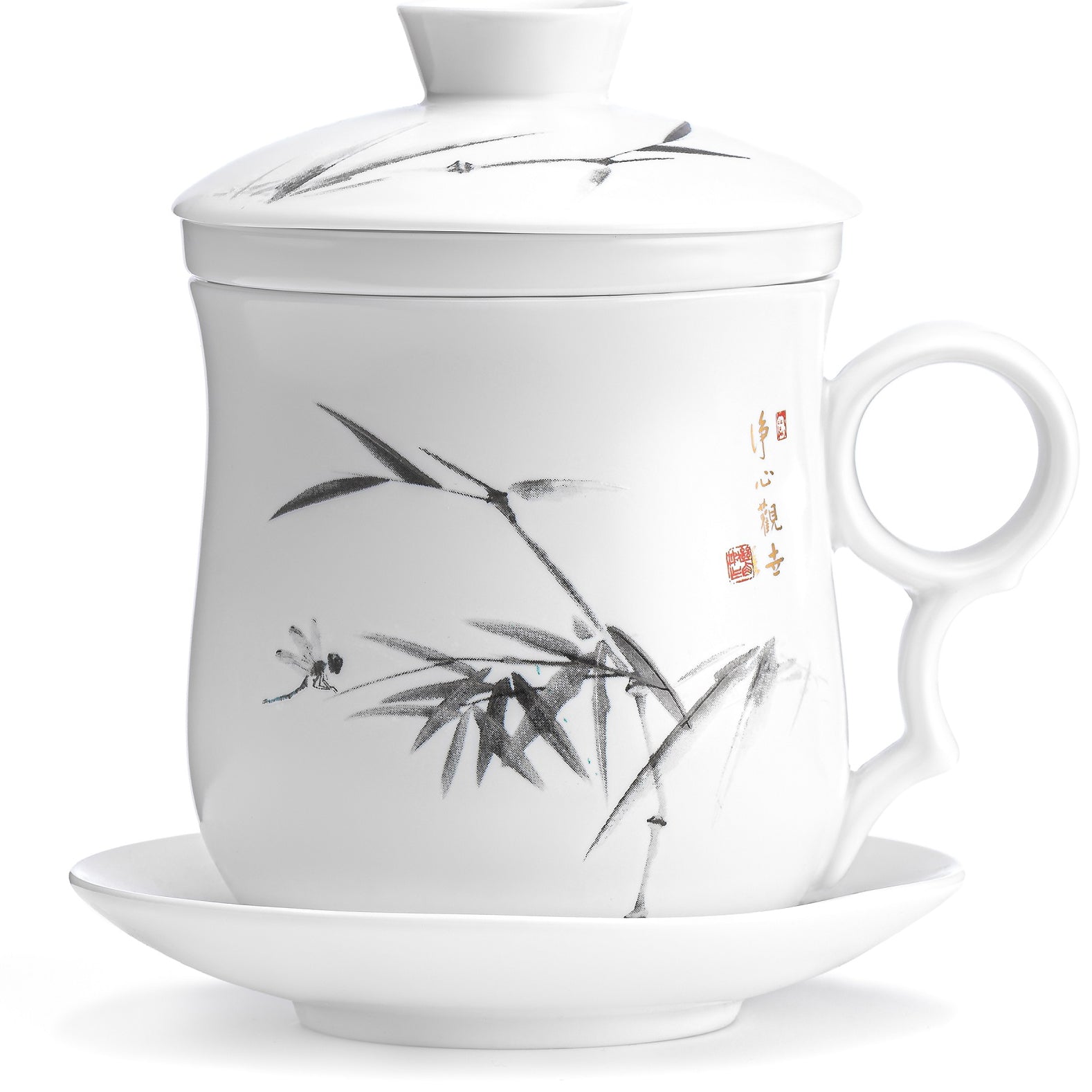
Vessel: Glass is ideal — you can watch the buds float and drift in the water, which is genuinely beautiful with Silver Needle. A gaiwan or white ceramic cup also works well.
White Tea Caffeine and Aging

Caffeine Content
White tea is often marketed as low-caffeine, but this is misleading. Silver Needle — made entirely from buds — actually contains more caffeine per gram than many black teas, because buds are the most metabolically active part of the plant. However, the lower brewing temperature and shorter steep times used for white tea extract less caffeine into the cup. The practical result: a cup of white tea typically delivers 15–30 mg of caffeine — lower than black tea (40–70 mg) and green tea (20–45 mg) as typically brewed. A 2023 review published in Food Science & Nutrition confirms that white tea's bioactive profile — including its methylxanthines and polyphenols — is significantly influenced by processing and brewing conditions.
Aging White Tea
White tea is one of the few tea types that ages well. The Chinese saying goes: "One year tea, three years medicine, seven years treasure." While we make no health claims, the flavour evolution is real.

Fresh white tea is light and floral. At 3 years, it develops more body and dried fruit notes. At 7+ years, it becomes smooth, honeyed, and complex — almost a different tea. Shou Mei and White Peony age better than Silver Needle because their larger leaf structure supports longer transformation.
Store aging white tea in a breathable container (paper or cotton bag inside a cardboard box) in a cool, dry place. Unlike pu-erh, white tea does not need humidity — keep it dry. Avoid sealed, airtight containers for long-term aging, as the tea needs minimal air exchange to transform.
Buying Quality White Tea

Look for intact buds. Silver Needle should be plump, uniform, and covered in visible white down. Broken or bare buds indicate rough handling or lower quality. White Peony should show a clear mix of buds and leaves — no stems or yellow leaves.
Aroma test. Quality white tea smells clean, sweet, and gently floral when dry. Stale white tea smells flat or papery. Aged white tea develops a deeper, date-like aroma — dull or musty smell indicates poor storage, not proper aging.
Origin matters. Fujian (Fuding and Zhenghe) remains the gold standard for white tea. Yunnan produces excellent but different white teas — fuller-bodied and maltier. Indian and Sri Lankan white teas exist but are generally simpler in character. Knowing the origin helps set expectations.
Price reflects quality. Silver Needle is expensive because the yield is low and the harvest window is narrow. White Peony offers the best value-to-quality ratio in the category. Shou Mei is the most affordable and the best candidate for aging. Research published by PMC (2024) shows that white tea's polyphenol content — and therefore its antioxidant potential — varies meaningfully by grade and origin.
Discover White Tea
White tea rewards a different kind of attention than bold teas like Assam or Ti Kuan Yin. It asks you to slow down, pay attention to subtlety, and notice the sweetness that lingers after each sip. For drinkers coming from coffee or strong black tea, white tea can initially seem too light — but give it three sessions and your palate adjusts. What seemed faint at first reveals layers you were not hearing over the noise of bolder drinks.
Start with a White Peony — it has enough body to be accessible while retaining white tea's characteristic elegance. Brew it in a glass cup at 80°C. Watch the buds float. Taste the sweetness.
And if you are curious about what time does to tea, set aside a cake of Shou Mei and check it in a year.
Dejar un comentario
Los comentarios se aprobarán antes de mostrarse.
Ver artículo completo
The Complete Guide to Drinking Tea
What tea is, how the main types differ in the cup, and how to brew each one properly. Water temperature, steeping times, storage and how to get more than one cup from your leaves.
Ver artículo completo
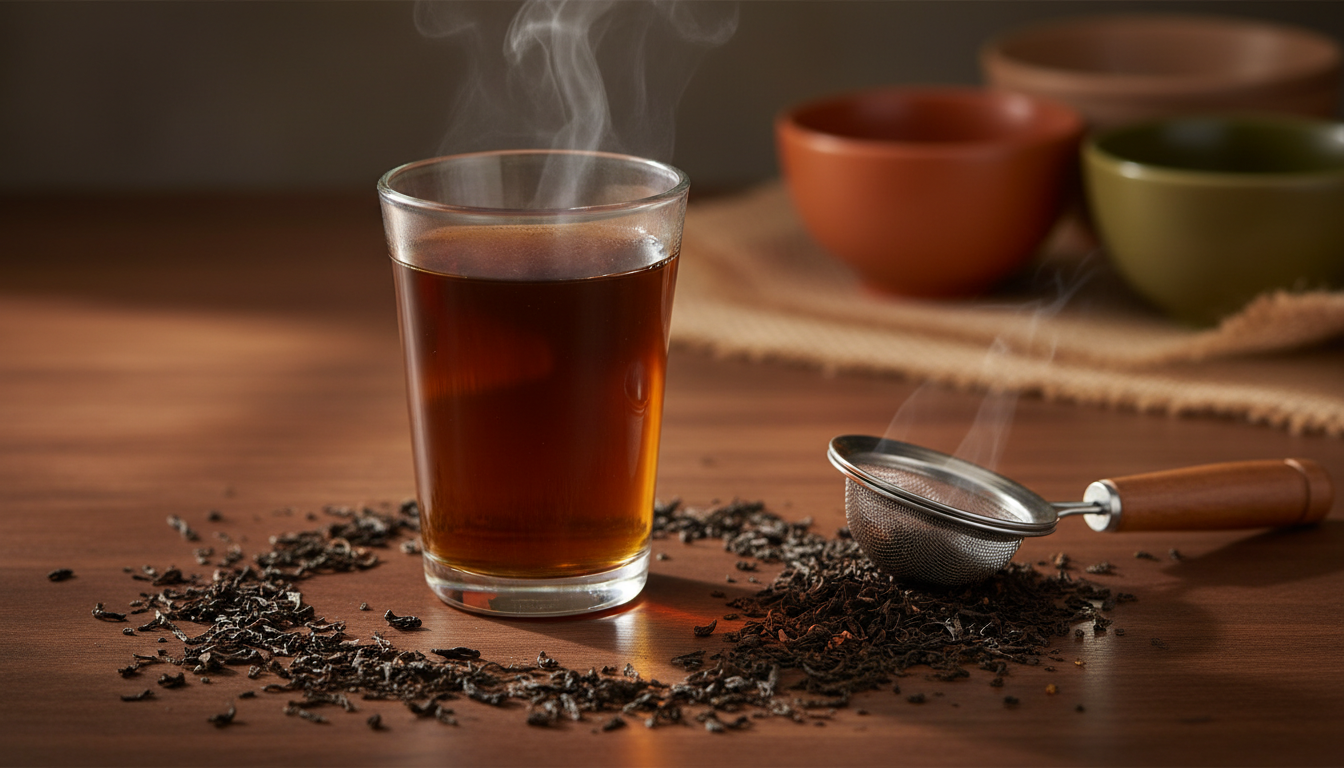

Black Tea: Types, Processing, and How to Brew It
Black tea is fully oxidized Camellia sinensis. Compare Assam, Darjeeling, Keemun, and Ceylon varieties. Learn processing, brewing, and caffeine levels.

How To Grow Black Tea
Learn how to grow black tea at home: soil, climate, and the five processing steps from fresh leaf to a finished cup of black tea.

La sabiduría es el camino hacia un té mejor.
Reciba nuestra guía gratuita de preparación: el agua, la temperatura y el tiempo de infusión adecuados para cada té que vendemos. Además, será el primero en conocer las nuevas cosechas.
Sin spam. Cancele cuando quiera.
Revise su bandeja de entrada.
La guía está en camino.