












Nettle Tea: An Earthy Herbal Staple
Nettle tea is one of those herbals that people often overlook, partly because the plant has a reputation as a weed and partly because the name does not suggest anything particularly inviting. That is a shame, because dried nettle makes a genuinely interesting cup, and it has been part of European herbal tradition for a long time. I have been drinking it for years and I keep coming back to it, especially in spring when the season makes it feel particularly fitting.
Harvesting and Seasonality
Stinging nettle, Urtica dioica, grows almost everywhere in temperate Europe and Asia. Walk along any ditch, riverbank, or neglected field margin from March onward and you will find it. The spring harvest is the one that matters most for tea. Young leaves picked before the plant flowers have a milder, greener flavour. Once nettle flowers and sets seed, the leaves become coarser and slightly more bitter in the cup.
Wild nettle picked in early spring, roughly March to May depending on your latitude, is the harvest most often preferred for tea. Commercial growers harvest it during this window too, so if you are buying dried nettle rather than picking your own, check whether the producer notes a spring harvest. It is not always labelled clearly, but the better suppliers make a point of it.
The sting, of course, disappears entirely with drying or any form of heat. The stinging compounds in fresh nettle are held in tiny hollow hairs on the leaf surface, and these are destroyed within seconds of contact with hot water or during the drying process. You can handle dried nettle with bare hands without any issue at all. If you are ever tempted to try fresh nettle, blanching it briefly in boiling water neutralises the sting just as effectively.
Cultivated nettle, grown under controlled conditions, is more consistent in flavour and less likely to carry road dust or agricultural runoff. Wild harvested has a slight edge in flavour character for many people, but both make a good cup. What matters most is that the dried herb is properly dried, stored well, and not too old.
What Nettle Tea Tastes Like
The flavour is grassy and green, slightly earthy, with a mild savouriness that keeps it interesting over a full cup. It does not taste medicinal. It does not taste like a lawn either, despite what the description might suggest. The best way I can put it: think of the flavour of fresh peas or young spinach, but dried and concentrated, with a gentle mineral quality underneath.
Brewed at the right temperature and time, nettle is smooth with very little bitterness. Over-steep it and the savouriness tips toward something more bitter and vegetal, which not everyone enjoys. The sweet spot is a short steep at around 90 degrees rather than boiling.
The colour in the cup is a warm yellow-green. It is not as vivid as matcha or a green tea, more of a pale straw-green. If your nettle tea brews very dark or brown, the herb is old or has been stored poorly.
Nettle in the Cup
Nettle has been part of European food and herbal traditions for centuries, eaten fresh as a spring green and dried for infusions.
Hot water draws out the leaf's green, grassy flavour quickly, which is why a short steep at a moderate temperature is all it needs.
Dried nettle leaf has a more savoury, mineral-like taste in the cup than most herbals, and it brews well. That is reason enough for me.
What to Look For
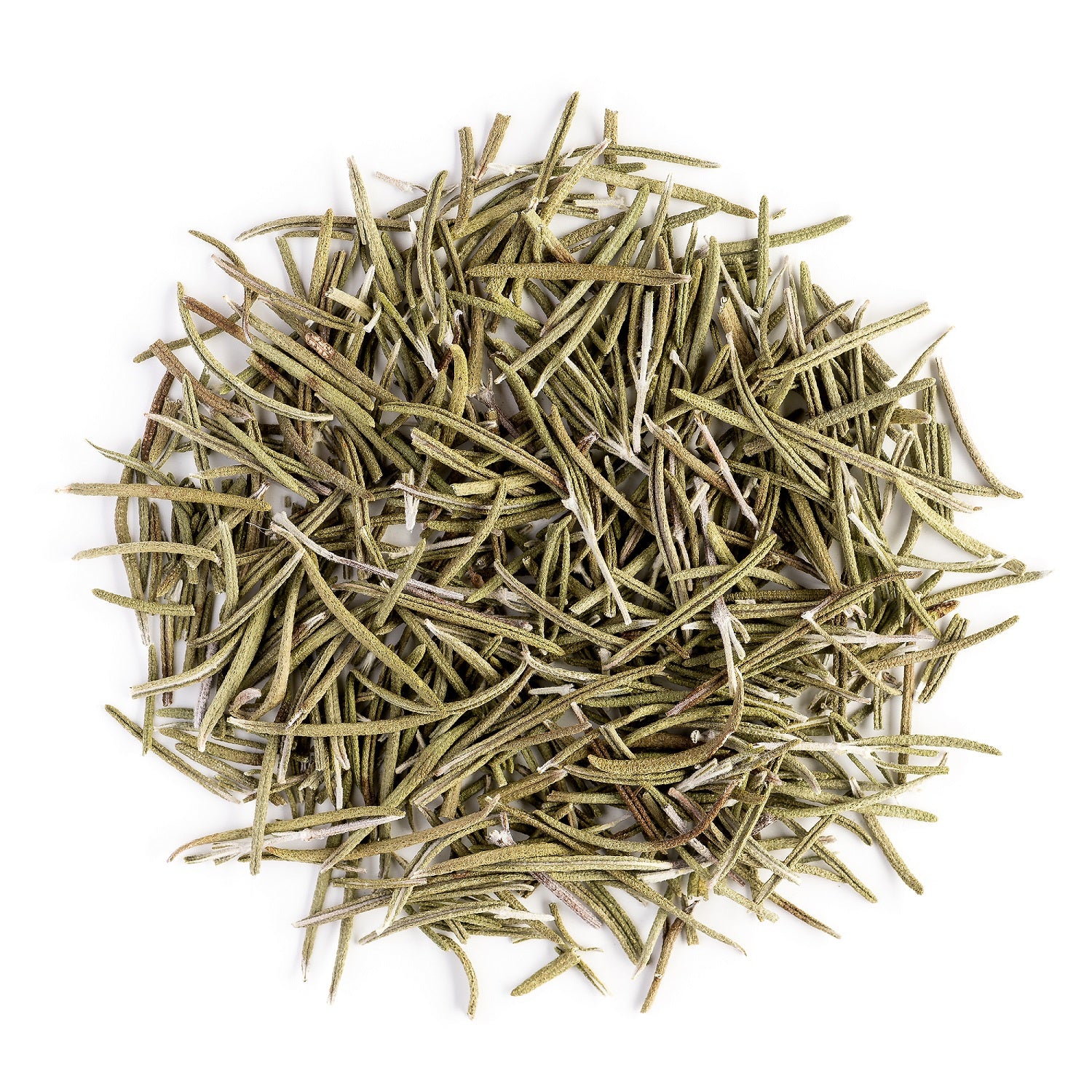
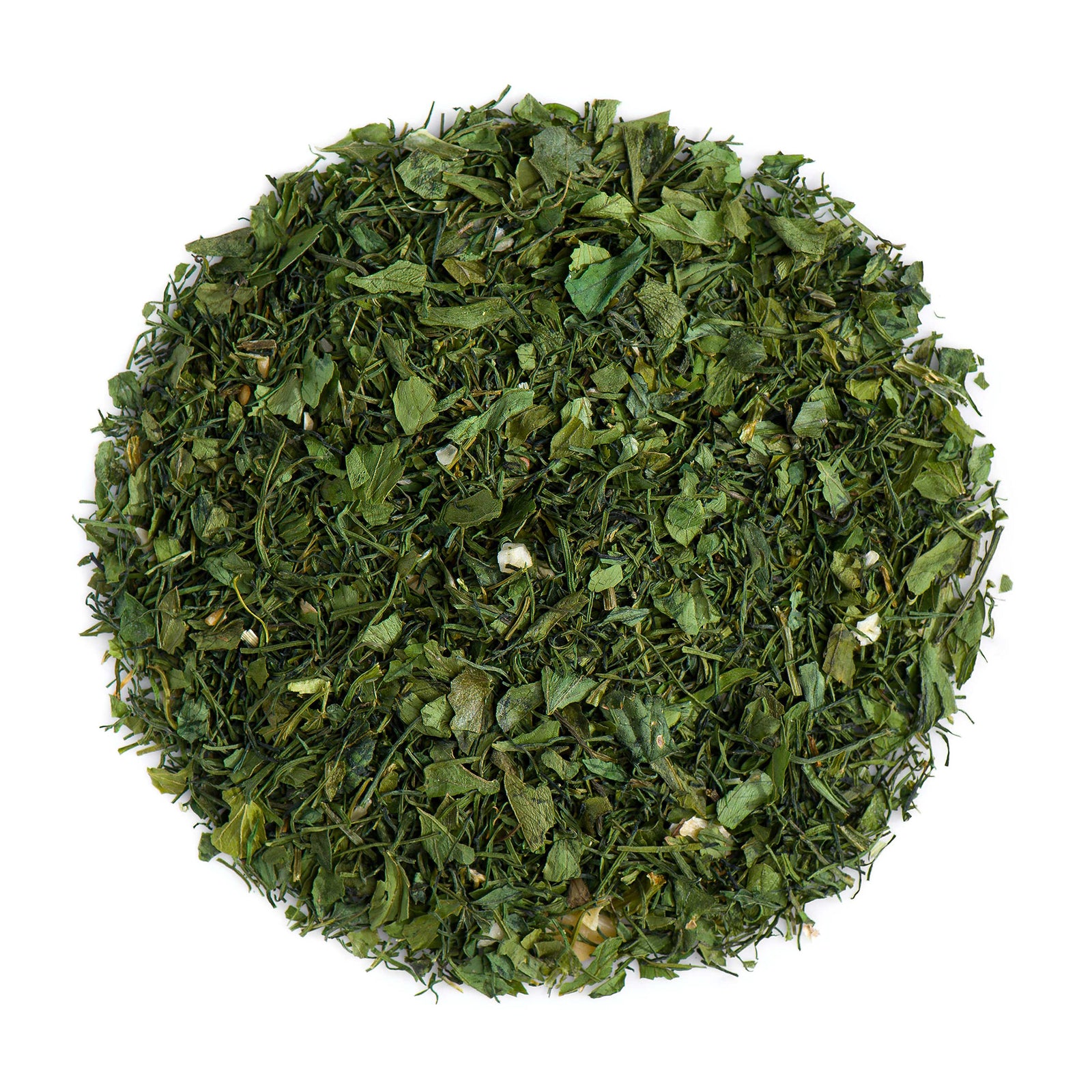
Buy dried nettle leaf, not nettle root. The root is a different product altogether. For tea, you want the leaf, ideally cut and sifted rather than powdered, so you can see the quality. Good dried nettle is a soft green-grey colour with visible leaf structure. It should smell grassy and slightly hay-like when you open the bag, clean and green rather than musty.
Avoid nettle that has gone dull brown or that smells dusty or flat. That is a sign of age or poor storage. Nettle does not have the longevity of a dried spice. It is a soft leaf herb and it degrades noticeably after twelve to eighteen months, especially if stored in poor conditions.
Organic certification is worth looking for here more than with some other herbs, simply because nettle grows wild and absorbs whatever is in its environment. Nettle grown near roads or in heavily farmed land can accumulate nitrates and heavy metals. A certified organic source or a wild harvested source with clear provenance is the safer choice.
How to Brew Nettle Tea
Use water at around 90 degrees Celsius rather than a full rolling boil. Steep for four to five minutes. The ratio is roughly one heaped teaspoon of dried nettle per 250ml of water, but nettle is forgiving and you can adjust to taste. I use a glass teapot so I can watch the colour develop, which is genuinely useful with herbals where timing matters.
Do not squeeze the infuser or teabag before removing it. With nettle especially, pressing the wet herb releases more of the bitter vegetal notes that you probably want to avoid. Remove it and let it drain naturally.
The resulting cup is pale yellow-green and mild. It holds heat well and is pleasant to drink slowly. I find it works best without sweetener, but if you want to add honey, a light floral honey works better than a strong heather or buckwheat honey, which can overpower the delicate flavour.
Iced Nettle Tea
Nettle brews very well as a cold infusion and this is worth trying in summer. The cold brew method smooths out the savouriness and gives you a lighter, more refreshing result than hot-brewed nettle cooled down.
The method is simple: put two heaped teaspoons of dried nettle per 500ml of cold filtered water into a glass jar or pitcher, stir briefly, and leave it in the refrigerator for six to eight hours or overnight. Strain and drink over ice.
Cold brewed nettle has a cleaner, grassier flavour than the hot version. It loses some of the earthy mineral quality but gains something more delicate and summery. Add a few slices of cucumber or a sprig of fresh mint to the cold brew jar and you have something that genuinely works as a summer drink.
You can also brew a stronger hot concentrate and pour it over ice. Use double the amount of herb, steep for five minutes, then pour directly over a glass full of ice. The rapid chilling stops any over-extraction and the dilution from the ice brings it to a good drinking strength.
Blending with Nettle
Nettle blends naturally with other green herbals and with slightly sweet or citrus notes that balance its savouriness. I find it works well with lemon balm, which softens the grassiness and adds a light lemon note that makes the combination noticeably more approachable.
Peppermint is a classic pairing. The mint is forward enough to dominate but the nettle adds body and a mineral undertone that you would not get from mint alone. A ratio of two parts nettle to one part peppermint works well as a starting point.
Dried elderflower is another option worth trying. It adds a delicate floral quality that plays well with nettle's green character without masking it. This combination tastes distinctly like early summer, which is part of its appeal.
Nettle does not work especially well with strong spice blends or anything with a lot of cinnamon or ginger. The earthy green notes get lost entirely. Keep it in the herbal and light floral territory and it finds its place easily.
Comparison with Other Green Herbals
If you drink a range of herbal teas, it is worth knowing where nettle sits relative to similar options. Oat straw, alfalfa, and raspberry leaf are all green herbals with some overlap in character, but they are noticeably different in the cup.
Oat straw is milder and slightly sweeter than nettle, with a creamier texture and less of the mineral savouriness. If nettle feels too bold or grassy for someone, oat straw is the natural step down in intensity. It is a gentler cup across the board.
Alfalfa is lighter still, almost neutral in flavour, with a slight sweetness. It is less interesting on its own but works well in blends where you want body without a strong herbal character. Next to nettle, alfalfa is almost bland.
Raspberry leaf has a slightly tannic, dry quality that sets it apart from the others. It is more tea-like in that respect, with less of the green mineral flavour that defines nettle. People often describe raspberry leaf as having a mild, slightly fruity dryness. It is a different experience.
Nettle is the most distinctly flavoured of the group and the most mineral in character. That is what makes it interesting rather than just another green infusion.
Nettle as a Food Ingredient
Nettle's usefulness in the kitchen extends well beyond tea, and if you are buying dried nettle anyway it is worth knowing the other options. In many parts of Europe, nettle has been eaten as a vegetable for centuries. Nettle soup is still a common spring dish in parts of Scandinavia, the British Isles, and Eastern Europe. Fresh nettles are blanched, chopped, and cooked like spinach, often with potato, onion, and stock.
Nettle pesto is another application worth trying. Blanch fresh nettles briefly, then blend them with the usual pesto ingredients: olive oil, garlic, hard cheese, and nuts. The result has a more complex, slightly mineral flavour than basil pesto and it works well on pasta, crostini, or as a sauce for grilled vegetables.
Dried nettle leaf, the same product you use for tea, can be used as a seasoning. Crumble it into soups, lentil dishes, or egg dishes where you want a green herbal note without the bulk of fresh greens. It does not have the intensity of dried herbs like thyme or oregano, but it adds a quiet background character that is difficult to replicate with anything else. A teaspoon of dried nettle stirred into a pot of lentil soup near the end of cooking is worth trying.
Buying and Storage
Dried nettle stores reasonably well under the right conditions. Keep it in a sealed container away from light, heat, and moisture. An airtight tin or dark glass jar in a cupboard is ideal. Avoid leaving it in clear bags on a windowsill or shelf where it gets direct light exposure.
Under good storage conditions, dried nettle holds its flavour for twelve to eighteen months from harvest. After that, it does not become unsafe to drink, but the flavour fades noticeably and the mineral character flattens out. Buy in quantities you will use within a year.
Signs that your nettle has degraded: the colour has shifted from green-grey to dull brown, the smell on opening is flat or dusty rather than grassy, and the brewed cup looks pale and watery even at full steep time. Any of these is a reason to replace your stock.
Buying from a supplier with reasonable turnover is worth more than buying the largest available bag at the lowest price. Fresh stock in modest quantities beats old stock bought cheaply every time with dried herbs.
Nettle in European Tradition
Nettle has been used across European herbal traditions for well over a thousand years. Roman soldiers stationed in Britain reportedly rubbed their legs with fresh nettle. Medieval herbalists documented it extensively. By the early modern period, nettle was part of the standard repertoire of European domestic herbal practice, used seasonally and practically in the kitchen and the household.
In Scandinavian countries, spring nettle picking is still a familiar seasonal activity. In parts of the British countryside it remains associated with the old custom of picking the first fresh greens of spring. Whether or not you follow that custom, the seasonal timing has a certain appeal: nettle is one of the first fresh greens of the year.
The point is simply that the plant has been integrated into European food and herbal culture for a very long time, as a spring green that is easy to find and easy to cook.
Caffeine Content
Nettle tea contains no caffeine. It is made from the leaves of a flowering plant with no botanical connection to tea, coffee, or any other caffeinated plant. You can drink it any time of day or night. This makes it a genuinely useful option for people who want something warm and flavourful in the evening without the caffeine of a real tea or a yerba mate.
Lascia un commento
I commenti saranno approvati prima di presentarsi.
Anche in Valley of Tea Blog | Tea Guides, Origins & Brewing Tips
The Complete Guide to Drinking Tea
What tea is, how the main types differ in the cup, and how to brew each one properly. Water temperature, steeping times, storage and how to get more than one cup from your leaves.
Leggi di più

Black Tea: Types, Processing, and How to Brew It
Black tea is fully oxidized Camellia sinensis. Compare Assam, Darjeeling, Keemun, and Ceylon varieties. Learn processing, brewing, and caffeine levels.

How To Grow Black Tea
Learn how to grow black tea at home: soil, climate, and the five processing steps from fresh leaf to a finished cup of black tea.

La saggezza è la via per un tè migliore.
Riceva la nostra guida gratuita all'infusione: acqua, temperatura e tempi giusti per ogni tè che vendiamo. E saprà per primo quando arrivano i nuovi raccolti.
Niente spam. Disiscrizione in qualsiasi momento.
Controlla la posta.
La guida è in arrivo.