













Trektijd voor Earl Grey: Zo Zet Je Hem Perfect
Het venster dat telt
Earl Grey is een van de meer vergevingsgezinde theesoorten om te zetten, maar de trektijd voor Earl Grey maakt of breekt nog altijd het kopje. Ik verkoop en drink al meer dan vijftien jaar zwarte thee, en de meest gemaakte fout die ik zie, is dat mensen bij de waterkoker weglopen en pas tien minuten later terugkomen.
De ideale trektijd voor losse Earl Grey ligt tussen drie en vijf minuten. Drie minuten geeft een lichter kopje waarin de bergamot duidelijk naar voren komt. Vijf minuten haalt meer body uit de theebasis. Alles voorbij vijf minuten en de tannines gaan overheersen, waardoor het kopje bitter wordt en alles overstemt wat Earl Grey de moeite waard maakt.
Ik zeg klanten altijd hetzelfde: zet een timer. Het klinkt simpel, maar het is het meest effectieve wat je kunt doen om je thee te verbeteren.
Wat er per minuut gebeurt
De meeste zetgidsen geven een aanbevolen tijd en laten het daarbij. Ik vind het nuttiger om te begrijpen wat er in elke fase daadwerkelijk gebeurt, want dan kun je weloverwogen aanpassingen maken in plaats van blindelings een getal te volgen.
Na één minuut heb je een bleek, heel licht kopje. Er is wat bergamotaroma aanwezig, maar de theebasis is nauwelijks begonnen met extraheren. De smaak is dun en waterig. Dit is onderextractie. Je proeft bijna niets van wat de thee te bieden heeft.
Na twee minuten begint de bergamot zich te ontwikkelen en proef je wat frisheid. De theebasis is aanwezig maar nog steeds licht. Dit is prima als je specifiek een heel delicaat kopje wilt, maar voor de meeste losse Earl Grey is het nog aan de korte kant.
Na drie minuten zit je in het bereik waarin de bergamot duidelijk aanwezig is en de theebasis body en wat moutkarakter bijdraagt. Het kopje is uitgebalanceerd en helder. Dit is waar de meeste mensen die een lichtere, meer citrusgerichte stijl verkiezen, zouden moeten stoppen.
Na vier minuten heeft de basisthee zich verder ontwikkeld. Er is meer gewicht en meer mout. De bergamot is nog steeds aanwezig, maar zit nu in een voller kopje in plaats van bovenop een licht kopje. Dit is mijn favoriete trektijd voor de meeste Earl Grey op 95 graden.
Na vijf minuten is het kopje vol van smaak en is de theebasis nadrukkelijk aanwezig. De bergamot is er nog, maar moet harder werken om door te komen. Dit is prima als je van een sterk, moutig kopje houdt, maar je nadert wel de grens van aanvaardbare extractie voor de meeste bladsoorten.
Na zes minuten nemen de tannines het over. De stroeve, drogende grip wordt de dominante sensatie. De bergamot raakt begraven. Het kopje is technisch nog drinkbaar, maar je proeft niet langer Earl Grey op zijn best. Je proeft overextraheerde zwarte thee die toevallig bergamot bevat.
Voorbij zes minuten wordt het alleen maar erger. Er is geen weg terug. Verwijder de blaadjes en begin opnieuw.
Waarom te lang trekken Earl Grey in het bijzonder schaadt
Elke zwarte thee lijdt onder te lang trekken. Earl Grey lijdt er meer onder dan de meeste, en de reden is de bergamot.
Bergamotolie is aromatisch en relatief delicaat. Wanneer tannines een kopje domineren, voegen ze niet alleen een stroeve, drogende sensatie toe. Ze verstoren ook actief je vermogen om andere smaken waar te nemen. De bergamot verdwijnt niet wanneer een kopje te lang heeft getrokken, maar de tanninelast maakt het bijna onmogelijk om hem te proeven. Je krijgt een hard, plat kopje dat totaal niet meer smaakt naar wat Earl Grey hoort te zijn.
Een gewone Assam of Ceylon die een minuut te lang trekt, smaakt gewoon te sterk. Earl Grey die evenveel te lang trekt, verliest zijn hele karakter. Het element dat het tot Earl Grey maakt, de bergamot, wordt volledig overstemd. Daarom is het tijdsvenster belangrijker voor Earl Grey dan voor ongearomatiseerde zwarte thee.
Losse thee versus theezakjes
Hele blaadjes ontvouwen zich langzaam en geven hun smaak laagje voor laagje af. Daarom heeft losse Earl Grey de volle drie tot vijf minuten nodig om zich goed te ontwikkelen. Hoe groter het blad, hoe langer het duurt voordat water volledig doordringt en de inwendige stoffen extraheert.
Theezakjes bevatten kleinere, gebroken blaadjes met meer blootgesteld oppervlak. Ze extraheren sneller, dus twee tot drie minuten is meestal genoeg. Veel langer en je extraheert te veel, omdat die kleine deeltjes hun tannines snel afgeven en er geen geleidelijke, gelaagde extractie is om te beheersen.
Bij onze Earl Grey raad ik aan om te beginnen met drieënhalve minuut en van daaruit bij te stellen. De bergamot die wij gebruiken is natuurlijke olie van Calabrische bergamotsinaasappels, geen synthetisch aroma. Het heeft een paar minuten nodig om volledig open te bloeien in het water.
Hoe bladgrootte de trektijd beïnvloedt
Binnen losse Earl Grey varieert de bladgrootte nog altijd aanzienlijk tussen producten. Een grovere, meer gebroken snit extraheert sneller dan een lange, heelbladstijl. Dit komt doordat kleinere stukjes meer oppervlak hebben ten opzichte van hun volume, net als bij theezakjes, alleen in mindere mate.
Als je wisselt tussen Earl Grey producten en merkt dat je gebruikelijke timing andere resultaten oplevert, is bladgrootte vaak de verklaring. Een fijner gesneden Earl Grey op drieënhalve minuut kan hetzelfde smaken als een heelbladstijl op vierenhalve minuut. Geen van beide tijden is fout. Het zijn gewoon verschillende theesoorten.
Als vuistregel geldt: als het blad in het zakje of blik fijn en gebroken oogt, begin dan aan de onderkant van het tijdsbereik. Als het grof en heel oogt, begin dan aan de bovenkant en kijk waar je uitkomt.
Hoe temperatuur en tijd samenwerken
Watertemperatuur is de andere helft van de vergelijking. Heter water extraheert sneller, dus bij een volledige kook kun je beter richting drie minuten neigen. Laat je het water afkoelen tot rond de 90 tot 95 graden, dan kun je de trektijd oprekken naar vijf minuten zonder bitterheid.
Bergamotolie reageert anders op warmte dan de theeblaadjes. Bij hogere temperaturen komt het citrusaroma direct vrij en vult het de ruimte. Bij lagere temperaturen ontwikkelt de bergamot zich langzamer en subtieler in het kopje zelf. Meer ervan blijft opgelost in de vloeistof waar je het kunt proeven, in plaats van te vervliegen in de lucht.
De praktische implicatie: als je merkt dat je Earl Grey steevast te hard smaakt, probeer dan de temperatuur met 5 graden te verlagen en 30 tot 45 seconden aan de trektijd toe te voegen. Je krijgt hetzelfde extractieniveau met minder tanninextractie, omdat de lagere temperatuur bij voorkeur eerst de zoetere, meer aromatische stoffen extraheert.
Westerse timing versus gongfu timing
Alles hierboven geldt voor westerse bereiding: één royale trekbeurt in een theepot of grote mok met een gematigde bladwaterverhouding.
Gongfu bereiding gebruikt een veel kleiner vat, een veel hogere bladverhouding en zeer korte, herhaalde trekbeurten. Voor Earl Grey betekent een gongfu aanpak 4 tot 5 gram per 100 ml en trekbeurten die beginnen bij 20 tot 25 seconden. Elke volgende infusie voegt 10 tot 15 seconden toe.
De timinglogica is volledig anders. Je wacht niet op volledige extractie in één trekbeurt. Je extraheert in snelle, gecontroleerde stoten die achtereenvolgens verschillende lagen van de thee onthullen. De eerste trekbeurt is bergamotgericht. De tweede en derde brengen meer basisthee-karakter naar voren. Latere trekbeurten worden zachter en stiller naarmate het blad geleidelijk zijn resterende stoffen afgeeft.
Gongfu timing voor Earl Grey is lastiger te kalibreren dan voor ongearomatiseerde thee, omdat de bergamot heel snel extraheert. Zelfs bij 20 seconden kan de eerste trekbeurt sterk aromatisch zijn. De sleutel is elke trekbeurt kort genoeg te houden zodat de tanninextractie minimaal blijft. Als een trekbeurt stroef en drogend begint te smaken, is hij te lang, ongeacht wat de timer zegt.
Meerdere infusies
Goede losse Earl Grey geeft je een tweede infusie die het drinken waard is. De bergamot zal bij de tweede ronde zachter zijn, omdat een groot deel al bij de eerste trekbeurt is geëxtraheerd, maar je krijgt nog steeds een helder kopje met echte body van de theebasis.
Voor een tweede westerse infusie voeg je 30 tot 45 seconden toe aan je oorspronkelijke tijd. Het blad is al volledig geopend, dus het extraheert iets sneller, maar er is minder gemakkelijk extraheerbaar materiaal, wat dit deels compenseert. Verwacht een kopje dat meer theegericht en minder citrusgericht is dan het eerste.
Een derde infusie is mogelijk met hoogwaardige heelbladige Earl Grey, maar wordt merkbaar dun. Op dat punt proef je vooral de theebasis met heel weinig overgebleven bergamot. Of dat de moeite waard is, is een persoonlijke keuze.
Praktische tips
- Gebruik één theelepel, 2 tot 3 gram, per 200 ml water.
- Verwarm je kopje of pot voor om de temperatuur stabiel te houden.
- Verwijder de blaadjes zodra de timer afgaat. Laat ze niet liggen.
- 3 minuten: licht, bergamotgericht. 4 minuten: uitgebalanceerd. 5 minuten: vol van smaak, moutig.
- Voorbij 5 minuten: tannines nemen het over en de bergamot raakt begraven.
- Een lagere temperatuur maakt een langere trektijd mogelijk zonder bitterheid.
- Tweede infusie: voeg 30 tot 45 seconden toe aan de oorspronkelijke tijd.
- Noteer je favoriete tijd en houd je daaraan voor consistentie.
Kleine verschillen in trektijd zorgen voor echte verschillen in het kopje. Een verschuiving van slechts 30 seconden kan je van fris en citrusgericht naar zacht en moutig brengen. Vind de tijd die bij jouw smaak past en maak er een gewoonte van.
Gerelateerde artikelen
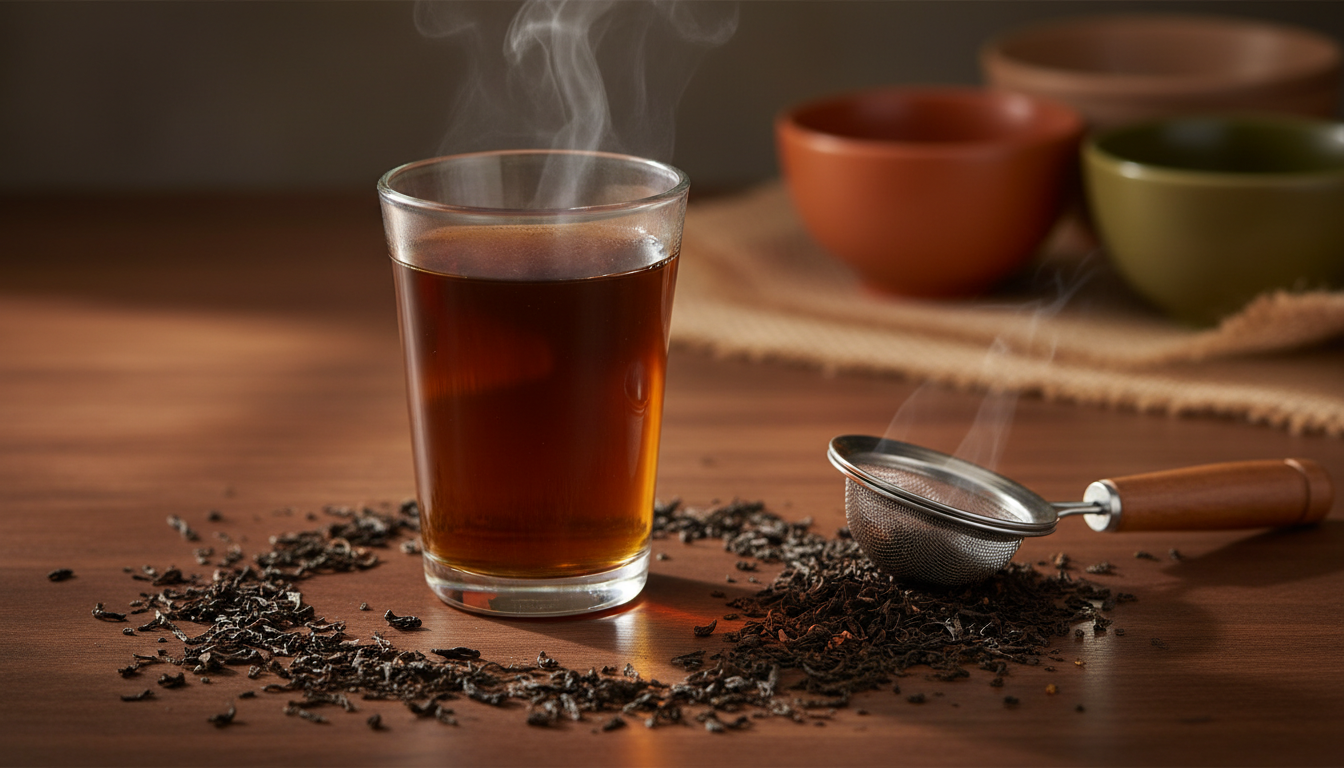
- Zwarte thee: soorten, verwerking en hoe je het zet
- Earl Grey theegids: 5 klassieke recepten om te proberen
- Darjeeling theegids: 4 tips voor de champagnesmaak
Laat een reactie achter
Reacties worden goedgekeurd voor ze verschijnen.
I18n Error: Missing interpolation value "titel" for "Ook in {{ titel }}"
The Complete Guide to Drinking Tea
What tea is, how the main types differ in the cup, and how to brew each one properly. Water temperature, steeping times, storage and how to get more than one cup from your leaves.
Lees Meer

Black Tea: Types, Processing, and How to Brew It
Black tea is fully oxidized Camellia sinensis. Compare Assam, Darjeeling, Keemun, and Ceylon varieties. Learn processing, brewing, and caffeine levels.
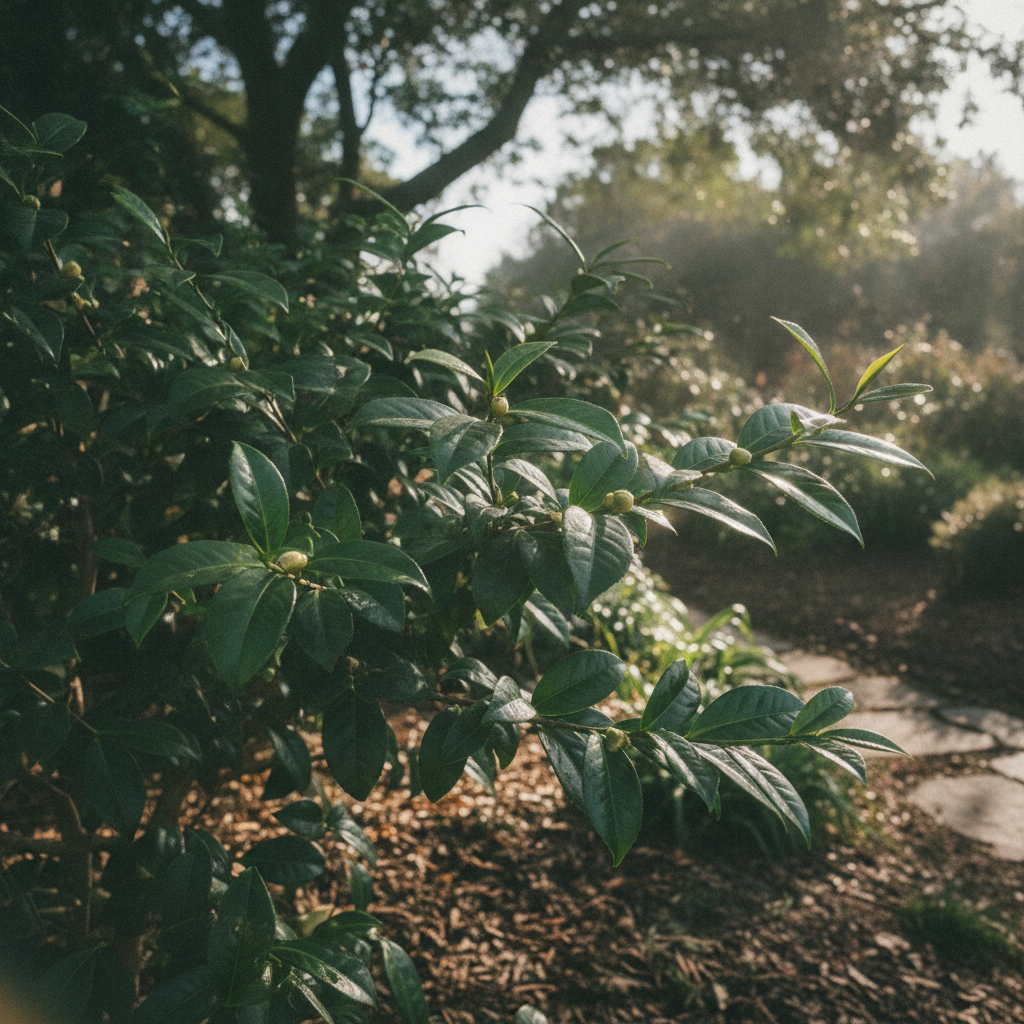

How To Grow Black Tea
Learn how to grow black tea at home: soil, climate, and the five processing steps from fresh leaf to a finished cup of black tea.

Wijsheid is de weg naar betere thee.
Ontvang onze gratis zetgids: het juiste water, de juiste temperatuur en de juiste trektijd voor elke thee die we verkopen. U hoort ook als eerste wanneer nieuwe oogsten binnenkomen.
Geen spam. U kunt zich altijd uitschrijven.
Kijk in uw inbox.
De gids is onderweg.