













Fenegriekpoeder (Methi): Complete Gids | Valley of Tea
Fenegriek is een van die specerijen die stilletjes hele keukens bij elkaar houdt. Je herkent het niet altijd bij naam, maar je hebt het vrijwel zeker al geproefd. Die warme, aan ahornsiroop verwante toon in een kerriepoedermix, of de lichte bitterheid in een langzaam gegaarde dal - dat is fenegriek aan het werk. Bekend als methi in Zuid-Azië, is deze plant al duizenden jaren een vaste waarde in de keuken.


Deze gids behandelt alles wat je moet weten over fenegriekpoeder: waar het vandaan komt, hoe elke vorm verschilt, hoe het smaakt, hoe je ermee kookt en waar je op moet letten bij aankoop.
Wat Is Fenegriek (Methi)?
Trigonella foenum-graecum is fenegriek - een eenjarige plant uit de vlinderbloemenfamilie. Ze groeit in een brede gordel van het Middellandse Zeegebied via het Midden-Oosten tot in Zuid-Azië. Ook in Ethiopië en delen van Oost-Afrika is aanzienlijke teelt aanwezig. De plant is compact, lijkt op klaver en vormt trosjes met kleine peulen. Elke peul bevat een handvol harde, bleekgeel-bruine zaadjes - die zaadjes zijn fenegriek als specerij.
De specerij wordt al millennia geteeld. De oude Egyptenaren gebruikten haar medicinaal en bij balsemingen. Griekse en Romeinse artsen beschreven haar uitgebreid. Deze lange geschiedenis zie je terug in de namen: methi in het Hindi, hilbe in Jemen en op het Arabisch Schiereiland, abish in het Amhaars, en bockshornklee in het Duits. Elke naam is geworteld in de lange band van een andere cultuur met deze plant.
Herkomst en Teeltgebieden
India is verreweg de grootste producent en consument van fenegriek. De staat Rajasthan is verantwoordelijk voor het grootste deel van de Indiase productie. Het district Nagaur staat bekend om zaadkwaliteit. Indiase fenegriek bereikt elke uithoek van het land en vormt de basis van de specerijenmixen van meerdere regionale keukens.
In het Middellandse Zeegebied heeft fenegriek een ononderbroken geschiedenis die teruggaat tot de oudheid. Egypte, Marokko en Turkije telen het allemaal. Het verschijnt in de traditionele keuken daar, meestal in brood, in gekruide condimenten en als infusie. De smaken worden doorgaans spaarzamer gebruikt dan in de Zuid-Aziatische keuken, maar de plant is diep verankerd in de voedselcultuur van de regio.
Ethiopië is de derde belangrijke pool van fenegriekcultuur. Daar duikt het op in berbere, de complexe specerijenmix die de ruggengraat vormt van de Ethiopische keuken. Ethiopische fenegriek verschilt iets van Indiase variëteiten: de zaadjes zijn doorgaans wat bitterder, wat goed werkt in de gedurfde, gelaagde specerijenmixen die Ethiopische koks maken.
De plant gedijt in goed doorlatende grond met een droog klimaat tijdens zaadrijping. Ze heeft niet veel water nodig, wat een van de redenen is waarom ze zo goed gedijt in de semi-aride gebieden van Rajasthan en de Hoorn van Afrika. De oogst vindt eenmaal per jaar plaats. Daarna worden de zaadjes gedroogd en gereinigd voordat ze heel of tot poeder verwerkt voor verkoop gaan.
Zaadjes, Bladeren en Poeder: Allemaal Verschillende Ingrediënten

Fenegriek komt in meerdere vormen voor in de keuken. Ze zijn niet inwisselbaar. Het begrijpen van de verschillen helpt je elke vorm correct te gebruiken.
Hele Zaadjes
De hele zaadjes zijn extreem hard - harder dan de meeste andere specerijen. Je kunt er niet comfortabel op bijten. Ze hebben hitte nodig om hun smaak vrij te geven. De standaardtechniek in de Indiase keuken is tadka, of tempering: zaadjes gaan aan het begin van het koken in hete olie of ghee, waar ze sissen en licht donkerder worden. Hier geven ze een diep, nootachtig aroma af aan het vet. Dat gearomatiseerde vet vormt dan de basis voor de rest van het gerecht. Hele zaadjes worden ook een nacht geweekt en toegevoegd aan deeg, gefermenteerd beslag, of laten kiemen.
Verse Methi Bladeren
Verse fenegriekbladeren worden in bosjes verkocht in Indiase kruidenierswinkels. Ze worden behandeld als bladgroente, niet slechts als kruid. De smaak is bitter en groen, indringender dan spinazie, met die karakteristieke fenegriekwarmte eronder. Methi paratha, plat brood met gehakte verse methi door het deeg gewerkt, is een van de bekendste manieren om ze te gebruiken. Verse bladeren gaan ook in methi dal, methi kip en methi matar malai. Gebruik ze binnen een paar dagen als je ze vindt. Ze verwelken snel.
Kasuri Methi (Gedroogde Bladeren)
Kasuri methi is de gedroogde versie van de verse bladeren. De naam komt van Kasur, een stad in Punjab (nu Pakistan) die historisch met het gedroogde product wordt geassocieerd. Deze gedroogde bladeren hebben een geconcentreerdere, iets andere smaak dan vers. Ze blijven bitter en aromatisch, maar hebben een gedroogd-kruid kwaliteit. Ze worden aan het einde van het koken door gerechten verkruimeld. Een eetlepel kasuri methi door een butter chicken of een dal geroerd in de laatste minuten voegt een kruidige toon toe die het gerecht transformeert. Dit is anders dan gemalen fenegriekzaad en geen vervanging daarvoor.
Fenegriekpoeder
Het poeder wordt gemalen van gedroogde hele zaadjes. Het is direct klaar voor gebruik en verdeelt zich gelijkmatig door sauzen en beslag. Het levert consistente smaakintensiteit. Gebruik het wanneer je fenegriekssmaak door een gerecht heen wilt weven in plaats van geconcentreerd in hele zaadjes. Het is de meest veelzijdige vorm voor thuiskoks die niet dagelijks Indiaas koken. Een algemene omrekening: één theelepel hele zaadjes levert ongeveer driekwart theelepel poeder op.
Smaakprofiel In Detail
Fenegriek heeft een kenmerkende smaak op het kruispunt van bitter, zoet en aards. De meest gehoorde vergelijking is ahornsiroop, en dat is geen toeval: fenegriek bevat sotolon, dezelfde verbinding die verantwoordelijk is voor het kenmerkende aroma van ahornsiroop. Dit is waarom gemalen fenegriekzaad soms wordt gebruikt als natuurlijke ahornsmaakstof in de voedingsproductie.

Maar de zoete toon staat niet op zichzelf. Rauw fenegriekpoeder is merkbaar bitter, met een licht ruwe afdronk. Deze bitterheid komt van stoffen genaamd saponinen, aanwezig in de zaadjes. Het is niet onprettig in context - het zorgt voor balans in rijke, vette gerechten. Maar het is te overheersend als je er te veel van gebruikt of het rauw gebruikt zonder te koken.
Hoe Je De Bitterheid Vermindert
De twee belangrijkste technieken zijn roosteren en weken.
Roosteren: rooster hele zaadjes of het poeder kort droog in een hete pan voordat je ze gebruikt. Blijf roeren en haal van het vuur zodra je merkt dat het aroma verandert - nootachtig en gekarameliseerd in plaats van rauw. Dertig tot vijfenveertig seconden in een hete droge pan is vaak genoeg. Roosteren vermindert de bitterheid van de saponinen en brengt de zoete, nootachtige tonen naar voren. Te ver geroosterde fenegriek wordt scherp, dus let goed op.
Weken: hele zaadjes die een nacht in koud water weken, worden aanzienlijk minder bitter. Het water trekt een deel van de saponinen eruit. Giet af, spoel en gebruik geweekte zaadjes in deeg of als temperingsingrediënt. Geweekte zaadjes zijn zachter en makkelijker te malen als je zelf vers poeder maakt.
Begin met minder dan je denkt nodig te hebben - dat is ook goede praktijk. Een halve theelepel poeder gaat verder dan de meeste recepten suggereren. De smaak ontwikkelt zich tijdens het koken. Proef, en pas dan aan.
Toepassingen In De Keuken

Specerijenmixen
Fenegriek is onderdeel van meerdere fundamentele specerijenmixen. In panch phoron, de Bengaalse vijf-specerijenmix van fenegriek, nigella, komijn, venkel en mosterdzaad, worden hele fenegriekzaadjes samen met de andere gebruikt. De mix wordt meestal heel getemd in olie of ghee aan het begin van het koken. Zuid-Indiase sambarpoeder bevat gemalen fenegriek als belangrijke toon. Dit balanceert de hitte van gedroogde chilipepers. Ethiopische berbere bevat gemalen fenegriek naast koriander, zwarte peper, gember en andere specerijen - fenegriek draagt bij aan body en die licht zoete diepte. Jemenitische hawayij is nog een ander voorbeeld: een specerijenmix opgebouwd rond fenegriek, kurkuma en zwarte peper, gebruikt in koffie, stoofschotels en rijstgerechten.
Tadka (Tempering)
Tadka is een van de belangrijkste technieken in de Indiase keuken. Fenegriek is er vaak onderdeel van. Het idee is simpel: hele specerijen gaan in heet vet tot bloei om hun vluchtige aroma's aan de olie af te geven. De olie bedekt dan elk ingrediënt in het gerecht. Voor fenegriekzaadjes moet het vet écht heet zijn voordat de zaadjes erin gaan. Ze moeten meteen sissen. Zorg dat ze een tint donkerder worden - bleekgoud tot lichtbruin - en voeg dan je volgende ingrediënt toe of giet de gearomatiseerde olie over het afgewerkte gerecht. Te koel en er gebeurt niets. Te heet of te lang, en de zaadjes worden bitter.
Dal En Linzen
Methi dal is een klassieke bereiding: linzen die sudderen met ui, tomaat en gember. Het wordt afgewerkt met een tadka met fenegriekzaadjes en komijn. De fenegriek speelt goed samen met de aardsheid van de linzen. Werk je met gemalen fenegriek in plaats van zaadjes, roer dan een kwart tot halve theelepel door de sudderende dal. Doe dit vijf tot tien minuten voor het serveren. Dat geeft het genoeg tijd om gaar te worden zonder de aromatische tonen te verliezen.
Methi Paratha
Methi paratha is plat brood met gehakte fenegriekbladeren door volkorendeeg gewerkt. Verse bladeren zijn ideaal, maar kasuri methi werkt ook als vers niet beschikbaar is. De bladeren voegen een licht bittere, kruidige toon toe aan het brood die goed past bij yoghurt, augurken of gewoon boter. Het deeg wordt uitgerold en gebakken op een droge tawa of gietijzeren pan. Dit is een van de duidelijkste uitingen van fenegriekssmaak in één simpel gerecht.
Aardappelen En Groenten
Aloo methi, aardappelen gekookt met fenegriekbladeren, is een van de populairste vegetarische gerechten in de Noord-Indiase thuiskeuken. De lichte bitterheid van de methi doorbreekt het zetmeelachtige van de aardappel. Je kunt een vergelijkbaar effect bereiken met een kleine hoeveelheid fenegriekpoeder in aardappelgerechten. De smaak is dan anders dan met verse bladeren. Fenegriekpoeder werkt ook goed met bloemkool, wortelen en wortelgroenten.
Langzaam Gestoofd Vlees En Curry's
Fenegriekpoeder voegt diepte toe aan langzaam gegaarde vleesgerechten. Het past van nature bij lam en geit, waar het licht bittere, aardse karakter opgewassen is tegen de rijkheid van het vlees. In de Noord-Indiase keuken duikt het op in gerechten als methi gosht - lam gekookt met verse of gedroogde fenegriekbladeren. Voor thuiskoks zonder toegang tot verse methi werkt een kleine hoeveelheid poeder als vertrekpunt. Voeg kasuri methi toe aan het einde.
Fenegriekthee En Infusies
Fenegriekzaadjes worden al generaties lang gebruikt als infusie in India, het Midden-Oosten en Noord-Afrika. De bereiding is simpel: neem één theelepel hele fenegriekzaadjes en kneus ze licht als je een sterkere infusie wilt. Laat ze vijf tot tien minuten trekken in 250 ml heet water. Zeef en drink. De smaak is aards, licht bitter en verwarmend - dichter bij een graanthee of kruideninfusie dan bij zwarte thee.
Sommige mensen roosteren de zaadjes eerst licht voordat ze gezet worden. Dit maakt de smaak ronder en vermindert de scherpte. Anderen weken de zaadjes een nacht en laten ze daarna kort sudderen in water voor een geconcentreerdere bereiding. Voeg een beetje honing, een schijfje gember of een snufje kaneel toe om de smaak toegankelijker te maken als je hem op zichzelf te sober vindt.
Fenegriekzaadthee heeft een lange geschiedenis van traditioneel gebruik in keukens in Zuid-Azië en het Middellandse Zeegebied. Het wordt gedronken als warmende infusie, vooral in koelere maanden. Dit is traditioneel gebruik, geen medische claim.
Koopgids: Hoe Kwaliteitsfenegriek Eruitziet En Ruikt
Hele zaadjes moeten gelijkmatig bleekgeel-bruin zijn met een lichte glans. Ze moeten hard en intact zijn - niet gebarsten of verschrompeld. Vermijd zakjes met zichtbaar stof, gebroken zaadjes of vermengd afval. De geur moet schoon en herkenbaar zijn: dat warme, licht zoete, subtiel bittere aroma. Als zaadjes vlak of muf ruiken, zijn ze te oud.
Voor poeder telt de kleur: goed fenegriekpoeder heeft een warme goudgele tot lichte amberkleur. Bleek geelwit poeder is waarschijnlijk versneden of erg oud. Bruine of grijze tinten wijzen op te ver roosteren of onjuiste opslag. De geurtest geldt hier ook: het poeder moet meteen een herkenbaar aroma hebben zodra je de pot opent. Ruik eraan voordat je het elke keer gebruikt. Als het aroma vervaagd is, is de smaak dat ook.
Kopen bij een leverancier met redelijke doorstroom is betrouwbaarder dan kopen bij een supermarktschap waar de pot mogelijk al twee jaar staat. Speciaalzaken, Indiase kruidenierswinkels en directe importeurs hebben doorgaans een betere doorstroom dan algemene supermarkten voor dit soort specerijen.
Bewaren En Houdbaarheid

Gemalen fenegriek verliest sneller aan kracht dan hele zaadjes. Bewaar het poeder in een luchtdichte verpakking, uit de buurt van hitte en direct licht. Onder goede omstandigheden behoudt fenegriekpoeder zijn smaak ongeveer zes tot acht maanden. Daarna vervaagt het eerder dan dat het bederft: de bitterheid houdt langer aan dan de zoetere aromatische tonen. Oud poeder laat een gerecht vlak en wrang smaken.
Hele zaadjes gaan aanzienlijk langer mee - tot twee à drie jaar bij goede opslag. Als je regelmatig Indiaas kookt en redelijk tempo door je fenegriek gaat, geeft het kopen van hele zaadjes en het malen van kleine hoeveelheden naar behoefte je betere smaak. Als fenegriek iets is dat je af en toe gebruikt, is poeder praktischer.
Als je zelf maalt, verwerkt een specerijenmolen fenegriek prima. De zaadjes zijn hard, maar de meeste blad- en steenmolens hebben er geen moeite mee. Rooster de zaadjes droog voor het malen voor makkelijker verwerking en betere smaak in het uiteindelijke poeder.
Ons Fenegriekpoeder Gebruiken
Ons Fenegriekpoeder wordt gemalen van hele zaadjes en werkt in elk van deze toepassingen direct uit de pot. Een klein potje gaat lang mee, want je hebt er maar weinig van nodig. Voeg het toe aan je volgende kerriepoedermix. Roer een kwart theelepel door een pan linzen. Rooster het licht en werk het door brooddeeg. Probeer de zaadjes te zetten als infusie. De beste manier om fenegriek te leren kennen, is er gewoon regelmatig mee te koken. Zodra je de smaak herkent, ga je hem overal opmerken.
Gerelateerde Artikelen
Laat een reactie achter
Reacties worden goedgekeurd voor ze verschijnen.
I18n Error: Missing interpolation value "titel" for "Ook in {{ titel }}"
The Complete Guide to Drinking Tea
What tea is, how the main types differ in the cup, and how to brew each one properly. Water temperature, steeping times, storage and how to get more than one cup from your leaves.
Lees Meer

Black Tea: Types, Processing, and How to Brew It
Black tea is fully oxidized Camellia sinensis. Compare Assam, Darjeeling, Keemun, and Ceylon varieties. Learn processing, brewing, and caffeine levels.
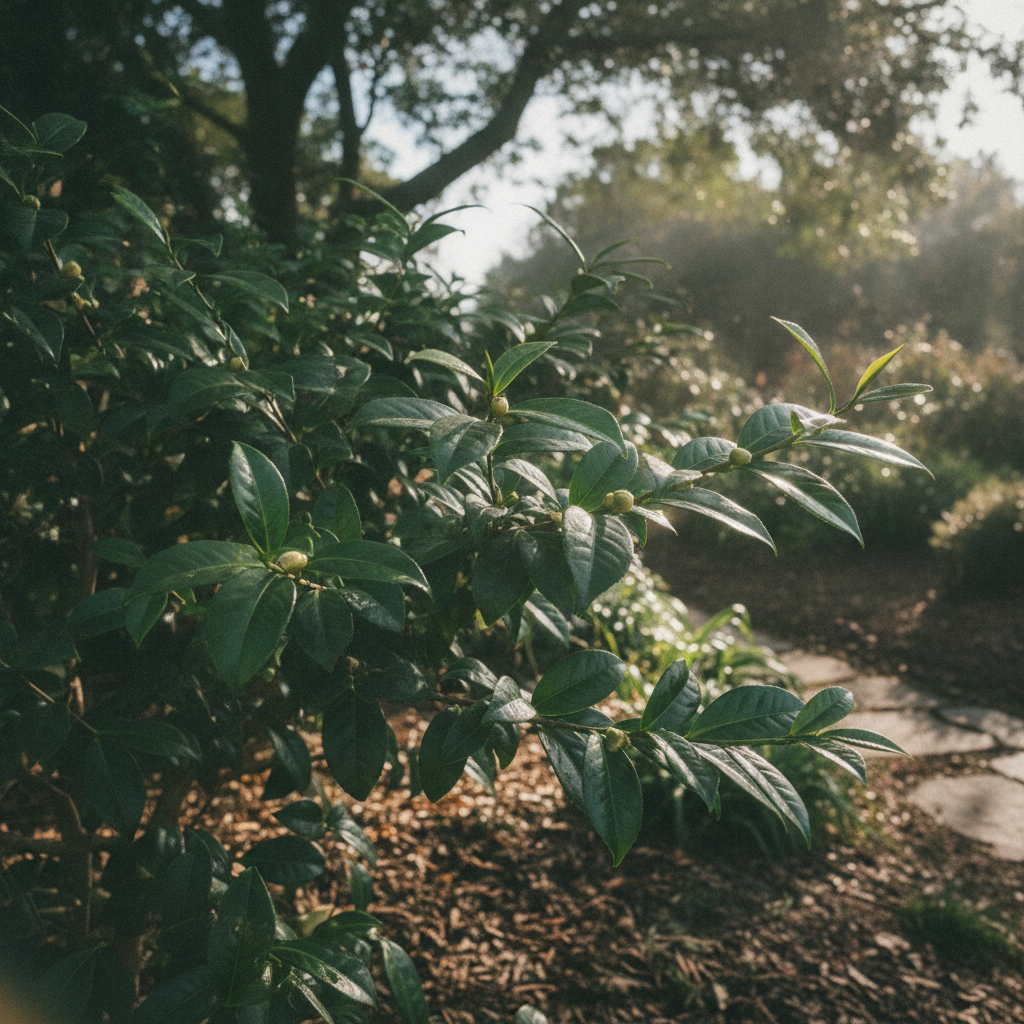

How To Grow Black Tea
Learn how to grow black tea at home: soil, climate, and the five processing steps from fresh leaf to a finished cup of black tea.

Wijsheid is de weg naar betere thee.
Ontvang onze gratis zetgids: het juiste water, de juiste temperatuur en de juiste trektijd voor elke thee die we verkopen. U hoort ook als eerste wanneer nieuwe oogsten binnenkomen.
Geen spam. U kunt zich altijd uitschrijven.
Kijk in uw inbox.
De gids is onderweg.