












Horsetail Tea: Taste, Origins and How to Brew This Ancient Herb
Horsetail tea is a caffeine-free herbal infusion made from the dried aerial stems of Equisetum arvense, one of the oldest plant genera on Earth. Field horsetail has been growing on this planet for over 300 million years, long before flowering plants existed. What makes it relevant today is straightforward: horsetail has one of the highest silica concentrations among herbs commonly used for infusion, and it has a centuries-long place in European herbal tradition. If you are looking for a no-nonsense herbal infusion with a long history and a distinctive mineral profile, horsetail tea is worth understanding properly.

What Is Horsetail Tea?
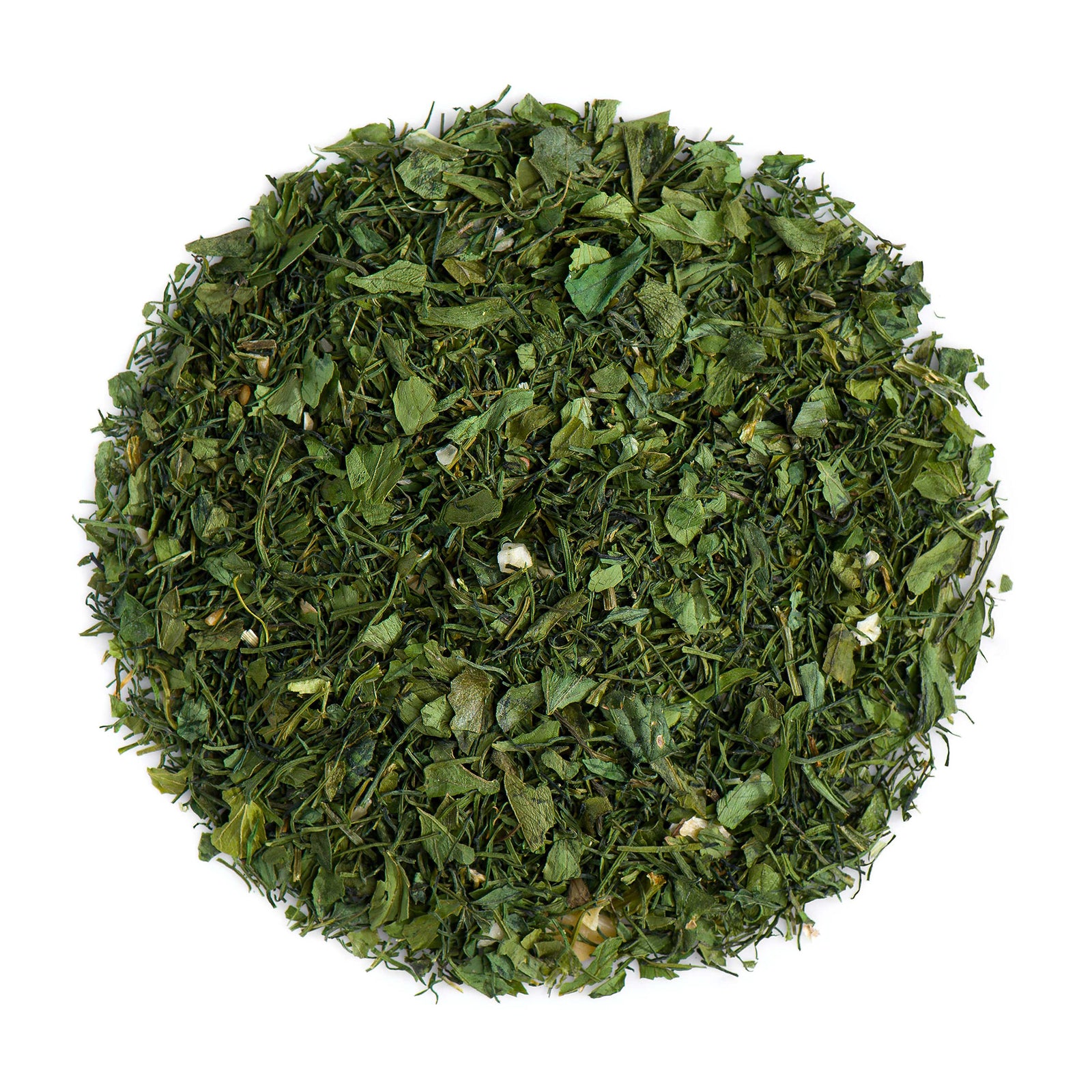
Horsetail tea is made from the dried aerial stems of Equisetum arvense, a spore-reproducing plant with no flowers or seeds. It belongs to an ancient plant family that once formed vast forests during the Carboniferous period. The modern plant is much smaller, typically growing 20-60cm tall in damp meadows and roadsides across Europe, Asia, and North America, but its basic biochemistry has changed remarkably little over geological time.

The part used for tea is the green, jointed stem that appears in spring and early summer. The roots are not used. Harvesting happens when the stems are bright green and fully developed, typically between May and July. After harvest, the stems are dried carefully at low temperature to preserve the mineral and flavonoid content.
The standout characteristic of horsetail is its silica concentration. Dried horsetail contains up to 25% silicon dioxide by dry weight, expressed as biogenic silica in a form the plant has already built into its cell walls. That 25% figure refers to the dry plant material - what passes into a brewed cup depends on extraction conditions and is considerably less. Among herbs commonly used for infusion, horsetail has one of the highest silica concentrations; nettle, often cited as mineral-rich, contains silica at a fraction of that level.
In the cup, horsetail tea has a mild, slightly grassy flavour with a faint mineral undertone. It is not strongly aromatic. The colour is pale yellow-green. Compared to peppermint or chamomile, it is understated, which is why some people combine it with milder-tasting herbs. On its own it is pleasant enough, but it is not a tea people reach for purely for the flavour. Its unusual composition and long history are what set it apart.
Traditional Uses of Horsetail Herb
Horsetail has been part of European herbal tradition for several centuries. Traditional herbalists in Germany, France, and Eastern Europe knew it as an unusually mineral-rich plant, a reputation that comes directly from the silica content, which sets horsetail apart from almost every other infusion herb.
Horsetail also appears in German herbal reference literature from the 1980s and 1990s, alongside several hundred other plants with a long European history.
Beyond that history, we make no statements about what horsetail does in the body. We sell horsetail for its flavour, its history and its unusual composition. The honest summary is that horsetail has a long and consistent history in European herbalism and a well-documented mineral profile, and we present it as a caffeine-free infusion, nothing more. Anyone with a specific health concern should speak with a healthcare professional.
What we do know from handling herbal ingredients for over 15 years is that customer interest in horsetail follows a clear pattern: it is one of the herbs people specifically ask for by name, often after reading about its unusual silica content. The request is usually deliberate and informed, not impulse-driven.
How to Brew Horsetail Tea Properly
Brewing horsetail tea correctly requires one step that most herbal teas do not: simmering. A standard steep in hot water extracts only a fraction of the silica content because biogenic silica in horsetail is bound in the plant's cell walls and needs sustained heat to release into the water.

The correct method is as follows. Use 2-3 teaspoons of dried horsetail per 250ml of water. Bring the water to a full boil, add the herb, then reduce to a gentle simmer and hold at that temperature for 10-15 minutes. Do not just pour boiling water over the herb and wait. The 10-15 minute simmer is the step most instructions skip, and it is the one that most changes what ends up in the cup.
After simmering, strain through a fine-mesh strainer. Horsetail stems have tiny fibrous particles that pass through coarser strainers and give the tea a slightly gritty texture. A fine mesh or paper filter catches these.
One safety note deserves specific mention: horsetail contains thiaminase, an enzyme that breaks down thiamine (vitamin B1). Thiaminase is partially denatured by heat, so a properly simmered tea carries lower risk than raw or cold preparations, though moderation is still recommended for extended daily use. At moderate consumption this is not a concern, but drinking large quantities of horsetail tea daily over extended periods may gradually deplete B1 levels. The practical guidance is to limit intake to 2-3 cups per day and to avoid daily consumption for weeks at a stretch without breaks. People who are pregnant, have kidney disease, or are on diuretic medications should check with a doctor before adding horsetail tea to their routine.
Horsetail Tea vs Nettle Tea: Mineral Profiles Compared
Horsetail and nettle (Urtica dioica) are often discussed in the same breath as mineral-rich herbal teas, and it is useful to understand where each one leads.
Horsetail's distinguishing feature is silica. At up to 25% silicon dioxide by dry weight of the dried herb, it has one of the highest silica concentrations among herbs used for infusion - keeping in mind that what actually extracts into a brewed cup is considerably less than that dry-weight figure. Nettle, by contrast, is known for its iron and calcium content, along with magnesium and potassium. Its mineral profile is broader than horsetail's. It also has a long culinary history as a spring green, cooked in soups and stews across Europe.
Taste-wise, the difference is notable. Nettle has a green, slightly vegetal flavour that many people find pleasant and earthy. Horsetail is milder and more mineral in character, which some find easier to drink but others find flat. Both are caffeine-free, which makes them genuinely useful as all-day or evening options.
Some herbalists recommend alternating between the two or drinking them on the same day, since the earthy, vegetal nettle and the milder, mineral-tasting horsetail make a natural pair. Blending them in a 1:1 ratio produces a more rounded infusion where the flavour of each moderates the other. Anyone new to both herbs should try each separately first to understand what they are tasting, then blend them.
The simmer requirement for horsetail also distinguishes the two practically. Nettle infuses well with a standard steep at 90-100C for 5-7 minutes. Horsetail needs the 10-15 minute simmer. If you are making both at once, brew the horsetail first, simmer it, then add the nettle for the last 2 minutes of heat. That way neither herb is under-extracted or over-extracted.
Buying Quality Horsetail: What to Check
Species identity is the single most important quality factor with horsetail. There are multiple Equisetum species, and not all of them are safe for consumption. Equisetum arvense is the species used in food and herbal teas. Equisetum palustre (marsh horsetail), which grows in similar habitats, contains alkaloids that are toxic to livestock and potentially harmful to humans. When purchasing dried horsetail, the Latin name should be on the label. If it reads only "horsetail" without a species designation, that is a red flag.

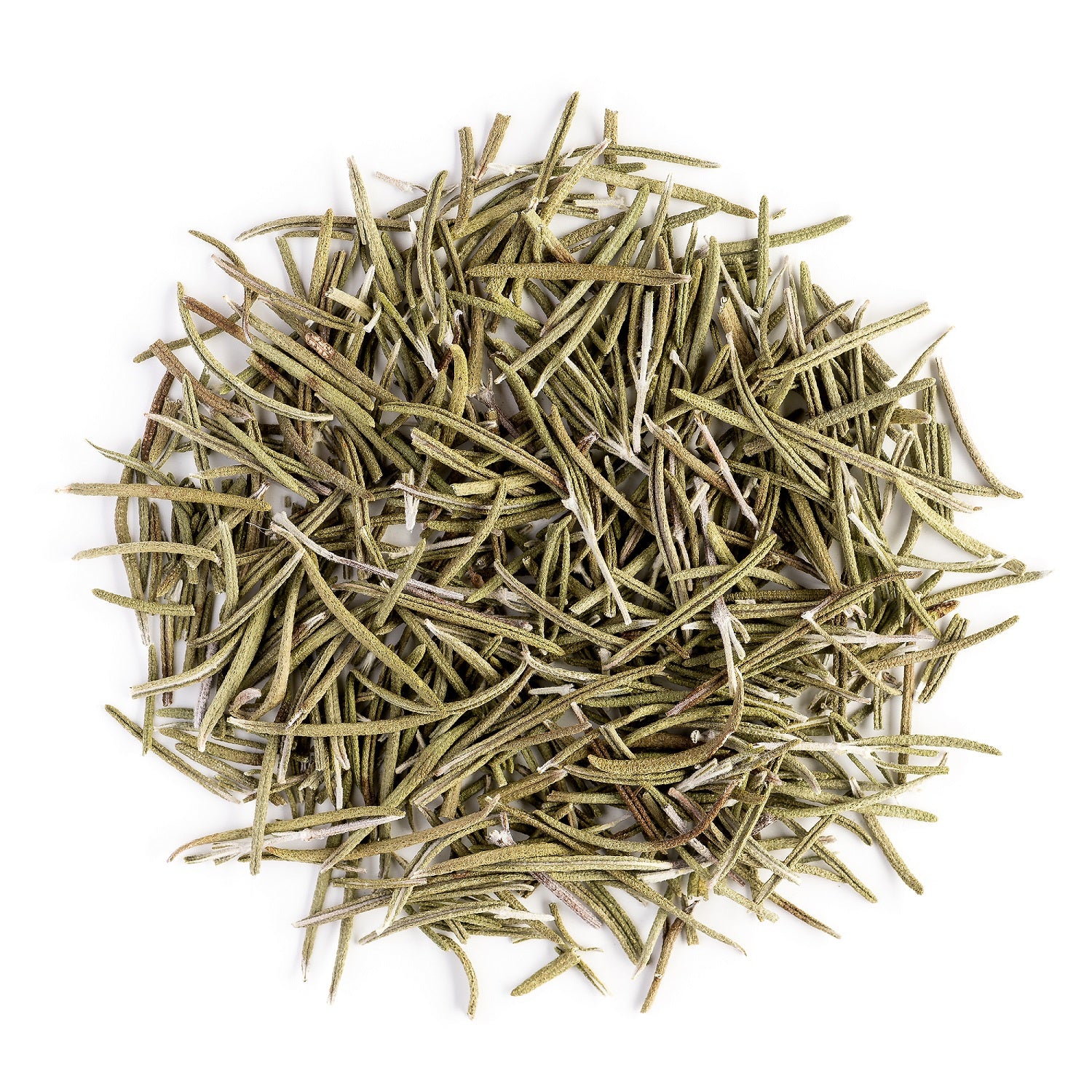
Visual inspection gives you useful secondary checks. Fresh, properly dried horsetail should be distinctly green. A brown or yellowish colour indicates either old stock, improper drying at too high a temperature, or exposure to light during storage. All of those conditions degrade both the mineral and the flavonoid content. The stems should be intact and recognisable rather than fragmented into unidentifiable dust.
Most commercially available horsetail is wild-harvested in Eastern Europe, particularly in Poland, Romania, and Hungary, where the plant grows abundantly in damp meadows and along watercourses. Wild-harvested herbs require particular attention to contamination risk: horsetail grows readily on roadsides and agricultural margins where heavy metal and pesticide contamination are possible. We verify botanical identity with our suppliers and ask for lot-specific documentation to confirm correct species and origin.
European-sourced horsetail is generally preferable to sources from further afield for traceability reasons. The EU has clearer regulatory frameworks for wild-harvested herbs than many other regions, and the chain of documentation is easier to verify. When we source horsetail, the species confirmation is the first thing we check, before anything else.
Store dried horsetail in a sealed container away from light and moisture. Properly stored, it keeps well for 12-18 months without significant loss of mineral content, though the green colour will gradually fade over time.
Conclusion
Horsetail tea stands out in the herbal world for one specific reason: its silica content. No other widely available herb contains silicon dioxide at the concentration horsetail does. That makes it a focused choice rather than a general-purpose herbal tea. The key practical requirements are simmering rather than steeping, confirming the species as Equisetum arvense before you buy, and keeping daily consumption moderate to avoid the thiaminase-related B1 depletion risk. Brewed properly, horsetail tea is a straightforward mineral herb with a long history in European herbalism and a clear place in any herb collection built around silica-rich plants.
Laat een reactie achter
Reacties worden goedgekeurd voor ze verschijnen.
I18n Error: Missing interpolation value "titel" for "Ook in {{ titel }}"
The Complete Guide to Drinking Tea
What tea is, how the main types differ in the cup, and how to brew each one properly. Water temperature, steeping times, storage and how to get more than one cup from your leaves.
Lees Meer

Black Tea: Types, Processing, and How to Brew It
Black tea is fully oxidized Camellia sinensis. Compare Assam, Darjeeling, Keemun, and Ceylon varieties. Learn processing, brewing, and caffeine levels.

How To Grow Black Tea
Learn how to grow black tea at home: soil, climate, and the five processing steps from fresh leaf to a finished cup of black tea.

Wijsheid is de weg naar betere thee.
Ontvang onze gratis zetgids: het juiste water, de juiste temperatuur en de juiste trektijd voor elke thee die we verkopen. U hoort ook als eerste wanneer nieuwe oogsten binnenkomen.
Geen spam. U kunt zich altijd uitschrijven.
Kijk in uw inbox.
De gids is onderweg.