













How To Make Earl Grey Tea
Earl Grey is one of the most recognized teas in the world, and one of the most frequently brewed wrong. The bergamot oil that gives Earl Grey its distinctive citrus-floral character turns harsh and soapy when the tea is over-steeped or drowned in boiling water left on the leaves too long. Brewed correctly, it is smooth, aromatic, and balanced — black tea backbone with a clean bergamot lift.
At Valley of Tea, we have been sourcing and tasting teas for over fifteen years. This guide draws on that experience.

This guide covers every way to make Earl Grey at home: hot, with milk, as a latte (the London Fog), and iced. Specific temperatures, weights, and times. No guesswork.
What You Need
Earl Grey does not demand specialty equipment, but a few things make a real difference.
Tea: Loose leaf Earl Grey gives you the best flavour and the most control. Earl Grey is flavoured with bergamot in one of three ways: essential oil, natural flavour, or artificial flavour. Our Earl Grey blend uses bergamot essential oil — it gives the most authentic, complex character, but it is also the most sensitive to brewing. Essential oil Earl Grey should be brewed briefly; extended steeping or excessive heat pushes it from clean citrus into harsh and soapy territory fast.

Natural bergamot flavour is more stable and consistent but is one-sided — a strong bergamot hit without much depth. Artificial flavouring is primarily a cost decision and shows in the cup. Use 2 to 3 grams per 200 to 250 ml of water. That is roughly one teaspoon. If using tea bags, one bag per cup is standard, but loose leaf will always deliver a fuller, more nuanced result.
Water: Filtered or spring water. Hard water with a lot of minerals can dull the bergamot notes. If your tap water tastes clean, it works. Avoid distilled water — it lacks the mineral content that supports proper extraction.
A kettle: A temperature-controlled kettle is helpful but not essential. You need water at 95 to 100 degrees Celsius. A standard kettle brought to a full boil and left to sit for 30 seconds will be in the right range.

A teapot or infuser: Anything that lets you separate the leaves from the water when the steep is done. A teapot with an infuser basket, a mug with a stainless steel strainer, or a simple French press all work. The critical requirement is that steeping stops when you want it to stop.
A timer: This matters more than people think. The difference between a 3-minute and a 5-minute steep with Earl Grey is the difference between a pleasant cup and a bitter, overly tannic one. Research published in Food Chemistry (2021) confirms that brewing time is a primary driver of polyphenol and tannin extraction — higher temperatures and longer steeping release more compounds, including astringent tannins.
Basic Hot Earl Grey
This is the foundation. Get this right and every variation below becomes straightforward.

- Boil your water. Bring fresh water to a rolling boil, then let it rest for 20 to 30 seconds. You want 95 to 100 degrees Celsius. Using water straight off a hard boil is fine for Earl Grey — unlike green tea, the black tea base can handle the heat.
- Measure the tea. Add 2 to 3 grams of loose leaf Earl Grey to your teapot or infuser. For a stronger cup, use 3 grams. For a lighter, more bergamot-forward cup, use 2 grams.
- Pour the water. Add 200 to 250 ml of water over the leaves.
- Steep for 3 to 4 minutes. This is the window. At 3 minutes you get a lighter body with prominent bergamot aroma. At 4 minutes the black tea character comes through more — fuller body, slightly more tannin. Do not exceed 4 minutes. Beyond that point, the tannins become aggressive and the bergamot oil turns bitter and almost soapy.
- Remove the leaves. Take out the infuser or pour the tea off the leaves immediately. Leaving the leaves sitting in the liquid even for an extra minute will push the brew past the point of balance.
- Serve. Earl Grey is excellent on its own, with nothing added. If you prefer sweetness, a small amount of honey or sugar works well. Lemon is a classic pairing — a thin slice or a few drops of juice brightens the bergamot without competing with it.
Earl Grey with Milk

Adding milk to Earl Grey is a matter of personal preference, not a rule violation. The milk softens the tannins and creates a rounder, more mellow cup. It works especially well when the tea is brewed slightly stronger than you would drink it black.
- Brew the tea stronger than usual. Use 3 grams of tea per 200 ml of water. Steep for a full 4 minutes. The milk will dilute the brew, so you need a stronger starting point.
- Add milk after brewing. Pour the brewed tea into your cup first, then add milk. Start with a small splash — 20 to 30 ml — and adjust from there. Whole milk or oat milk both complement Earl Grey well. Oat milk in particular pairs naturally with the bergamot and adds a slight sweetness.
- Sweeten if desired. A half teaspoon of sugar or honey rounds out the cup. This combination — strong Earl Grey, a splash of milk, a touch of sweetness — is the baseline for the latte variation below.
Earl Grey Latte (London Fog)

The London Fog is Earl Grey's most popular café variation: strong-brewed Earl Grey, steamed milk, and vanilla. It is easy to make at home and tastes better than most coffee shop versions because you control the tea quality and steeping time.
- Brew a concentrated Earl Grey. Use 3 grams of loose leaf Earl Grey in just 120 ml of water at 95 to 100 degrees Celsius. Steep for 4 minutes. You want this strong — the milk will make up the rest of the volume.
- Heat and froth the milk. Warm 150 to 180 ml of milk (dairy or oat) until steaming but not boiling. Froth it with a milk frother, a French press (pump the plunger up and down for 20 seconds), or simply whisk vigorously. You want it foamy and hot, not scalded.
- Add vanilla. Stir a quarter teaspoon of vanilla extract into the brewed tea, or use vanilla syrup if you prefer more sweetness. Real vanilla extract gives a cleaner flavour than syrup, but either works.
- Combine. Pour the concentrated tea into a large mug. Add the steamed milk. Spoon the foam on top. Sweeten to taste with honey or sugar if the vanilla alone is not enough.
The result should be creamy, aromatic, and distinctly Earl Grey. If the bergamot disappears behind the milk, brew the tea stronger next time or reduce the milk volume.

Iced Earl Grey

Iced Earl Grey is refreshing and surprisingly easy to get right. There are two methods: the quick method and the cold brew method. Both work. The cold brew is smoother; the quick method is ready in minutes.
Quick Method (Hot Brew over Ice)
- Brew a double-strength Earl Grey. Use 4 to 5 grams of tea per 200 ml of hot water. Steep for 3 minutes — not longer, because the ice will not fix bitterness.
- Remove the leaves.
- Pour the hot tea directly over a full glass of ice (about 150 to 200 grams). The ice will melt and dilute the concentrate to drinking strength.
- Add a slice of lemon or a sprig of fresh mint if you like. Sweeten with simple syrup (sugar dissolves poorly in cold liquid, so pre-dissolve it in a small amount of hot water).
Cold Brew Method
- Add 4 to 5 grams of Earl Grey to 500 ml of cold or room-temperature water in a jar or pitcher.
- Refrigerate for 8 to 12 hours.
- Strain and serve over ice.
The cold brew method produces a smoother, less tannic cup because cold water extracts fewer tannins and less caffeine. The bergamot comes through clearly and cleanly. This is the better method if you have the time. Studies on tea infusion parameters confirm that cold-water extraction yields lower tannin and caffeine levels, which explains the softer flavour profile — see Factors Affecting the Caffeine and Polyphenol Contents of Black and Green Tea Infusions (Journal of Agricultural and Food Chemistry).
Common Mistakes

Over-steeping. This is the single most common error with Earl Grey. Bergamot essential oil — which gives quality Earl Grey its character — does not hold up well under extended steeping. In my experience, past 4 to 5 minutes it shifts from pleasant citrus to harsh, almost chemical bitterness. This is especially pronounced with essential oil blends; natural flavour versions are a bit more forgiving but still deteriorate. Set a timer. Remove the leaves when it goes off.

Using stale tea. Earl Grey depends on bergamot oil for its character, and that oil fades over time. Tea that has been sitting open in a cupboard for six months will taste flat and generic. Store Earl Grey in an airtight container away from light, heat, and strong odours. Use it within three to four months of opening. The bergamot in Earl Grey is derived from Citrus bergamia, a highly aromatic fruit whose volatile oils are sensitive to air and heat exposure.
Too much milk. Milk should complement the tea, not replace it. If your Earl Grey with milk tastes mostly like warm milk, you either used too much milk or brewed the tea too weak. Adjust the ratio.
Skipping the preheat. Pouring boiling water into a cold ceramic teapot drops the water temperature more than you think. Rinsing the teapot with hot water first keeps the brewing temperature stable and produces a more consistent cup.
Quick Reference
| Method | Tea | Water | Temperature | Steep Time | Notes |
|---|---|---|---|---|---|
| Basic hot | 2–3 g | 200–250 ml | 95–100°C | 3–4 min | Do not exceed 4 min |
| With milk | 3 g | 200 ml | 95–100°C | 4 min | Add 20–30 ml milk after |
| London Fog | 3 g | 120 ml | 95–100°C | 4 min | Add 150–180 ml frothed milk + vanilla |
| Iced (quick) | 4–5 g | 200 ml | 95–100°C | 3 min | Pour over 150–200 g ice |
| Iced (cold brew) | 4–5 g | 500 ml | Cold | 8–12 hours | Strain and serve over ice |
Earl Grey is a forgiving tea when you respect two boundaries: do not over-steep it, and use decent leaves. Everything else — milk, lemon, vanilla, ice — is a matter of personal taste. Start with the basic hot method, get comfortable with the timing, and branch out from there. Browse our Earl Grey tea if you want to start with leaves worth brewing.
Sources: Influence of Tea Brewing Parameters on the Antioxidant Potential of Infusions (PMC); Factors Affecting the Caffeine and Polyphenol Contents of Black and Green Tea Infusions, Journal of Agricultural and Food Chemistry; Clinical Application of Bergamot for Reducing High Cholesterol and Cardiovascular Disease Markers (PMC).
Laat een reactie achter
Reacties worden goedgekeurd voor ze verschijnen.
I18n Error: Missing interpolation value "titel" for "Ook in {{ titel }}"
The Complete Guide to Drinking Tea
What tea is, how the main types differ in the cup, and how to brew each one properly. Water temperature, steeping times, storage and how to get more than one cup from your leaves.
Lees Meer
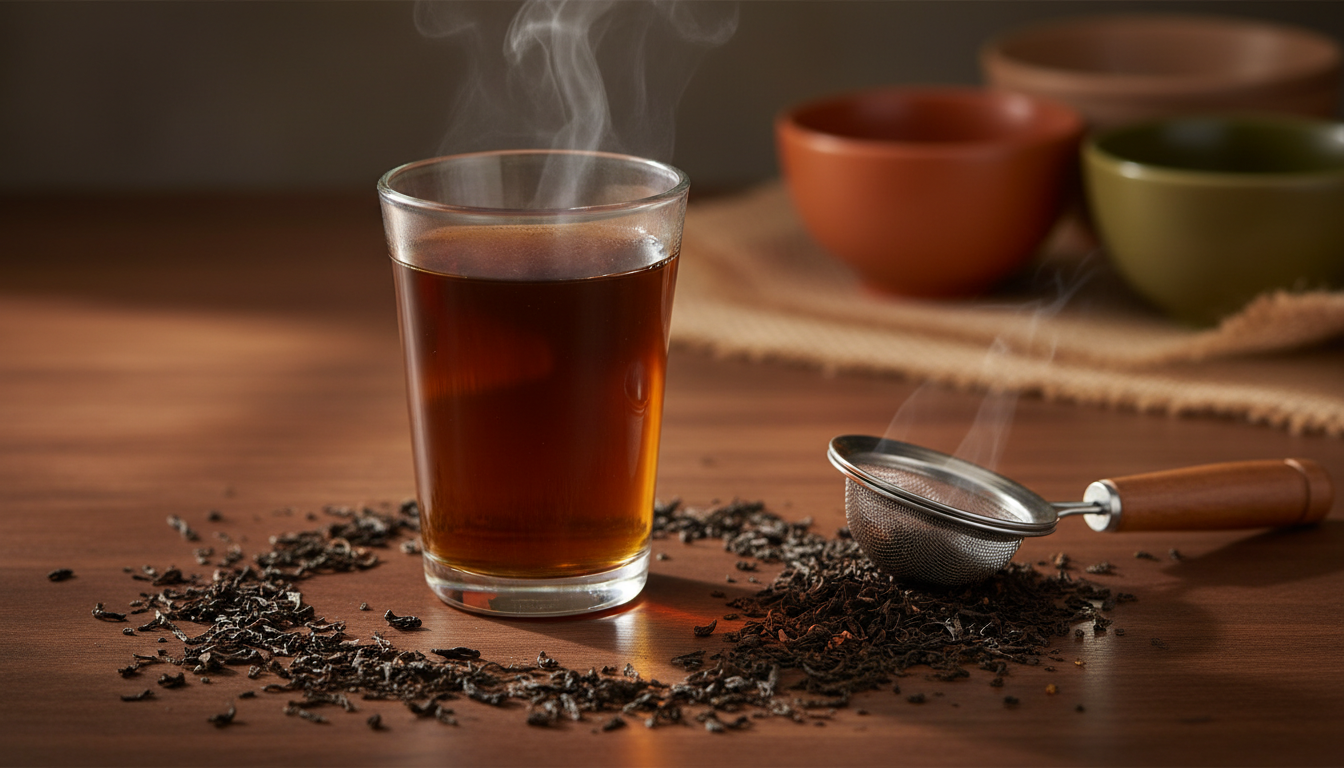

Black Tea: Types, Processing, and How to Brew It
Black tea is fully oxidized Camellia sinensis. Compare Assam, Darjeeling, Keemun, and Ceylon varieties. Learn processing, brewing, and caffeine levels.
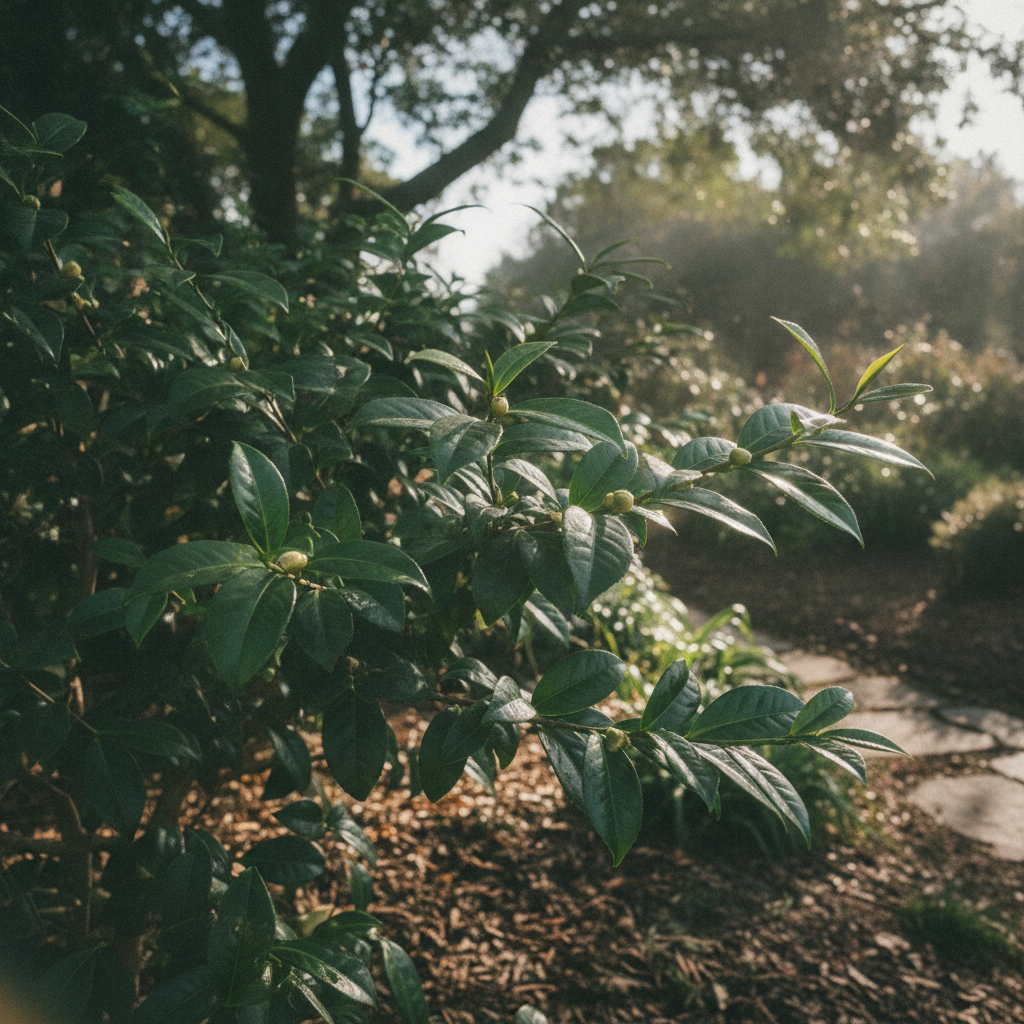

How To Grow Black Tea
Learn how to grow black tea at home: soil, climate, and the five processing steps from fresh leaf to a finished cup of black tea.

Wijsheid is de weg naar betere thee.
Ontvang onze gratis zetgids: het juiste water, de juiste temperatuur en de juiste trektijd voor elke thee die we verkopen. U hoort ook als eerste wanneer nieuwe oogsten binnenkomen.
Geen spam. U kunt zich altijd uitschrijven.
Kijk in uw inbox.
De gids is onderweg.