













Iced Tea: How to Brew It Right
Iced tea is the most underrated way to drink good tea. Most people's experience with it is a syrupy bottled drink or a weak brew poured over ice that tastes like slightly flavored water. Neither represents what iced tea can be when you start with quality loose leaf and use the right method.
The difference between mediocre iced tea and excellent iced tea comes down to three things: leaf quality, concentration, and method. Get those right and you produce a cold drink with real depth — flavor that holds up to dilution from ice, sweetness that comes from the tea itself rather than added sugar, and a clean finish that makes you want another glass.

Valley of Tea's loose leaf teas are particularly well suited for iced tea. Whole leaves produce a cleaner, smoother cold brew with less bitterness than tea bags. They re-steep well, which means you can get multiple batches from the same leaves. And they lack the dusty, over-extracted quality that makes iced tea from bags taste flat and tannic.
This guide covers both hot brew and cold brew methods, the best teas for icing, five tested recipes, and practical advice on sweetening, equipment, batching, and storage.
Hot Brew vs Cold Brew: Two Methods for Iced Tea
There are two fundamental approaches to making iced tea, and they produce noticeably different results.
Hot Brew Method (Flash Chill)
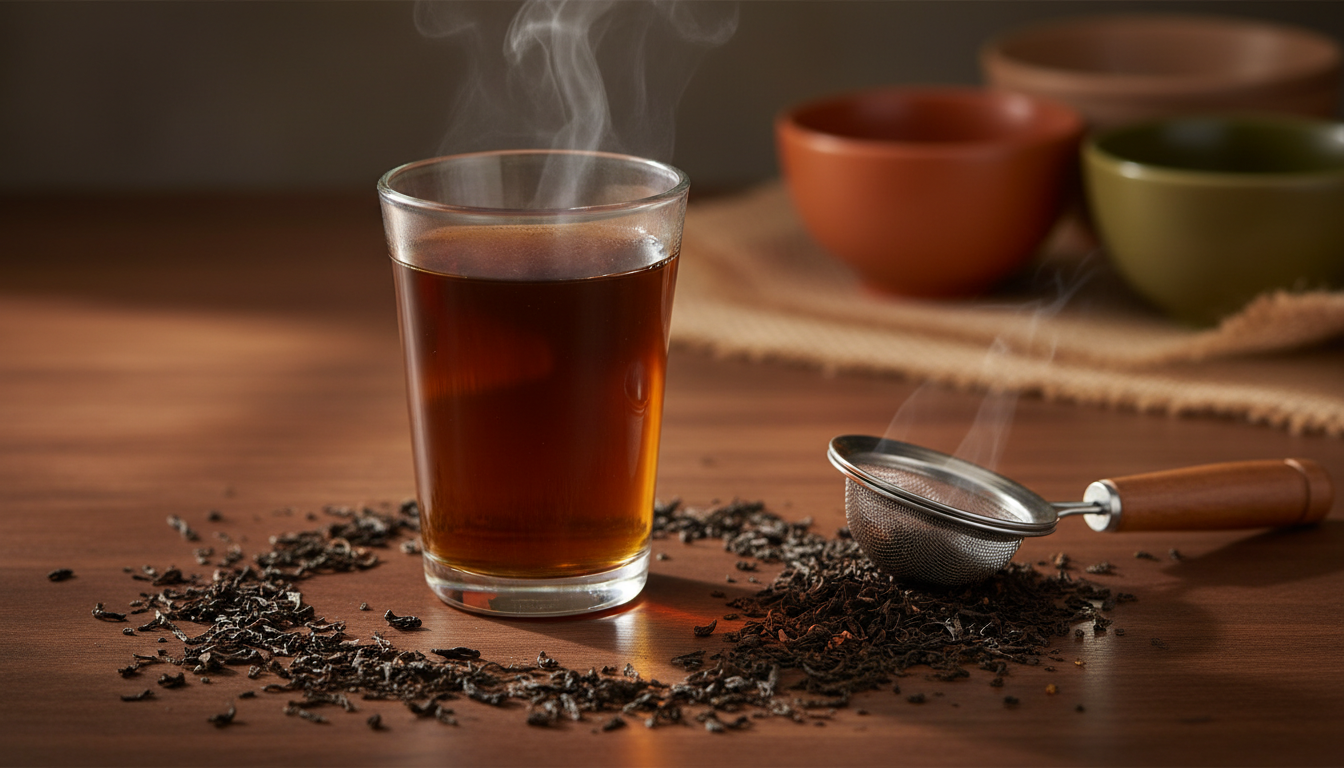
Hot brew iced tea works by steeping tea at double strength with hot water, then pouring it directly over ice. The ice melts and dilutes the concentrate to drinking strength while chilling it instantly. The whole process takes about 10 minutes from kettle to glass.
Hot brewing extracts the full range of flavor compounds — catechins, tannins, amino acids, essential oils — in a short time. The result is a bold, aromatic iced tea with the same flavor profile you would get from a hot cup, just cold. This method works best when you want a robust iced tea with strong tea character.
The trade-off is that hot brewing also extracts more tannins, which can produce slight bitterness or astringency. You manage this by using the right steep time and not over-extracting.
Cold Brew Method
Cold brewing steeps tea in cold or room-temperature water for an extended period — typically 6 to 12 hours. The low temperature changes the extraction chemistry fundamentally. Cold water extracts amino acids and sugars efficiently but is poor at extracting catechins and tannins. The result is a naturally sweet, smooth, almost silky iced tea with very low bitterness.

Cold brew takes patience but almost zero effort. You combine tea and water, put it in the fridge, and wait. The margin for error is wide — an extra hour of cold steeping will not ruin your tea the way an extra minute of hot steeping might.
Research published in Journal of Food Science and Technology (2015) confirms that cold brewing extracts higher concentrations of certain bioactive compounds while producing lower bitterness and astringency than hot brewing — a meaningful advantage when serving iced tea to guests unfamiliar with quality loose leaf. (Effects of alternative steeping methods on antioxidant property of tea infusions — PMC)
Which Method to Choose
Use hot brew when you want bold, full-flavored iced tea quickly. Use cold brew when you want smooth, naturally sweet iced tea and can plan ahead. Both produce excellent results with different character. I keep a cold brew pitcher in the fridge at all times during summer and use hot brew when I want something immediate or when I am making a specific recipe that needs stronger tea flavor as a base.
Best Teas for Iced Tea
Not every tea shines cold. Some teas that are exceptional hot become flat or one-dimensional over ice. Others that are merely good hot become outstanding cold. Here is what works.
Black Tea
Black tea is the classic iced tea base for good reason — it has enough body and flavor intensity to survive dilution from ice. The best black teas for icing are full-bodied, malty, and smooth without excessive astringency.
Ceylon (Sri Lanka) is the benchmark for iced black tea. Its bright, clean character and medium body produce an iced tea that is refreshing without being heavy. A mid-grown Ceylon from Kandy or Dimbula is ideal — high-grown teas can be too delicate, low-grown too brash.
Assam makes a robust, malty iced tea that stands up to sweetener and lemon. Orthodox Assam (not CTC) gives you the body without the harsh tannins. Our Artisan Assam is a particularly good choice for hot-brewed iced tea — full-bodied enough to hold up to ice without any harshness. Use it when you want a strong, no-nonsense iced tea.

Keemun and other Chinese black teas produce a more nuanced iced tea — slightly smoky, with stone fruit notes. Keemun Black Tea works well for unsweetened iced tea where subtlety is the point.
Darjeeling second flush works iced, but first flush is too delicate — the muscatel character gets lost in the cold.
Red Jade (Taiwan) is my top recommendation for iced black tea. Full-bodied and smooth, with a natural minty note and a fruity bouquet that becomes even more pronounced when cold. It holds up to ice better than most Assams without any of the harshness. If you only ice one black tea, make it this one.
Green Tea
Green tea cold brews beautifully. The naturally high amino acid content (especially L-theanine) makes cold-brewed green tea sweet and umami-rich without any bitterness.
Sencha is the top choice for iced green tea. Japanese Sencha has an intense vegetal sweetness that cold brewing amplifies. Use a good-quality Sencha and cold brew it — the result is one of the most refreshing drinks you can make.
Gunpowder green tea works well for hot-brewed iced tea. The tightly rolled pellets produce a strong, slightly smoky green tea that can handle ice dilution. It is also the traditional base for Moroccan-style mint iced tea. Try our Gunpowder Green Tea for the classic version of this recipe.
Longjing (Dragon Well) produces a delicate, nutty iced tea that works best cold brewed and served without sweetener. It is more subtle than Sencha — good for sipping, not for mixing.

Jasmine green tea is a natural iced tea candidate. The floral notes intensify when cold, producing an aromatic, elegant iced tea. Our Jasmine Pearls cold brewed for 8 hours and served straight — they need nothing else.
Herbal Tea
Herbal teas are iced tea powerhouses because many of them are naturally intense, fruity, and sweet without caffeine.
Hibiscus is the standout. It produces a deep crimson, tart, cranberry-like iced tea that is as visually striking as it is flavorful. Hibiscus iced tea is common across Latin America, the Caribbean, West Africa, and the Middle East for a reason — it is one of the best cold drinks in existence.
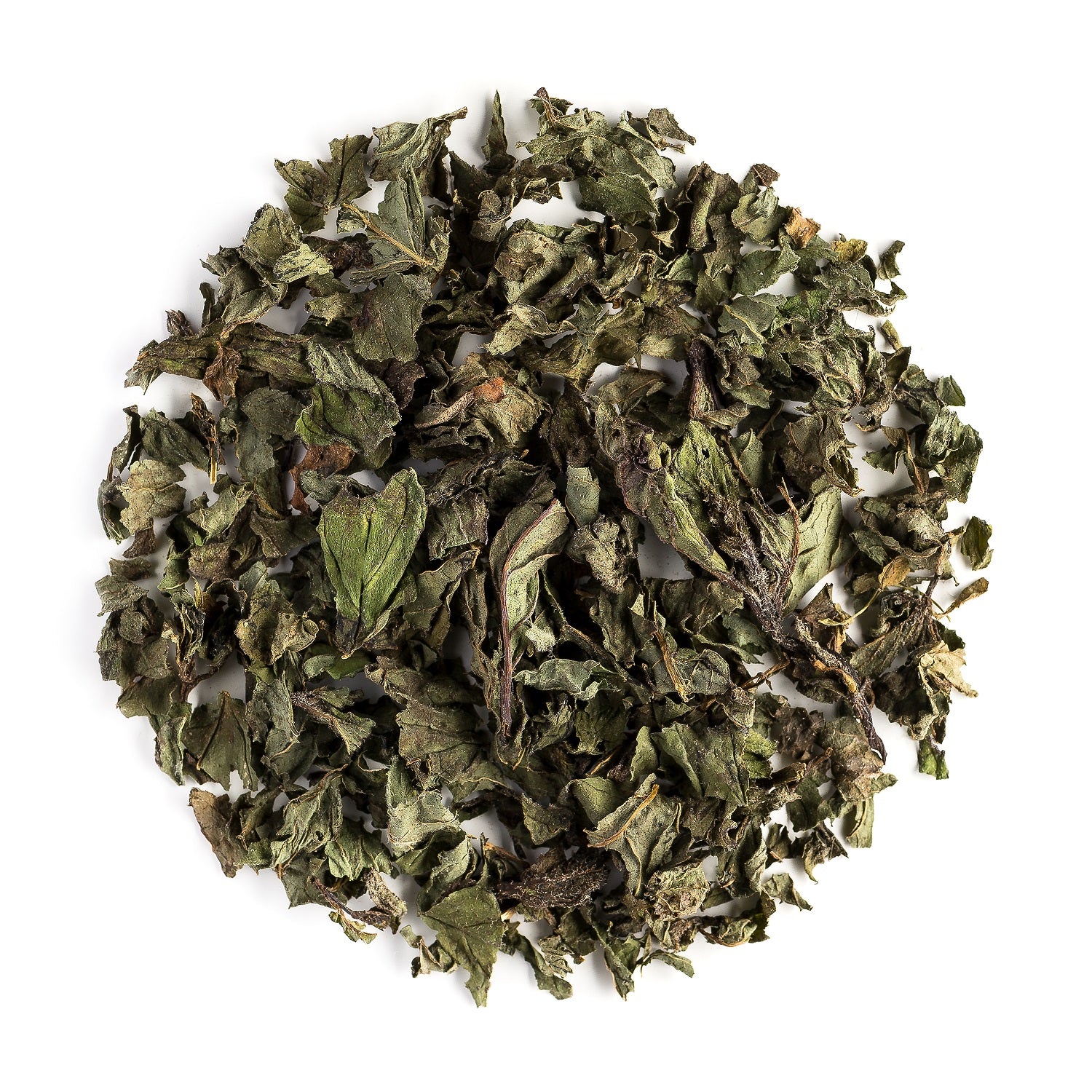
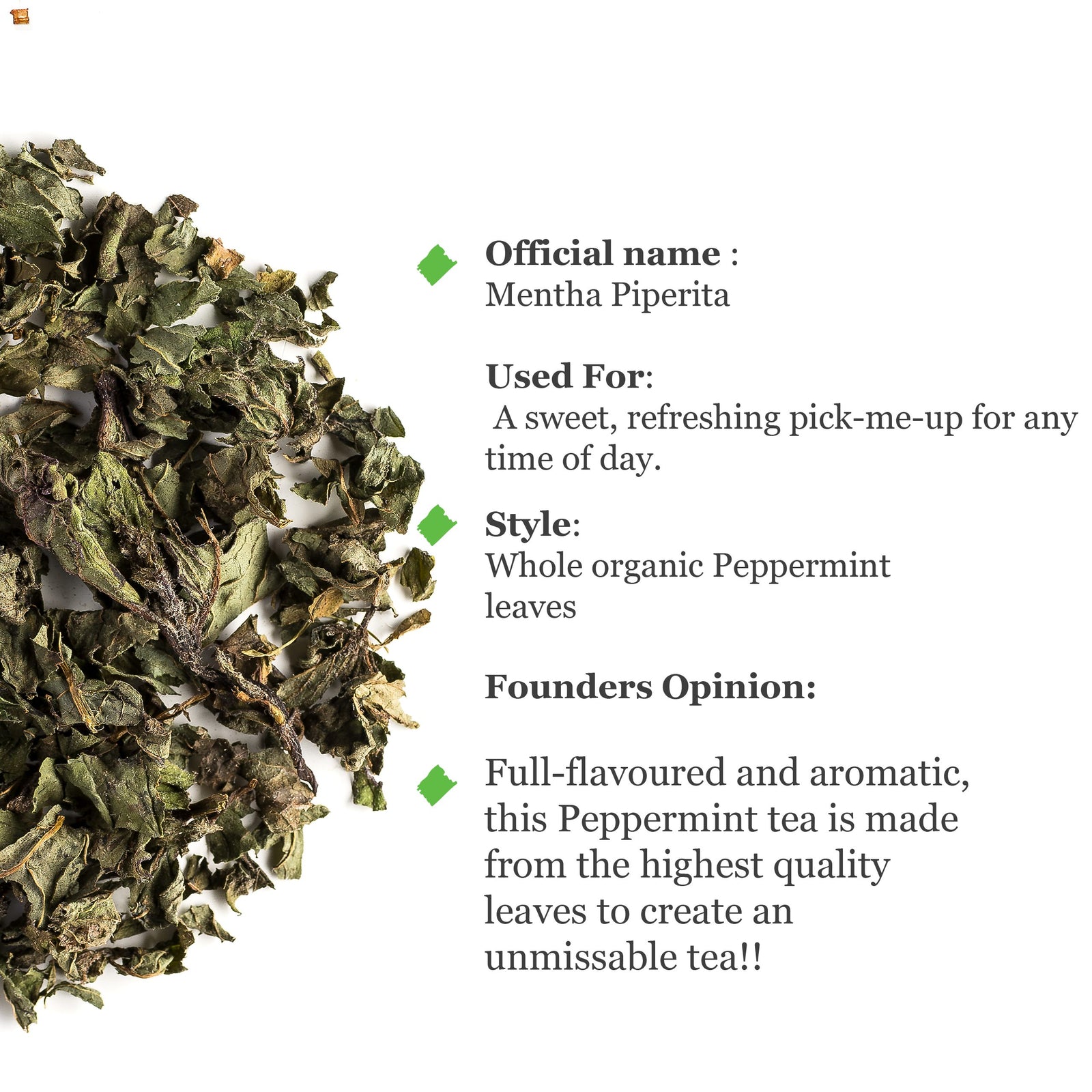
Peppermint makes a cooling, refreshing iced tea. Use it alone or blend it with green tea. It works hot brewed or cold brewed.
Rooibos from South Africa produces a naturally sweet, caffeine-free iced tea with a smooth, slightly nutty character. It handles sweetener well and makes an excellent base for fruit-flavored iced teas. Our Green Rooibos cold brews into a particularly clean, mild version.
Chamomile can work iced but goes flat, toward apple-juice territory. Better blended with something brighter like lemongrass or citrus peel.
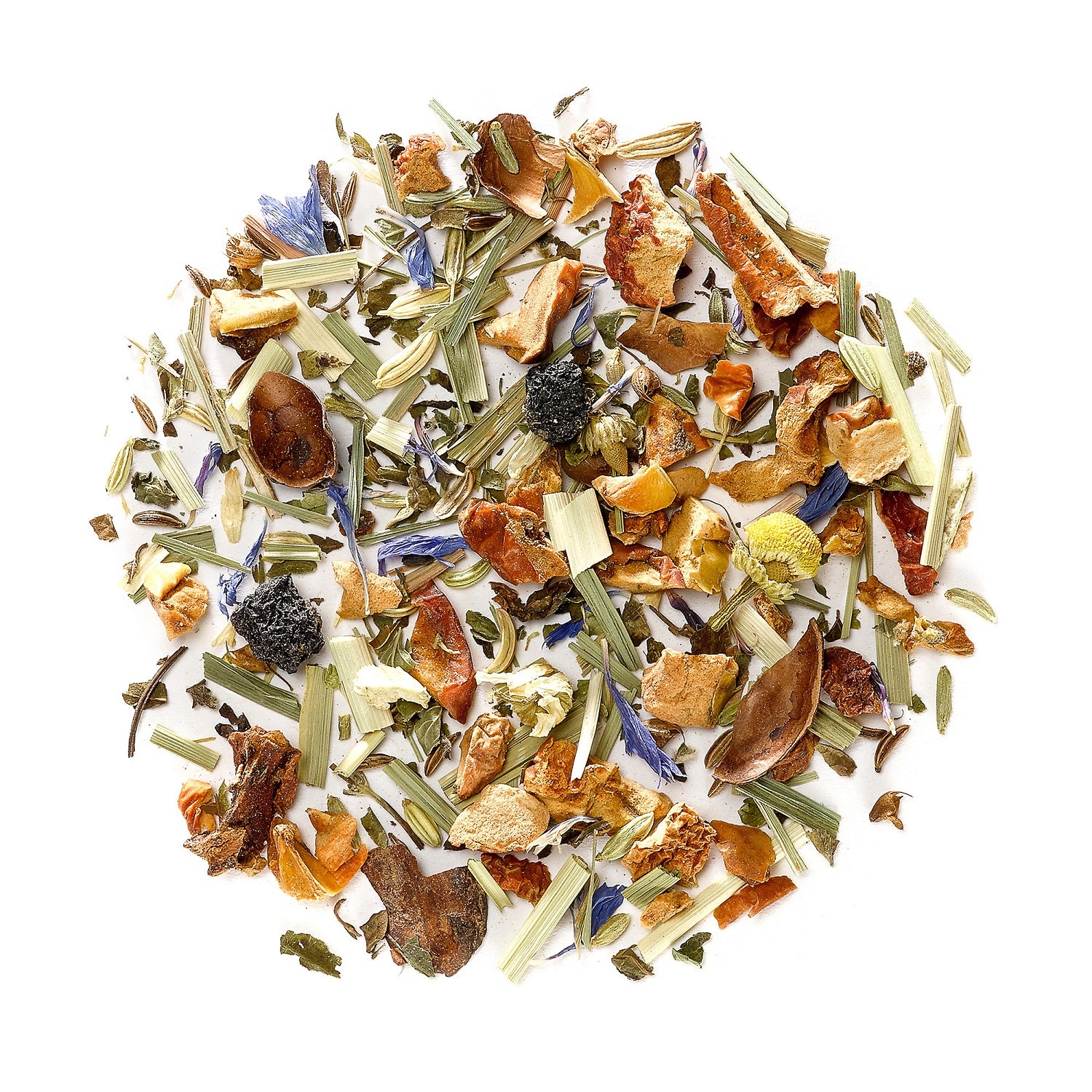
Fruit blends — combinations of hibiscus, rosehip, apple pieces, and citrus peel — are designed for iced tea even if they are not marketed that way. Their intense fruit character and natural tartness make them refreshing cold.

Oolong Tea
Oolong is the dark horse of iced tea. Lightly oxidized oolongs — Taiwanese high-mountain varieties and Tieguanyin — cold brew into something distinctive: floral, creamy, with a lingering sweetness that needs no sugar.
Ball-rolled oolongs need longer cold brew times (10–12 hours) because the tightly rolled leaves take time to unfurl in cold water. The wait is worth it.
Darker, roasted oolongs like Da Hong Pao work better hot brewed and flash chilled. Their toasty, mineral character produces an iced tea with unusual depth — think cold coffee without the bitterness.
How to Make Iced Tea: Hot Brew Method
This is the fast method. You will have iced tea in your glass in under 10 minutes.
What You Need
- Loose leaf tea: 5–6 g per 500 ml final volume (about 2 tablespoons for most teas)
- Hot water: 250 ml at the correct temperature for your tea type
- Ice: 250 ml worth (about 8–10 standard ice cubes)
- A teapot or brewing vessel with a strainer
- A heatproof glass or pitcher
Steps
- Heat your water to the correct temperature. For black tea: 95°C. For green tea: 75–80°C. For oolong: 85–90°C. For herbal tea: 100°C.
- Measure your tea. Use double the amount you would for a normal hot cup. This is critical — you are brewing a concentrate that will be diluted by ice. If your normal ratio is 3 g per 250 ml, use 5–6 g per 250 ml of hot water.
- Steep for the standard time — do not over-steep. Black tea: 3–4 minutes. Green tea: 2–3 minutes. Oolong: 3–4 minutes. Herbal: 5–7 minutes. The double leaf quantity gives you the strength; extending the time gives you bitterness.
- Strain the tea into a heatproof pitcher or directly over a glass filled with ice. The ice will crack and pop — this is normal.
- Stir briefly to distribute the cold evenly. If the ice has fully melted and the tea is not cold enough, add more ice.
- Taste and adjust. If it is too strong, add a splash of cold water. If too weak, your leaf-to-water ratio needs adjusting next time.
Hot Brew Tips
- Pre-chill your glass in the freezer for 10 minutes if you want the coldest possible result.
- Use large ice cubes or ice blocks rather than small cubes — they melt more slowly and dilute less.
- Do not let steeped tea sit at room temperature before icing. Pour it over ice immediately for the clearest, cleanest flavor. Slow cooling produces cloudy tea (called "cream down" in black teas) and can develop off flavors.
How to Cold Brew Tea
Cold brewing is the hands-off method. Set it up the night before and you have iced tea waiting in the morning.
What You Need
- Loose leaf tea: 8–10 g per liter of cold water (about 3–4 tablespoons)
- Cold, filtered water: 1 liter
- A pitcher or jar with a lid
- A strainer (if your pitcher does not have a built-in filter)
Steps
- Measure your tea into the pitcher. Use slightly more tea than you think you need — cold water extracts less efficiently than hot water, so the ratio is higher.
- Add cold water. Filtered or spring water is best. Tap water with heavy chlorine will produce flat-tasting iced tea regardless of leaf quality.
-
Refrigerate for 6–12 hours. The steeping time depends on the tea type:
- Green tea: 6–8 hours
- Black tea: 8–10 hours
- Oolong tea: 10–12 hours
- Herbal tea: 8–12 hours (hibiscus needs only 4–6 hours — it extracts fast)
- White tea: 8–10 hours
- Strain the leaves and return the tea to the fridge. Do not leave the leaves in the pitcher after the brew time completes — they will keep extracting and eventually produce bitterness even in cold water.
- Serve over ice or drink straight from the fridge. Cold brew iced tea is usually smooth enough to drink without ice if you prefer it less diluted.
Cold Brew Tips
- Room temperature water (20°C) brews faster than fridge-cold water (4°C). You can start at room temperature for the first 2 hours, then move to the fridge. This cuts total brew time by a couple of hours.
- Ball-rolled oolongs and tightly curled teas need the full 12 hours. Do not rush them.
- You can re-brew the same leaves a second time. Add fresh cold water to the strained leaves and refrigerate again. The second brew will be lighter but still flavorful — effectively doubling your yield from one batch of leaves.
- Cold brew produces a naturally clear tea. If clarity matters (for serving guests, for example), cold brew is the way to go.
Iced Tea Recipes
These are tested recipes using the methods above. Measurements are for one liter of finished iced tea unless stated otherwise.
Classic Black Iced Tea
The foundation. Clean, strong, and versatile — drink it straight, with lemon, or sweetened.

- 10 g Ceylon or Assam loose leaf black tea
- 500 ml water at 95°C
- 500 ml ice
- Optional: lemon slices, sweetener
Hot brew method. Steep the tea in 500 ml hot water for 4 minutes. Strain directly over the ice in a large pitcher. Stir until the ice melts. Add lemon slices if desired. Sweeten while the tea still has some warmth — sugar dissolves poorly in cold liquid.
This is your everyday iced tea. Make it in batches and keep a pitcher in the fridge.
Green Mint Iced Tea
Cool, herbal, and naturally sweet. Based on Moroccan mint tea but built for cold drinking.
- 6 g gunpowder green tea
- 15 g fresh spearmint leaves (about a large handful), lightly bruised
- 1 liter cold water
- Optional: 1 tablespoon honey dissolved in 2 tablespoons warm water
Cold brew method. Combine the gunpowder tea and mint leaves in a pitcher. Add cold water. Refrigerate for 8 hours. Strain, pressing the mint gently to extract all flavor. Stir in the honey mixture if using. Serve over ice with a fresh mint sprig.
The gunpowder-mint combination is greater than the sum of its parts. The tea provides structure and a slight smokiness; the mint provides brightness and aroma.
Hibiscus Iced Tea
Bold, tart, visually stunning. This is a crowd-pleaser at every barbecue and dinner party.
- 15 g dried hibiscus flowers
- 1 liter water at 100°C
- 500 ml ice
- 2 tablespoons honey or sugar (adjust to taste)
- Juice of 1 lime
Hot brew method for speed, or cold brew for smoothness. For hot brew: steep the hibiscus in 500 ml boiling water for 7 minutes. It will turn an intense dark red. Strain over ice. Stir in sweetener while warm, then add lime juice.

For cold brew: combine hibiscus and 1 liter cold water. Refrigerate 4–6 hours. Strain, sweeten, and add lime.
Hibiscus iced tea is naturally tart — almost cranberry-like — so it benefits from some sweetener to balance the acidity. The lime lifts the whole drink.
Peach Iced Tea
Summer in a glass. Uses real fruit, not artificial flavoring.
- 8 g Ceylon black tea
- 2 ripe peaches, sliced (or 150 g frozen peach slices)
- 1 liter cold water
- Optional: 1 tablespoon honey
Cold brew method. Place the tea and peach slices in a pitcher. Add cold water. Refrigerate for 10 hours. Strain through a fine-mesh sieve, pressing the peach slices lightly. Sweeten if desired.
The peaches add natural sweetness and a stone-fruit depth that turns ordinary black iced tea into something special. Use ripe, fragrant peaches for the best result. Out of season, frozen peach slices work surprisingly well because freezing breaks down cell walls and releases more flavor during the cold steep.
Arnold Palmer (Half Tea, Half Lemonade)
The iconic combination. The key is getting the ratio and sweetness balance right so neither component overpowers the other.
- 500 ml strong black iced tea (hot brew method, using 8 g Ceylon per 250 ml water)
- 500 ml fresh lemonade (juice of 4 lemons, 80 g sugar, 400 ml cold water, stirred until dissolved)
Make the tea and lemonade separately. Combine in a pitcher. Stir. Serve over ice.

The standard ratio is 1:1, but adjust to taste. More tea makes it drier and more refreshing. More lemonade makes it sweeter and more tart. The tea needs to be brewed strong enough that it does not disappear behind the lemon — this is where loose leaf makes a real difference. A weak tea base produces a drink that tastes like slightly tannic lemonade.
Sweetening Iced Tea
The biggest mistake people make with iced tea is trying to dissolve granulated sugar in a cold drink. It sinks to the bottom and stays there. You have three good options.
Simple Syrup
Dissolve equal parts sugar and water by weight (for example, 200 g sugar in 200 ml water) in a small saucepan over low heat. Stir until clear. Cool and store in a bottle in the fridge. It keeps for a month.
Simple syrup mixes instantly into cold drinks because the sugar is already dissolved. It is the bartender's solution and it works perfectly for iced tea. You can infuse it with flavors — add fresh ginger, vanilla bean, lavender, or cinnamon while the syrup is warm, then strain.
Honey
Honey adds flavor as well as sweetness, which can be a benefit or a drawback depending on the tea. Lighter honeys (acacia, clover) complement most iced teas without overpowering them. Stronger honeys (buckwheat, chestnut) work with robust black teas but can clash with delicate greens.
Dissolve honey in a small amount of warm water before adding it to cold tea. Honey is viscous and will not incorporate smoothly into cold liquid on its own.
Sweeten While Warm
If you are using the hot brew method, add your sweetener to the hot tea concentrate before pouring over ice. The heat dissolves sugar and honey instantly. This is the simplest approach and produces the most even sweetness.

How Much Sweetener
Start with 15–20 g of sugar (or equivalent) per liter and adjust from there. Most commercially bottled iced teas use 80–100 g per liter — four to five times what you need when starting with good tea. Quality loose leaf tea has its own natural sweetness, especially when cold brewed, so you can use far less sugar than you expect.
Iced Tea Equipment
You do not need specialized equipment to make iced tea, but a few items make the process more convenient.
Pitchers
A 1–1.5 liter glass pitcher with a lid is the essential item. Glass does not retain flavors between batches and lets you see the tea's color. Avoid plastic for long-term storage — it absorbs flavors and stains from hibiscus and black tea.
Some pitchers include a built-in infuser basket that holds the tea leaves during brewing and lifts out when steeping is complete. These are ideal for cold brewing because they eliminate the straining step.
Cold Brew Bottles
Dedicated cold brew bottles with built-in strainers are convenient for single servings or small batches. Fill the strainer with tea, add water, cap, and refrigerate. They typically hold 500 ml to 1 liter and fit neatly in a fridge door.
Strainers
A fine-mesh stainless steel strainer catches everything, including small particles from herbals and rooibos. If you are brewing in a regular pitcher without a built-in filter, you will need one of these for straining into a serving vessel.
Ice
The quality of your ice matters more than you think. Ice made from tap water with high mineral content or chlorine will affect the taste as it melts — and in hot-brewed iced tea, a lot of ice melts. Use filtered water for your ice trays. Large-format ice cube trays (producing 4–5 cm cubes) are worth having — big cubes melt more slowly and dilute less.

A practical trick: freeze some of your brewed tea into ice cubes. Use these instead of water ice so your iced tea gets colder without getting weaker.
Making Iced Tea in Batches
Iced tea is ideal for batch preparation. Here is how to scale up.
Batch Cold Brew
The easiest batch method. Scale the cold brew ratio linearly:
| Batch Size | Tea | Water |
|---|---|---|
| 1 liter | 8–10 g | 1 liter |
| 2 liters | 16–20 g | 2 liters |
| 4 liters | 32–40 g | 4 liters |
Use a large jar or beverage dispenser. A 4-liter glass beverage dispenser with a tap is perfect for parties — fill it with cold brew iced tea, add some fruit slices for visual appeal, and let guests serve themselves.
Batch Hot Brew
For larger hot brew batches, the flash-chill-over-ice approach becomes impractical beyond 2 liters because you need enormous amounts of ice. Instead, brew a double-strength concentrate in whatever volume your kettle and teapot can handle, then dilute with cold water (not ice) and refrigerate.
Brew 2 liters of concentrate using 40–50 g of tea in 2 liters of water. Steep for the correct time. Strain into a 4-liter container. Add 2 liters of cold filtered water. Refrigerate. This produces 4 liters of iced tea ready to serve over ice.
Concentrate Strategy
If you drink iced tea daily, keep a concentrated cold brew in the fridge. Brew at triple strength (24–30 g per liter) and dilute 1:2 with water or ice when serving. The concentrate keeps for 3–4 days and lets you make a glass of iced tea in seconds.

Storing Iced Tea
Freshly brewed iced tea does not last as long as you might hope.
Shelf Life
Iced tea stored in the refrigerator stays fresh for 3–5 days. After that, the flavor flattens and the tea can develop an off taste. Herbal iced teas (especially hibiscus and fruit blends) last slightly longer — up to a week — because of their natural acidity.
Sweetened iced tea spoils faster than unsweetened. If you are making large batches, brew unsweetened and add sweetener to individual glasses at serving time.
Signs of Spoilage
- Cloudy appearance that was not present when freshly brewed
- Sour or fermented smell
- Slimy film on the surface
- Off taste — flat, musty, or vinegary
When in doubt, dump it and make a fresh batch. Iced tea is cheap and fast to prepare — there is no reason to drink questionable tea.
Storage Tips
- Always refrigerate iced tea within 2 hours of brewing. Leaving it at room temperature encourages bacterial growth.
- Store in a sealed container. Open pitchers absorb fridge odors.
- Glass containers are better than plastic. Plastic absorbs and retains flavors, which means last week's hibiscus tea can ghost into this week's green tea.
- Do not add fruit, mint, or other garnishes to the storage pitcher. They break down over time and accelerate spoilage. Add fresh garnishes to individual servings.
Frequently Asked Questions
Does iced tea have as much caffeine as hot tea?
Hot brew iced tea has similar caffeine to hot tea (40–70 mg per cup for black tea, 20–45 mg for green tea) because the extraction process is the same — you are just cooling it afterward. Cold brew iced tea has roughly 30–50% less caffeine because cold water extracts caffeine less efficiently than hot water.
If you are sensitive to caffeine, cold brew is the gentler option. Or use caffeine-free herbals: hibiscus and rooibos make outstanding iced teas with zero caffeine.
Why does my iced tea get cloudy?
Cloudiness in black iced tea is caused by "cream down" — a reaction between caffeine and tannins that occurs when hot tea cools slowly. It is cosmetic, not harmful. To prevent it: flash chill by pouring hot tea directly over ice (do not let it cool gradually), or cold brew instead (cold brew rarely clouds). If your tea is already cloudy, adding a splash of boiling water will temporarily clear it.

Can I use tea bags for iced tea?
You can, but the result will be inferior to loose leaf. Tea bags contain smaller particles that over-extract more easily, producing a bitter, tannic iced tea — especially noticeable in cold drinks where bitterness is not masked by heat. Loose leaf tea produces a cleaner, smoother iced tea and can be re-steeped for a second batch. The cost per liter is comparable or lower when you account for re-steeping.
How much loose leaf tea do I need per liter of iced tea?
For hot brew: 10–12 g per liter of finished iced tea (remembering that half your volume is ice). For cold brew: 8–10 g per liter of water. These are starting points — adjust based on your taste and the specific tea. Dense, ball-rolled teas like gunpowder or oolong weigh more per tablespoon than fluffy teas like white tea or chamomile, so measuring by weight (grams) is more accurate than by volume.
Is iced tea healthy?
Unsweetened iced tea retains the same antioxidants, polyphenols, and L-theanine as hot tea. Cold brewing may preserve more catechins (a type of antioxidant) than hot brewing, according to several studies. A 2023 comparative study of single-estate Camellia sinensis teas found that cold brewing produces infusions with distinct antioxidant profiles and in some cases higher levels of health-promoting compounds than hot brewing. (Comparative Analysis of Hot and Cold Brews from Single-Estate Teas — PMC) The health issue with iced tea is almost always added sugar — commercially bottled iced teas are often closer to soft drinks than tea in their sugar content.
When you make iced tea at home from loose leaf, you control what goes in. Unsweetened or lightly sweetened iced tea is one of the healthiest cold beverages you can drink.
Can I re-steep leaves for a second batch of iced tea?
Yes, and this is one of the major advantages of using loose leaf. After straining your first cold brew, add fresh water to the same leaves and brew again. The second batch will be lighter in flavor and caffeine. Whole-leaf oolongs and green teas re-steep particularly well. Tea bag contents are typically spent after one extraction.
Conclusion
Good iced tea starts with good tea. The same principles that make loose leaf better for hot brewing — larger leaves, cleaner extraction, re-steepability — apply even more strongly to iced tea. Cold temperatures suppress bitterness and amplify sweetness, which means quality differences between leaves are more apparent, not less.
Start with a simple cold brew: 10 g of loose leaf Ceylon in a liter of cold water, refrigerated overnight. That will tell you everything you need to know about the difference between real iced tea and the bottled versions you have been settling for.
Once you have the basics down, experiment. Try cold-brewed Jasmine Pearls. Make a pitcher of hibiscus with lime. Mix a batch of peach iced tea with summer fruit. Every tea in your collection is a potential iced tea — some of them will surprise you by being better cold than hot.
Valley of Tea's loose leaf catalog covers every category mentioned in this guide — black teas from Ceylon and Assam, Japanese and Chinese greens, Taiwanese oolongs, hibiscus, rooibos, and fruit blends. All of them whole leaf, all of them built for re-steeping, all of them ready for your next pitcher of iced tea.
Related Articles
Laat een reactie achter
Reacties worden goedgekeurd voor ze verschijnen.
I18n Error: Missing interpolation value "titel" for "Ook in {{ titel }}"
The Complete Guide to Drinking Tea
What tea is, how the main types differ in the cup, and how to brew each one properly. Water temperature, steeping times, storage and how to get more than one cup from your leaves.
Lees Meer

Black Tea: Types, Processing, and How to Brew It
Black tea is fully oxidized Camellia sinensis. Compare Assam, Darjeeling, Keemun, and Ceylon varieties. Learn processing, brewing, and caffeine levels.

How To Grow Black Tea
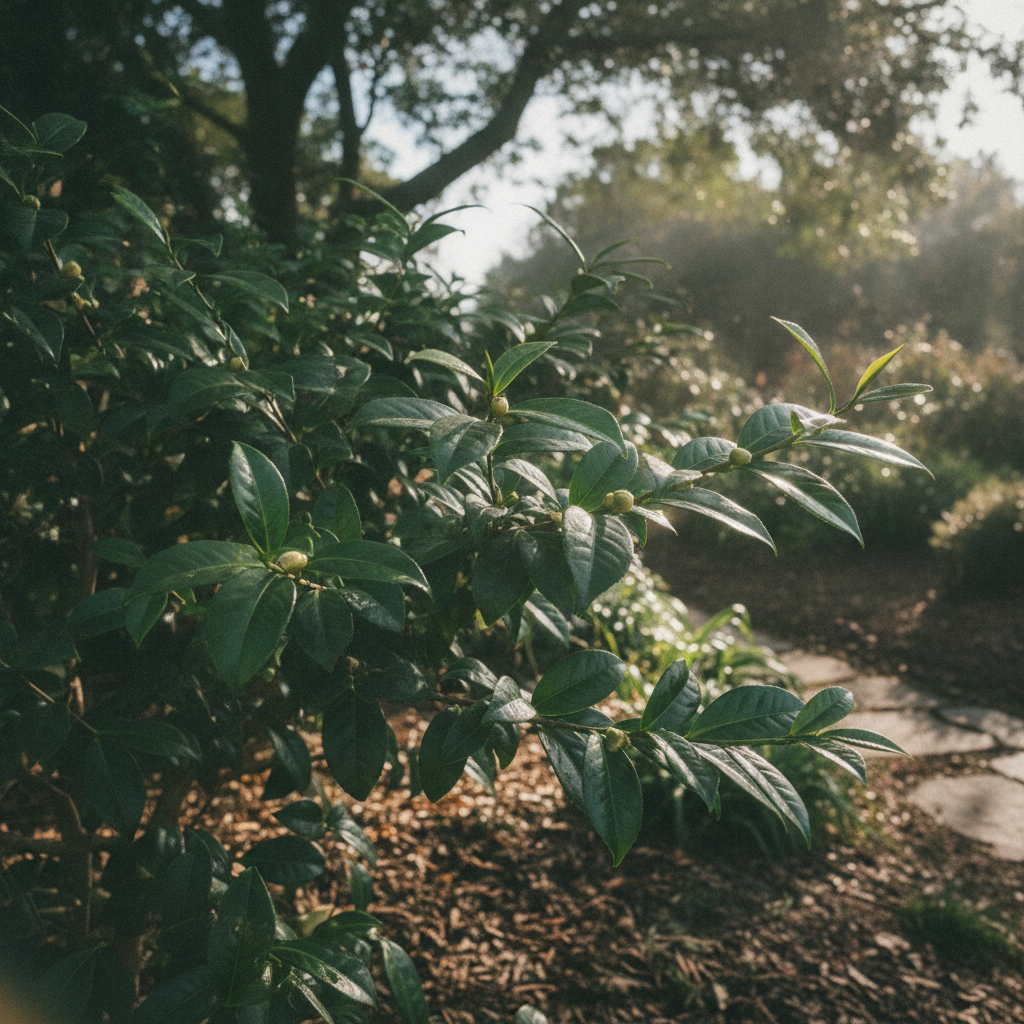
Learn how to grow black tea at home: soil, climate, and the five processing steps from fresh leaf to a finished cup of black tea.

Wijsheid is de weg naar betere thee.
Ontvang onze gratis zetgids: het juiste water, de juiste temperatuur en de juiste trektijd voor elke thee die we verkopen. U hoort ook als eerste wanneer nieuwe oogsten binnenkomen.
Geen spam. U kunt zich altijd uitschrijven.
Kijk in uw inbox.
De gids is onderweg.