











Losse thee vs. theezakjes: Wat is het verschil?
Het verschil tussen losse theeblaadjes en theezakjes komt neer op bladkwaliteit, smaakextractie en controle. Theezakjes zijn handig. Losse theeblaadjes leveren een betere kop. Begrijpen waarom helpt je beslissen wanneer welke optie zinvol is.
Wat er in theezakjes zit
De meeste theezakjes bevatten "fannings" en "dust" — de kleinste deeltjes die overblijven nadat hele bladeren zijn gesorteerd en gegradeerd. Dit zijn geen defecte theeblaadjes, maar fragmenten die tijdens de verwerking zijn afgebroken.
Kleine deeltjes hebben meer oppervlak blootgesteld aan lucht, waardoor vluchtige smaakstoffen sneller verloren gaan. Tegen de tijd dat een theezakje in je kopje komt, is de thee erin vaak verder geoxideerd dan de producent bedoeld had. Het resultaat is een vlakke, eendimensionale infusie die ongeveer hetzelfde smaakt ongeacht herkomst of soort.
Sommige premium theezakjes gebruiken hele bladeren of grote stukken, en deze presteren aanzienlijk beter. Maar zij vormen een klein deel van de markt.
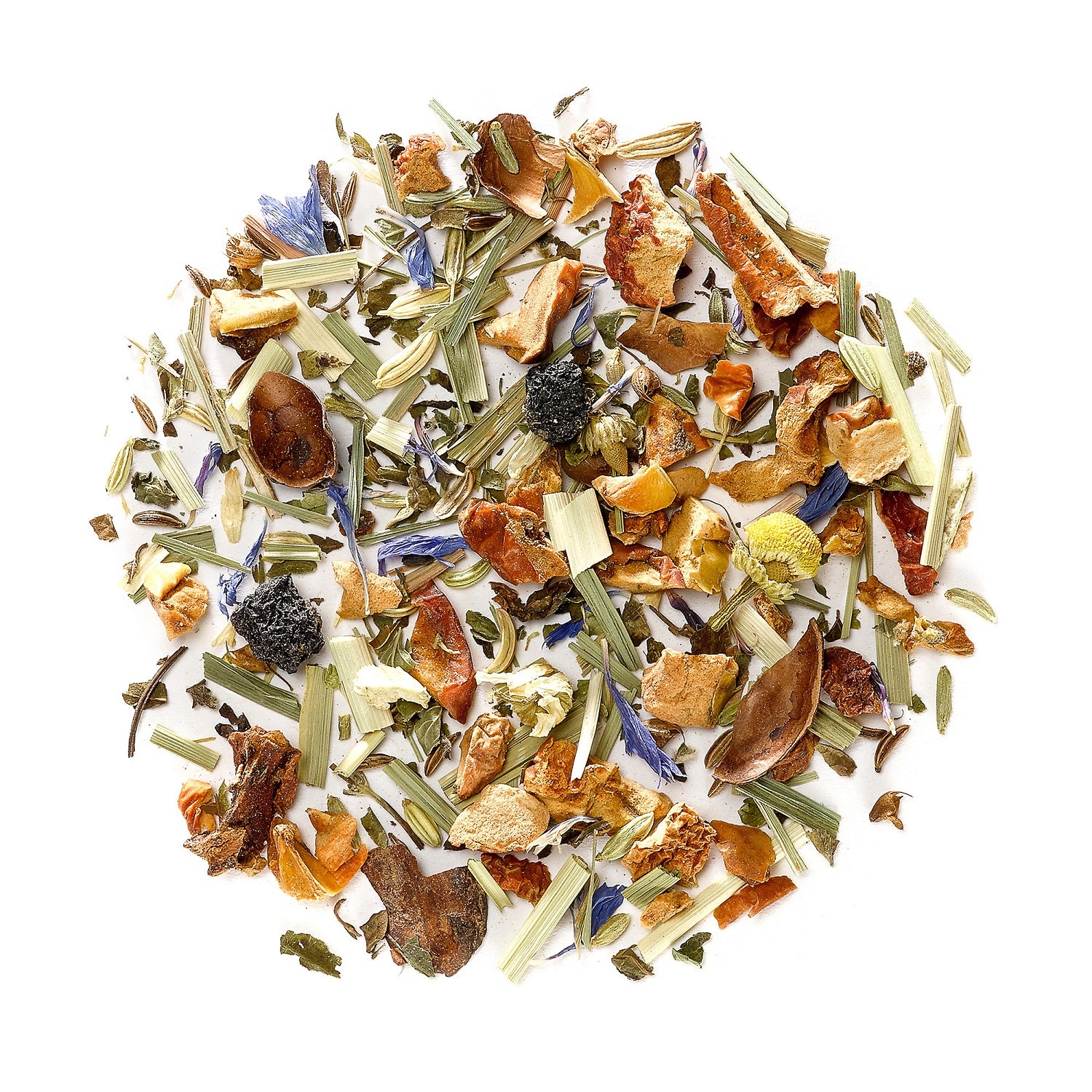
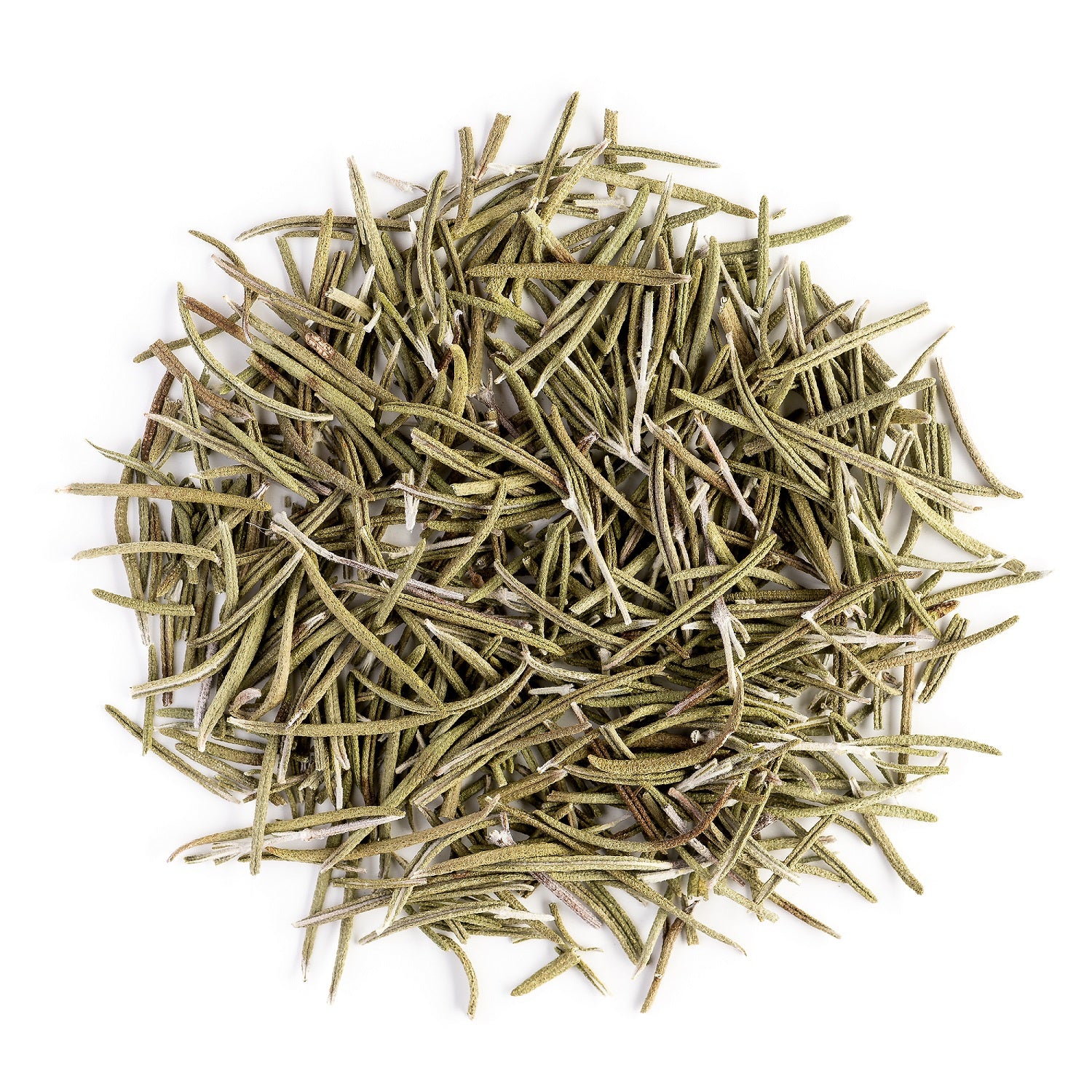
Wat je krijgt met losse theeblaadjes
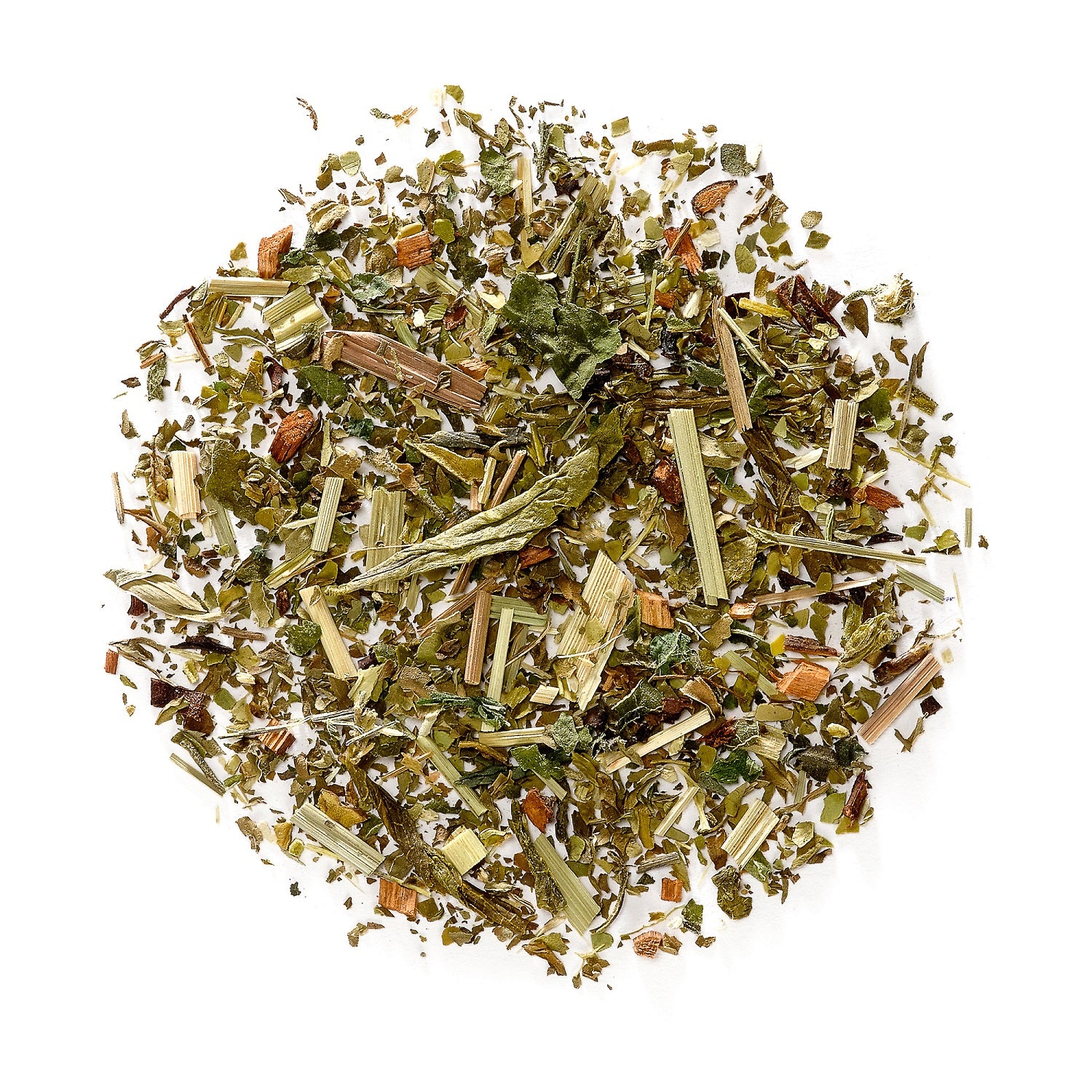
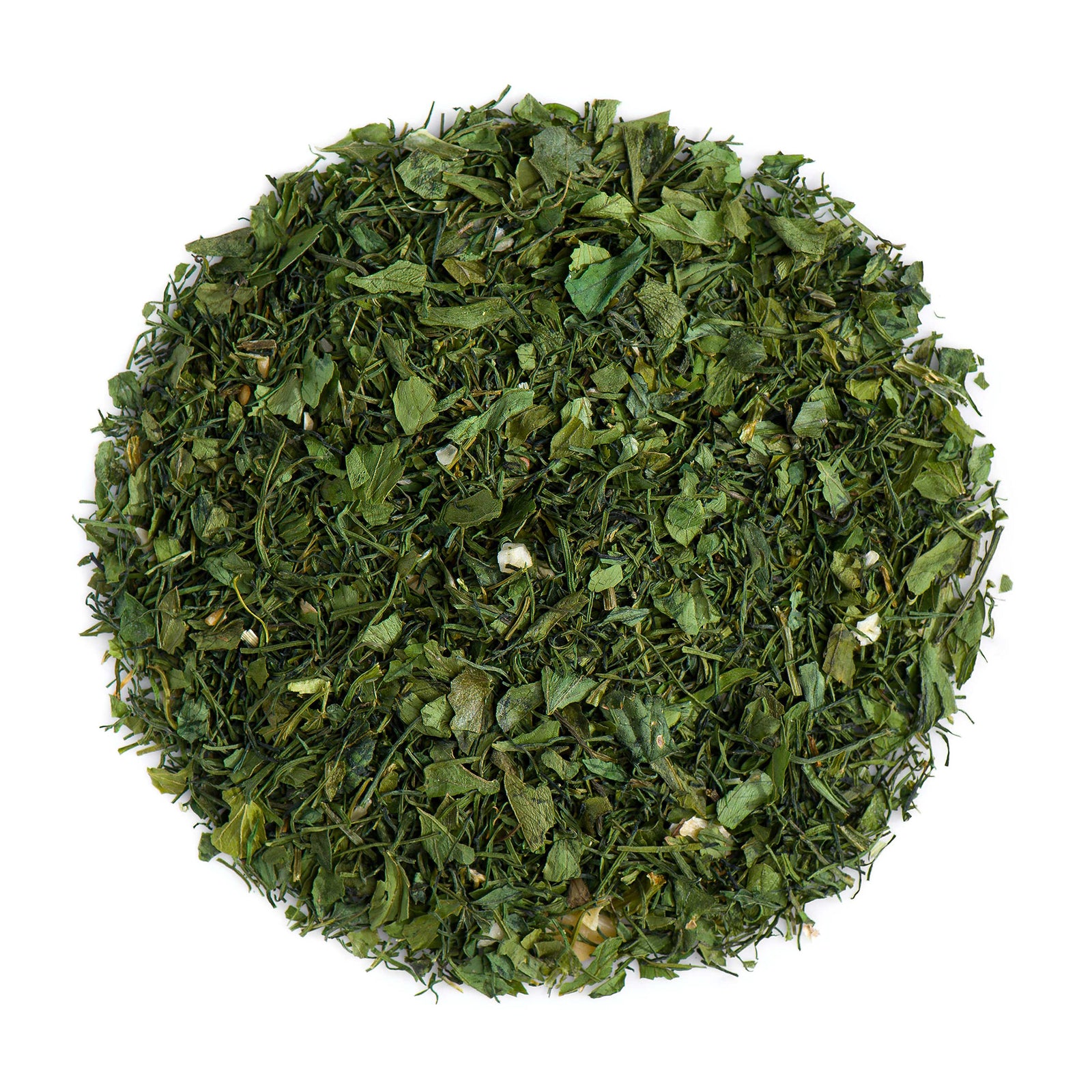
Losse theeblaadjes behouden het hele blad of grote bladvormen. De intacte celstructuur houdt meer van de essentiële oliën, aminozuren en polyfenolen vast die voor complexe smaken zorgen.
Als je losse theeblaadjes zet, hebben de blaadjes ruimte om uit te zetten en zich volledig te ontvouwen. Dit laat water door het blad circuleren en de smaak gelijkmatig onttrekken. In een krap theezakje kunnen de blaadjes niet goed opengaan, wat de extractie beperkt en een modderigere, minder genuanceerde kop oplevert.
Het praktische verschil is merkbaar vanaf de eerste slok. Een losse groene thee heeft duidelijke bloemige, grasachtige of nootachtige tonen, afhankelijk van de herkomst. Dezelfde variëteit in een theezakje neigt naar een algemene "groene" smaak met meer bitterheid.
Smaak en aroma
Losse theeblaadjes bewaren meer van de aromatische verbindingen die snel verdampen uit gebroken bladeren. Wanneer je een zakje oolong met hele bladeren opent, vertelt de geur je al iets over waar het vandaan komt en hoe het is verwerkt. De inhoud van theezakjes biedt dit zelden.
Het smaakpalet is ook breder. Losse theesoorten drukken terroir uit — het specifieke karakter van de groeiregio, hoogte en seizoen. Een eerste pluk Darjeeling smaakt totaal anders dan een tweede pluk uit dezelfde tuin. Dit soort variatie overleeft niet het maal- en verpakkingsproces dat de meeste theezakjes ondergaan.
Opnieuw trekken
Losse thee kan meerdere keren getrokken worden. Oolong en pu-erh-thee geven gewoonlijk 4–8 goede infusies. Groene en witte theeën halen 2–3 trekken. Elke herhaling verandert de smaak en onthult vaak nieuwe tonen.
Theezakjes zijn over het algemeen maar één keer te gebruiken. De kleine deeltjes geven in de eerste trek alles af, zodat er niets overblijft voor een tweede ronde. Dit maakt losse thee per kopje economischer dan het op het eerste gezicht lijkt — een enkele portie kwaliteitsoolong van 5 gram kan 4–6 kopjes opleveren.
Kosten per kopje
Losse thee lijkt aanvankelijk duurder. Een zakje van 100 gram kan meerdere malen zoveel kosten als een doosje van 20 theezakjes. Maar de rekensom verandert als je het opnieuw trekken meerekent.
Een zak van 100 gram losse thee levert ongeveer 30–40 porties van 2,5–3 gram. Als je twee keer opnieuw trekt, verdubbelt dat naar 60–80 kopjes. Een doosje van 20 theezakjes geeft precies 20 kopjes. Per kopje is losse thee vaak even duur of goedkoper — en de kwaliteit is beduidend hoger.
Gemak
Hier hebben theezakjes het voordeel. Doe er een in een mok, voeg water toe, wacht en haal het zakje eruit. Geen apparatuur, geen afmeten, geen opruimen behalve het weggooien van het zakje.
Losse thee vereist een theefilter, zeef of theepot. Je moet (ongeveer) afmeten en de trektijd bijhouden. Het opruimen houdt in dat je de natte blaadjes leegt. Het kost wellicht twee extra minuten vergeleken met een theezakje.
Als die twee minuten ertoe doen — op kantoor, tijdens reizen, wanneer je haast hebt — zijn theezakjes logisch. Als je tijd hebt om aandacht aan het zetten te besteden, is het zetten van losse thee een eenvoudige upgrade.
Milieu-impact
Veel theezakjes bevatten polypropyleen, een plastic afdichting waardoor ze niet volledig kunnen composteren. Sommige nieuwere zakjes gebruiken plantaardige materialen, maar de meeste in de supermarkt bevatten nog steeds plastic.
Losse thee veroorzaakt minder verpakkingsafval. De bladeren zelf zijn volledig composteerbaar. Als duurzaamheid een factor is bij je aankoop, is losse thee de milieuvriendelijkere optie.
Samengevat
Theezakjes bestaan voor het gemak, en daarin slagen ze. Maar als je geeft om smaak, variatie en het maximale uit je thee wilt halen, dan vind je de echte ervaring bij losse thee. De investering in apparatuur is minimaal — een eenvoudig theefilter en een waterkoker zijn alles wat je nodig hebt om te beginnen.
Laat een reactie achter
Reacties worden goedgekeurd voor ze verschijnen.
I18n Error: Missing interpolation value "titel" for "Ook in {{ titel }}"
The Complete Guide to Drinking Tea
What tea is, how the main types differ in the cup, and how to brew each one properly. Water temperature, steeping times, storage and how to get more than one cup from your leaves.
Lees Meer

Black Tea: Types, Processing, and How to Brew It
Black tea is fully oxidized Camellia sinensis. Compare Assam, Darjeeling, Keemun, and Ceylon varieties. Learn processing, brewing, and caffeine levels.

How To Grow Black Tea
Learn how to grow black tea at home: soil, climate, and the five processing steps from fresh leaf to a finished cup of black tea.

Wijsheid is de weg naar betere thee.
Ontvang onze gratis zetgids: het juiste water, de juiste temperatuur en de juiste trektijd voor elke thee die we verkopen. U hoort ook als eerste wanneer nieuwe oogsten binnenkomen.
Geen spam. U kunt zich altijd uitschrijven.
Kijk in uw inbox.
De gids is onderweg.