












Rooibos Tea: The Caffeine-Free Alternative
Rooibos does not get the attention it deserves. While green tea and matcha dominate the conversation, this South African plant quietly solves a problem that millions of tea drinkers share: wanting a satisfying cup without caffeine, without bitterness, and without compromise.
At Valley of Tea, we have been sourcing and tasting teas for over fifteen years. This guide draws on that experience.

The word "benefits" in tea marketing usually signals a list of health claims. That is not what this post is about. We are not going to tell you rooibos cures anything, because it does not, and we are not qualified to make that call. What we can tell you is that rooibos has a set of practical, everyday advantages that make it one of the most useful teas you can keep in your kitchen. These are lifestyle perks — things that affect how, when, and with whom you drink your tea.
Here are six of them.
1. Naturally Caffeine-Free — Not Decaffeinated
This is the headline rooibos tea benefit, and it is worth understanding why the distinction matters.
Rooibos contains zero caffeine. Not reduced caffeine. Not "99% caffeine-free." Zero. The Aspalathus linearis plant, which grows only in the Cederberg mountains of South Africa, simply does not produce caffeine. It never did. There is nothing to remove.

This is fundamentally different from decaffeinated black or green tea. Decaffeination is a chemical or CO2-based process that strips most — but not all — caffeine from tea leaves that naturally contain it. Decaf teas still carry trace amounts, typically 2 to 5 milligrams per cup. The process also strips some flavor compounds, which is why decaf versions of your favorite teas rarely taste as good as the originals.
Rooibos sidesteps all of this. The flavor is exactly what the plant produces, untouched by any removal process. A scoping review published in Nutrients (2024) confirms that rooibos is naturally free of caffeine and other stimulants, making it suitable for all-day consumption.
The practical upside is freedom. You can drink rooibos at 9 PM without calculating whether it will affect your sleep. You can have three cups in a row without worrying about caffeine accumulation.
If you are cutting back on caffeine for any reason — personal preference, pregnancy, sensitivity, medication interactions — our organic rooibos fills the gap without tasting like a compromise. For households where some people drink caffeine and some do not, rooibos is the pot of tea that works for everyone at the table.

2. Low Tannin, No Bitterness
Anyone who has accidentally over-steeped black tea knows the result: a harsh, dry, astringent cup that makes you wince. That astringency comes from tannins — polyphenolic compounds that bind to proteins in your saliva and create that puckering sensation.
Rooibos contains significantly fewer tannins than black tea, green tea, or oolong. In practice, this means two things.
First, rooibos is almost impossible to over-steep. You can forget about your cup for 10, 15, even 20 minutes and the result will be strong but not bitter. There is no punishment for getting distracted. For busy mornings or absent-minded brewers, this forgiveness is a genuine everyday benefit.
Second, the low tannin content means rooibos is gentler on your stomach than tannin-heavy teas. Some people find that black or green tea on an empty stomach causes mild nausea or discomfort. Rooibos rarely does this. It is a softer, smoother experience from start to finish.

The low tannin level also affects how rooibos interacts with food. High-tannin beverages can interfere with the absorption of iron from plant-based foods — a concern for vegetarians and vegans who rely on non-heme iron sources. A clinical study published in Nutrients (2024) found that rooibos tea did not significantly affect iron absorption, unlike ordinary black tea. Rooibos, with its minimal tannin content, does not create this issue to the same degree, which makes it a practical choice for pairing with meals.
3. Kid-Friendly and Family-Safe
Finding a hot drink that the whole family can share is harder than it sounds. Coffee is out for children. Black and green tea contain caffeine. Many herbal teas have strong, unfamiliar flavors that kids reject immediately.
Rooibos works for children for three reasons. It is caffeine-free, so there is no stimulant concern. It is naturally sweet, so most kids will drink it without sugar. And it is mild enough in flavor that it does not overwhelm young palates the way peppermint, chamomile, or hibiscus sometimes can.
In South Africa, where rooibos originates, it has been given to children and babies for generations. It is a standard household drink, not an exotic wellness product. Parents brew it weak for toddlers and stronger for older children, often with a splash of milk.

For families trying to reduce juice and sugary drink consumption, a cup of cooled rooibos is a practical alternative. It has no sugar, no calories, and a natural sweetness that satisfies without adding anything. You can brew a batch in the morning and keep it in the fridge as a default drink for the day.
This is one of those rooibos tea benefits that does not show up on ingredient labels but matters enormously in daily life. When everyone in the household — from a three-year-old to a grandparent — can drink the same thing, the logistics of tea time get simpler.
4. Versatile: Hot, Iced, Latte, and Everything Between
Some teas are specialists. Sencha is best hot. Hibiscus shines iced. Matcha has a specific preparation ritual. Rooibos is a generalist. It works well in almost every format, which makes it one of the most versatile loose leaf teas you can own.
Hot rooibos is the classic. Brew it with fully boiling water for 5 to 7 minutes and you get a rich, amber cup with that signature smooth sweetness. I drink it plain, but milk works well here — rooibos has enough body to stand up to it rather than being drowned out, which is not something you can say about most herbal teas.

Iced rooibos is where things get interesting. Brew it double-strength, pour over ice, and you have a refreshing cold drink that needs no sweetener. It does not turn cloudy when chilled the way some black teas do, and the naturally sweet flavor intensifies slightly when cold. Add a slice of orange or a sprig of mint and you have something that competes with any iced tea on a restaurant menu.
Cold-brewed rooibos takes the smoothness even further. Put loose leaf rooibos in cold water (about 1.5 teaspoons per 250 ml), refrigerate for 6 to 12 hours, and strain. The result is exceptionally clean and rounded, with no rough edges at all. This is the method if you want to make a large batch for the week.
Rooibos lattes have become popular for good reason. Steam or froth your milk of choice, brew a concentrated rooibos (double the leaf, half the water), and combine. The natural sweetness and vanilla-like notes of rooibos pair particularly well with oat milk. Add a pinch of cinnamon and you have a caffeine-free latte that holds its own against any coffee shop offering. Our rooibos bourbon vanilla blend works especially well in a latte for an extra layer of natural sweetness.
This versatility is a practical benefit because it means one tin of rooibos covers multiple occasions. Morning mug, afternoon iced drink, evening latte, batch brew for the fridge — one tea does all of it.

5. Naturally Sweet, No Additives Needed
Most teas need something. Green tea drinkers often add honey to cut the grassiness. Black tea drinkers add sugar or milk to soften the tannins. Herbal teas frequently need sweetener to make them palatable.
Rooibos is one of the few teas that a majority of drinkers enjoy completely plain. Its natural sweetness — a mild, honey-like quality that develops during the oxidation process — does the work that sugar does in other teas.
This is not a subtle effect. Hand someone a well-brewed cup of quality rooibos and ask them if it has sugar in it. Many will say yes.
This matters for anyone watching their sugar intake, which is most people. Every cup of rooibos you drink unsweetened is a cup where you have consumed zero calories and zero added sugar while still drinking something that tastes genuinely good. Over the course of a day, a week, a year, that adds up.

It also matters for taste. When you do not need to add sugar, honey, or artificial sweeteners, you taste the tea itself — its origin, its processing, its quality. Adding sweetener to rooibos is not wrong, but it is rarely necessary, and that is a practical advantage that most other teas simply do not have.
The natural sweetness also makes rooibos a useful ingredient in cooking and baking. Use brewed rooibos as the liquid component in oatmeal, smoothies, or baked goods, and it contributes subtle sweetness and depth without sugar.
6. An Excellent Blending Base
If you look at the flavored tea section of any tea shop, you will notice that rooibos shows up everywhere. Rooibos vanilla. Rooibos chai. Rooibos with citrus. Rooibos with berries. Rooibos with chocolate. There is a reason for this: rooibos is one of the best blending bases in the tea world.
Its flavor profile — sweet, smooth, lightly woody, with vanilla and caramel undertones — acts as a canvas that supports other ingredients without competing with them. Spices like cinnamon, cardamom, and ginger layer beautifully on top of rooibos. Dried fruit pieces and citrus zest find a natural home. Even cocoa nibs and chocolate flavors work, which is unusual for a tea base.

Compare this to black tea, which has a strong, tannic personality that can clash with delicate additions. Or green tea, which has a grassy, vegetal character that limits its blending partners. Rooibos plays well with almost everything because its own flavor is supportive rather than dominant.
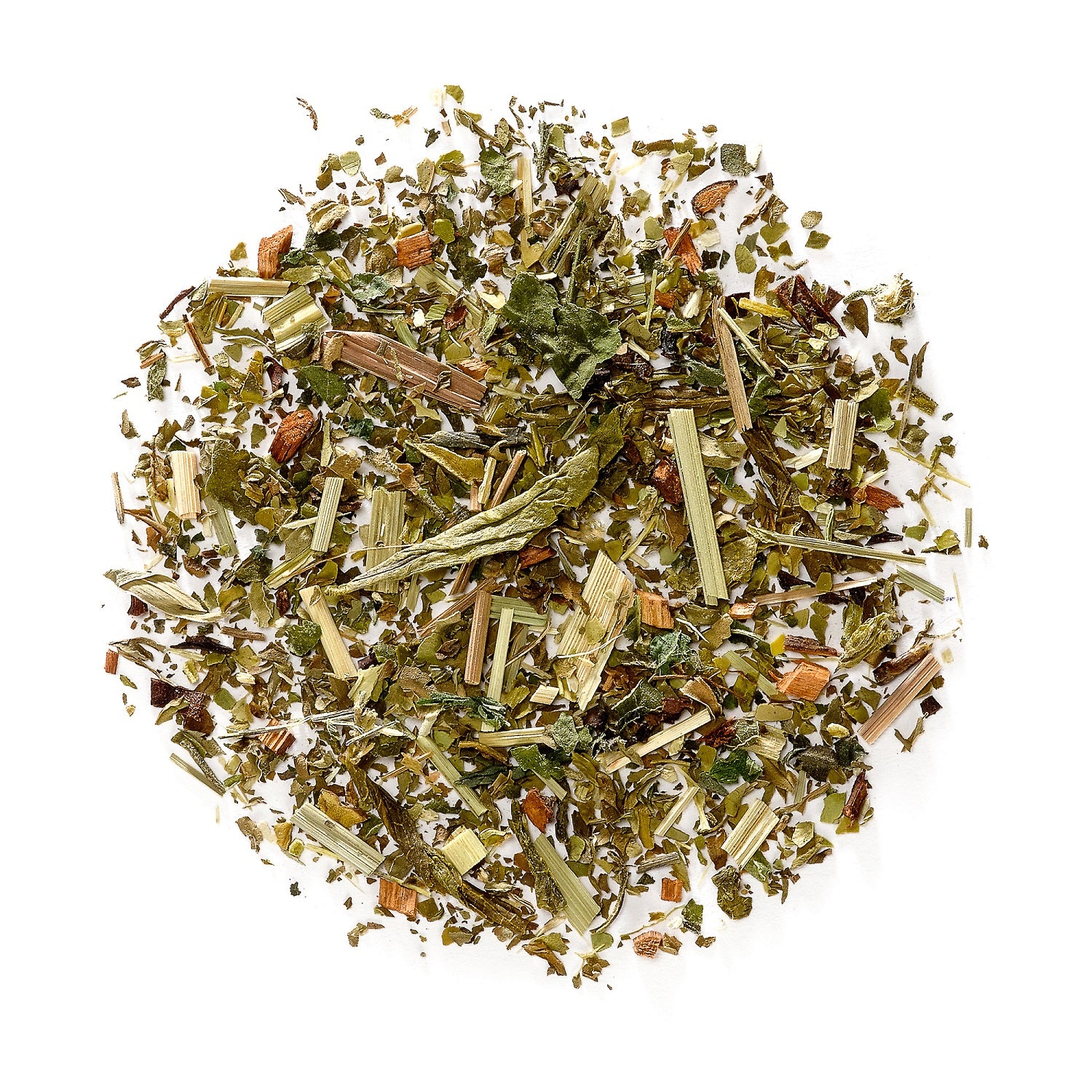
This blending versatility is a benefit for anyone who likes variety. A single bag of plain rooibos can become dozens of different drinks depending on what you add. Throw in a cinnamon stick and some cloves for a caffeine-free chai. Add dried orange peel and a vanilla bean for a dessert tea. Mix with dried lavender for a calming evening cup. For a ready-made example, our red fruit blend combines rooibos with lemongrass, apple, hibiscus, banana, and strawberry for a warming, fruity cup. The base stays the same; the experience changes every time.
For tea blenders and home experimenters, rooibos is the starting point that always works.
What Rooibos Actually Is
For those who are new to it: rooibos (pronounced "ROY-boss") is not technically tea. True tea comes from the Camellia sinensis plant — that is black tea, green tea, white tea, and oolong. Rooibos comes from Aspalathus linearis, a shrub in the legume family that grows exclusively in the Cederberg region of South Africa.

After harvesting, the needle-like leaves and thin stems are cut, bruised, and spread out to oxidize in the sun. This oxidation turns the plant material from green to the deep reddish-brown that gives rooibos its common name: red bush tea. The oxidation also develops the sweetness and body that define the flavor.
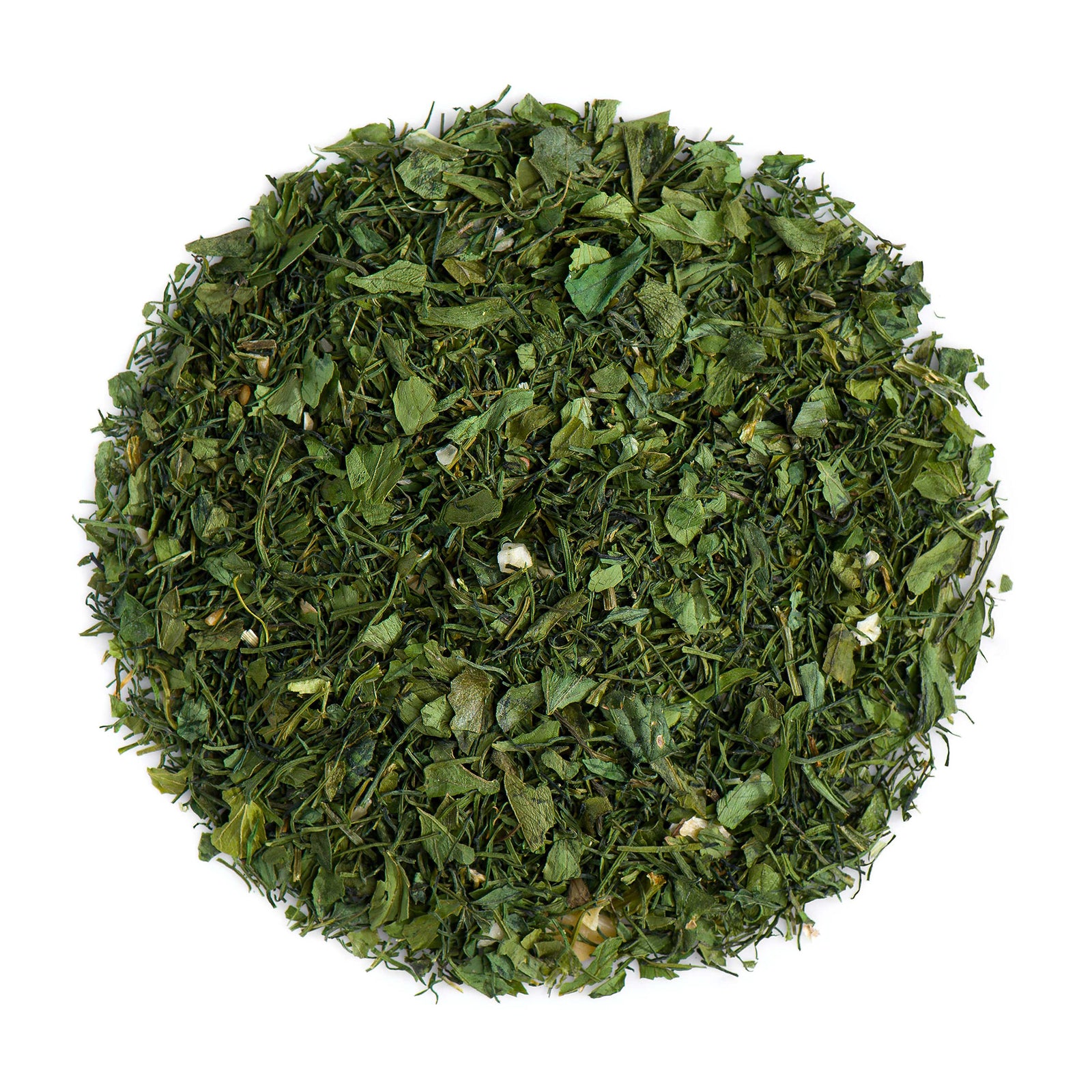
There is also green rooibos, which skips oxidation entirely. It is lighter, more herbaceous, and less sweet than the red version. The flavor is more delicate — some describe a fresh cucumber quality. If you want to explore the unoxidized version, our green rooibos is a good starting point.
I find it interesting to try, but red is my default: it is sweeter, rounder, and the kind of tea you can drink throughout the day without thinking about it. Green rooibos is more of a deliberate choice. Both are caffeine-free.
Rooibos has been consumed in South Africa for centuries, but it entered the global market only in the past few decades. Its popularity has grown steadily as more people look for high-quality caffeine-free alternatives to traditional tea.
How to Brew Rooibos
Rooibos is one of the most forgiving teas to brew:
- Water: Full boiling, 100 degrees Celsius (212 degrees Fahrenheit)
- Amount: 1 heaping teaspoon of loose leaf rooibos per cup (about 2.5 grams per 250 ml)
- Steep time: 5 to 7 minutes for a standard cup; up to 10 minutes for maximum flavor
- Resteeping: Rooibos handles a second steep well. Add a minute or two to the time.
Unlike green or white tea, rooibos does not require temperature precision. Boiling water, generous leaf, and a few minutes of patience give you a reliable cup every time. You can also steep it longer without penalty — it will get stronger but not bitter.
Buying Quality Rooibos
Choose loose leaf over tea bags. Tea bag rooibos is typically dust grade — the smallest particles left after processing. Loose leaf rooibos uses longer-cut needles that brew a cleaner, more nuanced cup.
Look for organic. Rooibos grows in a sensitive ecosystem. Organic certification means no synthetic pesticides or fertilizers, which protects both the Cederberg environment and the flavor of the final product.
Check the origin. All rooibos comes from South Africa, but the best comes from specific areas within the Cederberg where growing conditions are optimal. Producers who name their source region are typically working with better material.
Store it properly. Rooibos keeps well in an airtight container away from light and moisture. It has a longer shelf life than most teas, but freshness still matters for the best flavor.
The Bottom Line
The rooibos tea benefits that matter most are not exotic or complicated. They are practical: no caffeine, no bitterness, safe for children, works in every format, tastes sweet without sugar, and blends with anything. These are the qualities that make rooibos not just a nice tea to have around, but one of the most useful teas in any kitchen.
If you have not tried rooibos yet, or if you have only had it from a tea bag, a cup of quality loose leaf rooibos is worth your time. Brew it hot, pour it over ice, steam it into a latte — it will not let you down.
Laat een reactie achter
Reacties worden goedgekeurd voor ze verschijnen.
I18n Error: Missing interpolation value "titel" for "Ook in {{ titel }}"
The Complete Guide to Drinking Tea
What tea is, how the main types differ in the cup, and how to brew each one properly. Water temperature, steeping times, storage and how to get more than one cup from your leaves.
Lees Meer

Black Tea: Types, Processing, and How to Brew It
Black tea is fully oxidized Camellia sinensis. Compare Assam, Darjeeling, Keemun, and Ceylon varieties. Learn processing, brewing, and caffeine levels.

How To Grow Black Tea
Learn how to grow black tea at home: soil, climate, and the five processing steps from fresh leaf to a finished cup of black tea.

Wijsheid is de weg naar betere thee.
Ontvang onze gratis zetgids: het juiste water, de juiste temperatuur en de juiste trektijd voor elke thee die we verkopen. U hoort ook als eerste wanneer nieuwe oogsten binnenkomen.
Geen spam. U kunt zich altijd uitschrijven.
Kijk in uw inbox.
De gids is onderweg.