













The Complete Guide to Chamomile Tea
Chamomile tea is one of the most widely consumed herbal teas in the world, and for good reason. Two distinct species, German chamomile (Matricaria chamomilla), and Roman chamomile (Chamaemelum nobile), produce dried flowers that brew into a naturally caffeine-free cup with a flavour profile unlike any other tisane. After more than fifteen years of importing and sourcing teas, I have handled enough chamomile to know that the gap between good and mediocre chamomile is enormous. A bag of whole Egyptian chamomile flowers brewed at 95-100C for 5-7 minutes with the lid on produces something entirely different from a stale tea bag steeped open in lukewarm water.
This guide covers everything from species differences and flavour to brewing parameters, sourcing, growing your own, and blending. We address quality grading, allergy considerations, and how to use chamomile beyond the teacup. Whether you are buying your first bag of chamomile or looking to refine what you already know, this is the complete resource.
We wrote a separate piece on chamomile tea before bed if you want a shorter read on that topic. Here, we go deep.

What Is Chamomile Tea?
Chamomile tea is a caffeine-free herbal infusion made from the dried flowers of the chamomile plant. It is a tisane, not a true tea, because it comes from the daisy family (Asteraceae) rather than the Camellia sinensis plant that produces black, green, white, and oolong teas. The word chamomile itself traces back to the Greek "khamai" (ground) and "melon" (apple), a reference to the apple-like scent the plant gives off when crushed underfoot.
Chamomile as an Herbal Tea
When we talk about chamomile tea, we mean dried flower heads steeped in hot water. The flowers contain volatile oils, flavonoids including apigenin, and other aromatic compounds that give chamomile its distinctive character. Unlike caffeinated teas, there is no oxidation step in processing.
Flowers are harvested, dried (either sun-dried or mechanically dried), and packaged. The simplicity of the process means that the raw flower quality dictates the final cup more than any manufacturing step. This is why I always push for whole flower heads over crushed or powdered chamomile: less processing, more flavour.
A Brief History of Chamomile
Chamomile has been part of daily life for thousands of years. Ancient Egyptians dedicated it to the sun god Ra and used it in embalming practices. The ancient Greeks drank chamomile as a hot infusion.
Roman soldiers bathed in chamomile-infused water. By the Middle Ages, chamomile was a staple of European monastery gardens, grown alongside lavender and mint.
The plant spread across trade routes and eventually became naturalised on every inhabited continent. Its place as a gentle, apple-scented herbal cup has remained remarkably consistent across cultures and centuries.
Chamomile in Modern Use
Today, chamomile is grown commercially across Egypt, Croatia, Germany, Argentina, and parts of Eastern Europe. It appears in tea blends, skincare, aromatherapy, and even food flavouring. The primary species used for tea is German chamomile (Matricaria chamomilla), though Roman chamomile (Chamaemelum nobile) has its own following. We will break down those differences next.
German Chamomile vs Roman Chamomile
German chamomile and Roman chamomile are related but distinct species with different growth habits, flavour profiles, and primary uses. Most chamomile tea you encounter is German chamomile, and for good reason: it is sweeter, milder, and better suited to drinking.

German Chamomile (Matricaria chamomilla)
German chamomile is an annual plant that grows upright to about 60 centimetres. It produces small, daisy-like flowers with white petals and a hollow, cone-shaped yellow centre. The hollow centre is actually a reliable way to identify the German species.
It thrives in temperate climates and is the dominant commercial crop in Egypt's Nile Delta, where long growing seasons and fertile soil produce some of the best chamomile in the world. German chamomile contains higher levels of chamazulene, a compound that turns the essential oil a distinctive blue colour. The flavour is apple-sweet, floral, and gently honeyed, exactly what most people picture when they think of chamomile tea.
Roman Chamomile (Chamaemelum nobile)
Roman chamomile is a perennial, ground-hugging plant that rarely grows taller than 30 centimetres. Its flowers are slightly larger than German chamomile's, and the centre is solid rather than hollow. The flavour is noticeably more bitter and herbaceous.
Roman chamomile finds its primary market in essential oils and aromatherapy rather than tea. It grows well as a garden ground cover (it was historically planted as a fragrant lawn) but is not widely cultivated at commercial scale for the tea trade. You will occasionally find Roman chamomile tea, usually from small artisanal producers, and some people prefer its stronger, more herbal character.
Which One Should You Buy?
For drinking, German chamomile is the clear choice. It is sweeter, more aromatic, and more readily available in high quality. When we source chamomile at Valley of Tea, we work exclusively with German chamomile from established growing regions. If you are interested in aromatherapy or growing a fragrant ground cover, Roman chamomile has its place, but your teacup will thank you for choosing German.
What Does Chamomile Tea Taste Like?
Chamomile tea tastes like dried apple blossoms and honey with a light hay-like finish, making it one of the most recognisable flavour profiles in the herbal tea world. It is mild but not bland when brewed correctly.
Flavour Profile Breakdown
The dominant note is a gentle apple sweetness, which is exactly where the name comes from: "ground apple." Behind that, you will find a honey-like warmth, a hint of hay or dried grass, and a subtle floral quality that sits somewhere between daisy and elderflower. The body is light. There is no astringency, no bitterness (assuming German chamomile), and no tannin grip.
The finish is clean and slightly dry. Some people detect a faint earthiness, especially in chamomile that was dried at lower temperatures. A well-brewed cup has a golden-yellow colour and an aroma that is arguably even more appealing than the taste itself.
How Quality Affects Taste
Quality makes or breaks chamomile tea. Whole, intact flower heads brew a rounder, more complex cup with clear apple notes and a lingering sweetness. Crushed flowers or "dust grade" chamomile taste flat, grassy, and one-dimensional.
Freshness matters too: chamomile that has sat on a shelf for two years loses most of its volatile oils, and those oils are what give the tea its character. I always recommend smelling chamomile before buying if you can.
Good chamomile hits you with a rich, sweet, apple-forward aroma the moment you open the bag. If it smells like hay and nothing else, it is past its prime.
How to Brew Chamomile Tea
Chamomile tea brews best with water at 95-100C, steeped for 5-7 minutes with the cup covered. Getting these parameters right transforms a weak, watery cup into something genuinely flavourful.

Water Temperature and Steep Time
Use water that is at or just below a full boil, between 95C and 100C. This is hotter than what most people expect for an herbal tea, but chamomile's flavour compounds and volatile oils need that heat to extract properly. Steep for 5-7 minutes.
Under 5 minutes and you get pale, thin chamomile water. Over 8 minutes and some batches can develop a slightly stewed character, though chamomile is more forgiving than most teas on the long end. Start at 5 minutes and adjust to your taste.
How Much Chamomile to Use
Use 2-3 heaping teaspoons of dried chamomile flowers per 250ml cup. Chamomile is extremely light by volume, much lighter than loose leaf black or green tea, so the amount looks generous. This is where many people go wrong: they use the same volume they would for a denser tea and end up with weak chamomile.
If you are using a teapot, scale up proportionally and add an extra teaspoon for the pot. We promote whole flower chamomile for this reason: it is easier to measure by the spoonful and brews more evenly than crushed material.
The Importance of Covering Your Cup
Cover your cup or teapot while chamomile steeps. This is not optional. Chamomile's essential oils, the compounds that give it flavour and aroma, are volatile.
They escape with the steam. An uncovered cup loses a significant portion of those oils into the air, and you end up drinking a weaker version of what it should be. A saucer over a mug works fine.
A teapot with a lid is ideal. I make this point to every customer who tells me their chamomile tastes bland: cover the cup, and you will notice the difference immediately.
Iced Chamomile Tea
Chamomile makes a surprisingly good iced tea. Brew it hot at double strength (4-5 teaspoons per 250ml), steep for the full 7 minutes with a cover, then pour over ice. The dilution from melting ice brings it to the right concentration.
Alternatively, cold-brew by adding 3 tablespoons of chamomile flowers to a litre of room-temperature water, refrigerating for 8-12 hours, and straining. Cold-brewed chamomile is smoother and sweeter, with less of the hay note. It pairs well with a slice of lemon or a sprig of fresh mint.
Traditional Uses of Chamomile
Chamomile has been one of Europe's most widely used herbal plants for centuries, valued as an evening drink, an after-dinner cup, and a kitchen-cupboard staple. Its long history of use is well documented.
Chamomile in European Herbal Tradition
In European households, chamomile was the go-to herbal cup. German-speaking countries developed the strongest tradition: "Kamillentee" was (and still is) a household staple served after meals and before bed. Mothers gave weak, diluted chamomile to children as a caffeine-free drink.
Beyond the cup, dried chamomile flowers were a fixture of many European homes. In the British Isles, chamomile found its way into evening herbal blends.
The consistent thread across cultures is chamomile's place as a mild, gentle-tasting cup. It was caffeine-free, and people traditionally drank it at the end of the day.
We have a separate article on chamomile tea before bed that covers evening drinking in more depth, including taste and brewing.
Modern Interest in Chamomile Chemistry
Researchers have identified several compounds in chamomile, including volatile oils and flavonoids. Apigenin, a flavonoid found in relatively high concentrations in chamomile, is one of the compounds most often measured in the dried flowers. Laboratory analyses of these compounds usually measure concentrated chamomile extract rather than brewed tea.
It is worth noting that a cup of brewed chamomile tea contains far lower concentrations of these compounds than a concentrated extract. Traditionally, chamomile was simply an everyday drink rather than an extract.
We sell chamomile tea for its flavour and aroma. People have been drinking it for thousands of years and continue to choose it as their evening cup.
Blending Chamomile with Other Herbs
Chamomile's mild, apple-sweet flavour makes it one of the most versatile base herbs for blending. It complements rather than competes with other ingredients, which is why it appears in so many commercial herbal blends.
Classic Blend Combinations
Chamomile and lavender is perhaps the most iconic pairing. The floral, slightly perfumed quality of lavender lifts chamomile's sweetness without overwhelming it. Use a 3:1 ratio of chamomile to lavender as a starting point; lavender is potent and can dominate quickly.
Chamomile and peppermint is another classic, with the mint adding a bright, cooling freshness that contrasts chamomile's warmth. Lemon balm and chamomile complement each other naturally: lemon balm's citrus brightness plays against chamomile's apple notes. I have also seen chamomile paired with fennel seed for a more savoury, after-dinner blend, which is traditional in parts of Germany and Austria.
Creating Your Own Blends
Start with chamomile as 50-70% of your blend by volume and build from there. Add one complementary herb at a time and taste before adding another. Good secondary herbs to experiment with: lemon verbena (bright and citrusy), rose petals (floral and sweet), ginger root (warming and sharp), and dried apple pieces (amplifies the apple note already present).
Keep it simple. Two or three ingredients in a blend is usually better than five or six. Each herb should have a clear purpose, whether it is adding aroma, flavour, visual appeal, or a contrasting note.
Chamomile with True Teas
Chamomile blends well with light teas. Green tea and chamomile creates an interesting combination where the vegetal character of green tea meets the floral sweetness of chamomile. White tea and chamomile is more subtle and delicate.
I would avoid pairing chamomile with strong black teas or heavily roasted oolongs; chamomile gets lost. If you want to add chamomile to a true tea blend, use a 1:1 ratio and brew at the lower-temperature tea's parameters. So for a green tea and chamomile blend, brew at 75-80C rather than 100C, and accept that you will extract slightly less from the chamomile in exchange for not overcooking the green tea.
Growing Chamomile at Home
German chamomile is one of the easiest herbs to grow from seed, making it a practical choice for anyone who wants to go from garden to teacup. It requires minimal fuss, tolerates poor soil, and self-seeds readily once established.
Growing Conditions and Planting
German chamomile prefers full sun and well-drained soil but is not particular about soil quality. In fact, it often produces more aromatic flowers in lean, sandy soil than in rich compost. Sow seeds directly outdoors in early spring after the last frost, or start them indoors 4-6 weeks earlier.
The seeds are tiny and need light to germinate, so press them into the surface of the soil rather than burying them. Keep the soil moist until germination, which takes 7-14 days. Thin seedlings to about 15-20 centimetres apart.
German chamomile grows quickly and will begin flowering within 6-8 weeks of germination. One planting will often provide chamomile for years, because the plants self-seed aggressively if you leave some flowers to mature on the plant.
Harvesting and Drying
Harvest chamomile flowers when the white petals are fully extended and just beginning to fold back, before the yellow centre starts to brown. This is when the volatile oil content is highest. Pick on a dry morning after the dew has evaporated. Use your fingers to pinch the flower head off the stem, or invest in a chamomile rake (a comb-like tool that strips flowers efficiently) if you have a large patch.
Dry the flowers in a single layer on a screen or drying rack in a warm, well-ventilated area out of direct sunlight. A food dehydrator set to 35C works well for consistent results. The flowers are ready when they feel papery and crumble slightly between your fingers.
This takes 1-3 days depending on conditions. Store in an airtight container away from light and heat. Properly dried and stored chamomile keeps its flavour for about a year.
From Garden to Cup
Home-grown chamomile tastes noticeably different from commercial chamomile. Fresher flowers mean more volatile oils, which translates to a more intense apple aroma and a richer, more complex cup. You will need a surprising volume of flowers, roughly a handful of fresh flowers or 2-3 teaspoons of dried, for a single cup.
If this is your first time growing chamomile for tea, plant more than you think you need. A 2-metre square patch will give a dedicated tea drinker enough for regular cups throughout the flowering season, with surplus to dry for winter.
One common mistake is harvesting too late. Once the yellow centre starts browning and the petals droop back completely, the flower has passed its peak. The oils have already begun to dissipate, and the dried result will be less fragrant.
Harvest every 2-3 days during peak bloom to keep the plant producing new flowers. Another mistake is drying too fast at too high a temperature, which drives off the volatile compounds you are trying to preserve. Low and slow is the rule: 35C or ambient temperature in a well-ventilated space.
Buying Quality Chamomile Tea
Quality chamomile tea starts with whole, intact flower heads that are fragrant and golden-yellow. Knowing what to look for and where chamomile comes from will help you buy better and avoid paying premium prices for mediocre product.

What to Look for in Quality
The first and most reliable indicator is the flower heads themselves. Whole, intact flower heads with visible white petal remnants and bright yellow centres indicate careful harvesting and handling. "Fannings" (broken flower pieces) and "dust" (fine powder) are lower grades, typically swept from processing floors or produced from mechanically harvested crops that were not sorted. Whole flower chamomile brews a smoother, more nuanced cup, similar to how whole leaf tea outperforms CTC (crush-tear-curl) grades.
Aroma is the second test. Open the bag and smell. Quality chamomile has a strong, sweet, apple-forward fragrance.
If it smells faint, musty, or like nothing at all, the chamomile is either old or was poorly dried. Colour is a supporting indicator: look for golden-yellow centres and pale petals, not brown or grey flowers.
Chamomile Origins and Grades
Egyptian chamomile, particularly from the Nile Delta region, is considered the gold standard. The combination of fertile alluvial soil, consistent sun, and traditional farming practices produces flowers with high essential oil content and a pronounced sweetness. Croatian chamomile is also highly regarded, with a slightly more herbaceous profile. German and Argentine chamomile fill out the commercial market at various quality levels.
Grades are typically classified by flower size and intactness. "Supreme" or "fancy" grades contain the largest, most complete flower heads. Standard grades include more broken material and smaller flowers. Tea bag grade is the lowest, essentially the siftings and dust left after higher grades are sorted out.
Loose vs Tea Bags
Loose chamomile gives you control over quantity and quality, and you can actually see and smell what you are buying. Tea bags are convenient but almost always contain lower-grade chamomile. The flowers inside most tea bags are crushed to fit the bag format, which increases surface area (faster extraction) but reduces flavour complexity.
If you are going to use tea bags, look for brands that use large pyramid-style sachets with visible whole or semi-whole flowers. These tend to be a step up from flat paper bags filled with dust. For the best cup, loose chamomile in a teapot or infuser basket with plenty of room for the flowers to expand is the way to go.
Storage matters as much as initial quality. Keep chamomile in an airtight container away from light, heat, and moisture. A sealed tin or glass jar in a cupboard is ideal.
Avoid clear glass on a countertop where sunlight degrades the oils. Well-stored chamomile keeps its character for 12-18 months. After that, it is still safe to drink but progressively loses the aromatic complexity that makes good chamomile worth buying in the first place.
Chamomile Tea and Allergies
Chamomile belongs to the Asteraceae (daisy) family, which means anyone with allergies to plants in this family should approach chamomile with caution. The risk is real but manageable.
Ragweed and Daisy Family Cross-Reactivity
If you are allergic to ragweed, chrysanthemums, marigolds, or other Asteraceae plants, you have a higher-than-average chance of reacting to chamomile. Cross-reactivity occurs because these plants share similar protein structures that the immune system may recognise as threats. Reactions range from mild (itchy mouth, skin irritation) to, in rare cases, anaphylaxis.
Anaphylactic reactions to chamomile tea are documented but uncommon, typically occurring in people with known severe plant allergies. If you have a history of plant allergies in the daisy family, start with a very small amount of chamomile tea and wait to see how you respond before drinking a full cup.
Other Considerations
Chamomile has traditionally been avoided during the first trimester of pregnancy due to its historical reputation as a mild uterine stimulant, though the evidence for this at normal tea-drinking amounts is limited. If you are pregnant, consult your healthcare provider. People taking blood thinners or sedative medications should also check with a doctor, as chamomile may interact with these drugs in large amounts.
Most people drink chamomile tea without any issue, but knowing your own situation matters. Caution costs nothing.
Chamomile Beyond Tea
Chamomile's usefulness extends well beyond the teacup. The same compounds that make it a pleasant drink also make it a versatile ingredient in the kitchen and around the house.
Chamomile in Cooking
Chamomile can be used to infuse syrups, custards, ice cream, and baked goods. A chamomile simple syrup (steep 3 tablespoons of chamomile in 250ml of hot sugar syrup for 15 minutes, then strain) adds a floral, honey-like note to cocktails, lemonade, and drizzled desserts. Chamomile pairs particularly well with honey, lemon, stone fruits, and vanilla.
Some bakers add dried chamomile directly to shortbread or scone dough for a subtle floral flavour. The key is restraint: chamomile's flavour is delicate, and too much can taste soapy or medicinal.
Other Household Uses
Chamomile tea is also a traditional hair rinse in European folk practice. Brew a strong pot, let it cool, and pour it over your hair after shampooing. We pass it on simply as a tradition.
Cooled chamomile tea can also be used as a skin rinse, a practice with deep roots in European folk tradition. In the garden, chamomile is sometimes called the "plant doctor" because it is believed to improve the health of nearby plants. Whether that reputation is fully deserved or partly folklore, chamomile is certainly a useful companion plant that attracts beneficial insects.
Chamomile essential oil, typically distilled from German chamomile, is used in aromatherapy diffusers and massage oils. The oil has a distinctive deep blue colour from its chamazulene content. A few drops in a bath is the modern version of the centuries-old practice of keeping fragrant chamomile sachets around the home. If you have leftover chamomile that has gone stale for drinking purposes, repurpose it into a sachet or a bath soak rather than throwing it away.
Frequently Asked Questions
Does chamomile tea have caffeine?
No. Chamomile is naturally caffeine-free because it comes from the chamomile plant, not the Camellia sinensis tea plant. This makes it suitable for evening drinking and for anyone avoiding caffeine entirely. If you buy a chamomile blend that includes green or black tea, those blends will contain caffeine from the true tea component.
Can I drink chamomile tea every day?
Yes. Chamomile tea is widely consumed daily around the world. The main exceptions are people with Asteraceae allergies or those taking specific medications, as noted in the allergy section above.
Is chamomile tea safe during pregnancy?
This is a question for your healthcare provider, not a tea seller. Chamomile has traditionally been used with caution during pregnancy, particularly in the first trimester, due to its historical association with uterine stimulation. The evidence at normal tea-drinking concentrations is limited and mixed.
Some pregnant women drink it without issue; others prefer to avoid it. We recommend discussing it with your doctor or midwife.
How long should I steep chamomile tea?
Steep for 5-7 minutes at 95-100C with the cup or pot covered. Shorter steep times produce a thin, watery result. Chamomile is fairly forgiving if you go slightly longer, but beyond 8 minutes some batches develop a stewed flavour. Use 2-3 heaping teaspoons of dried flowers per cup.
Can I grow chamomile indoors?
You can, but it is not ideal. Chamomile needs full sun (6+ hours daily), and indoor light is usually insufficient without a grow light. If you want to try, use a south-facing window, a deep pot with excellent drainage, and do not overwater.
Indoor chamomile tends to produce fewer, smaller flowers than outdoor plants, so you will need several pots to get enough for regular tea drinking. A sunny balcony or small outdoor patch is a much better option if available.
Laat een reactie achter
Reacties worden goedgekeurd voor ze verschijnen.
I18n Error: Missing interpolation value "titel" for "Ook in {{ titel }}"
The Complete Guide to Drinking Tea
What tea is, how the main types differ in the cup, and how to brew each one properly. Water temperature, steeping times, storage and how to get more than one cup from your leaves.
Lees Meer

Black Tea: Types, Processing, and How to Brew It
Black tea is fully oxidized Camellia sinensis. Compare Assam, Darjeeling, Keemun, and Ceylon varieties. Learn processing, brewing, and caffeine levels.
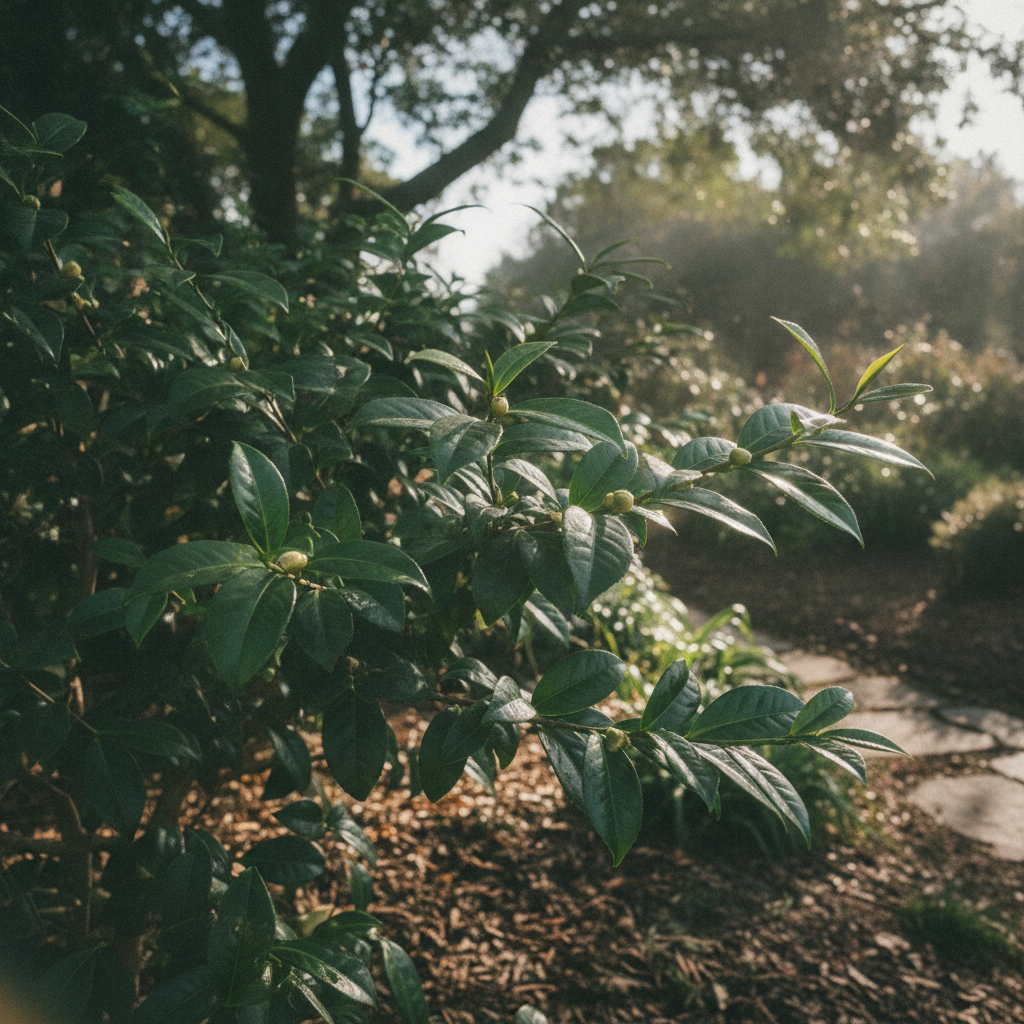

How To Grow Black Tea
Learn how to grow black tea at home: soil, climate, and the five processing steps from fresh leaf to a finished cup of black tea.

Wijsheid is de weg naar betere thee.
Ontvang onze gratis zetgids: het juiste water, de juiste temperatuur en de juiste trektijd voor elke thee die we verkopen. U hoort ook als eerste wanneer nieuwe oogsten binnenkomen.
Geen spam. U kunt zich altijd uitschrijven.
Kijk in uw inbox.
De gids is onderweg.