












Twisted Tea Explained: The Full Guide
Twisted Tea is one of the most recognizable alcoholic beverages in the United States. It sits in every gas station cooler and convenience store shelf, somewhere between the hard seltzers and the beer. Millions of cans get cracked open every year by people who want something that tastes less like beer and more like sweet iced tea with a kick.

But here is the thing most people never think about: Twisted Tea has almost nothing in common with actual tea. It is a malt beverage flavored to taste like sweetened iced tea. The relationship between Twisted Tea and real brewed tea is roughly the same as the relationship between grape soda and wine — they share a reference point, not an ingredient list.
That is not a knock on Twisted Tea. I have tried it, and I understand the appeal — it is cold, easy, and does what it promises. But it sits in the same category as Lipton for me: a product that gestures at tea without really being tea. If anything, that makes it an interesting entry point.
A lot of people discover they like the idea of tea-flavored drinks through Twisted Tea or similar products, and that is a perfectly reasonable place to start. What they often do not know yet is how different the real thing tastes. A cocktail made with actual brewed loose leaf tea — with the depth, tannins, and complexity that implies — is a different category entirely, and it is surprisingly easy to make at home.
This guide covers what Twisted Tea actually is, how it compares to real iced tea, and how to make your own tea-based cocktails and punches using loose leaf tea, with far more tea flavor than anything in a can.
What Is Twisted Tea
Twisted Tea is a flavored malt beverage (FMB) produced by the Boston Beer Company, the same company behind Samuel Adams beer and Truly Hard Seltzer. It was launched in 2001 and has grown into one of the top-selling flavored malt beverages in the American market.
The base of Twisted Tea is a malt alcohol made from fermented grains — essentially a clear, neutral beer base. This malt base is then blended with tea flavoring, sweeteners, and natural flavors to produce the final product. The brewing process is closer to making beer than brewing tea.
Twisted Tea is classified as a flavored malt beverage rather than a spirit or a cocktail. This classification matters because it determines where and how it can be sold. In most US states, FMBs can be sold in grocery stores, gas stations, and convenience stores alongside beer — places where spirits cannot be sold. This accessibility is a major reason for Twisted Tea's popularity. The US Alcohol and Tobacco Tax and Trade Bureau (TTB) regulates flavored malt beverages under strict rules that govern their production, labeling, and alcohol content.
The brand positions itself as a casual, easy-drinking alternative to beer. The marketing leans heavily into a laid-back, unpretentious identity. It is the drink you grab for a barbecue, a tailgate, or a day at the lake. And it works in that context — it is cold, sweet, mildly alcoholic, and requires zero preparation.
How Twisted Tea Is Made
The production process starts with brewing a malt base from grains, similar to how beer is brewed but without the hops and specialty malts that give beer its distinctive flavor. The result is a relatively neutral alcoholic liquid.
This base is then filtered, blended with brewed tea (the company states it uses real brewed tea in the blend), sweetened with high fructose corn syrup or sugar depending on the variety, and flavored. The exact tea-to-malt ratio is proprietary, but the malt base is the dominant component. Tea provides flavor character, not the alcoholic content.
The result is a smooth, sweet, lightly alcoholic drink that tastes like sweetened iced tea with a barely perceptible alcohol warmth.
Twisted Tea Flavors and Ingredients
Twisted Tea has expanded well beyond its original variety. The current lineup includes several permanent flavors and occasional seasonal or limited releases.
Core Flavors
Twisted Tea Original is the flagship. It tastes like sweet iced tea with lemon — the kind you would get from a fast food restaurant, not a tea shop. The sweetness is forward, the tea flavor is smooth and generic, and the lemon is subtle. At 5% ABV, it drinks like a slightly boozy Arnold Palmer without the lemonade sharpness.
Twisted Tea Half and Half blends the tea base with lemonade flavoring. This is Twisted Tea's version of an Arnold Palmer. It is sweeter and more citrus-forward than the Original, with a candy-like lemon character.
Twisted Tea Slightly Sweet uses less sugar than the Original. It is the closest thing in the lineup to something a tea drinker might appreciate — the reduced sweetness lets a bit more of the tea flavor come through, though it is still considerably sweeter than unsweetened brewed tea.
Twisted Tea Light is the low-calorie option, coming in at around 110 calories per 12-ounce can compared to the Original's 194. The flavor is thinner and more watery, which is the usual trade-off with light versions of sweetened beverages.
Twisted Tea Peach adds peach flavoring to the base. It leans into artificial peach territory — more like peach candy than actual peach — but it is popular in the summer months.
Twisted Tea Raspberry follows the same pattern with raspberry flavoring. Tart-sweet with a berry candy note.
Twisted Tea Mango is the tropical option. The mango flavor is forward and sweet.
Ingredients
The ingredient list on a Twisted Tea Original includes: malt beverage base (water, malted barley, corn syrup), brewed tea, high fructose corn syrup, natural flavors, citric acid, and sodium citrate.
A few things stand out. High fructose corn syrup appears twice — once in the malt base and once as an added sweetener. Natural flavors is a broad category that covers the tea flavoring, lemon notes, and anything else that shapes the taste profile. Citric acid provides tartness. Sodium citrate acts as a buffer to control acidity.
There is brewed tea in there, but it is far down the ingredient list. The dominant flavor drivers are the sweeteners and natural flavors, not the tea itself.
Twisted Tea Nutrition and Alcohol Content
Understanding what you are actually consuming with a Twisted Tea matters, especially if you are comparing it to other drink options.
Alcohol Content
Twisted Tea Original contains 5% alcohol by volume (ABV), which is equivalent to a standard American lager. The brand also sells Twisted Tea Original in a 24-ounce tallboy can, which at 5% ABV contains the equivalent of two standard drinks.
Some Twisted Tea products have higher alcohol levels. Twisted Tea Extreme, where available, clocks in at 8% ABV. The single-serve 24-ounce can at that strength contains roughly 3.2 standard drinks — something to be aware of since the sweet flavor makes it easy to drink quickly without registering the alcohol.
Nutritional Profile
A 12-ounce serving of Twisted Tea Original contains approximately:
- Calories: 194
- Carbohydrates: 25.9 grams
- Sugar: 23 grams
- Protein: less than 1 gram
- Fat: 0 grams
For context, 23 grams of sugar is roughly 5.5 teaspoons. That is more sugar than a standard glazed donut and about two-thirds the sugar in a 12-ounce can of Coca-Cola. The calories come almost entirely from alcohol and sugar — there is negligible nutritional value beyond energy.
Twisted Tea Light brings this down to about 110 calories and 6 grams of sugar per 12-ounce serving, achieved through artificial sweeteners.
By comparison, a homemade iced tea cocktail made with loose leaf tea, a shot of vodka or bourbon, and a teaspoon of honey contains roughly 110-130 calories, 4-6 grams of sugar, and the full flavor of real brewed tea.
Twisted Tea vs Real Iced Tea
This is where the conversation gets interesting. Twisted Tea is designed to evoke the idea of iced tea, but the actual drinking experience is fundamentally different from real brewed tea — even before you add alcohol to the comparison.
Flavor Complexity
Real brewed tea, especially loose leaf tea, contains hundreds of flavor compounds. A good black tea has malt, honey, stone fruit, and a pleasant astringency that creates structure on the palate. Green tea offers vegetal sweetness, umami, and a clean finish. Oolong can range from floral and creamy to roasted and mineral. Herbal teas like hibiscus deliver intense tartness and fruit character.
Twisted Tea has one flavor note: sweet tea. It is a flattened, homogenized version of what tea tastes like — the beverage equivalent of a photograph of a photograph. It is pleasant enough, but there is no depth, no evolution across the sip, no finish worth thinking about.
When you make a cocktail with real brewed tea, the tea provides structure that works with spirits the same way wine does in a sangria or citrus does in a margarita. The tannins interact with the alcohol. The aromatics carry through. The finish is clean rather than cloying.
Sweetness
Twisted Tea Original contains 23 grams of sugar per 12-ounce serving. That level of sweetness buries any tea character that might otherwise be present. Your palate registers sugar, then more sugar, with a vague tea impression underneath.
Real brewed iced tea has zero sugar unless you add it yourself. And when you do sweeten it — with honey, simple syrup, or agave — you control the amount. Most people who drink quality loose leaf iced tea find they need far less sweetener than they expected because the tea itself has natural sweetness, especially cold-brewed green tea and oolong.
What You Are Actually Drinking
Twisted Tea is fundamentally a sugar-sweetened malt beverage with tea flavoring. Real iced tea is an infusion of tea leaves in water. These are different products serving different purposes, and neither one is wrong — but it is worth being honest about the gap.
If you enjoy Twisted Tea, you enjoy a sweet, easy-drinking alcoholic beverage. That is fine. But if you think you enjoy tea-flavored drinks, making the leap to actual brewed tea cocktails will show you what that flavor can really be when the tea itself is the star rather than a background note.
Making Tea Cocktails at Home with Loose Leaf Tea

The good news is that making a tea cocktail with real loose leaf tea requires no special equipment and very little effort. If you can brew a cup of tea, you can make a tea cocktail with far more tea flavor than anything in a can.
The Basic Method
The foundation of every tea cocktail is a tea concentrate — tea brewed at double or triple normal strength so the flavor holds up when combined with spirits, ice, and mixers.
Hot brew concentrate: Use 2-3 teaspoons of loose leaf tea per cup (240 ml) of water. Steep at the appropriate temperature for the tea type — boiling for black tea and herbal, 80C / 175F for green, 90C / 195F for oolong. Steep for the normal duration, then strain. Let it cool to room temperature before mixing with spirits. You can refrigerate this concentrate for up to 48 hours.
Cold brew concentrate: Use 3-4 teaspoons of loose leaf tea per cup of cold water. Refrigerate for 8-12 hours. Strain. This produces a smoother, sweeter concentrate that works particularly well in cocktails where you want the tea flavor to integrate subtly rather than dominate.
Building a Tea Cocktail
A tea cocktail follows the same structure as any cocktail: base spirit, modifier, sweetener, and accent.
- Base spirit: 45-60 ml (1.5-2 oz)
- Tea concentrate: 60-90 ml (2-3 oz)
- Sweetener: 15-22 ml (0.5-0.75 oz) simple syrup, honey syrup, or agave
- Accent: Citrus juice, bitters, herbs, or fruit
Combine over ice in a glass, stir, and taste. Adjust sweetener and tea concentration to preference. That is it. The whole process takes about two minutes once you have your tea concentrate ready.
Tips for Better Tea Cocktails
Brew the tea properly. Over-steeped, bitter tea makes a bitter cocktail. If anything, err on the side of slightly under-steeping your concentrate — the other ingredients will add plenty of complexity.
Match tea intensity to spirit intensity. Robust black tea stands up to bourbon and dark rum. Delicate green tea works better with vodka, gin, or white rum. Herbal teas with big flavor — hibiscus, peppermint — can handle almost any spirit.
Sweetener matters. Honey syrup (equal parts honey and warm water, stirred until dissolved) adds more character than plain simple syrup. Agave works well with tequila-based tea cocktails. Maple syrup pairs surprisingly well with black tea and bourbon.
Chill everything. Tea cocktails should be served very cold. Pre-chill your tea concentrate and use plenty of ice. A warm tea cocktail is an unpleasant thing.
Fresh citrus only. If your recipe calls for lemon or lime juice, squeeze it fresh. The difference between fresh citrus juice and bottled is enormous in a cocktail where tea is the base — bottled juice adds a stale, flat note that clashes with the tea's aromatics.
Tea and Alcohol Pairings
Not every tea works with every spirit. Here are the combinations that work best, based on how the flavor compounds in each tea interact with different alcohols.
Black Tea
Black tea's malt, tannin, and body make it a natural partner for dark spirits. Bourbon is the classic pairing — the vanilla and caramel notes in bourbon complement black tea's malt character. Dark rum works similarly, with added molasses depth. Whiskey (Irish or Scotch) pairs well with smokier black teas like Lapsang Souchong. Brandy and black tea is an old combination with good reason — both share dried fruit and warm spice notes.
Green Tea
Green tea's lighter, more vegetal character calls for lighter spirits. Gin is the best match — the botanical notes in gin amplify the herbal quality of green tea. Vodka works when you want the tea to be the dominant flavor. Sake mixed with cold-brewed Sencha is a Japanese combination that deserves wider recognition. White rum adds sweetness without overpowering the tea. Our Premium Gyokuro cold-brewed makes a good cocktail base.
Herbal Tea
Herbal teas are the most versatile cocktail base because their bold flavors are hard to overpower. Hibiscus pairs with tequila, mezcal, rum, and gin equally well. Peppermint works with bourbon, vodka, and white rum. Chamomile is surprisingly good with gin or tequila — the apple-like sweetness of chamomile rounds out the sharper edges of these spirits. Try our German Chamomile for cocktails — the whole flowers deliver far more flavor than bagged chamomile dust. Rooibos works with bourbon, rum, and brandy — its natural sweetness and vanilla notes make it a bridge between tea and spirit. Our Green Rooibos is unoxidised and lighter in character, which works particularly well in gin-based drinks.
Oolong Tea
Oolong's range makes it flexible. Light, floral oolongs pair with gin, vodka, and champagne or prosecco (a tea spritz). Roasted oolongs pair with bourbon, dark rum, and aged tequila. The toasty, caramelized notes in roasted oolong mirror the barrel-aged character of these spirits. Our Milk Oolong is creamy and floral — well suited to a vodka spritz or gin sour.
Best Teas for Tea Cocktails
If you are building a tea cocktail program at home, these are the teas to stock.
Black Tea
Ceylon is the all-purpose cocktail black tea. Its bright, clean character mixes well with everything and does not fight other flavors. It makes a reliable base for sweet tea cocktails, punches, and any recipe where you want recognizable "iced tea" flavor with actual depth.
Assam works when you need muscle. Its malty, robust character stands up to heavy sweeteners, strong spirits, and bold mixers. It is the right choice for bourbon tea cocktails and any drink that needs to survive a lot of ice dilution. Our Artisan Assam is a single-estate tea with genuine depth — the kind of Assam that holds up in a punch bowl.
Earl Grey brings bergamot oil into the equation, which adds a citrus-floral note that is unique in cocktails. Earl Grey and gin is a proven combination — the bergamot and the juniper create something greater than either alone. Try our Earl Grey for this: the bergamot oil is natural and fragrant rather than artificial.
Green Tea
Sencha cold-brewed makes a light, refined cocktail base. Its vegetal sweetness and clean umami work with gin, vodka, sake, and white rum. A cold-brewed Sencha with gin, a touch of honey, and a squeeze of lime is a well-balanced cocktail.
Jasmine green tea adds floral complexity. It works beautifully in gin cocktails and vodka-based drinks where you want aromatic elegance. Our Jasmine Pearls hand-rolled tea is strongly fragrant — cold-brewed, it makes a good base for champagne cocktails. Jasmine tea and prosecco with a dash of elderflower liqueur is a good combination.
Matcha works differently from other green teas because it is a powder rather than a leaf, so you are consuming the whole tea rather than an infusion. A small amount of matcha (half a teaspoon) shaken with vodka or gin, citrus, and sweetener produces a vivid green cocktail with a distinct umami quality. It is visually striking and distinctive in taste.
Herbal Tea
Hibiscus is a very versatile herbal tea for cocktails. It produces an intensely colored, tart, fruity concentrate that works with virtually every spirit. Its natural acidity means you need less citrus juice. Its color makes drinks look vivid. And it cold brews beautifully — hibiscus cold brew is ready in 4-6 hours and keeps for a week in the fridge.
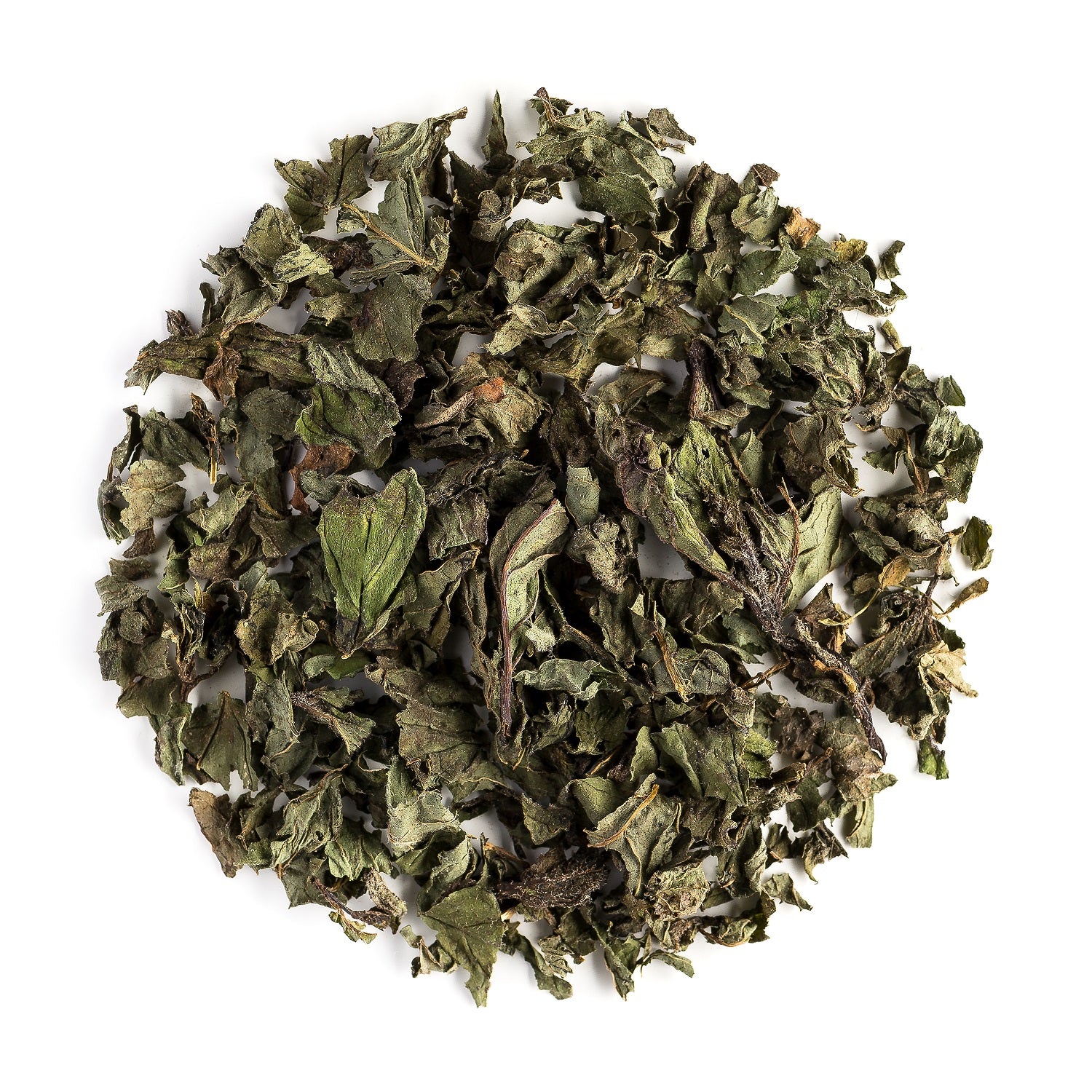
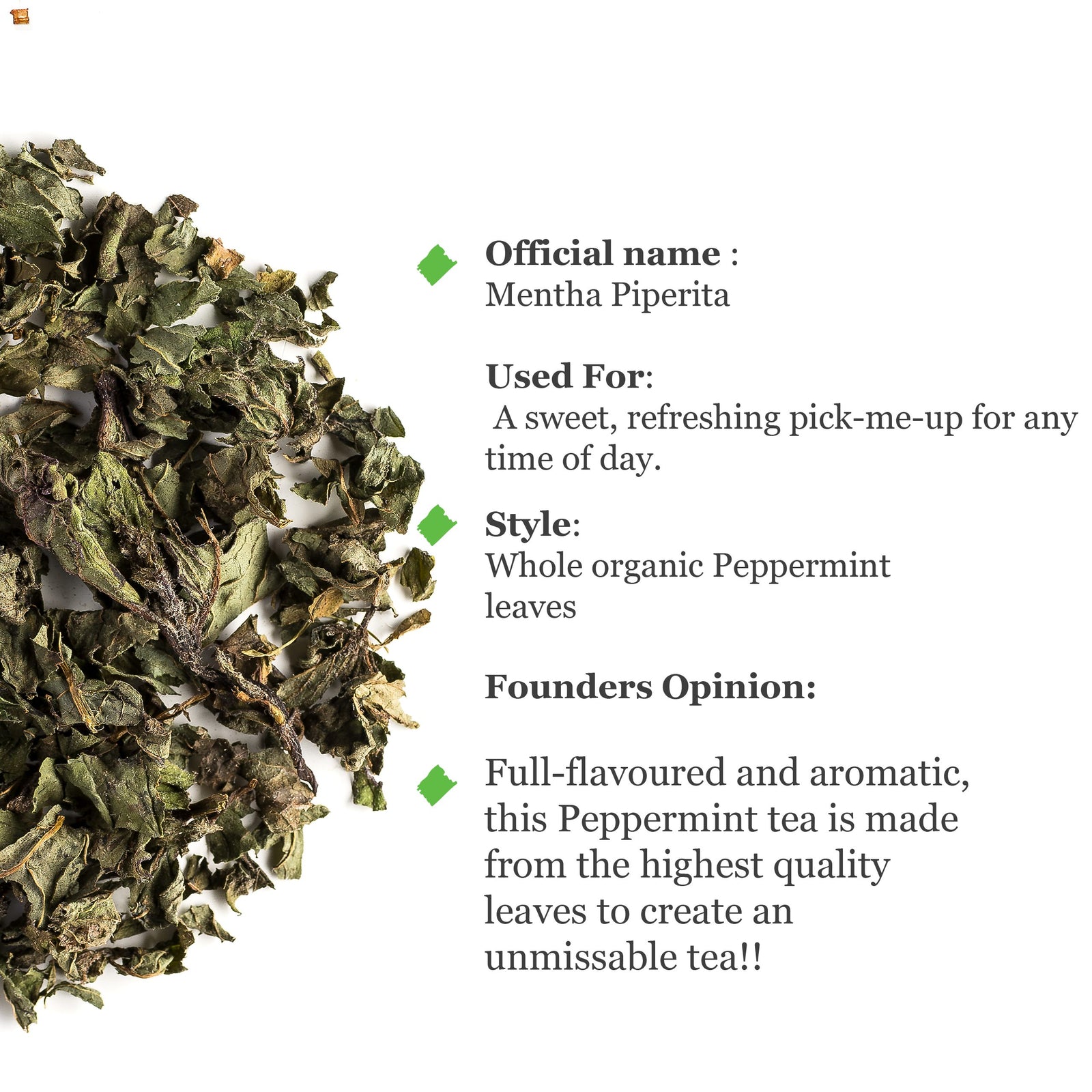
Peppermint is essential for any tea cocktail that needs a cooling, refreshing element. Peppermint tea concentrate mixed with bourbon and a touch of simple syrup is a tea-based mint julep that converts skeptics. It also works as a modifier — a splash of peppermint concentrate added to a black tea cocktail lifts the entire drink.
Rooibos is the sleeper pick. Its naturally sweet, vanilla-adjacent character makes it a cocktail base that barely needs additional sweetener. Rooibos and dark rum with lime is simple and well balanced. Rooibos also works as a substitute for sweet vermouth in some whiskey cocktail variations — it has the same sweetness and complexity without the alcohol content of vermouth.
Chamomile is best used as a supporting player rather than a lead. A chamomile-infused simple syrup (brew strong chamomile, dissolve sugar into it while hot) adds a honey-apple sweetness to any cocktail without making it taste like chamomile tea. It is a bartender's trick that works in tea cocktails, classic cocktails, and everything in between.
Hibiscus — A Special Mention
Hibiscus deserves extra attention because it sits at the intersection of tea, cocktail culture, and global culinary tradition. Agua de jamaica in Mexico, bissap in Senegal, karkade in Egypt — all are hibiscus infusions served cold, often with sugar. Adding alcohol to this tradition is a natural step, and the combination works well.
A hibiscus tea base brings three things to a cocktail that are hard to replicate: deep ruby-red color, natural tartness that reduces the need for citrus, and a fruity flavor that works across spirit categories. If you stock only one herbal tea for cocktails, make it hibiscus.
Tea Punch Recipes

Punches are the easiest way to serve tea cocktails to a group. They scale up effortlessly, benefit from sitting for an hour so the flavors meld, and require nothing more than a large bowl or pitcher.
Black Tea Bourbon Punch
This is the recipe to make when you want a crowd-friendly punch that tastes like a proper cocktail rather than spiked juice.
- 500 ml strong-brewed Ceylon or Assam black tea, cooled
- 250 ml bourbon
- 125 ml fresh lemon juice
- 125 ml honey syrup (equal parts honey and warm water)
- 250 ml cold water
- Lemon wheels for garnish
Combine everything in a large pitcher. Stir well. Refrigerate for at least one hour. Serve over ice in glasses. Makes about 8 servings.
The tea provides the backbone, the bourbon adds warmth and vanilla notes, and the honey syrup bridges the two. This is what Twisted Tea would taste like if it were made with real ingredients and actual intention.
Hibiscus Tequila Punch
A vibrant, tart, festive punch that works year-round but is particularly good in warm weather.
- 500 ml hibiscus tea concentrate (brew 3 tablespoons dried hibiscus in 500 ml boiling water for 10 minutes, strain)
- 250 ml blanco tequila
- 125 ml fresh lime juice
- 125 ml agave syrup
- 250 ml sparkling water (add just before serving)
- Lime wheels and mint sprigs for garnish
Combine everything except sparkling water in a pitcher. Stir. Refrigerate for at least one hour. Add sparkling water and ice just before serving. Makes about 8 servings.
The color alone makes this punch worth making — a deep, translucent red that looks striking in a clear pitcher or punch bowl. The flavor is tart, fruity, and refreshing, with the tequila adding just enough bite.
Green Tea Gin Punch
A lighter, more elegant punch for occasions when you want something refined rather than robust.
- 500 ml cold-brewed Sencha or jasmine green tea
- 250 ml gin
- 90 ml fresh lime juice
- 90 ml simple syrup
- 125 ml cucumber water (peel and slice half a cucumber, let it sit in 125 ml water for 2 hours, strain)
- Thin cucumber slices for garnish
Combine everything in a pitcher. Stir gently. Serve over ice. Makes about 6-8 servings.
This punch is subtle and aromatic. The green tea and gin share botanical and herbal notes that blend seamlessly. The cucumber adds a spa-like freshness that makes this feel clean and refined. It is the kind of drink that makes people ask what is in it.
Rooibos Rum Punch
A caffeine-free option with a warm, spiced character that works well in autumn and winter.
- 500 ml strong-brewed rooibos, cooled
- 250 ml dark rum
- 125 ml fresh orange juice
- 60 ml vanilla simple syrup (make simple syrup, add a teaspoon of vanilla extract)
- 2 cinnamon sticks
- Orange slices for garnish
Combine everything in a pitcher with the cinnamon sticks. Refrigerate for at least 2 hours (the cinnamon needs time). Serve over ice or, in cold weather, gently warm on the stove and serve in mugs. Makes about 6-8 servings.
The natural vanilla and honey notes in rooibos pair beautifully with dark rum. The cinnamon adds warmth without overwhelming. This is a punch that transitions from a summer party to a winter gathering just by changing the serving temperature.
Frequently Asked Questions
Does Twisted Tea contain real tea?
Yes, Twisted Tea states that its product contains real brewed tea. However, the tea is a minor component compared to the malt alcohol base, high fructose corn syrup, and natural flavors. The tea provides some flavor character, but it is not the primary taste driver.
How much caffeine is in Twisted Tea?
Twisted Tea contains a small amount of caffeine from the brewed tea — roughly 30 mg per 12-ounce serving. For comparison, a standard cup of brewed black tea contains 40-70 mg of caffeine. That puts the amount in Twisted Tea below a typical cup of brewed black tea.
Is Twisted Tea gluten-free?
No. Twisted Tea is brewed from malted barley, which contains gluten. It is not suitable for people with celiac disease or gluten sensitivity.
Is Twisted Tea a beer?
Technically, no. It is classified as a flavored malt beverage (FMB). The production process shares similarities with beer brewing — both start with fermented grains — but the final product is designed to taste nothing like beer. It is taxed and regulated similarly to beer in most jurisdictions.
Can I make a better version of Twisted Tea at home?
Absolutely. Brew a strong black tea (Ceylon or Assam work well), let it cool, and mix it with vodka or light rum, a squeeze of lemon, and honey to taste. The result has real tea flavor, less sugar, and more character than the commercial version. See the recipes above for specific ratios and methods.
What is the best tea for making cocktails?
It depends on the spirit and the style of drink. For general versatility: Ceylon black tea for dark spirit cocktails, Sencha for light spirit cocktails, and hibiscus for anything that needs color, tartness, and fruit character. If you want one tea that does everything reasonably well, start with Ceylon black tea — it is the iced tea base that works with the widest range of spirits and flavors.
Do tea cocktails taste like Twisted Tea?
No, and that is the point. Tea cocktails made with real brewed tea have a depth and complexity that Twisted Tea cannot match. They taste like tea — with all the tannins, aromatics, and finish that implies — combined with a spirit. Twisted Tea tastes like a sweetened malt beverage with tea flavoring. Both are enjoyable in their own context, but they are different categories of drink.
Can I use tea bags instead of loose leaf for cocktails?
You can, but the results will be noticeably inferior. Tea bags typically contain fannings and dust — the smallest particles left over after loose leaf production. They brew quickly but produce a flat, one-dimensional tea that lacks the complexity you want in a cocktail base. Research published by the National Institutes of Health on polyphenol content and brewing methods confirms that brewing technique and tea grade significantly affect the polyphenol content and flavor compounds in the final cup. Loose leaf tea costs more per gram but produces a concentrate with enough flavor depth to carry a cocktail. For something you are adding spirits to, the tea quality matters more, not less.
Conclusion
Twisted Tea succeeded because it identified a real desire: people want drinks that taste like iced tea but contain alcohol. The execution — a sweetened malt beverage with tea flavoring — works for what it is. It is convenient, consistent, and widely available. And honestly, it serves a useful purpose: it introduces people to the idea that tea and alcohol belong together. That is the same role a Lipton tea bag plays for loose leaf — not the destination, but a place to start.
But convenience comes at a cost. What you gain in grab-and-go simplicity, you lose in flavor, complexity, and control. Twenty-three grams of sugar per serving. A tea flavor that barely registers beneath the sweetness. No ability to adjust anything to your taste.
Making tea cocktails at home with real loose leaf tea takes marginally more effort and gives you far more control over flavor and sweetness. A cold-brewed Sencha with gin and lime. A black tea bourbon punch sweetened with honey. A hibiscus tequila drink that glows ruby red in the glass. These are drinks with actual character — drinks where the tea is not a flavoring agent but a genuine ingredient that shapes the entire experience.
The best part is that the same loose leaf teas you use for your morning cup or your afternoon iced tea become your cocktail ingredients in the evening. There is no separate purchase needed. A good Ceylon or Sencha does triple duty: hot tea, iced tea, cocktail base.
If Twisted Tea is what introduced you to the idea of tea and alcohol together, consider it a starting point. The real destination is a glass where the tea matters as much as the spirit — where you can taste the difference between a Ceylon and an Assam in your bourbon punch, where cold-brewed jasmine green tea transforms a simple gin drink into something worth savoring.
That is what happens when you start with real tea.
Related Articles
Laat een reactie achter
Reacties worden goedgekeurd voor ze verschijnen.
I18n Error: Missing interpolation value "titel" for "Ook in {{ titel }}"
The Complete Guide to Drinking Tea
What tea is, how the main types differ in the cup, and how to brew each one properly. Water temperature, steeping times, storage and how to get more than one cup from your leaves.
Lees Meer

Black Tea: Types, Processing, and How to Brew It
Black tea is fully oxidized Camellia sinensis. Compare Assam, Darjeeling, Keemun, and Ceylon varieties. Learn processing, brewing, and caffeine levels.

How To Grow Black Tea
Learn how to grow black tea at home: soil, climate, and the five processing steps from fresh leaf to a finished cup of black tea.

Wijsheid is de weg naar betere thee.
Ontvang onze gratis zetgids: het juiste water, de juiste temperatuur en de juiste trektijd voor elke thee die we verkopen. U hoort ook als eerste wanneer nieuwe oogsten binnenkomen.
Geen spam. U kunt zich altijd uitschrijven.
Kijk in uw inbox.
De gids is onderweg.