













The Complete Guide to White Tea Shot
If you search for "white tea shot" expecting something delicate and floral brewed from Silver Needle leaves, you are going to be surprised. The white tea shot is a cocktail. It is one of the most popular bar shots in the United States, ordered thousands of times every weekend, and it contains zero tea of any kind. Not white tea, not green tea, not any tea at all.

At Valley of Tea, we have been sourcing and tasting teas for over fifteen years. This guide draws on that experience.
The name is a mystery that even bartenders cannot fully explain. The most likely theory is that the drink's pale, almost translucent appearance — courtesy of the clear spirits and light-colored mixers — earned it the "white tea" label. It looks vaguely like a cup of lightly brewed white tea if you squint. That is where the connection ends.
This is not a complaint. The white tea shot is a perfectly fine cocktail. But if you have ever tasted actual white tea — with its subtle sweetness, honeyed florals, and clean finish — you know there is a missed opportunity here. Real white tea makes an outstanding cocktail ingredient, and almost nobody is using it that way.
This guide covers the cocktail first, because that is what most people came here for. Then it goes further: how to make cocktails with actual white tea that will outclass any shot you have ever had at a bar.
What Is a White Tea Shot
The white tea shot is a chilled cocktail served as a shooter. It is sweet, slightly tart, and goes down easy — which is exactly why it is so popular in bars and at parties. The drink has a smooth, fruity profile that masks the alcohol effectively, making it a favorite among people who do not particularly enjoy the taste of straight spirits.
The white tea shot belongs to the broader family of flavored shooters that became hugely popular in American bar culture during the 2000s and 2010s, alongside drinks like the lemon drop shot, the Kamikaze, and the Washington Apple. These are cocktails designed for speed and drinkability rather than complexity. They are social drinks — something to order a round of for the table.
Despite the name, the white tea shot has no connection to tea culture, tea ceremony, or any actual tea leaf. It is a mixed drink built on vodka and fruit-flavored liqueur. The "white tea" label is purely a nickname, not a description of ingredients.
Where Did the Name Come From
Nobody has a definitive origin story. The two most common explanations are:
The drink's pale color. When mixed, the combination of clear vodka, peach schnapps, and sour mix produces a drink that is nearly translucent with a faint golden hue — not unlike a light cup of brewed white tea.
A bartender's creative naming. Bar culture thrives on catchy drink names. "White tea shot" sounds sophisticated and slightly mysterious, which makes people more inclined to order it. A shot called "vodka peach sour" does not have the same appeal.
Whatever the origin, the name stuck. And it stuck well enough that white tea shot consistently ranks among the most searched cocktail terms online.
White Tea Shot Recipe

The classic white tea shot is simple. Four ingredients, no special equipment beyond a cocktail shaker, and about sixty seconds of work.
Ingredients
- 1 oz (30 ml) vodka
- 1 oz (30 ml) peach schnapps
- 1 oz (30 ml) sour mix (or fresh lemon juice with simple syrup)
- Splash of lemon-lime soda (Sprite or 7-Up)
Instructions
Fill a cocktail shaker with ice. Add the vodka, peach schnapps, and sour mix. Shake hard for about ten seconds until the shaker is cold to the touch. Strain into a shot glass. Top with a small splash of lemon-lime soda for a touch of fizz.
That is the standard version. Some bartenders adjust the ratios — a bit more sour mix for tartness, a bit less schnapps if the crowd prefers a drier drink. Others substitute lemon juice and simple syrup for the commercial sour mix, which produces a cleaner, less artificial result.
Variations
Green Tea Shot: Replace the vodka with Jameson Irish whiskey. This is actually the more famous version in many regions. The green tea shot and white tea shot are essentially the same drink with a spirit swap. The whiskey version has a slightly warmer, more complex flavor. It also contains no green tea.
Honey White Tea Shot: Add half an ounce of honey syrup (equal parts honey and hot water, stirred until dissolved). This softens the tartness and adds body.
Spicy White Tea Shot: Add a thin slice of fresh jalapeño to the shaker before shaking. The heat is subtle but present, and it plays well against the peach sweetness.
Why the White Tea Shot Contains No Tea
This is worth addressing directly, because the name genuinely confuses people. Tea lovers search for "white tea shot" expecting a tea recipe. Health-conscious drinkers assume it must be a lighter option because it references tea. Neither assumption is correct.
The white tea shot is a cocktail made from spirits, liqueur, and mixers. It contains:
- Distilled grain alcohol (vodka)
- Peach-flavored liqueur (schnapps)
- Citrus juice and sugar (sour mix)
- Carbonated soft drink (lemon-lime soda)
There is no tea in this list. No brewing is involved. The calorie content is driven by the sugar in the schnapps and sour mix — somewhere around 150 to 180 calories per serving depending on proportions. The drink is not health-adjacent in any way, despite the name suggesting otherwise.
This disconnect between name and reality is common in cocktail culture. The Long Island Iced Tea contains no tea. The Arnold Palmer (the alcoholic version) sometimes contains real tea and sometimes does not. Drink names are marketing, not ingredient lists.
But what if they were not? What if a "white tea shot" actually contained white tea?
The Real Thing: White Tea in Cocktails

Here is where things get interesting. White tea — actual white tea, made from young tea buds and leaves of the Camellia sinensis plant — is one of the most cocktail-friendly teas in existence. It has a delicate, naturally sweet flavor with notes of honey, melon, and light florals. It has minimal bitterness and almost no astringency when brewed correctly. It mixes beautifully with spirits without fighting them.
The reason white tea works so well in cocktails comes down to its flavor profile. Most teas bring tannins and bitterness that can clash with spirits or dominate a drink. Black tea in a cocktail needs sugar to balance its astringency. Green tea can turn grassy and sharp when mixed with alcohol.
But white tea slides right in. Its flavors are gentle enough to complement spirits while adding genuine depth and complexity. Research on white and green tea polyphenol profiles confirms that white tea typically contains fewer tannin-heavy catechins than green tea — which is exactly why it behaves so differently in a glass.
Professional mixologists have been catching on. High-end cocktail bars in cities like New York, London, and Tokyo have been incorporating tea into their menus for years. White tea, in particular, shows up in spring and summer cocktails where light, floral, refreshing profiles are desirable.
You do not need a mixology degree to do this at home. You just need good white tea and basic technique.
White Tea Vodka Infusion
The simplest way to get white tea into a cocktail is to infuse it directly into a spirit. A white tea vodka infusion takes about two hours and produces a base that works in almost any vodka cocktail.
What You Need
- 750 ml bottle of decent vodka (it does not need to be top-shelf, but avoid the very bottom shelf)
- 15 g (about 3 tablespoons) loose leaf white tea — White Peony or Silver Needle works best
- A clean glass jar with a lid
Method
Pour the vodka into the jar. Add the tea leaves. Seal the jar and let it sit at room temperature for 2 to 3 hours. Taste every 30 minutes after the first hour.
You are looking for a noticeable tea flavor without bitterness — the moment you detect any astringent edge, it is time to strain.
Strain through a fine mesh sieve or cheesecloth. Discard the leaves. Store the infused vodka in its original bottle or any sealed container. It keeps indefinitely at room temperature.
The result is a vodka with a subtle golden tint and a smooth, honeyed character. It is excellent on its own over ice, and it transforms any cocktail that calls for vodka.
The Real White Tea Shot
Now you can make a white tea shot that actually contains white tea. Use the infused vodka in place of regular vodka in the classic recipe. The peach schnapps and sour mix are still there, but now there is a layer of genuine tea flavor underneath — floral, slightly sweet, unmistakably real. It is the drink the name always promised.
White Tea Peach Cocktail

The affinity between white tea and peach is not accidental. Both share a similar flavor space: gentle sweetness, soft fruit, delicate aromatics. This cocktail leans into that natural pairing.
Ingredients
- 120 ml (4 oz) chilled brewed white tea (strong brew — see brewing guide below)
- 45 ml (1.5 oz) vodka or white tea-infused vodka
- 30 ml (1 oz) peach nectar or muddled fresh peach
- 15 ml (0.5 oz) simple syrup (adjust to taste)
- 15 ml (0.5 oz) fresh lemon juice
- Ice
- Fresh peach slice for garnish
Instructions
Combine the tea, vodka, peach nectar, simple syrup, and lemon juice in a shaker with ice. Shake until cold. Strain into a rocks glass filled with fresh ice. Garnish with a peach slice.
This drink is balanced and refreshing. The tea provides a subtle backbone that keeps the peach from becoming cloying. The lemon juice adds brightness. If you use fresh peach instead of nectar, muddle two or three slices in the bottom of the shaker before adding the other ingredients.
White Tea Gin and Tonic
Gin and tonic is one of the world's great simple cocktails, and white tea improves it in a way that might surprise you. The botanical notes in gin — juniper, coriander, citrus peel — harmonize naturally with the floral character of white tea.
Ingredients
- 120 ml (4 oz) chilled brewed white tea
- 45 ml (1.5 oz) London dry gin
- 60 ml (2 oz) tonic water
- Thin lemon wheel
- Ice
Instructions
Fill a tall glass with ice. Pour in the gin, then the chilled white tea. Top with tonic water and stir gently once or twice. Drop in the lemon wheel.
The white tea adds a silky, floral middle note between the sharp juniper of the gin and the bitter quinine of the tonic. It rounds out the drink without making it sweet. This is a cocktail for people who think they do not like flavored drinks — it is subtle, sophisticated, and deeply refreshing.
For variation, try it with an elderflower tonic water instead of regular tonic. The elderflower and white tea combination is distinctive.
White Tea Mocktails

Not every great drink needs alcohol. White tea is arguably even more useful in mocktails because it brings complexity and depth that non-alcoholic drinks often lack. Most mocktails are just juice mixed with soda. White tea changes that equation.
White Tea Spritz
Brew a strong cup of white tea and chill it completely. Fill a wine glass with ice. Pour in 150 ml (5 oz) of chilled white tea, add 30 ml (1 oz) of honey syrup, squeeze in half a lemon, and top with sparkling water. Stir gently. Garnish with a sprig of fresh mint or a lemon twist.
This is a legitimate drink — not a consolation prize for people who are not drinking alcohol. The tea provides the kind of depth that spirits normally bring: a layered flavor that evolves as you sip.
White Tea Peach Iced Tea
Brew white tea at double strength and let it cool completely. Combine 200 ml (about 7 oz) with 60 ml (2 oz) peach nectar and 15 ml (0.5 oz) fresh lemon juice. Pour over ice in a tall glass. Top with a splash of sparkling water if you want fizz.
This is what commercial peach iced teas wish they tasted like. The white tea base is clean and smooth, the peach is present but not artificial, and the lemon keeps everything bright.
White Tea and Ginger Cooler
Brew white tea, chill it, and combine 150 ml (5 oz) with 30 ml (1 oz) fresh ginger juice (grate fresh ginger and squeeze through a fine strainer), 15 ml (0.5 oz) honey syrup, and a squeeze of lime. Shake with ice and strain into a glass. Top with soda water.
The ginger gives this drink a spicy kick that contrasts beautifully with the soft sweetness of the white tea. It is invigorating without being aggressive.
Best White Teas for Cocktails

Not all white teas are created equal, and different varieties bring different qualities to cocktails.
Silver Needle (Bai Hao Yin Zhen)
Silver Needle is the premium white tea, made exclusively from unopened tea buds. Those buds have an incredibly hard cell wall — they dry slowly and age slowly, which is part of what makes Silver Needle so pure and aromatic. In the cup, the flavor is exceptionally delicate: subtle notes of berry, caramel, and honey, with a floral aroma that lingers. The texture is almost creamy.
In cocktails, Silver Needle works best as a concentrate or infusion where the tea is the star. Its subtlety means it can get lost in drinks with a lot of competing flavors — pair it with restraint, in drinks where you want maximum elegance and a clean visual presentation. Silver Needle produces a very pale, almost colorless brew, which is an advantage when you want the cocktail to look pristine.
White Peony (Bai Mu Dan)
White Peony uses one bud and two young leaves, and that structural difference shows immediately in the cup. It has a clean palate with a much higher, more intense sweetness than Silver Needle, combined with a floral aroma and noticeably more body and mouthfeel. I drink White Peony as my preferred daily white tea for exactly this reason — that sweet floral freshness, and the body that keeps it satisfying cup after cup.
That body is also what makes White Peony the better cocktail choice. It holds up against ginger, citrus, peach, and other bold flavors without disappearing. When you need the tea flavor to carry through other ingredients, White Peony does that where Silver Needle cannot. It is also more forgiving to brew — you have a wider window before it turns bitter.
White Peony is generally less expensive than Silver Needle, which makes it the practical choice for cocktail use where you are going through more tea than you would for a single cup. A peer-reviewed comparison of Fuding white tea varieties confirms that Bai Mu Dan yields a higher content of key compounds than Bai Hao Yin Zhen, which aligns with its fuller flavor in the cup.
Which to Choose
When I tested both side by side, the distinction was immediate. Silver Needle is purer and more aromatic as a concentrate — its delicate berry, caramel, and honey notes come through beautifully in an infusion where nothing competes with them. White Peony has that intense sweetness and body that simply carries through when you mix it.
For spirit infusions and shots: Silver Needle. The long contact time extracts its delicate flavors without roughness, and the resulting infusion is remarkably smooth and aromatic.
For brewed tea cocktails: White Peony. Its fuller body and intense sweetness hold up against the other ingredients without getting buried.
For mocktails: either works. Silver Needle for maximum elegance and subtlety, White Peony for a more pronounced, sweet tea character.
How to Brew Tea for Cocktails

Brewing tea for cocktails is different from brewing tea for drinking. You need a stronger concentration because the tea will be diluted by ice, spirits, and other ingredients. A cup of tea brewed at normal strength will taste like slightly flavored water once it is in a cocktail.
The Cocktail Brew Method
Use 1.5 to 2 times your normal amount of tea leaves. For white tea, this means roughly 6 to 8 grams per 250 ml (about 8 oz) of water instead of the usual 4 to 5 grams.
Water temperature matters more for cocktail tea than for regular tea, because bitterness in a cocktail is harder to mask. Brew white tea at 80 to 85 degrees Celsius (175 to 185 Fahrenheit). This is below boiling — if you do not have a temperature-controlled kettle, bring water to a full boil and then let it sit for 3 to 4 minutes before pouring.
Steep for 4 to 5 minutes. This is longer than the typical recommendation for white tea, but you need the extra extraction to build a strong enough tea base for cocktails.
Strain the leaves and let the tea cool to room temperature. Then refrigerate until completely cold. Warm or room-temperature tea will melt your ice instantly and water down the drink.
Batch Brewing
If you plan to make multiple cocktails — for a party, for instance — brew a large batch. Use the same ratio: 6 to 8 grams of white tea per 250 ml of water, scaled up to whatever volume you need. A liter of strong-brewed white tea will make roughly 6 to 8 cocktails depending on the recipe.
Brewed white tea keeps well in the refrigerator for 2 to 3 days. After that, the flavor starts to flatten and develop off-notes. Brew fresh for the best results.
Simple Syrup for Tea Cocktails
Many tea cocktails benefit from a tea-infused simple syrup instead of plain simple syrup. Combine equal parts sugar and water in a small saucepan. Heat until the sugar dissolves. Remove from heat, add a tablespoon of white tea leaves, and let it steep for 10 minutes.
Strain and cool. Store in the refrigerator for up to two weeks.
This syrup adds sweetness and tea flavor simultaneously, which lets you build a more cohesive drink.
Frequently Asked Questions
Does the white tea shot contain caffeine?
The cocktail? No. It contains no tea of any kind, so there is no caffeine. If you make a version with actual brewed white tea or white tea-infused vodka, the caffeine content will be minimal. White tea has less caffeine than green or black tea, and the amount in a single cocktail serving is comparable to a few sips of coffee.
Is a white tea shot healthy?
The cocktail version is an alcoholic mixed drink with added sugar. It is not a health beverage. A version made with actual white tea retains some of the antioxidant benefits of white tea, but the presence of alcohol offsets most health claims. The mocktail versions are the healthiest option — you get the full benefit of the tea's polyphenols and antioxidants without the alcohol and with much less sugar.
What is the difference between a white tea shot and a green tea shot?
The primary difference is the base spirit. A white tea shot uses vodka. A green tea shot uses Jameson Irish whiskey. The rest of the ingredients — peach schnapps, sour mix, and a splash of lemon-lime soda — remain the same. The green tea shot has a warmer, slightly richer flavor due to the whiskey. Neither drink contains actual tea.
Can I use tea bags instead of loose leaf for cocktails?
You can, but the results will be noticeably different. Tea bags typically contain lower-grade tea with smaller, broken leaf particles. These brew quickly and can turn bitter fast, especially at the higher concentrations needed for cocktails. Loose leaf white tea gives you more control over the strength and flavor, and the quality difference is significant in a cocktail where the tea flavor needs to come through clearly.
How long does white tea-infused vodka last?
Indefinitely, in practical terms. The alcohol preserves the infusion. Store it sealed at room temperature, away from direct sunlight. The flavor may soften very slightly over several months, but it will remain good for well over a year.
Can I make a white tea shot as a pitcher drink instead of individual shots?
Absolutely. Multiply the recipe by the number of servings you want. Mix the vodka (or white tea-infused vodka), peach schnapps, and sour mix in a pitcher. Refrigerate until cold. Add the lemon-lime soda just before serving so it stays fizzy. Pour into individual glasses with ice. This is the smart approach for parties — you do the work once and everyone serves themselves.
What foods pair well with white tea cocktails?
White tea cocktails pair well with lighter foods. Think fresh seafood, sushi, soft cheeses, fruit plates, and lighter appetizers. The delicate flavor of white tea gets overwhelmed by heavily spiced or rich, fatty dishes. For a dinner party, serve the White Tea Peach Cocktail alongside grilled shrimp or a summer salad. Save the bolder flavors for cocktails built on black tea or chai.
Is white tea the same as white wine in cocktails?
No. White tea and white wine share a similar color range but nothing else. White wine is fermented grape juice with an alcohol content of 10 to 14 percent. White tea is a minimally processed tea from the Camellia sinensis plant, brewed with water, containing no alcohol. They serve completely different roles in cocktails — white wine is a base with its own alcohol content, while white tea is a flavoring ingredient that adds complexity without adding alcohol.
The white tea shot cocktail and actual white tea cocktails occupy two very different spaces. One is a quick, sweet party drink with a misleading name. The other is a category of genuinely interesting cocktails that showcase one of the most elegant teas in the world.
Both have their place. But if you have never tried a cocktail made with real brewed white tea — a proper Silver Needle vodka infusion or a White Tea Peach Cocktail made with quality loose leaf — you have been missing something worth discovering.
Laat een reactie achter
Reacties worden goedgekeurd voor ze verschijnen.
I18n Error: Missing interpolation value "titel" for "Ook in {{ titel }}"
The Complete Guide to Drinking Tea
What tea is, how the main types differ in the cup, and how to brew each one properly. Water temperature, steeping times, storage and how to get more than one cup from your leaves.
Lees Meer

Black Tea: Types, Processing, and How to Brew It
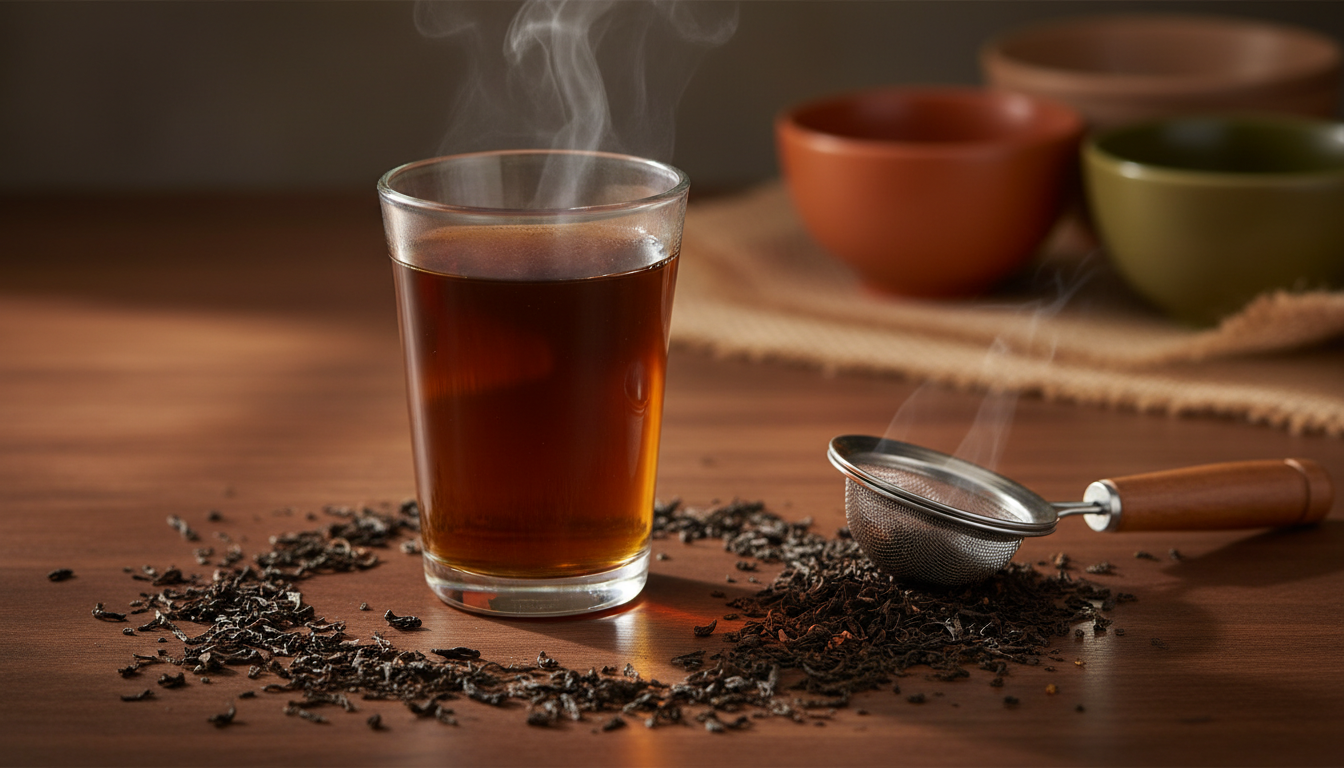
Black tea is fully oxidized Camellia sinensis. Compare Assam, Darjeeling, Keemun, and Ceylon varieties. Learn processing, brewing, and caffeine levels.
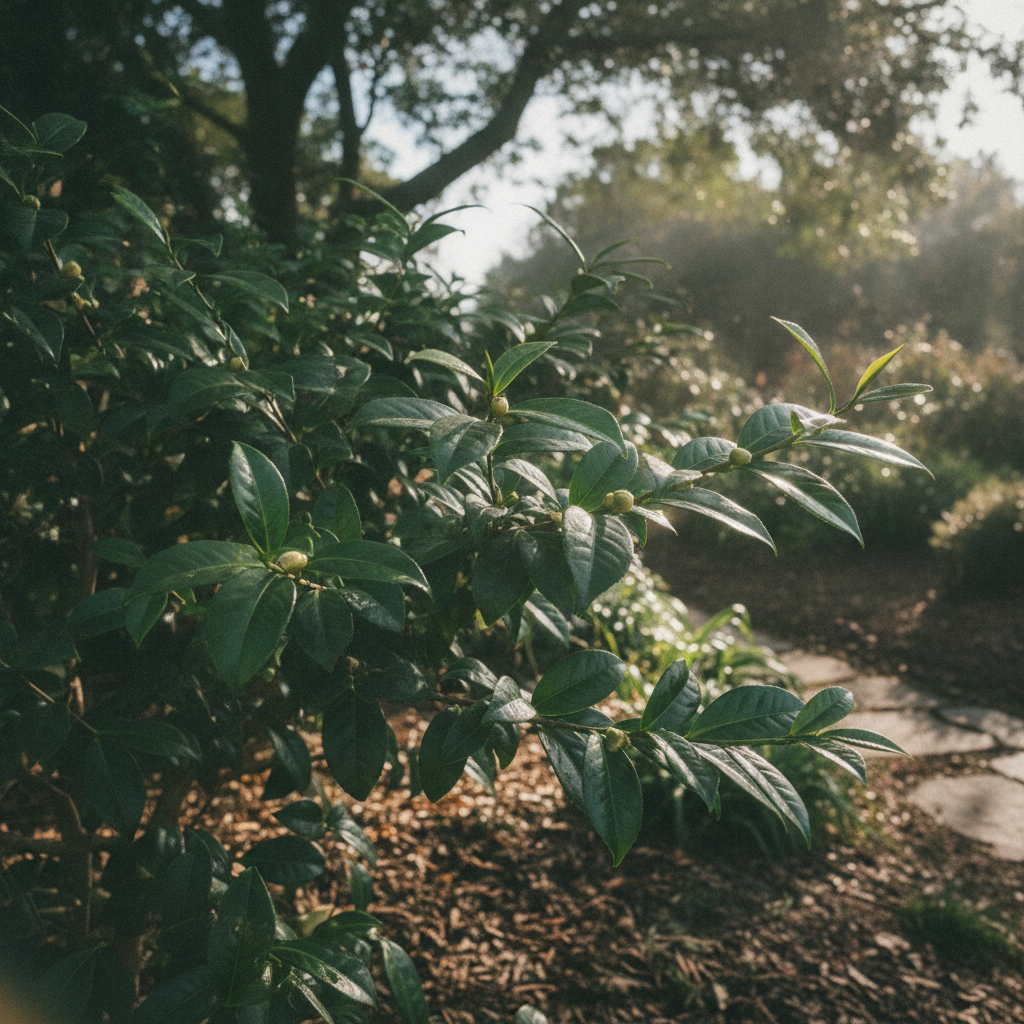

How To Grow Black Tea
Learn how to grow black tea at home: soil, climate, and the five processing steps from fresh leaf to a finished cup of black tea.

Wijsheid is de weg naar betere thee.
Ontvang onze gratis zetgids: het juiste water, de juiste temperatuur en de juiste trektijd voor elke thee die we verkopen. U hoort ook als eerste wanneer nieuwe oogsten binnenkomen.
Geen spam. U kunt zich altijd uitschrijven.
Kijk in uw inbox.
De gids is onderweg.