











The Complete Guide to Drinking Tea
Tea is a drink you can spend an afternoon on or ninety seconds, and it rewards both. The difference between a cup you finish and a cup you leave on the desk is usually not the leaf. It is the water, the temperature, and how long you walked away for.
This guide covers what tea actually is, how the main types differ in the cup, and how to brew each one so it tastes the way it was meant to. If you have arrived here from one of our other articles looking for a specific leaf, the sections below link onward.
What tea is, and what it is not
All true tea comes from one plant: Camellia sinensis. Green, white, oolong, black and pu erh are all the same species. What separates them is what happens to the leaf after it is picked, mainly how long it is allowed to oxidise before the process is stopped with heat.
That is the whole story of tea types, and it is worth knowing because it explains the flavour. A leaf that is heated almost immediately stays green and tastes fresh and vegetal. A leaf left to oxidise fully turns dark and tastes malty and deep. Everything else sits between those two points.
Herbal infusions are a different thing entirely. Peppermint, chamomile, rooibos and hibiscus contain no Camellia sinensis at all. They are made from leaves, flowers, roots or bark of other plants, and they contain no caffeine because the tea plant is not involved. We sell a great many of them and we love them, but calling them tea is a convenience rather than a fact.
The main types, by how they taste
Green tea
Fresh, grassy, sometimes sweet, sometimes closer to steamed vegetables or toasted rice depending on where it comes from. Japanese green teas are steamed, which pushes them towards seaweed and fresh grass. Chinese green teas are usually pan fired, which brings out chestnut and a rounder, toastier character.
Green tea is the one people most often get wrong, and almost always in the same way: water that is too hot. Boiling water scalds the leaf and pulls out bitterness that was never necessary.
White tea
The lightest of the true teas, and the least processed. Picked young, dried, and largely left alone. Expect delicate stone fruit, hay, and a soft sweetness that arrives late. White tea is quiet, which is exactly the point. If you brew it like black tea you will taste almost nothing at all.
Oolong
The broadest category by far, because oolong is defined by partial oxidation and partial covers an enormous range. A lightly oxidised oolong sits close to green tea, floral and creamy, sometimes with a distinctly buttery note. A heavily oxidised or roasted oolong moves towards dark fruit, honey and toasted wood.
Oolong is the category to explore if you already know you like tea and want to find out how far the plant goes.
Black tea
Fully oxidised, dark in the cup, and the most forgiving to brew. Depending on origin you will find malt, cocoa, dried fruit, or a brisk astringency that makes it the traditional morning cup. Assam leans malty and robust. Ceylon is brighter and citrusy. Keemun is smoother, with something closer to cocoa.
Pu erh
Aged and fermented, and unlike anything else. Ripe pu erh is earthy, smooth and deep, with none of the sharpness of black tea. Raw pu erh, aged over years, becomes complex and mellow in a way that is genuinely difficult to describe until you have tasted it. It is an acquired taste and it is worth acquiring.
Brewing, which is where most cups are won or lost
Three variables matter: water temperature, steeping time, and leaf quantity. Get those roughly right and almost any decent leaf will taste good.
| Type | Water | Time | Leaf per 250 ml |
|---|---|---|---|
| Green | 70 to 80 °C | 1 to 2 min | 2 to 3 g |
| White | 75 to 85 °C | 2 to 4 min | 2 to 3 g |
| Oolong | 85 to 95 °C | 2 to 3 min | 3 to 4 g |
| Black | 95 to 100 °C | 3 to 4 min | 2 to 3 g |
| Pu erh | 95 to 100 °C | 2 to 4 min | 3 to 5 g |
| Herbal infusions | 100 °C | 5 to 10 min | 2 to 3 g |
Two notes on that table. Herbal infusions genuinely want boiling water and a long steep, because you are extracting from tougher material than a tea leaf. And the times above are starting points, not rules. Taste as you go.
On water
Water is most of what is in your cup, so it matters more than people expect. Hard water flattens delicate teas and can leave a film on the surface. If your tap water tastes of chlorine, your tea will too. Filtered water is a bigger upgrade than a more expensive leaf.
If you do not have a temperature controlled kettle, boil and wait. Roughly two minutes off the boil in an open cup lands near 80 °C, which is close enough for green tea.
On leaf, and re quality
Loose leaf gives you whole or nearly whole leaves that can unfurl properly. That unfurling is not aesthetic, it is where the flavour comes from. A leaf that cannot open cannot give you everything it has, which is why the same tea can taste thin in a tightly packed bag and full in a pot.
Give the leaf room. A small infuser stuffed full will underperform a spoonful floating loose in a mug.
Getting more than one cup from your leaves
Good loose leaf tea is not finished after one steep. Oolong and pu erh in particular are built for multiple infusions, and many people find the second or third the best of the session. Add roughly thirty seconds to each subsequent steep and keep going until the cup goes quiet.
This is also the honest answer to whether good tea is expensive. A gram that gives you four cups is not priced the way it first appears.
Storing tea so it is still good in six months
Tea has four enemies: air, light, heat and moisture. It also readily absorbs whatever is around it, which is why tea stored next to coffee or spices eventually tastes of them.
Keep it in an airtight, opaque container somewhere cool and dry. Not the fridge, where moisture and food odours both work against you. Not a clear jar on a sunny shelf, however good it looks.
Green and white teas are the most fragile and are best drunk within a year. Black tea holds up considerably longer. Pu erh is the exception that proves the rule, since age is the point.
How to actually explore tea
The most common way people decide they do not like tea is by drinking one badly brewed cup of one type. If you are starting out, pick one category and stay with it for a couple of weeks. Change one variable at a time. Brew the same leaf at two temperatures side by side and taste the difference, because you will taste it immediately and you will not forget it.
Then move outward. If you like black tea, try a roasted oolong next rather than a green, since it is a shorter step. If you like green, white is the natural neighbour.
Our own range is bought as single origin, unblended leaf wherever we can, because we would rather you tasted where something came from than a house style we imposed on it. What you prefer is genuinely your business. There is no correct cup here, only the one you want to make again tomorrow.
Where to go next
- Green tea: what it is, the types, and how to brew it
- White tea: the least processed tea, and why that matters
- Oolong: the complete guide
- Pu erh: the aged, fermented tea from Yunnan
- Herbal infusions: the complete guide
- Peppermint: the complete guide
- Chamomile: the complete guide
- Black tea: types, processing, and how to brew it
Zostaw komentarz
Komentarze są zatwierdzane przed publikacją.
Więcej w Valley of Tea Blog | Tea Guides, Origins & Brewing Tips
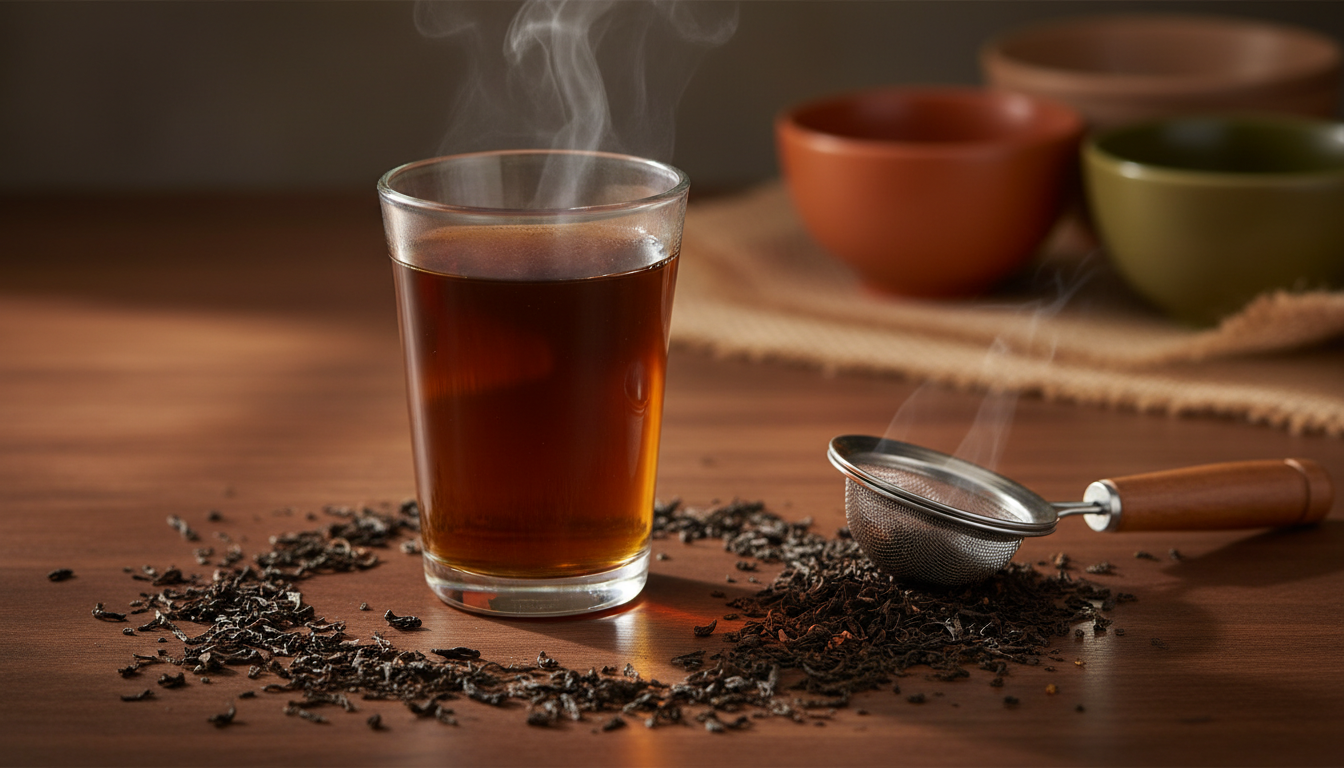

Black Tea: Types, Processing, and How to Brew It
Black tea is fully oxidized Camellia sinensis. Compare Assam, Darjeeling, Keemun, and Ceylon varieties. Learn processing, brewing, and caffeine levels.
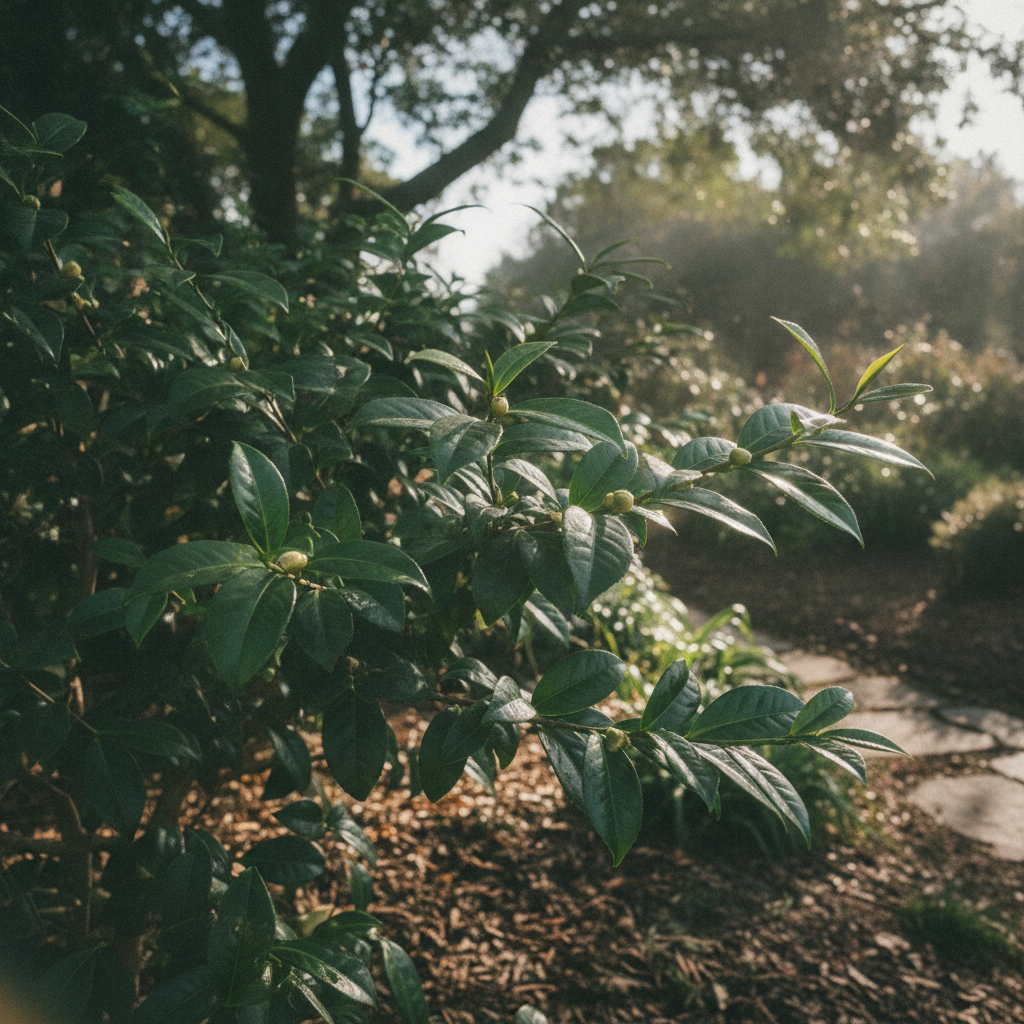

How To Grow Black Tea
Learn how to grow black tea at home: soil, climate, and the five processing steps from fresh leaf to a finished cup of black tea.
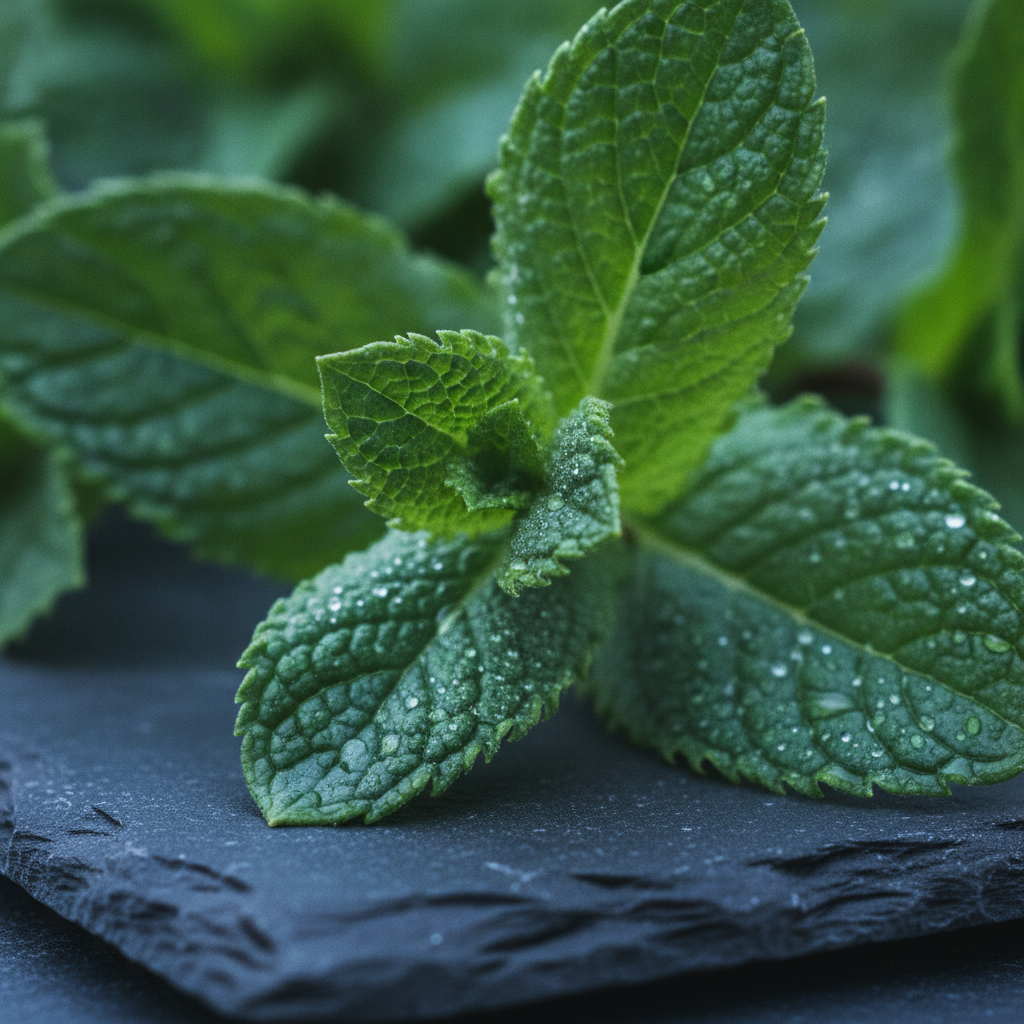

Spearmint For Tea
Spearmint for tea brews sweeter and milder than peppermint. Learn how to brew it, blend it, and what the hormone research actually shows.

Mądrość to droga do lepszej herbaty.
Bezpłatny przewodnik parzenia: właściwa woda, temperatura i czas parzenia dla każdej herbaty z naszej oferty. Informacje o nowych zbiorach trafiają najpierw do subskrybentów.
Bez spamu. Rezygnacja w każdej chwili.
Prosimy sprawdzić skrzynkę.
Przewodnik jest w drodze.