













Cacao Nibs Tea and How to Brew It
Cacao nibs tea is exactly what it sounds like: a brew made from the crushed inner meat of Theobroma cacao beans. No sugar, no milk powder, no additives. The result is chocolate in liquid form, raw and direct, with a depth that sweetened hot chocolate never comes close to.

If you want to understand what cacao actually tastes like before it gets processed and sweetened into confectionery, brewing it as a tea is one of the clearest ways to find out.
We stock cacao nibs at Valley of Tea because they sit at an interesting crossroads between what we know from years of sourcing botanical infusions and what a tea drinker is actually looking for: a warming, complex, caffeine-containing brew with character. Cacao nibs tea delivers all of that.
What Are Cacao Nibs?
Cacao nibs are crushed pieces of the cacao bean, the seed inside the fruit of Theobroma cacao. After the beans are fermented, dried, and cleaned, they are cracked open and the shell is removed. What remains is the cacao nib: the raw interior of the bean, which is where all the fat (cocoa butter), flavour compounds, and active constituents are concentrated.

You can find cacao nibs in two forms: raw and roasted. Raw nibs are dried at low temperatures after fermentation, preserving more of the natural volatile compounds that give cacao its fruit and floral top notes. Roasted nibs go through a higher-temperature process that develops deeper, toastier flavours and reduces some of the more acidic notes.
For brewing purposes, either works. Roasted nibs produce a more straightforward dark chocolate flavour in the cup. Raw nibs give a more complex brew with slight acidity and fruitier undertones.
The main active constituent in cacao nibs is theobromine, a methylxanthine compound in the same family as caffeine but with a noticeably different character. Theobromine is a close chemical relative of caffeine and the main alkaloid in cacao. It also occurs alongside small amounts of caffeine in the bean itself, so cacao nibs tea does contain both.
Cacao drinks have been a morning beverage in cultures across Central and South America for centuries.
Can You Brew Cacao Nibs as Tea?
Yes, but the method differs from standard tea steeping. Cacao nibs require simmering, not just steeping in hot water, to extract adequately. The cocoa butter in the nibs is only partially water-soluble, and the cell walls of the bean pieces are dense. A simple 5-minute steep in 90C water produces a weak, thin brew. Simmering opens extraction properly.

The method:
Use 10-15g of cacao nibs per 250-300ml of water. Place the nibs in a small saucepan with cold water and bring to a gentle simmer. Keep at a low simmer for 15-20 minutes. Do not boil hard - a rolling boil drives off volatile aromatics and can make the brew harsh. After simmering, strain through a fine-mesh strainer or double-layer muslin cloth and serve immediately.
Crushing the nibs slightly before brewing makes a visible difference. Use the flat of a knife, a mortar and pestle, or a quick pulse in a spice grinder. Breaking the nibs increases the surface area in contact with the water, shortening extraction time and producing a more flavourful cup. With whole nibs you need the full 20 minutes; with crushed nibs, 12-15 minutes is often enough.
One common mistake is using too little cacao. Ten grams per cup is the minimum for a full-flavoured brew. Cacao nibs are dense and their flavour yield per gram is lower than a dried herbal leaf. If your first attempt tastes thin, increase the dose before adjusting time or temperature.
Leftovers: the spent nibs after brewing still contain fat and fibre, and can be added to oatmeal, stirred into yoghurt, or used in baking. Nothing needs to be thrown away.
Flavour and Pairings
Cacao nibs tea tastes like dark chocolate that has been brewed rather than melted. The flavour is rich and slightly bitter, with a deep roasted undertone that intensifies as the cup cools slightly. There is a natural earthiness to the brew, a nuttiness in the background, and a smooth, slightly coating mouthfeel from the cocoa butter that passes through the strainer in trace amounts.
What the brew does not have is sweetness. If you are expecting hot chocolate, this will taste dry and austere. That dryness is not a flaw - it is the honest flavour of unprocessed cacao, and it makes cacao nibs tea a full-bodied base for additions or pairings that bring warmth and balance without masking the chocolate character.
Additions that work:
- A half teaspoon of raw honey added to the cup softens the bitterness while keeping the chocolate depth intact. Avoid refined white sugar, which flattens the flavour.
- A small stick of true cinnamon (Ceylon, not cassia) simmered with the nibs adds warmth and a mild sweetness without competing with the chocolate.
- A split vanilla pod simmered alongside the nibs is one of the cleanest ways to add sweetness. The vanilla rounds out the bitterness and ties into the natural vanilla notes already present in some cacao origins.
- A small piece of dried chilli or a pinch of cayenne at the end of simmering pulls the brew in a Mexican-style direction. This is not a novelty; cacao was traditionally prepared with chilli for centuries before European contact.
- A small pour of full-fat oat milk or barista oat milk at the end makes a cacao nibs latte that is richer than most coffee-based versions.
Cacao nibs tea also works cold. Brew double-strength (20g per 250ml), strain, chill completely, and serve over ice. The bitterness mellows when cold and the chocolate character becomes cleaner.
Cacao Nibs vs Cacao Husk: What Is the Difference?
Cacao nibs and cacao husk are two different products from the same bean, and they produce noticeably different brews. Nibs are dense and simmered for an intense, bitter cup; husk is steeped like a standard herbal tea for a lighter, milder result.

Cacao nibs are the interior of the bean: dense, fat-rich, intense. They require simmering. The brew is dark, bitter, full-bodied, and contains meaningful amounts of theobromine and caffeine. Think of cacao nibs tea as the espresso equivalent of the cacao world.
Cacao husk (also called cacao shells or cascara de cacao, distinct from coffee cascara) is the papery outer shell that is removed during the cracking process. In producing countries, particularly Bolivia, Peru, and West Africa, the shell has long been brewed as a beverage. The husk steeps in hot water like a standard herbal tea without needing to simmer.
The flavour is lighter, milder, and noticeably sweeter than nibs. There is a subtle chocolatey quality to it but also a more herbal, almost hay-like base note. The mouthfeel is thin compared to the nibs brew.
Caffeine and theobromine content: nibs contain both compounds in higher concentration than husk. The husk retains some theobromine from contact with the bean interior, but in significantly lower amounts. If you want a stronger, fuller brew, use nibs. If you want a lighter, more delicate chocolate-adjacent drink in the evening or for someone more caffeine-sensitive, husk is the better choice.
Which to choose: they are genuinely different products for different purposes. Cacao nibs tea is an intensity experience: bold, roasted, deep. Cacao husk is a gentler daily brew. We carry both because the use cases do not overlap. Customers who discover husk often come back for nibs once they want more depth, and vice versa: heavy coffee drinkers tend to start with nibs and sometimes discover husk as an evening alternative.
Final Thoughts
Cacao nibs tea is one of the most direct ways to experience unprocessed chocolate. Simmer the nibs for 15-20 minutes, strain well, and you get a brew that is bitter, earthy and smooth: dark chocolate translated directly into a cup. That simplicity is the point.
We source cacao nibs with the same attention to origin and processing quality that we bring to every botanical we carry. Raw ingredient quality matters here: cacao nibs from poorly fermented beans or long storage produce a flat, slightly off brew that misrepresents the product. Fresh, well-sourced nibs smell strongly of chocolate the moment you open the bag.
If you want to try cacao nibs tea, start with 12g per cup, simmer for 15 minutes with a pinch of Ceylon cinnamon, and taste it plain before adding anything. That will tell you what you are working with.
Leave a comment
Comments will be approved before showing up.
Also in Valley of Tea Blog | Tea Guides, Origins & Brewing Tips


Rooibos Iced Tea: Caffeine-Free Refresher
Learn to make rooibos iced tea two ways: hot-brewed over ice in 15 minutes, or a smoother overnight cold brew, plus flavour additions and storage tips.

Spice Cabinet Organization: A Practical System That Works
Learn how to organize your spice cabinet with a practical system that keeps every jar findable and fresh. Temperature, layout, and audit tips included.
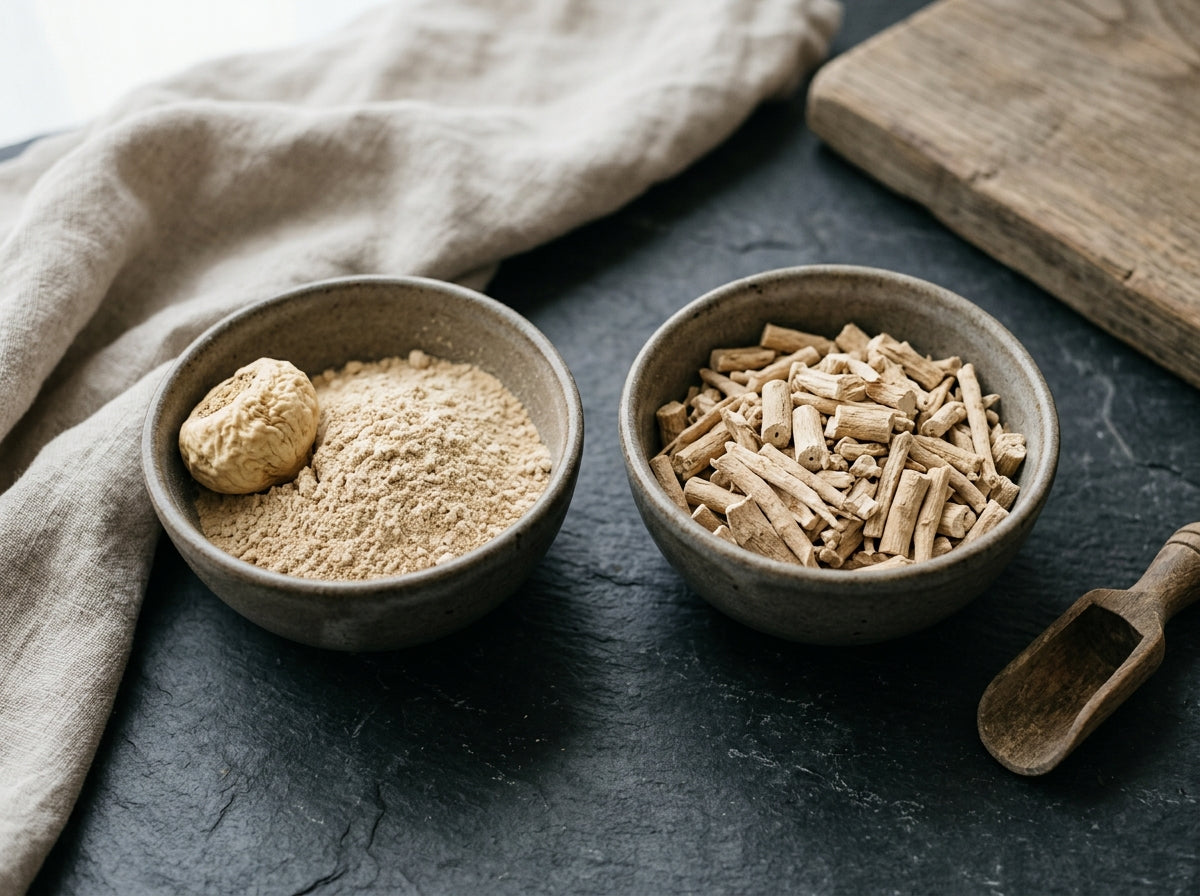

Maca or Ashwagandha for Your Daily Routine
Choosing between maca or ashwagandha? Learn how each root tastes, when to use them, and the best ways to prepare each in tea or drinks.

Wisdom is the path to better tea.
Get our free brewing guide: the right water, heat and timing for every tea we sell. You will also hear it first when new harvests arrive.
No spam. Unsubscribe any time.
Check your inbox.
The guide is on its way.