













Drinking Lavender Tea
Lavender tea sits in a rare position among herbal teas: it is genuinely pleasant to drink and has a distinctive character of its own, a combination that is not common. Most herbal teas lean one way or the other, either tasting pleasant but flat or having plenty of character but tasting harsh. Lavender, specifically Lavandula angustifolia, does both reasonably well. Drinking lavender tea in the evening has become a habit for many people who enjoy it as a quiet end to the day, and this guide covers what to expect from taste and timing, plus a few things worth knowing before you start.

What Is in a Cup of Lavender Tea
Lavender tea gets its floral aroma mainly from linalool, the dominant volatile compound in L. angustifolia flowers. The amount in a brewed cup is small, and the tea is best thought of as a fragrant, caffeine-free drink.

There is a second part to the experience: the aroma. When you pour near-boiling water over dried lavender buds, the steam carries a significant concentration of volatile compounds including linalool. You are inhaling it before you take the first sip. The aroma is part of the pleasure; sitting with a hot cup and breathing in the steam is a small ritual in itself.
One variable that gets overlooked: lavender tea contains no caffeine. For an evening cup this matters considerably, since you are removing the stimulation variable entirely. The combination of zero caffeine, linalool, and the sensory experience of the aroma is what makes lavender tea such a common evening cup.
One note on research: most published studies on lavender have used standardised extracts such as Silexan at doses well above what a cup of tea delivers. We think it matters to be upfront about this distinction with customers: findings on extracts do not translate to brewed tea, and we make no claims about what a cup will do. What we can say is that it is a fragrant, caffeine-free infusion.
The Taste: What to Expect Before Your First Cup
Lavender tea tastes distinctly floral, aromatic, and slightly sweet, with a clean finish that is lighter than the aroma suggests. The most important thing to know before your first cup: it does not taste like lavender soap or a scented candle. Those products use synthetic linalool or concentrated lavender oil, which produce a soapy, almost cloying impression. The brewed tea is noticeably subtler, with a soft perfume quality that builds through the cup rather than hitting immediately.
The closest flavour reference point is dried rose petals: soft floral sweetness with a herbal backing note. Lavender has a slightly more aromatic, almost woody undertone that rose does not have. When brewed correctly with quality buds, the finish is clean and slightly sweet with no bitterness. It is one of the few herbal teas where the aroma during brewing is more intense than the flavour in the cup.
The species matters considerably here. Lavandula angustifolia (English or true lavender) produces the cleanest, sweetest flavour profile with the most refined aroma. Lavandula stoechas (Spanish lavender) is sharper, more camphoraceous, and can taste harsh even at low quantities. Most lavender sold for culinary or tea use is L. angustifolia, but it is worth confirming when you buy.
The most common mistake first-timers make is using too much. One level teaspoon of dried buds per 250ml cup is the right quantity. Going above that, and it does not take much, pushes the flavour from pleasant floral to soapy and overly harsh.
This is consistent with every brewing guide on lavender and chamomile blends: too much lavender ruins both the flavour and the experience. More is not better with lavender.
How to Brew Lavender Tea Properly
One teaspoon of dried lavender buds per 250ml is the correct dose. Water temperature should be around 90°C, not at a rolling boil. Boiling water volatilises the most delicate aromatic compounds too aggressively and can extract a slightly harsher, more bitter character from the buds. Steep for exactly 5 minutes, then strain immediately.

Five minutes is effectively the maximum steep time. Over-steeping lavender past that point brings out a bitter, sharp note that the first few minutes of steeping do not have. Unlike chamomile or rooibos, which are fairly forgiving on steep time, lavender punishes you for leaving it too long. Set a timer.
Bud quality signals: Small, tightly closed buds still showing good colour, purple-grey rather than brown or beige, are what you want. Faded or brownish buds indicate poor storage or age. When evaluating dried lavender for sourcing, the first check is always colour and aroma intensity off a dry bud. If the dry bud barely smells, the brewed cup will be thin and disappointing regardless of your brewing parameters.
Store dried buds in an airtight container away from light and heat. The volatile aromatic compounds degrade quickly under poor storage conditions. Buy in small quantities and use within six months.
For pairing, chamomile is the natural complement. The soft apple-hay character of chamomile rounds out lavender's more assertive floral edge and produces a blend that is gentler than either herb alone. We use a ratio of two parts chamomile to one part lavender for most drinkers.
Honey added to the finished cup enhances the sweetness without masking the floral character. Lemon tends to clash with the floral profile and is better avoided.
Best Times to Drink Lavender Tea
The most practical time for drinking lavender tea is 30-60 minutes before bed. This timing removes caffeine from the evening entirely and gives the aroma time to become part of a wind-down routine. The evening herbal cup works best when it becomes a regular habit, and lavender suits this because the aroma itself is part of the ritual.

Mid-afternoon is a secondary option, particularly as a replacement for a second coffee. Many people reach for coffee around 2-3pm when attention dips. A cup of lavender tea will not replicate the caffeine lift, but it addresses the habitual comfort need: something warm, with flavour, that marks a short break. For people who are caffeine-sensitive or gradually cutting back, this timing works well.
One practical caution: some people feel drowsy after strong lavender tea, so drinking multiple strong cups before driving or activities requiring full alertness is not advisable. A single standard-strength cup is unlikely to cause drowsiness for most adults, but several cups add up more than they would with a gentler herb.
When to Avoid Lavender Tea
Lavender tea is generally well-tolerated by adults at normal quantities. There are three specific groups where caution is appropriate.
Pregnancy: The safety data for lavender tea during pregnancy is limited. As a precaution, anyone pregnant should avoid it during the first trimester, and confirm with their midwife or GP before making it a regular habit at any stage. This is the same precautionary-avoidance position we apply to herbs with incomplete safety profiles.
Children under 12: This is a less-publicised concern, and it deserves more attention than it typically gets. Several case reports have linked topical lavender oil use to prepubertal gynecomastia in boys. Brewed tea concentrations are far lower, but the concern has not been formally cleared for the oral route. Our position at Valley of Tea is precautionary avoidance for children under 12 until this is more clearly characterised in the literature.
Pre-existing hormonal conditions: Lavender's weak estrogenic activity is relevant for adults with hormone-sensitive conditions, including certain hormone-sensitive cancers and people on hormone therapies. No firm contraindication exists in published guidance, but it is worth a conversation with a healthcare provider before establishing regular daily use. One additional note: some people have genuine sensitivity to Lamiaceae family plants, the family that includes lavender, mint, and rosemary. If you have known reactions to other plants in this family, start with a small quantity before drinking a full cup regularly.
The Two Rules Worth Remembering
Drinking lavender tea consistently well comes down to two things: start with quality L. angustifolia buds, and do not over-steep. Everything else is secondary. Poor-quality buds from an unspecified species deliver a flat, dull cup regardless of brewing care. Good buds over-steeped deliver a soapy, bitter result.
Get those two right and lavender tea is one of the most reliably pleasant options for an evening herbal cup. It is genuinely pleasant in taste and aroma, and it has a narrower margin for error than most people expect before drinking lavender tea for the first time. The standard advice to use just one teaspoon exists for a good reason: lavender is potent enough that precision matters. Treat it that way, and it becomes something worth making a habit.


Leave a comment
Comments will be approved before showing up.
Also in Valley of Tea Blog | Tea Guides, Origins & Brewing Tips


Rooibos Iced Tea: Caffeine-Free Refresher
Learn to make rooibos iced tea two ways: hot-brewed over ice in 15 minutes, or a smoother overnight cold brew, plus flavour additions and storage tips.

Spice Cabinet Organization: A Practical System That Works
Learn how to organize your spice cabinet with a practical system that keeps every jar findable and fresh. Temperature, layout, and audit tips included.
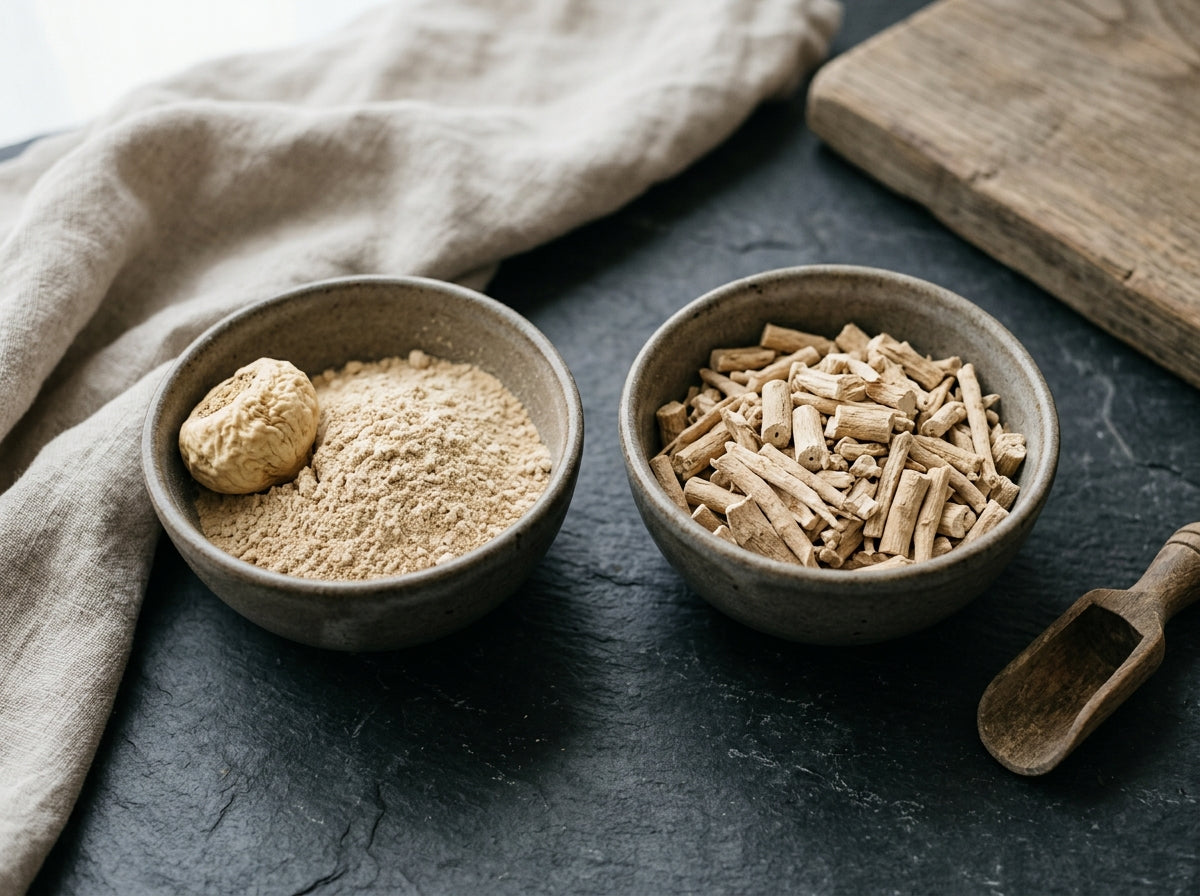

Maca or Ashwagandha for Your Daily Routine
Choosing between maca or ashwagandha? Learn how each root tastes, when to use them, and the best ways to prepare each in tea or drinks.

Wisdom is the path to better tea.
Get our free brewing guide: the right water, heat and timing for every tea we sell. You will also hear it first when new harvests arrive.
No spam. Unsubscribe any time.
Check your inbox.
The guide is on its way.