












Hibiscus Tea: Safety, Side Effects & How to Brew
Hibiscus tea has been a daily drink across Egypt, Mexico, Senegal, and dozens of other countries for centuries. It is tart, caffeine-free, and deeply red. In recent years, it has also become the subject of a growing body of scientific research — studies examining everything from blood pressure to blood sugar to antioxidant activity.
This article covers what researchers have explored so far, what practical considerations you should keep in mind, and why talking to your healthcare provider is the smartest move before making hibiscus tea a regular part of your routine.

What Hibiscus Tea Is
Hibiscus tea is made from the dried calyces of Hibiscus sabdariffa, a tropical plant in the mallow family. The calyx is the fleshy, dark-red structure that forms around the seed pod after the flower petals drop. This is the part that gets dried and steeped — not the petals themselves.
The plant grows across tropical and subtropical regions, with major production in Sudan, Egypt, Nigeria, Mexico, India, and Thailand. Different cultures prepare it differently — hot and sweetened in Egypt (where it is called karkade), cold with cinnamon in Mexico (agua de jamaica), or spiced with ginger and cloves in Nigeria (zobo). The base ingredient is the same.
Brewed hibiscus tea is naturally caffeine-free, deeply tart (pH around 2.5 to 3.0, similar to citrus juice), and rich in organic acids, anthocyanins, and polyphenols. It has a flavor profile often compared to cranberry — bright, sour, and slightly floral — and it produces one of the most vivid natural colors you will find in any beverage.
What Research Has Studied
A significant amount of research has examined hibiscus tea. Here is what the studies have looked at. Research findings are not the same as medical advice, and many of these studies are preliminary or limited in scale.
Blood Pressure
This is the most studied area. A 2022 systematic review and meta-analysis published in Nutrition Reviews examined 17 clinical trials and found that hibiscus consumption was associated with significant reductions in systolic blood pressure. One well-cited randomized, double-blind, placebo-controlled trial of 65 pre-hypertensive and mildly hypertensive adults found that hibiscus tea was associated with a greater decrease in systolic blood pressure compared to placebo.

These results are interesting, but the studies vary in size, duration, and design. Researchers consistently note that larger and longer trials are needed before any definitive conclusions can be drawn. No one should use hibiscus tea as a substitute for prescribed blood pressure medication.
Antioxidant Activity
Hibiscus calyces are rich in anthocyanins — the same class of pigments found in blueberries, red cabbage, and black rice. These compounds give the tea its deep color and have been studied for their antioxidant properties. In laboratory comparisons of hundreds of common beverages, hibiscus tea has ranked among the highest in antioxidant content.
What this means in practical health terms for any individual person is a different question, and one that science is still working to answer.
Blood Sugar Response
Several studies have explored whether hibiscus tea affects post-meal blood sugar. A 2025 pilot study published in Nutritional Neuroscience found that a hibiscus drink significantly reduced the post-meal glucose response compared to placebo in overweight participants. A 2024 study presented at the European Congress of Endocrinology also reported improvements in glycemic profiles among participants with type 2 diabetes who consumed hibiscus tea.
These are promising signals, but they involve small sample sizes and short durations. No one should adjust diabetes management based on tea consumption alone.

Cholesterol and Lipid Profiles
Some research, including a review of 39 previous studies, has examined whether hibiscus tea influences cholesterol levels. Results have been mixed. Some trials reported reductions in LDL cholesterol, while others showed no significant change. The evidence is not strong enough to draw firm conclusions.
Other Areas
Researchers have also studied hibiscus in the context of liver health and anti-cancer activity. Most of the anti-cancer research involves test-tube studies, which are considered very preliminary and do not translate directly to human outcomes. The liver studies, while showing protective effects against certain toxins in laboratory settings, are similarly early-stage.
Practical Considerations
Hibiscus tea is generally well tolerated by most people. A 2022 narrative review of clinical trials found no reported side effects. That said, there are a few practical points worth knowing.
Acidity and Dental Enamel
Hibiscus tea is acidic — roughly as acidic as orange juice. Over time, frequent exposure to acidic beverages can soften dental enamel. This is not unique to hibiscus; it applies equally to citrus juices, sparkling water with lemon, and many fruit teas.
If you drink hibiscus tea regularly, consider using a straw to reduce contact with your teeth. Avoid brushing immediately after drinking (the enamel is temporarily softened), and rinse with plain water instead. Waiting at least 30 minutes before brushing is a common recommendation from dental professionals.

Stomach Sensitivity
Some people experience mild stomach discomfort, gas, or nausea when drinking hibiscus tea, particularly on an empty stomach. If this applies to you, try drinking it with or after a meal.
Oxalates
Hibiscus contains oxalates. For most people this is not a concern, but individuals with a history of calcium oxalate kidney stones should be aware and discuss their intake with a healthcare provider.
Medication Interactions
This is the section that matters most if you take any prescription or over-the-counter medications. Hibiscus tea has been shown to interact with several types of drugs.
Blood pressure medications. Because hibiscus may lower blood pressure on its own, combining it with antihypertensive drugs could cause blood pressure to drop too low. This is especially relevant for drugs like losartan, where research suggests hibiscus may increase the drug's levels in the body.
Diabetes medications. If hibiscus tea lowers blood sugar even modestly, drinking it alongside diabetes medication could lead to hypoglycemia.

Acetaminophen and hydrochlorothiazide. Research has identified interactions between hibiscus and both of these common medications.
Chloroquine. Hibiscus may reduce the body's absorption of chloroquine, potentially reducing its effectiveness.
Simvastatin. Laboratory research indicates that hibiscus can alter the metabolism of this cholesterol-lowering drug.
Cytochrome P450 pathways. Hibiscus may inhibit certain liver enzymes involved in drug metabolism, which could affect how your body processes a range of medications.
The bottom line: if you take any medication, talk to your doctor or pharmacist before drinking hibiscus tea regularly. This is not overcautious — it is practical.

Who Should Be Cautious
Beyond medication interactions, certain groups should exercise particular care.
People with low blood pressure. If your blood pressure already runs low, hibiscus tea could push it lower. Symptoms like dizziness, lightheadedness, or fainting should prompt a conversation with your doctor.
Anyone scheduled for surgery. Because of its potential effects on blood pressure and blood sugar, many sources recommend stopping hibiscus tea at least two weeks before a scheduled surgical procedure.
People with kidney stone history. The oxalate content, while not extreme, warrants caution for those prone to oxalate-related stones.
Breastfeeding mothers. According to the NIH Drugs and Lactation Database (LactMed), no data exist on the excretion of hibiscus components into breastmilk or on the safety and efficacy of hibiscus for nursing mothers or infants. The cautious approach is to avoid it or consult your healthcare provider first.

Hibiscus Tea and Pregnancy
This deserves its own section because the advice is clear: consult your healthcare provider before drinking hibiscus tea during pregnancy.
Animal studies have shown that hibiscus extracts can stimulate uterine activity and promote menstruation. Some research in animal models has also raised questions about effects on embryo implantation and hormonal balance. A 2013 review concluded that caution should be exercised with Hibiscus sabdariffa during pregnancy and lactation until human research is conducted to determine its safety.
Most of these studies used concentrated extracts at doses far higher than what you would get from a cup of tea. The research does not prove that moderate tea consumption causes harm. But the absence of large-scale human studies means there is simply not enough data to confirm safety, either.
Many healthcare professionals recommend avoiding hibiscus tea during pregnancy as a precaution. Your OB-GYN or midwife can give you personalized guidance based on your specific situation.
How to Brew Hibiscus Tea
Brewing hibiscus tea is straightforward. Here is a simple method.

Hot Brew
Use about 1.5 to 2 teaspoons (roughly 3 to 4 grams) of dried hibiscus calyces per cup (240 ml) of water. Bring water to a full boil, pour it over the calyces, and steep for 5 to 10 minutes. Five minutes produces a lighter, more fruity cup; ten minutes yields a deeper, more tart brew. Strain and serve. Add a small amount of honey or a squeeze of lime if the tartness is too strong on its own.
Cold Brew
Add 2 tablespoons of dried hibiscus to a liter of room-temperature or cold water. Place in the refrigerator and let it steep for 8 to 12 hours, or overnight. The result is a smoother, less acidic version of the tea. I find this is one of the best ways to drink it in summer — a tart, deeply colored pitcher in the fridge that holds up all day. A spoonful of honey rounds out the tartness without masking it.
Blending
Hibiscus pairs well with ginger, cinnamon, rose hips, and citrus peel. A pinch of dried ginger during steeping adds warmth that balances the tartness nicely. Mint is another classic pairing — widely used in West African preparations — and it works beautifully in iced versions.
Most people who enjoy hibiscus tea drink 1 to 3 cups per day. Based on the available research, consumption of up to 720 ml daily (about 3 cups) for up to 6 weeks has been used safely in clinical trials. Staying within this range is a reasonable guideline for healthy adults with no contraindications.
Buying Quality Hibiscus
Not all dried hibiscus is the same. Here is what to look for.

Whole calyces over powder. Whole or large-cut dried calyces give you more control over steep time and produce a cleaner cup. Powder is better suited for smoothies or cooking.
Color. Quality dried hibiscus is deep burgundy to dark crimson. Pale or brownish calyces have likely been poorly dried or stored too long.
Aroma. Dried hibiscus should smell tart and fruity, with a slight cranberry-like sharpness. If it smells flat or musty, it is past its prime.
Source. Look for sellers who can tell you where their hibiscus comes from and how it was processed. Organic certification is a plus, though not the only indicator of quality. What matters most is proper drying, clean storage, and reasonable freshness.
Storage. Keep dried hibiscus in an airtight container away from light, heat, and moisture. Stored properly, quality calyces will hold their color and flavor for well over a year. If they start turning brown or losing their tartness, they are past their best.
At Valley of Tea, we source our Hibiscus sabdariffa calyces from Egypt — a country with a centuries-deep tradition of growing and processing hibiscus that I think still produces the best available. Egyptian hibiscus tends to be deeply colored, intensely tart, and reliably consistent. The calyces are whole, stored to preserve their natural tartness and aroma, and we want you to know exactly what you are steeping.
The Honest Summary
Hibiscus tea is a centuries-old drink with real culinary merit — it tastes good, it looks beautiful, and it is naturally caffeine-free. A growing body of research has explored its potential role in supporting cardiovascular and metabolic health, and the early results are encouraging.
But "encouraging early results" is not the same as proven medical benefit. The responsible approach is to enjoy hibiscus tea for what it genuinely is — a flavorful, vibrant beverage — and to talk to your healthcare provider about whether it fits into your individual health picture. This is especially true if you take medications, are pregnant, or have any pre-existing health condition.
Good tea does not need health claims to be worth drinking. Hibiscus makes that case on taste alone.
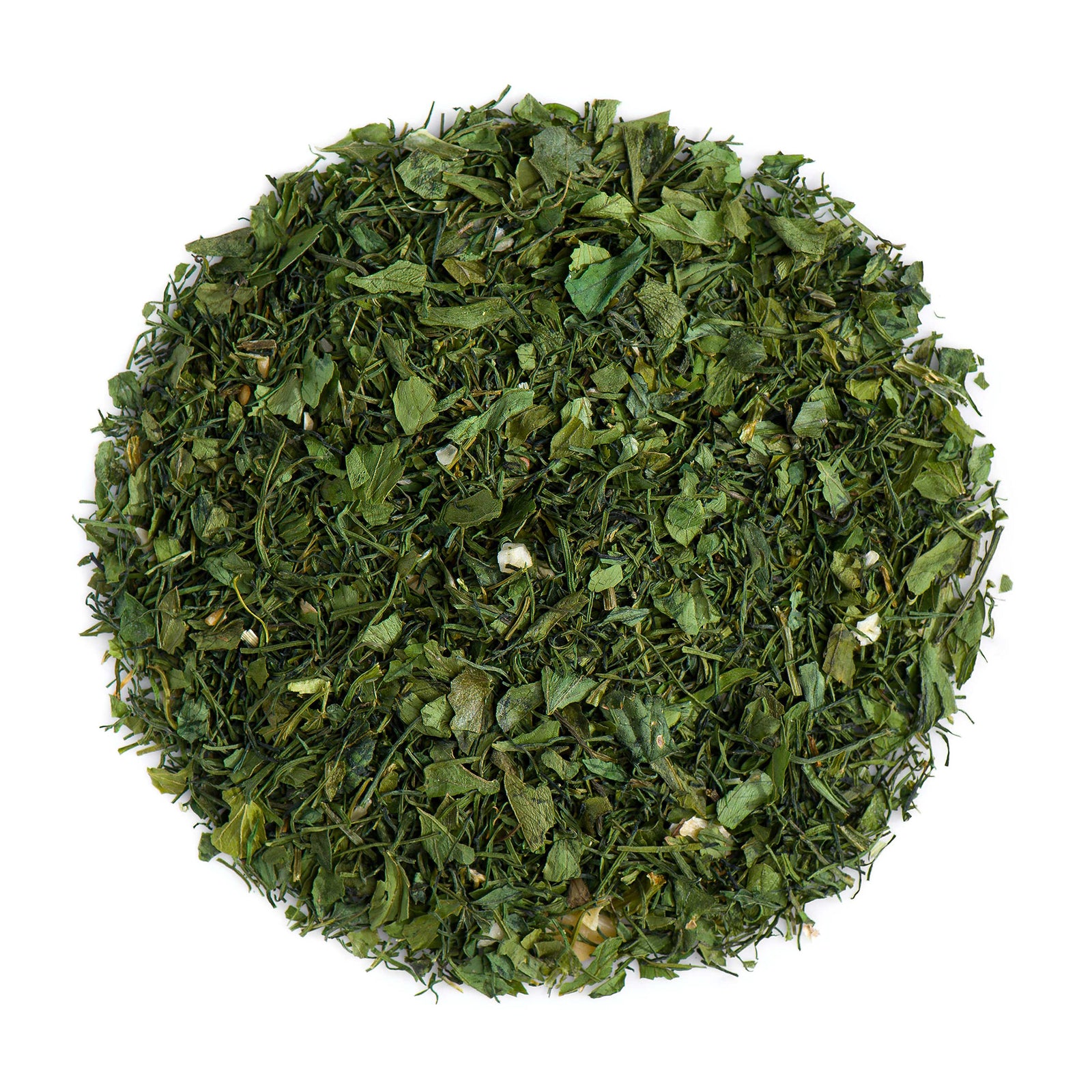
Teas Featured in This Article

Leave a comment
Comments will be approved before showing up.
Also in Valley of Tea Blog | Tea Guides, Origins & Brewing Tips
The Complete Guide to Drinking Tea
What tea is, how the main types differ in the cup, and how to brew each one properly. Water temperature, steeping times, storage and how to get more than one cup from your leaves.
Read More

Black Tea: Types, Processing, and How to Brew It
Black tea is fully oxidized Camellia sinensis. Compare Assam, Darjeeling, Keemun, and Ceylon varieties. Learn processing, brewing, and caffeine levels.

How To Grow Black Tea
Learn how to grow black tea at home: soil, climate, and the five processing steps from fresh leaf to a finished cup of black tea.

Wisdom is the path to better tea.
Get our free brewing guide: the right water, heat and timing for every tea we sell. You will also hear it first when new harvests arrive.
No spam. Unsubscribe any time.
Check your inbox.
The guide is on its way.