













How to Choose and Brew Loose Chamomile Tea
Loose chamomile tea is made from whole dried flower heads, usually Matricaria chamomilla, rather than the broken fragments that fill most supermarket tea bags. The whole flower holds far more of the plant's volatile oil, which is exactly where the apple-sweet aroma chamomile is known for comes from. Once a flower head is crushed into dust, that oil evaporates fast, and the tea bag on your shelf may already have lost most of what made chamomile worth drinking in the first place.

We source chamomile from Egypt and Croatia, and stock it as whole golden flower heads rather than fannings. The difference is obvious the moment you open the tin: a proper batch smells sweet and floral before the water even goes on, while a stale or poorly graded one smells flat, sometimes almost like hay. This guide covers what separates good loose chamomile from mediocre stock, how to brew it properly, and where loose flowers genuinely outperform bags.
What Makes Good Loose Chamomile Tea
Good loose chamomile tea is made of whole, unbroken golden flower heads with little stem or leaf mixed in, smells sweet and apple-like rather than musty or hay-like, and comes from Matricaria chamomilla (German chamomile) rather than the more bitter Chamaemelum nobile (Roman chamomile).
Whole flower heads matter because the aromatic oil that carries chamomile's flavour sits in the flower itself, not in stem or leaf. Once a flower is crushed into the fine dust used for most commercial tea bags, that oil starts to evaporate, and by the time the bag reaches a shelf, much of the aroma is already gone. When you buy loose chamomile, check the tin: you want to see mostly intact golden centres with the white petals mostly fallen away, which is normal, not a sign of poor quality.
German chamomile is the type almost every tea company sells, and it has a soft, apple-forward flavour without any harsh edge. Roman chamomile is a different plant, a perennial with thicker leaves and a bolder, more bitter cup, and it usually needs blending with something sweeter to balance it out. If a label just says "chamomile" with no botanical name, it is almost always German.
Origin changes the cup more than most people expect. We source chamomile from Egypt and Croatia, and the difference between the two is consistent: Egyptian flowers are lighter and more delicate, with a clean apple-blossom aroma and a pale gold liquor, while Croatian flowers carry more body and a mild earthy undertone. Neither is objectively better; for a pure chamomile cup, Egyptian suits best, but Croatian holds its own better in a blend where it needs to stand next to other herbs. The terroir explanation is straightforward: warm land and heavy rainfall in both regions produce the intense apple-honey scent that German or Hungarian-grown chamomile does not consistently match.
Smell is the fastest quality check you can do at home. A good batch smells sweet and floral the moment you open the tin. A rejected batch shows faded yellow centres and flat aroma on opening rather than that clean apple-blossom scent; faded colour plus a weak, hay-like smell means the batch is past its peak, and it usually shows in the nose before it shows to the eye.
How to Brew Loose Chamomile
Brew loose chamomile tea with 2-3g of whole flowers, about one heaped tablespoon, per 250ml of water just off the boil (95-100C). Cover the cup or pot and steep for 5-7 minutes so the volatile oils that carry most of the aroma stay in the water instead of escaping as steam.
Covering the infusion matters more with chamomile than with most true teas, because its flavour comes largely from aromatic compounds that are quick to evaporate at near-boiling temperatures. An open mug loses a noticeable amount of that scent in the first minute alone. A small saucer over the cup, or a lid on the pot, is enough.
Use an infuser wide enough that the flowers can expand fully. Whole chamomile heads swell considerably once wet, and a cramped basket restricts water flow around them, giving you a thinner, less even cup. A wide mesh basket or simply a strainer over the mug works better than a tight metal ball.
Chamomile most evenings is how many of us prefer to drink it, and brewing it slightly stronger than a daytime cup, 3g instead of 2g in the same 200ml, still covered the whole time, deepens the flavour. It has become a reliable part of the end of our day.
Near-boiling water is correct for chamomile, unlike more delicate green teas that scald at that temperature. The flower heads are sturdy enough to handle full heat without turning bitter the way tender green tea leaves do. If you prefer a lighter cup, shorten the steep to around 4 minutes rather than lowering the temperature. A well-dried, whole-flower chamomile can also take a light second infusion, extending the same tablespoon into a second, milder cup, something dust-based tea bags can rarely manage.
Loose Flowers Versus Tea Bags
Whole loose chamomile flowers brew a fuller, sweeter cup than the fine cut and dust used in most tea bags, and they let you control both strength and number of steeps, while a standard bag delivers one fixed, usually weaker dose per bag.
The gap comes down to surface area and what's left after processing. Commercial tea bags are typically filled with the broken fragments and fannings left over once whole flower heads are sorted out for loose-leaf sale; that smaller particle size steeps faster but also loses its aromatic oil faster in storage, so a bag sitting on a shelf for months delivers noticeably less flavour than the same weight in whole flowers.
With loose chamomile, you decide the dose. Want it lighter for an afternoon cup, use less; want it stronger in the evening, use more: the way many prefer it with an evening 3g cup. A bag gives you none of that flexibility: it is what it is, at whatever ratio the manufacturer chose.
One tablespoon of whole flowers can also yield a light second infusion, since the intact heads still hold aromatic oil after the first steep pulls most of it out. Bagged chamomile rarely has enough material left to bother re-steeping. The most common mistake with loose chamomile is under-filling a small infuser, which restricts the flowers from expanding properly and produces a thinner cup than the tea deserves; give it room.
Traditional Use and Serving
Chamomile is naturally caffeine-free and traditionally served in the evening, though there's nothing stopping you from brewing it any time of day. Its natural sweetness means many drinkers prefer it plain, without honey or sugar, to taste the apple-like flavour on its own.
The evening association is mostly habit rather than anything like a rule. Reaching for chamomile almost every evening, brewed slightly stronger than a daytime cup, and keeping it covered while steeping so the aroma stays in the cup rather than the air, has become a consistent evening ritual, and the ritual is part of the appeal.
One caution worth knowing: chamomile belongs to the Asteraceae (daisy) family, the same family as ragweed, and people with a ragweed allergy should be cautious with it: cross-reactivity within that plant family is documented by allergy specialists, including the American College of Allergy, Asthma and Immunology, which lists chamomile among plants that can cross-react with ragweed pollen. If you are pregnant, chamomile is one of the herbs where opinions differ, and the general guidance from European health authorities is that pregnant and lactating women should consult their doctor before consuming herbal teas; speak with your midwife or doctor before making it a regular habit, rather than relying on general advice from a tea seller.
Served plain, iced, or with a touch of honey, loose chamomile tea works as a low-key evening cup precisely because it asks so little of you: no caffeine to track, no strong bitterness to balance, just flower and hot water.
Frequently Asked Questions
How much loose chamomile tea should I use?
Use 2-3g per 250ml of water, roughly one heaped tablespoon of whole flowers. Steep near boiling (95-100C), covered, for 5-7 minutes.
Is loose chamomile tea caffeine-free?
Yes. Chamomile is an herbal infusion, not made from Camellia sinensis, so it carries no caffeine regardless of how long or hot you brew it.
Is loose chamomile tea better than tea bags?
Many drinkers prefer whole-flower chamomile for a fuller, more aromatic cup, since tea bags are usually filled with broken dust and fannings rather than intact flower heads. It comes down to personal taste, but the difference in aroma is noticeable side by side.
Can I re-steep loose chamomile flowers?
Whole flowers can often give a light second infusion, since they still hold some aromatic oil after the first steep. Bagged chamomile rarely has enough left over to bother.
Conclusion
Loose chamomile tea, brewed from whole flower heads rather than bagged dust, gives you a sweeter, more aromatic cup with more control over strength than almost any tea bag can offer. That single difference, whole flowers versus crushed fragments, is the one thing worth remembering if you take nothing else from this guide.
Getting a good cup comes down to two things: buying flowers that were graded well in the first place, and brewing them properly once they're in your kitchen. Look for whole golden centres with a sweet, apple-like smell rather than a flat or hay-like one; that single sniff test at home tells you more than any label claim. Then brew with 2-3g per 250ml of water near boiling, covered, for 5-7 minutes, and adjust the ratio to taste.
Origin plays a real role too. We source ours from Egypt and Croatia specifically because the terroir in both regions, warm land and heavy rainfall, produces flowers with an intensity of apple-honey aroma that other growing regions don't consistently match. Egyptian chamomile suits a pure, delicate evening cup; Croatian holds its ground better in a blend. Neither is the correct choice across the board; it depends what you want from the cup.
Store loose chamomile the way you would any dried herb: away from light and heat, in a sealed tin rather than a paper bag, since the aromatic oil that makes a good batch worth buying is also the first thing to fade once air gets at it. Whole flowers hold their aroma noticeably longer than pre-crushed dust simply because there's less exposed surface area for the oil to escape from. A well-stored batch of whole flowers should still smell distinctly floral for several months; if it smells like dry hay well before then, it's past its best regardless of when you bought it.
If you're deciding between loose and bagged chamomile more broadly, that trade-off deserves its own look; here, the short version is that whole flowers reward a few extra minutes of attention with a cup that tastes like more than damp paper. Start with a small amount, brew it properly covered, and see whether the fuller aroma changes how you think about an herbal tea you may have written off as ordinary.
Teas Featured in This Article

Leave a comment
Comments will be approved before showing up.
Also in Valley of Tea Blog | Tea Guides, Origins & Brewing Tips


Rooibos Iced Tea: Caffeine-Free Refresher
Learn to make rooibos iced tea two ways: hot-brewed over ice in 15 minutes, or a smoother overnight cold brew, plus flavour additions and storage tips.

Spice Cabinet Organization: A Practical System That Works
Learn how to organize your spice cabinet with a practical system that keeps every jar findable and fresh. Temperature, layout, and audit tips included.
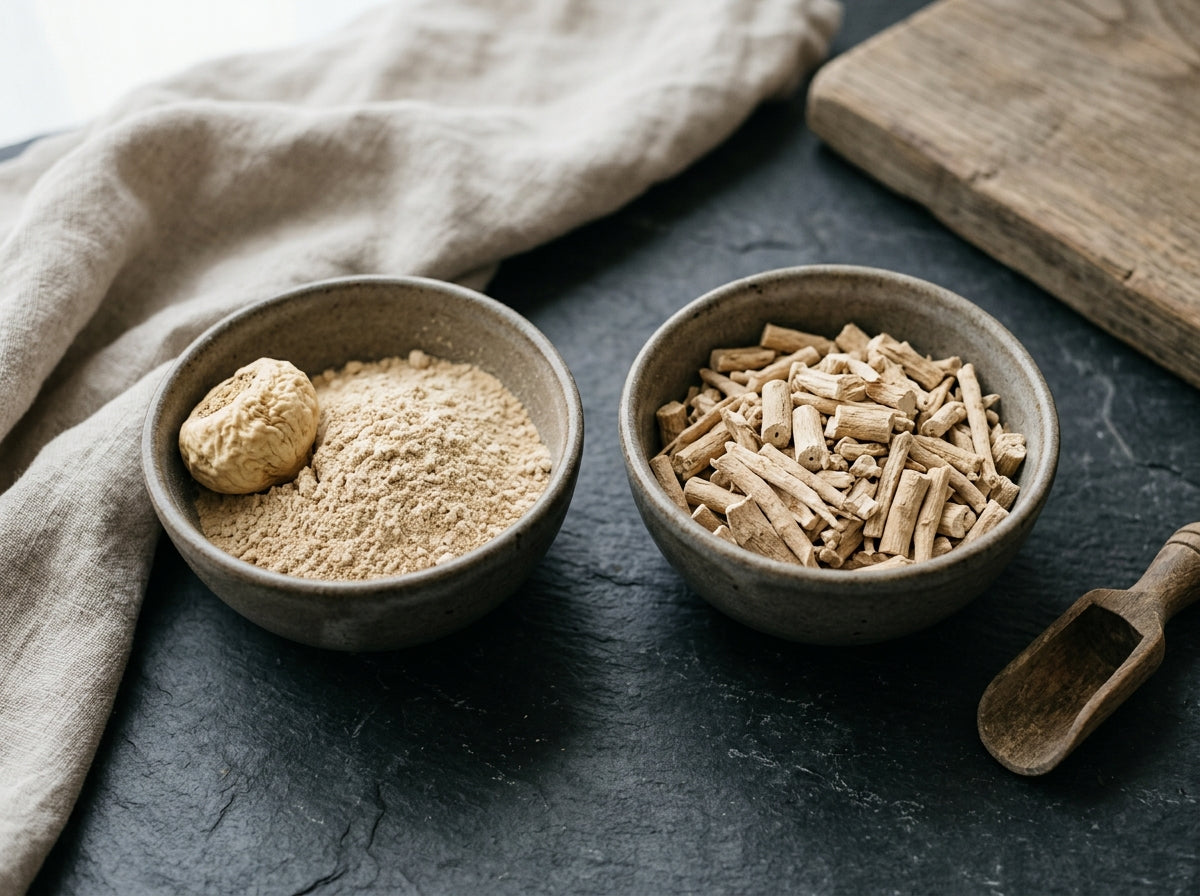

Maca or Ashwagandha for Your Daily Routine
Choosing between maca or ashwagandha? Learn how each root tastes, when to use them, and the best ways to prepare each in tea or drinks.

Wisdom is the path to better tea.
Get our free brewing guide: the right water, heat and timing for every tea we sell. You will also hear it first when new harvests arrive.
No spam. Unsubscribe any time.
Check your inbox.
The guide is on its way.