Your Cart is Empty
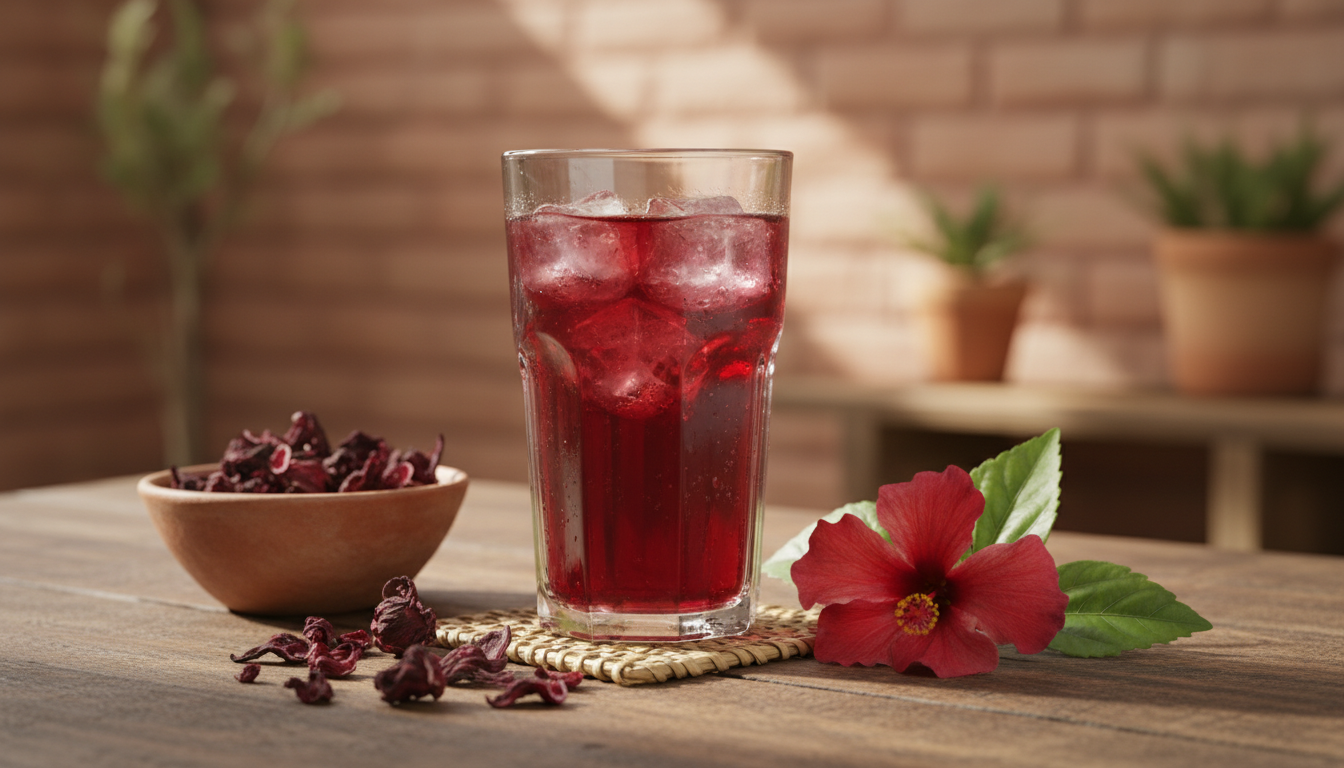

Hibiscus tea is one of the most striking drinks you can make at home. Deep crimson, naturally tart, and refreshing whether served hot or cold, it has been a staple in kitchens across West Africa, Mexico, Egypt, and Southeast Asia for centuries.

The good news is that it is also one of the easiest teas to brew. There is no delicate temperature window to worry about and no risk of extracting bitterness from oversteeping. This guide gives you exact measurements and timings for every method — hot, iced, cold brew, and a mint cooler variation — so you get a consistent, flavorful cup every time.
At Valley of Tea, we have been sourcing and tasting teas for over fifteen years. What drew us to hibiscus specifically is the combination of whole leaf quality and straightforward organic sourcing — no blending agents, no artificial color, just the dried calyx doing what it naturally does. This guide draws on that experience. You can find our organic dried hibiscus flowers here if you want to brew along.

Dried hibiscus flowers. Whole dried calyces (the fleshy part around the seed pod) produce the best flavor. Look for pieces that are deep red to burgundy, pliable rather than brittle, and free of excessive dust or stem fragments. Loose leaf hibiscus gives you far more control over strength than teabags, and the flavor is noticeably brighter.
Water. Freshly drawn, filtered water. Hibiscus is not as sensitive to water quality as green or white tea, but chlorinated tap water will dull the tartness and mute the floral notes that make this tea worth drinking.
A way to heat water. Any kettle, stovetop pot, or electric kettle works. Hibiscus takes full boiling water, so you do not need a temperature-controlled model for the hot method.
Something to brew in. A teapot, a large mug with an infuser, a French press, or a mason jar for cold brewing. Hibiscus flowers are large enough that even a coarse strainer works fine — they do not slip through mesh the way fine-cut herbs do.
A scale or measuring spoon. Hibiscus flowers vary in size, so weight is more accurate than volume. If you do not have a scale, a heaping teaspoon is your baseline measure.

This is the foundation method. Master this and everything else is a variation.
The color will be an intense ruby red almost immediately. Do not mistake quick color extraction for the tea being done — the flavor needs the full steeping time to develop properly.

This is the fastest way to get a cold hibiscus drink. The method uses a concentrated hot brew diluted with ice, so you can go from dry flowers to glass in about 10 minutes.
The result is a vibrant, cold hibiscus tea that retains the full tartness and body of a hot cup. The double-strength brew compensates for the dilution from melting ice.

Cold brewing produces the smoothest, least tart version of hibiscus tea. It takes longer but requires zero effort once you set it up.
Cold brew hibiscus is noticeably mellower than hot-brewed. The tartness is still present but rounded, and the floral sweetness comes forward more. This method also extracts slightly less of the sour malic acid, which is why the flavor profile shifts. It keeps well in the refrigerator for up to 3 days. For more teas that work well cold-brewed, see our guide on cold brew tea methods and timing.

During sourcing travels, I have come across this combination in different forms — karkade with mint in Egypt, bissap variations in West Africa, agua de jamaica served with fresh herbs in Mexico. The approach varies by region but the logic is the same: tart hibiscus and cooling mint work well together, especially in heat. This recipe is our version of that tradition.
The key is to keep the mint steep short. Mint left too long in hot liquid becomes harsh and medicinal. Two to three minutes is enough to get the cooling flavor without crossing that line.

Hibiscus is naturally tart, closer to cranberry than to most other herbal teas. Many people enjoy it unsweetened, but if you prefer some sweetness, here are the best options.
Honey. The classic pairing. Honey rounds out the tartness without masking the floral character. Add it while the tea is still warm so it dissolves completely. Raw honey works, but its delicate flavors are largely destroyed by boiling water, so there is no advantage to using expensive raw honey in hot tea. Save the good honey for cold brew — stir it in at room temperature.
Agave syrup. Dissolves easily in both hot and cold liquids, which makes it the most practical sweetener for iced and cold brew hibiscus. It has a neutral sweetness that lets the hibiscus flavor stay front and center.
Sugar. Plain white sugar works fine. It dissolves well in hot tea. For cold preparations, make a simple syrup first (equal parts sugar and water, heated until dissolved) so you do not end up with gritty undissolved sugar at the bottom of your glass.
Stevia. A little goes a long way. Stevia can develop a lingering aftertaste if you use too much, so start with a small amount and adjust upward.
Avoid artificial sweeteners if you can. They tend to clash with the tart, fruity profile of hibiscus and leave an odd finish.

Using too little hibiscus. This is the most frequent error. One teaspoon per cup produces a pink, watery brew that tastes like vaguely sour water. You need 2 to 3 heaping teaspoons to get the rich color and full tart-floral flavor that makes hibiscus tea worth drinking.
Not steeping long enough. The color develops fast, which tricks people into removing the flowers after 2 or 3 minutes. The flavor has not fully extracted at that point. Give it the full 5 to 7 minutes.
Adding sweetener to cold liquid. Honey and sugar do not dissolve well in cold drinks. Either sweeten while the tea is still hot or use a liquid sweetener like agave or simple syrup for cold preparations.
Using stale hibiscus. Dried hibiscus flowers should be stored in an airtight container away from light and heat. Old, sun-bleached hibiscus that has been sitting in an open bag for months will produce a flat, papery brew. Fresh dried hibiscus flowers should have a deep color and a noticeable tart-sweet aroma even before brewing.
Steeping mint too long in the cooler recipe. Mint goes from refreshing to medicinal quickly. Keep it to 2 to 3 minutes in hot liquid, then remove.
The table below summarises the key parameters for each method. All measurements are for dried hibiscus flowers (whole calyces). Adjust up or down by half a teaspoon to suit your taste once you have brewed it once.
| Method | Hibiscus | Water | Temperature | Steep Time |
|---|---|---|---|---|
| Basic Hot | 2–3 tsp (3–5 g) | 250 ml | 100°C | 5–7 minutes |
| Iced (concentrate) | 4–6 tsp (6–10 g) | 250 ml | 100°C | 7 minutes |
| Cold Brew | 3–4 tsp (5–7 g) | 500 ml | Cold / room temp | 8–12 hours |
| Hibiscus-Mint Cooler | 4–6 tsp (6–10 g) | 250 ml | 100°C | 7 min hibiscus + 2–3 min mint |
Hibiscus is forgiving — there is no steep time that will make it bitter, so the main variable is how tart and concentrated you want it. The deep red color comes from anthocyanins in the dried calyces, which research shows are among the primary bioactive compounds in Hibiscus sabdariffa.
If you want to explore the wider research on hibiscus and its traditional use across cultures, the systematic review published in Nutrition Reviews covers clinical trials from multiple countries where hibiscus has been consumed for generations.
Comments will be approved before showing up.